main Takeaways
PTFE membranes represent a significant advancement in material technology, particularly in applications requiring waterproofing and protection against environmental factors. Their unique molecular structure provides excellent resistance to moisture and chemical degradation, making them suitable for both electronics and aerospace sectors. When applied in 5G communications, PTFE membranes facilitate efficient signal transmission while shielding sensitive components from moisture damage. furthermore, their durability under extreme conditions enhances the reliability of devices used in demanding environments. Choosing the right PTFE solutions is essential for optimizing performance and longevity, as each application may require specific properties that align with performance needs. Understanding these main aspects of PTFE technology will inform decisions in selecting materials for advanced manufacturing processes across various industries.
Advancements in PTFE Technology
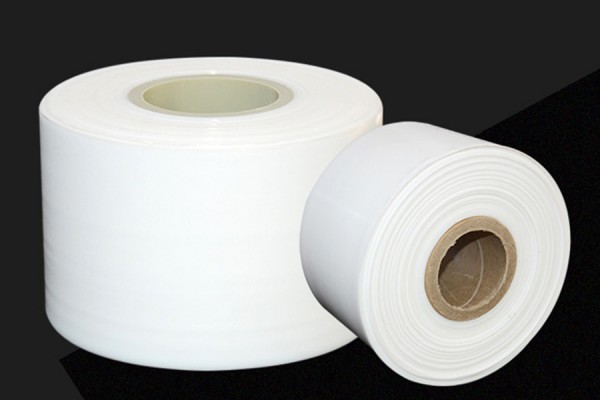
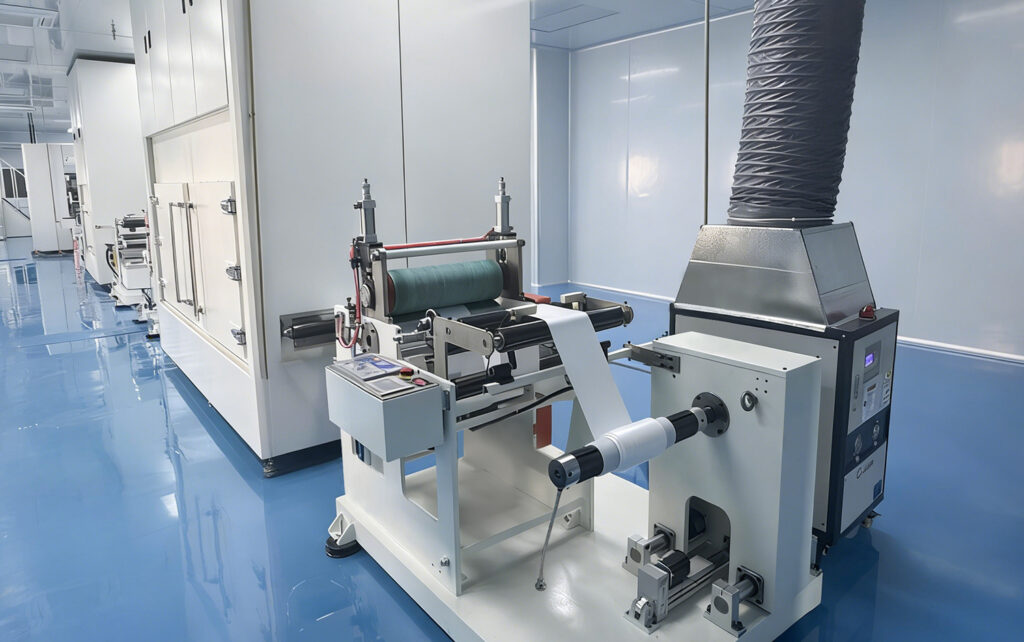
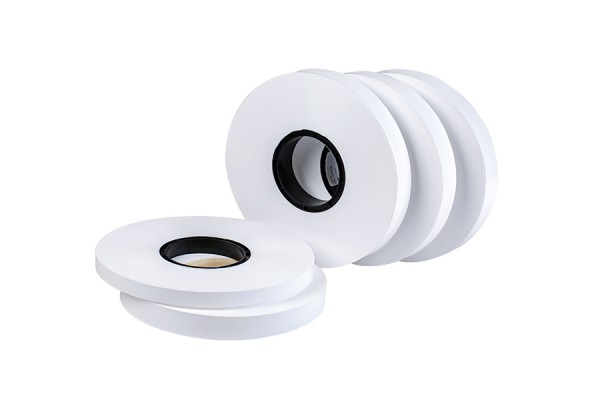
Recent advancements in PTFE technology have led to the development of original products such as high speed transmission line PTFE wrapping tape and PTFE wrapping film, enhancing a range of applications. These advancements focus on improving the structural integrity and performance of membranes, particularly in demanding environments. Notable developments include the introduction of PTFE Thread Seal Tape and PTFE cable wrapping tape, designed to provide robust moisture protection and durability for electronic components. Applications have expanded to include DAC, AEC, AOC, and ACC high-speed cable wrapping film, which offer superior insulation properties important for high-frequency transmission lines in telecommunications. The latest iterations of PTFE cable roll coating techniques ensure consistent quality and performance, proving essential for ensuring reliability in 5G communication systems. Each technological advancement plays a main role in extending the utility of PTFE membranes across various industries while maintaining their well-known attributes of waterproofing and durability.
Understanding PTFE Membrane Structure
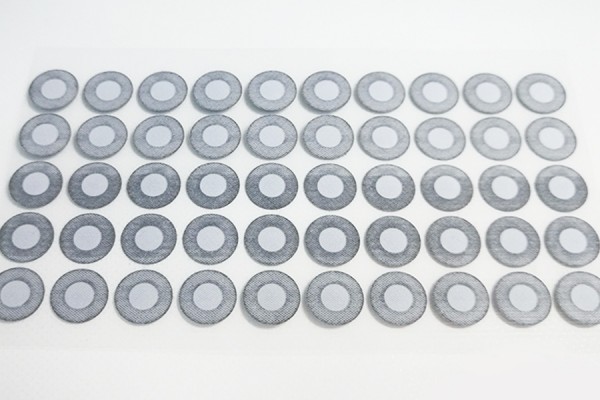
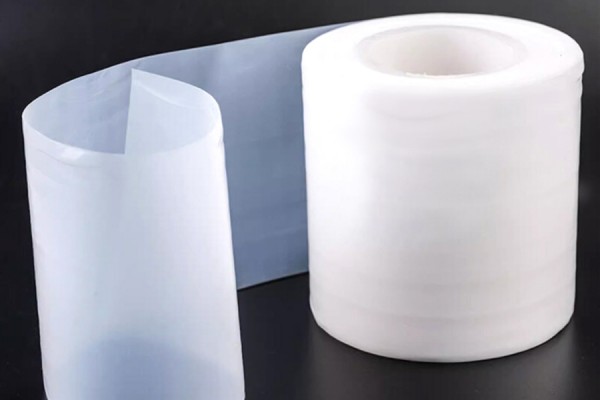
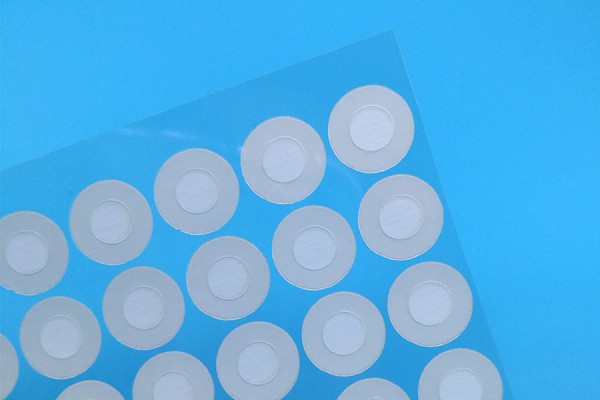
PTFE membranes consist of expanded polytetrafluoroethylene (ePTFE), which forms a microporous structure characterized by a network of interconnected fibrils and nodes. This architecture results from a controlled stretching process that aligns the molecular chains, creating fine pores typically larger than 0.1 microns but small enough to block liquid water. The porosity generally exceeds 85%, allowing air and vapor to pass while preventing water droplets from penetrating. This selective permeability arises because the pore size is below that of water droplets, which are suspended due to surface tension, but above the size of moisture vapor molecules.
The membrane’s strength and flexibility come from the fibrous matrix, which maintains integrity under mechanical stress and can adapt to varying environmental conditions. Its chemical inertness and ability to resist temperature extremes, ranging from -200°C to +260°C, stem from PTFE’s stable carbon-fluorine bonds, making it reliable in harsh settings. The low dielectric constant associated with PTFE also reduces signal loss when used in electronic applications.
The combination of these physical features creates a membrane that balances breathability with waterproofing, essential for protective layers in electronics and communication technologies. The structure supports pressure equalization while maintaining barrier functions, contributing to device longevity and performance in challenging environments.
Applications of PTFE in Electronics
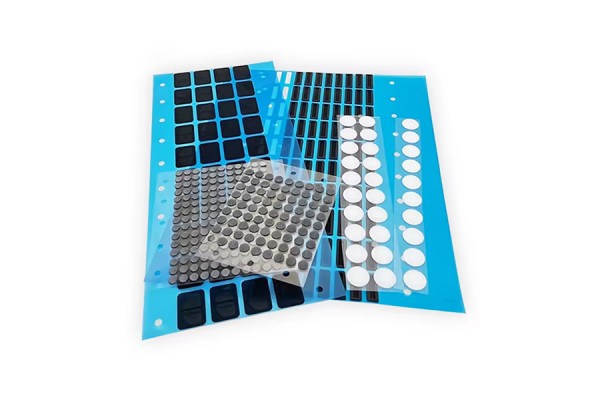
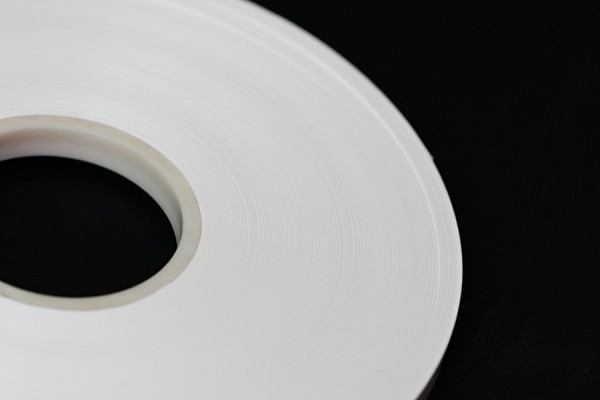
PTFE membranes play a significant role across various electronic applications, particularly due to their unique properties. They effectively function as barriers against moisture, protecting delicate components in devices such as smartphones and wearables. PTFE’s low dielectric constant and loss make it an ideal material for insulating high-frequency cables, important for advancements in 5G and upcoming 6G technologies. This insulation minimizes signal loss while ensuring optimal transmission speeds, enabling faster, more efficient communication. Furthermore, PTFE’s resistance to dust accumulation enhances the reliability of electronic devices by maintaining a cleaner interface between components. In environments where extreme temperatures and chemical exposure are prevalent, such as in automotive or aerospace sectors, PTFE membranes offer essential durability and stability. Their capacity to balance internal and external pressures also aids in sound quality transmission for devices like true wireless stereo (TWS) earbuds. This multifaceted utility underscores the importance of PTFE membranes in modern electronics and their growing relevance in future technological innovations.
Waterproofing capabilities of PTFE
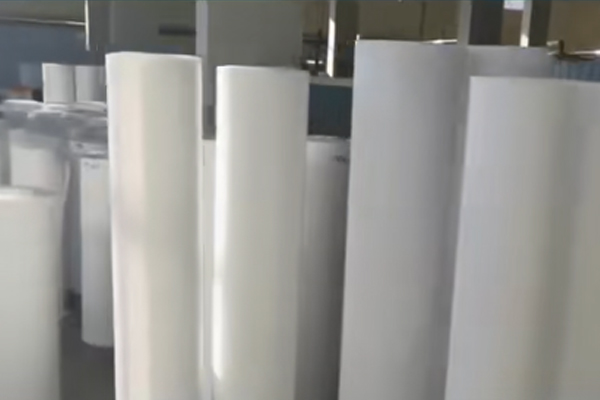
PTFE membranes exhibit remarkable waterproofing capabilities due to their unique microporous structure, which allows them to repel water droplets while maintaining breathability. This structure has a porosity exceeding 85%, ensuring that while air circulates freely, moisture cannot penetrate. As a result, PTFE is an effective barrier against water infiltration, achieving waterproof ratings of IPX7 or higher. This makes PTFE an excellent choice for protecting sensitive electronic components from environmental factors that could lead to failure or degradation. also, the ability of PTFE to resist dust accumulation enhances its durability in demanding conditions, making it invaluable in various applications. In environments where moisture can compromise device functionality, such as in smartphones and other portable electronics, PTFE membranes provide essential protection without sacrificing performance. The advancements in the material’s properties continue to broaden its applicability across industries where reliability and long term performance are critical.
PTFE in 5G Communications
PTFE membranes play a vital role in the advancement of 5G communications by offering superior insulation properties key for signal integrity. The low dielectric constant and minimal signal loss of PTFE make it an ideal choice for high-frequency coaxial cables. These cables are essential in facilitating fast data transmission, minimizing interference, and ensuring reliable connectivity across 5G networks. also, the environmental protection offered by PTFE membranes shields these sensitive components from moisture and contaminants, further enhancing their performance in challenging outdoor environments. As the demand for high-speed data grows, the ability of PTFE to withstand extreme temperatures and chemical exposure adds to its significance in telecommunications infrastructure. Its unique structure not only supports efficient airflow but also aids in maintaining optimal operating conditions for sophisticated communication devices. The integration of PTFE technology is thus key as industries ramp up their efforts to fully realize the potential of 5G systems and beyond.
Durability of PTFE Membranes
The durability of PTFE membranes stems from their unique chemical structure and physical properties. PTFE is highly resistant to thermal degradation, maintaining integrity under extreme temperatures ranging from -200°C to +260°C. This allows these membranes to perform consistently in harsh environments typical in aerospace and automotive applications. furthermore, their excellent chemical inertness ensures that they withstand exposure to corrosive substances without deteriorating. The microstructure of PTFE, characterized by a network of fibrils, contributes to its mechanical strength while also providing flexibility. This combination means that PTFE membranes can maintain performance without succumbing to wear and tear over time, making them a reliable option for industries that require lasting solutions. Their resistance to moisture and dust as well adds another layer of durability, ensuring that they protect sensitive electronic components effectively while continuing the rigors of demanding applications.
Impact of PTFE on Aerospace Industries
PTFE membranes play a important role in enhancing the performance and longevity of aerospace components. Their extraordinary resistance to extreme temperatures and chemicals allows them to withstand the harsh environments typical in aviation applications. As aircraft operate at high altitudes, temperature fluctuations demand materials that can maintain integrity without degrading. PTFE membranes address these challenges effectively, providing essential waterproofing and environmental protection for sensitive electronic systems onboard.
Furthermore, the lightweight nature of PTFE contributes to overall fuel efficiency by reducing aircraft weight without compromising structural strength. This is particularly important in aerospace, where every gram counts towards performance and operational cost. The unique microporous structure of PTFE not only ensures airflow but also aids in noise reduction, contributing to a more comfortable cabin environment. As the aerospace industry continues to innovate towards advanced materials, the application of PTFE membranes is becoming increasingly prominent in designs aimed at enhancing durability and reliability in various aerospace systems.
Choosing the Right PTFE Solutions
Selecting the appropriate PTFE membrane solution requires careful consideration of specific application needs and environmental conditions. Assessing factors such as temperature tolerance, moisture exposure, and compatibility with other materials is important. Different formulations of PTFE offer varying characteristics; for instance, expanded PTFE (ePTFE) membranes exhibit exceptional waterproofing capabilities while allowing breathability, making them ideal for electronics and outdoor applications. also, understanding the intended use, whether in high-frequency communications or in challenging aerospace environments, can dictate the choice of membrane structure and thickness. Consulting with manufacturers to understand product specifications ensures the selection aligns with performance requirements. It is also beneficial to factor in longevity and resistance to chemicals when choosing PTFE solutions, as these attributes can significantly impact maintenance needs and overall effectiveness in protecting sensitive equipment from moisture and environmental stressors.
Conclusion
the advancements in PTFE membranes mark a significant leap forward in their application across various industries. Their unique structure not only provides exceptional waterproofing capabilities but also offers critical protection for electronic devices, especially in demanding environments. As industries embrace technologies like 5G communications and aerospace innovations, the importance of durable and efficient materials becomes increasingly clear. The interaction of performance and resilience provided by PTFE membranes is transforming how products are designed and manufactured. Choosing the right PTFE solution can greatly impact operational effectiveness, ensuring that technological advancements are supported by materials that can withstand rigorous demands. As research continues to uncover new possibilities, PTFE membranes will likely play an even more prominent role in shaping the future of waterproofing and electronic protection technologies.
FAQs
What are PTFE membranes commonly used for?
PTFE membranes are widely used in various industries, primarily for waterproofing applications and electronic protection, due to their excellent chemical resistance and durability.
How does the structure of PTFE membranes contribute to their performance?
The unique structure of PTFE membranes features a porous design that allows for effective moisture management and breathability while maintaining impermeability to water.
Can PTFE membranes withstand extreme temperatures?
Yes, PTFE membranes can endure a wide range of temperatures, typically from -200°C to +260°C, making them suitable for demanding environments.
What advantages do PTFE membranes offer in 5G communications?
In 5G communications, PTFE membranes boost signal integrity by providing shielding against environmental factors and ensuring optimal performance in high-frequency applications.
Are there specific industries where PTFE membranes are essential?
Yes, PTFE membranes are key in aerospace, automotive, healthcare, and electronics industries due to their strength, reliability, and resistance to corrosion and temperatures.