important Takeaways
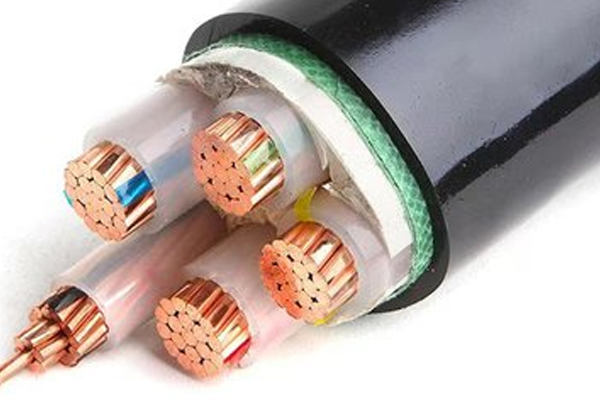
Teflon film offers numerous advantages that make it a preferred material in high-temperature applications. Its unique properties include remarkable thermal stability, allowing it to operate efficiently at continuous service temperatures up to 260°C (500°F). This quality is essential for ensuring reliability in extreme environments encountered in industries such as aerospace and automotive. also, the film’s exceptional creep resistance prevents deformation under prolonged stress, which is vital for maintaining performance standards. Teflon’s enhanced flex life enhances durability, enabling it to endure repeated bending without losing integrity. At low temperatures, Teflon film remains flexible and functional, preventing brittleness. Its chemical resistance further solidifies its utility across various demanding sectors by preventing degradation from aggressive substances. As a versatile solution that meets the challenges of modern engineering needs, Teflon film stands out as a reliable choice for critical applications.
The main Properties of Teflon Film
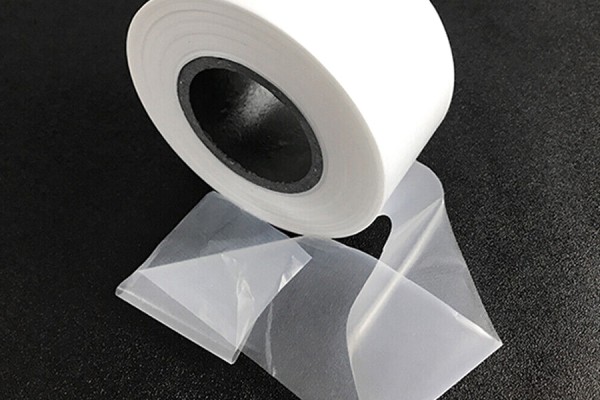
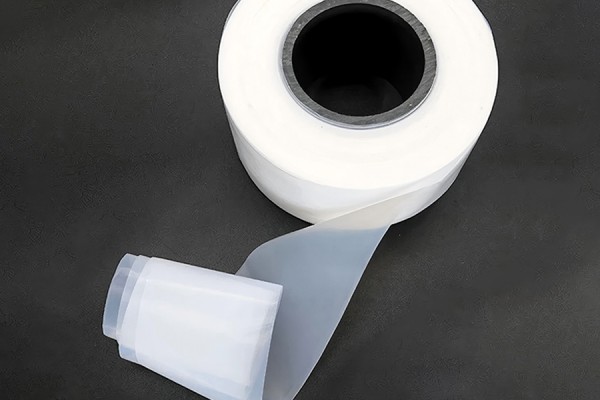
Teflon film is known for its exceptional material properties, making it a premier choice for various applications. Comprising polytetrafluoroethylene (PTFE), it provides excellent thermal stability, allowing it to function effectively in environments with extreme temperatures. This characteristic is important for high-speed transmission line PTFE wrapping tape and PTFE wrapping film, which demand reliability under heat. also, Teflon’s inherent chemical resistance protects it from degradation caused by aggressive substances, further solidifying its position in demanding settings. The low-friction surface of Teflon supports efficient movement and minimizes wear over time, contributing to longevity and reducing maintenance costs. Products such as PTFE Thread Seal Tape and PTFE cable wrapping tape leverage these advantages, ensuring reliable performance in rugged conditions. Enhanced flex life means the material can endure repeated bending without compromising its integrity, making it suitable for high-speed applications like DAC high-speed cable wrapping film and AEC high-speed cable wrapping film. This combination of properties ensures that Teflon film remains a trusted solution for detailed design challenges across industries.
High-Temperature Benefits of Teflon
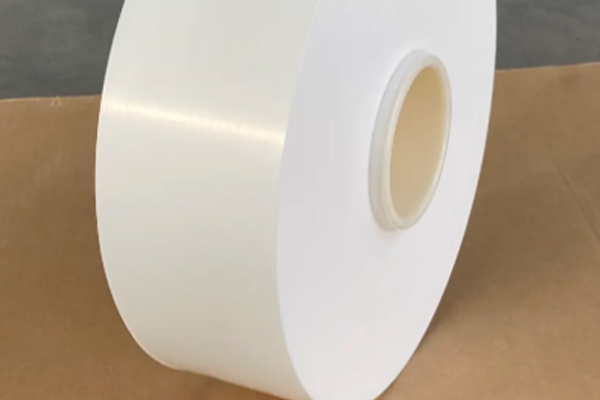
Teflon film excels in high-temperature settings due to its ability to withstand continuous service temperatures of up to 260°C (500°F). This characteristic is essential for industries that require reliable materials under extreme conditions, such as aerospace, automotive, and chemical processing. The film’s chemical stability ensures that it maintains its structural integrity and performance, even in harsh environments where other materials might degrade or fail. also, Teflon’s thermal resistance helps prevent degradation over time, making it a dependable choice for demanding applications. It does not emit harmful byproducts when exposed to high temperatures, ensuring safety and compliance with environmental standards. These advantages solidify Teflon film’s position as a preferred solution for engineers looking to address complex design challenges while optimizing performance and longevity.
Creep resistance in Teflon Film
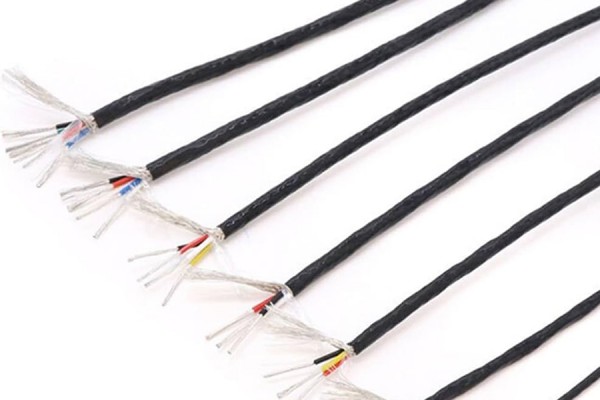
Creep resistance is a fundamental characteristic of Teflon film that significantly contributes to its effectiveness in high-temperature applications. When subjected to prolonged stress, materials often undergo deformation over time, known as creep. Teflon film, however, exhibits remarkable resistance to this phenomenon, maintaining its shape and integrity under continuous loading conditions. This property is particularly useful in high-performance environments where thermal fluctuations and mechanical stress are prevalent. The stability of Teflon film under high heat ensures that it can perform reliably without sagging or losing its functionality, even after extensive use. As a result, engineers and designers can depend on Teflon film for applications that involve critical performance standards, such as in aerospace or chemical processing industries. The ability to withstand creep not only enhances the longevity of products but also reduces maintenance needs, making Teflon film an attractive option for demanding design challenges.
Enhanced flex life of Teflon
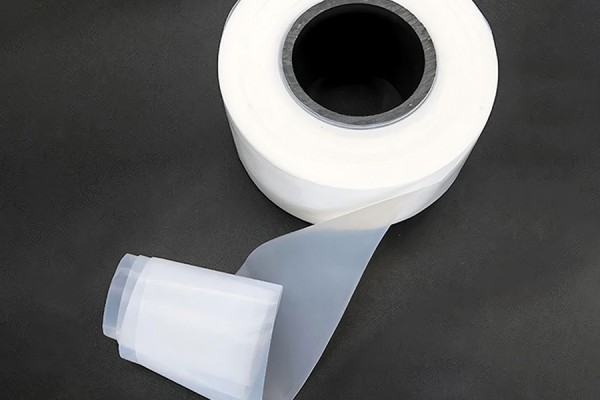
Teflon film’s enhanced flex life is a defining characteristic that significantly contributes to its application in demanding environments. This property enables Teflon to withstand repeated bending without cracking or losing its integrity, making it an ideal choice for components that require flexibility and durability. The robust molecular structure of Teflon film allows it to maintain performance under repetitive stress, which is key in industries where precision and reliability are paramount. Moreover, this enhanced flex life ensures that Teflon can adapt to dynamic motion while resisting wear from friction and environmental factors. Such reliability not only improves the longevity of products but also reduces maintenance costs, contributing to more efficient operational workflows in challenging design scenarios. By providing dependable performance in high-stress applications, Teflon film proves itself as a practical solution for engineers and designers facing complex project requirements.
Low-Temperature Performance of Teflon Film
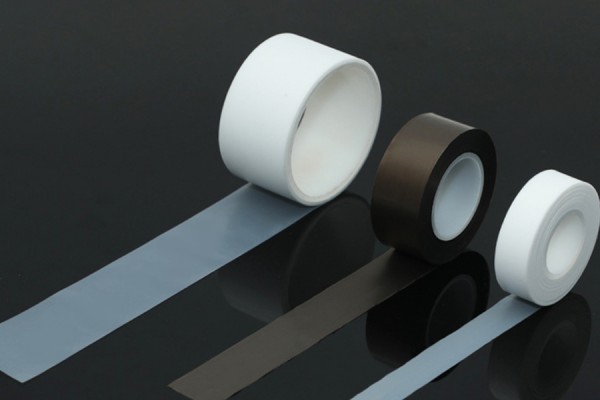
Teflon film exhibits remarkable low-temperature performance, remaining flexible and functional even in harsh cold conditions. Unlike many other materials that become brittle as temperatures drop, Teflon maintains its integrity, ensuring reliable performance in environments where standard films might fail. This resilience at low temperatures is attributed to its unique molecular structure, which allows for optimal flexibility and durability. Industries requiring materials that can withstand extreme cold, such as aerospace and cryogenic applications, find Teflon film particularly advantageous. Its ability to resist thermal contraction helps prevent stress fractures during temperature fluctuations. The combination of these properties makes Teflon film a strong contender for any demanding design challenge that requires stability and reliability at lower temperatures.
"Choosing the right material for low-temperature applications is key; Teflon film stands out due to its impressive toughness and flexibility."
Applications of Teflon Film in Design
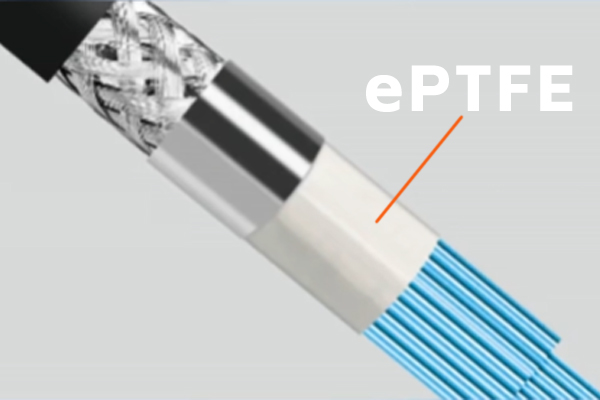
Teflon film is utilized across various advanced design sectors due to its unique properties. In the aerospace industry, it plays a important role in thermal insulation systems and wire insulation, where high-temperature resistance is essential. In the automotive sector, Teflon film is applied in fuel hoses and gaskets, ensuring reliability in extreme environments. The chemical processing industry benefits from its chemical inertness, using Teflon film for seals and linings in reactors and pipelines to prevent contamination. also, electronics manufacturers incorporate Teflon film for insulation in circuit boards and connectors, where its exceptional dielectric properties are vital. The versatility of Teflon film extends to food processing equipment, where its non-stick surfaces boost hygiene and efficiency during operations. By serving such diverse roles, Teflon film proves itself indispensable to modern design challenges, enabling engineers to push boundaries while assuring safety and performance.
Why choose teflon for Tough Designs
Selecting Teflon film for challenging designs is a strategic decision grounded in its impressive properties. Its noteworthy creep resistance ensures that it maintains dimensional stability even under prolonged high-heat exposure, making it particularly suitable for components that endure substantial stress. The material’s exceptional low-temperature toughness allows it to perform in environments where other films may fail, ensuring reliability across a wide range of temperature fluctuations. Furthermore, Teflon’s enhanced flex life means it can withstand repeated bending and movement without degradation, which is key for flexible applications. These characteristics not only improve the longevity of designs but also minimize maintenance costs over time. With Teflon film, engineers can address demanding application requirements confidently, knowing they have chosen a material built to endure the rigors of tough environments.
Teflon film: A Trusted Solution
Teflon film has established itself as a reliable choice in various high-temperature applications due to its exceptional properties. With its ability to withstand continuous service temperatures of up to 260°C (500°F), it offers a solution for environments where traditional materials may fail. This durability is complemented by outstanding creep resistance, which ensures that the material maintains its shape and functionality under prolonged stress. also, Teflon film exhibits remarkable low-temperature toughness, making it suitable for applications facing extreme temperature fluctuations without risk of brittleness or failure. Its enhanced flex life is particularly advantageous in designs where repeated bending or movement occurs, allowing for greater versatility in demanding applications. These characteristics make Teflon film an essential component across industries such as aerospace, electronics, and chemical processing, where reliability and performance are paramount. As a trusted solution, Teflon film continues to meet the challenges presented by modern engineering demands effectively.
Conclusion
teflon film exemplifies reliability and adaptability in high-temperature applications, serving as a main material for numerous modern engineering challenges. Its superior properties, including impressive thermal stability and chemical resistance, allow it to maintain consistent performance across a range of demanding conditions. The film’s capabilities in terms of creep resistance and low-temperature toughness further define its utility, enabling it to handle stress and extreme fluctuations without failure. Enhanced flex life adds to its appeal by ensuring durability even under repetitive motions. Industries from aerospace to electronics benefit from its versatile performance, firmly establishing Teflon film as an essential component for engineers seeking dependable materials that meet rigorous performance standards. By integrating Teflon film into their designs, professionals can confidently address complex project requirements while optimizing longevity and reducing maintenance needs in demanding environments.
FAQs
What is Teflon film made of?
Teflon film is primarily composed of polytetrafluoroethylene (PTFE), known for its thermal stability and chemical resistance.
What are the maximum temperatures Teflon film can withstand?
Teflon film can operate at continuous service temperatures up to 260°C (500°F) without losing its structural integrity.
How does Teflon film perform in low-temperature conditions?
Teflon film remains flexible and functional even in low temperatures, preventing brittleness while maintaining performance.
Is Teflon film resistant to chemicals?
Yes, Teflon film exhibits excellent chemical resistance, making it suitable for use in environments involving aggressive substances.
What are common applications of Teflon film?
Teflon film is widely used in aerospace, automotive, chemical processing, electronics, and food processing industries due to its versatile properties.
How does Teflon film’s creep resistance benefit applications?
The creep resistance of Teflon film allows it to maintain its shape under sustained stress, ensuring reliability in high-performance environments.
Can Teflon film be used for applications requiring flexibility?
Yes, Teflon’s enhanced flex life makes it suitable for applications that demand repeated bending without compromising material integrity.
Why is Teflon a preferred choice for tough designs?
Teflon’s unique properties such as thermal stability, creep resistance, and low-temperature toughness make it ideal for challenging design requirements.