main Takeaways
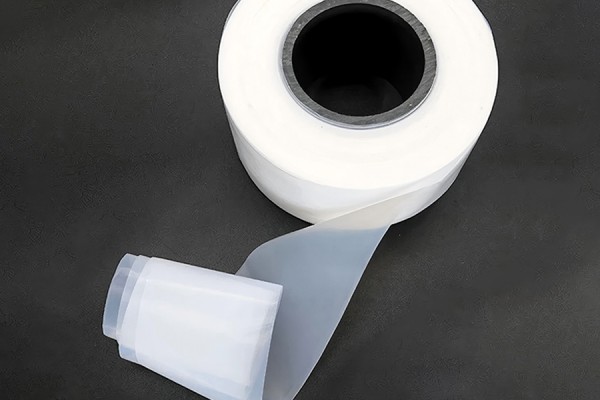
PTFE-based tape wrap marks a key step forward in electrical insulation, delivering lasting durability and solid performance. Its low dielectric loss helps preserve signal integrity, especially at high frequencies, reducing the chances of degradation. PTFE’s toughness lets it endure harsh conditions, from extreme temperatures to corrosive substances, making it suitable for aerospace and telecommunications. Compared with traditional materials such as PVC and silicone, PTFE provides stronger thermal stability and chemical resistance. This versatility not only extends cable lifespans but also lowers maintenance costs over time. As technology advances, the use of PTFE-based tape is expanding, reinforcing its position as a reliable insulation choice across diverse sectors. The blend of insulating and mechanical traits makes PTFE wrapping an essential element for achieving efficient, effective signal transmission in today’s electronic systems.
Enhancing signal integrity with PTFE
A PTFE-based wrapping tape greatly enhances signal integrity, a key factor in high-speed transmission lines. Its distinctive traits, including low dielectric loss and strong dielectric strength, minimize signal attenuation over long runs. This matters especially for RF cable applications where preserving signal clarity is vital for performance. The steady insulating properties of PTFE wrapping film aid in shielding against EMI, helping protect the integrity of sensitive data transmission.
Additionally, using PTFE Thread Seal Tape in sealed environments boosts durability and resistance to conditions that could degrade signal quality. When applied to high-speed cables and high-frequency lines—think DAC or AEC high-speed wrapping films—the results show up as faster data rates and lower latency. As devices demand quicker data processing, integrating PTFE cable roll coating technology becomes more crucial for dependable, efficient performance across many sectors.
important Benefits of PTFE Cable Wrapping
PTFE-based tape wrapping provides a broad set of benefits, making it a key option for high-performance setups. A primary advantage is its outstanding electrical insulation, which minimizes signal loss and preserves accuracy during transmission. Its low dielectric constant and loss factors boost performance in high-frequency settings, ideal for RF cables and advanced communication systems. Also, PTFE demonstrates impressive thermal stability, able to endure a wide temperature range from -150°C to 260°C without losing integrity. This durability is key in high-temperature electronics, ensuring cables operate reliably under extreme conditions. Contributing to its versatility, PTFE’s chemical resistance guards against corrosive substances, broadening its use in many environments. This blend of insulation strength, temperature resilience, and chemical resistance makes PTFE wrapping a superior option compared with traditional insulation materials, keeping systems operational and robust in tough conditions.
Applications of PTFE in High-Temperature Electronics
PTFE-based tape wrapping plays a key role in high-temperature electronics thanks to its exceptional thermal stability and insulating qualities. It remains effective across a wide temperature span, -150°C to 260°C, making it suitable for settings where conventional materials may fall short. PTFE’s low dielectric loss and strong mechanical properties ensure dependable performance under tough conditions. Common uses include insulation for heating cables, electronic devices, and electromagnetic wire, where heat exposure is constant. In aerospace and military sectors, PTFE’s corrosion resistance also plays a crucial role in extending equipment longevity. By delivering effective shielding from electromagnetic interference, PTFE boosts the reliability of communication devices in high-frequency environments. Overall, its robust traits make PTFE an essential material for advancing the performance of high-temperature electronics.
Understanding the Composition of PTFE Cable Tape
PTFE tape is mainly composed of polytetrafluoroethylene, a synthetic fluoropolymer famed for its top-tier insulation properties. Its structure includes a carbon-fluorine bond, among the strongest in organic chemistry, delivering substantial resistance to heat and chemical exposure. Also, its molecular arrangement contributes to a low dielectric constant, making it ideal for high-frequency signal integrity. The manufacturing process often blends PTFE with additives to improve flexibility and enhance performance under different environmental conditions. This yields a tape that not only insulates but also resists extreme temperatures from -150 to 260°C. Its distinctive makeup lets it be used effectively across diverse sectors, including telecommunications and aerospace, where reliable performance matters. Overall, understanding PTFE’s composition emphasizes its role as a modern solution for advanced applications needing durability and strong electrical insulation.
Durability advantages of Using PTFE Wrapping
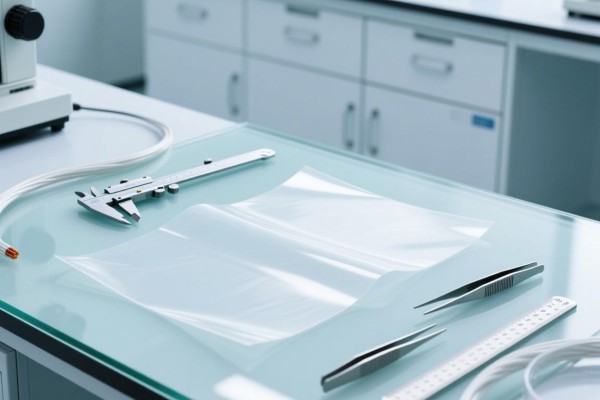
PTFE-based tape wrapping is highly valued for its durability in tough operating environments. Its strong chemical resistance keeps it intact when facing corrosive substances, making it suitable for many industrial uses. The capacity to perform across extreme temperatures, -150°C to 260°C, is a key attribute that sets PTFE apart from other insulation materials. This wide temperature tolerance supports its longevity and reliability, particularly in high-temperature electronics and aerospace uses. Also, the inherent non-stick nature of PTFE prevents contaminants from sticking, further preserving the cable and insulation’s integrity over time. Its mechanical flexibility adds to its durability, allowing it to withstand physical stresses without cracking or breaking. Together, these traits ensure consistent performance and protection for signal transmission, reinforcing PTFE’s role in critical systems needing dependable electrical insulation and durability.
Comparing PTFE and Other Insulation Materials
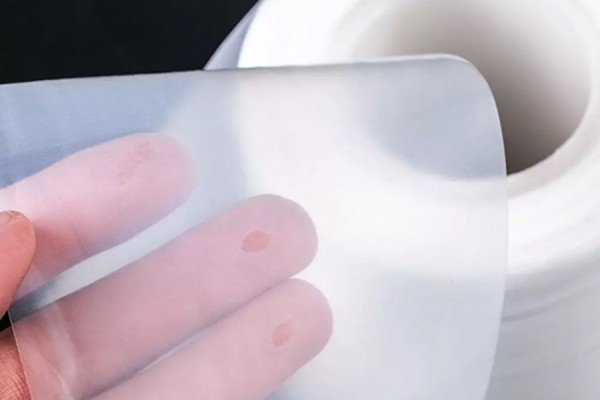
PTFE-based tape wrapping outperforms many traditional insulation materials, including PVC, polyolefin, and silicone. Unlike PVC, which falters at high temperatures and can degrade over time, PTFE keeps its integrity in extreme environments. Likewise, polyolefin generally exhibits higher dielectric losses than PTFE’s low-loss profile, making it less ideal for high-frequency work. Silicone provides flexibility but may not match PTFE in chemical resistance. Moreover, PTFE’s distinctive traits, such as full dielectric strength and minimal moisture absorption, greatly boost signal integrity in RF cables. This makes PTFE crucial in sectors demanding reliable performance under harsh conditions. When you prioritize insulation effectiveness and durability, PTFE stands out as a superior option among insulation materials.
PTFE in RF Cables for High-Frequency Transmission
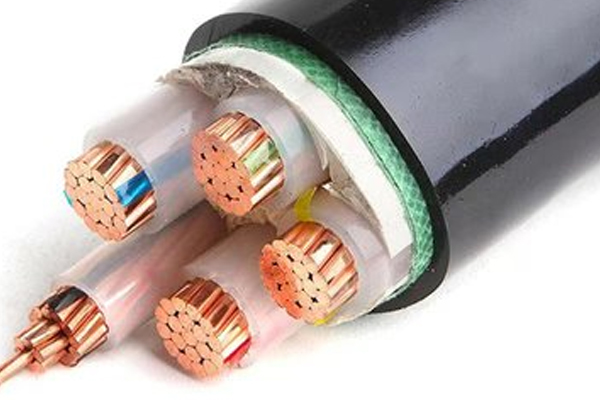
PTFE-based tape plays a key role in RF cables built for high-frequency transmission. Its distinctive traits, including a low dielectric constant and minimal dielectric loss, substantially improve signal integrity and reliability. This material effectively reduces signal attenuation, crucial for RF applications where clarity and strength of transmission matter most. PTFE’s compatibility with high-frequency operations reduces interference from external electromagnetic noise, keeping transmitted signals robust over long distances. As wireless tech evolves, especially with 5G and potential 6G, reliance on PTFE to sustain performance amid changing conditions becomes clearer. PTFE’s versatility lets it endure extreme temperatures and resist chemical corrosion, making it a good fit for sectors like aerospace and telecommunications. This compound plays a crucial role in modern RF cable designs, balancing durability with performance expectations.
Conclusion
PTFE-based tape wrapping has proven itself as an indispensable material in electrical insulation, offering strong advantages in durability and signal integrity. Its excellent resistance to high temperatures and harsh chemicals enables reliable performance across many demanding applications. As electronics operate at higher frequencies, the benefits of low dielectric loss and solid insulating properties of PTFE grow even more important. This material not only prevents signal degradation but also shields against EMI, which is essential for clear communication. Moreover, PTFE’s long lifespan lowers the need for frequent replacements, making it a cost-effective option for industries that value performance and sustainability. As technology evolves, the reliance on PTFE-based tape wrapping will likely grow, reinforcing its crucial role in raising electrical insulation standards in high-performance settings.
FAQs
What is PTFE cable tape wrapping?
PTFE-based tape wrapping is a form of insulation crafted from polytetrafluoroethylene, aimed at boosting electrical insulation properties and lowering signal loss in high-frequency applications.
What key advantages does PTFE offer for electrical insulation?
PTFE provides strong thermal stability, chemical resistance, and low dielectric loss, making it suitable for extreme temperatures and high-frequency environments.
How does PTFE wrapping enhance signal integrity in RF cables?
Its low dielectric constant and minimal dielectric loss help reduce signal attenuation, ensuring clearer transmission and less interference in RF applications.
Can PTFE endure high temperatures?
Yes, PTFE can operate effectively across a wide temperature range from -150°C to 260°C without degrading, making it ideal for high-temperature electronics.
Which industries benefit from PTFE-based tape wrapping?
Industries like telecommunications, aerospace, automotive, and military rely on PTFE for durability and reliability in settings demanding robust electrical insulation.