main Takeaways
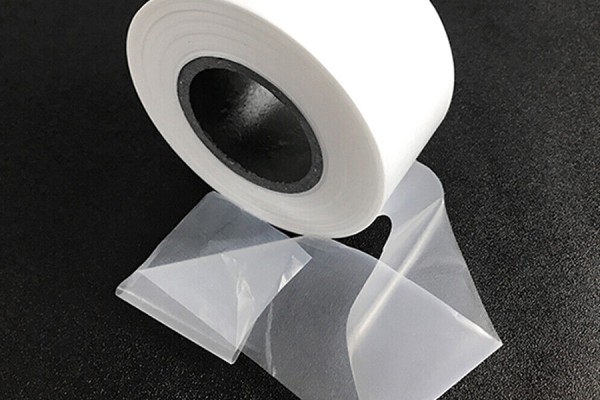
ePTFE membranes are integral to various modern technologies due to their unique combination of properties. Their microporous structure enables effective moisture management while allowing gas exchange, making them suitable for applications across multiple sectors. In healthcare, ePTFE enhances patient care by ensuring safety and efficacy in medical devices. In the electronics field, these membranes protect sensitive components from environmental factors, ultimately improving device performance and longevity. The adaptability of ePTFE in manufacturing processes leads to cost-effective production while meeting rigorous industry standards. Furthermore, their durability contributes to sustainable practices by minimizing waste and extending product lifespans. The impact of ePTFE membranes in automotive design illustrates their ability to improve safety and efficiency in transportation solutions. With ongoing innovations in ePTFE technology, their applications are expected to expand further, solidifying their importance across diverse fields and promoting a balance between performance and environmental responsibility.
main Properties of ePTFE Membranes
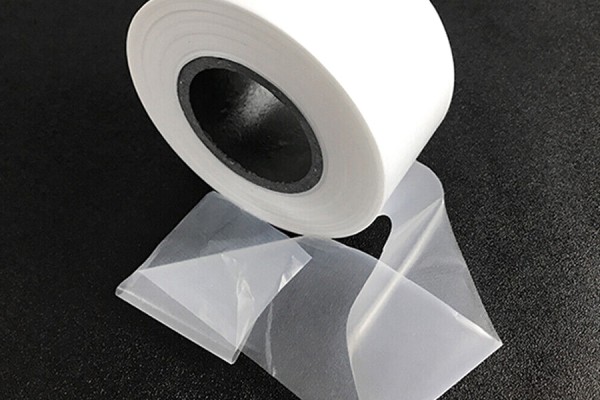
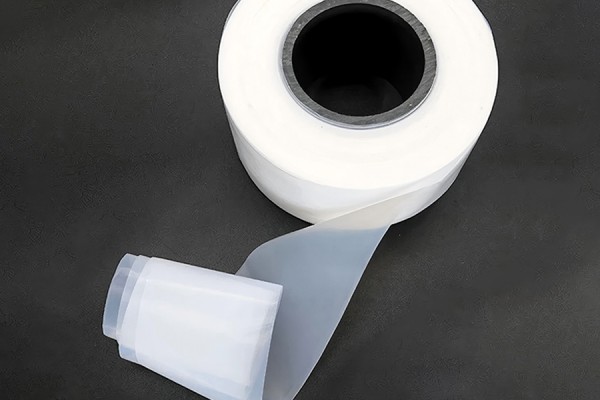
ePTFE membranes are characterized by their unique porous structure and excellent performance attributes. With a minimum pore size of 0.1 microns, they allow water vapor to pass while blocking liquid water, making them highly effective for moisture management. These membranes are also chemically resistant, able to withstand harsh environments without degradation, which is essential in demanding applications such as healthcare and manufacturing. furthermore, ePTFE membranes are recognized for their durability across a wide temperature range, enabling their use in extreme conditions without compromising functionality. The low dielectric constant of these materials facilitates high-speed transmission for PTFE wrapping tape and other high-frequency applications. Their acoustic properties allow for sound transmission while maintaining pressure balance, beneficial in electronic components. Moreover, their versatility extends to various products such as PTFE wrapping film and PTFE Thread Seal Tape, where they improve performance and reliability across multiple sectors including automotive design and environmental filtration systems.
Applications of ePTFE in Healthcare
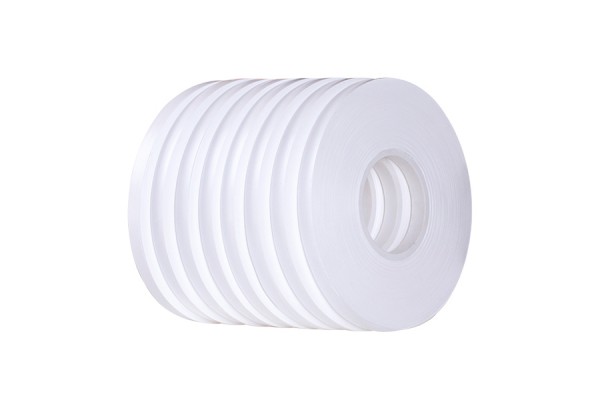
ePTFE membranes play a key role in the healthcare sector, offering unique properties that improve patient safety and treatment efficacy. Their microporous structure allows for gas exchange while preventing liquid penetration, making them ideal for applications such as wound dressings and respiratory devices. In surgical settings, ePTFE membranes are used in implants and prosthetics due to their biocompatibility and resistance to bacterial colonization. also, in drug delivery systems, these membranes facilitate controlled release of medications while ensuring sterilization. Their ability to withstand harsh sterilization processes without compromising integrity is particularly useful. Furthermore, the use of ePTFE in urine bags and culture bottles exemplifies their versatility in maintaining hygiene and promoting optimal conditions for sample collection. This adaptability continues to drive innovations in medical devices that prioritize patient well-being.
ePTFE Membranes in Electronics
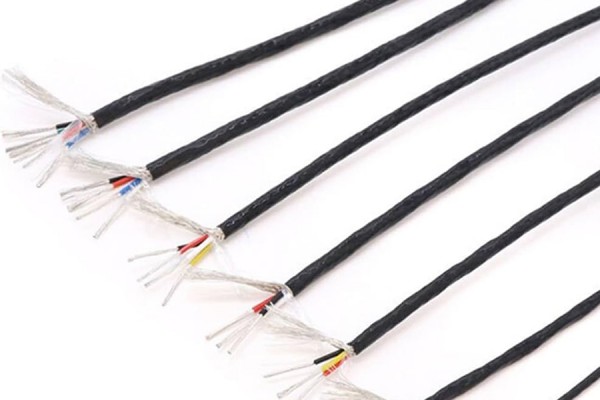
ePTFE membranes play a vital role in the electronics sector by supporting advanced technologies that require reliable signal transmission and environmental protection. Their unique microporous structure allows for efficient gas exchange while ensuring that moisture and contaminants do not penetrate sensitive electronic components. This capability is essential for maintaining optimal performance in devices like smartphones, computers, and wearables. furthermore, ePTFE membranes offer low dielectric constants, contributing to minimal signal loss and higher efficiency in circuit operations. These membranes are particularly useful in high-frequency applications such as 5G and 6G technologies, where speed and reliability are paramount. The lightweight nature of ePTFE also enhances the overall design of electronic products, allowing for more compact designs without compromising functionality. Furthermore, as illustrated in 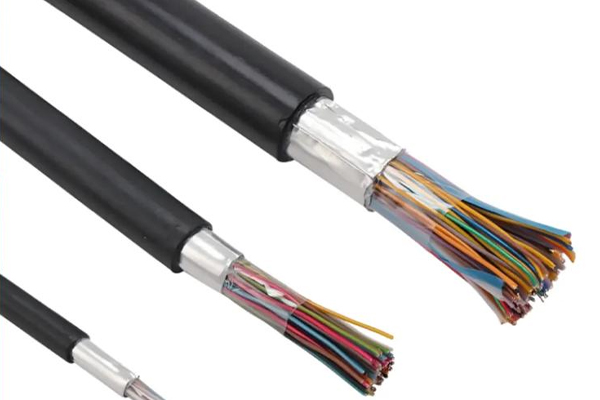 , the resilience of ePTFE to temperature fluctuations ensures longevity, making it an excellent choice for protective housings and insulation materials across various electronic applications.
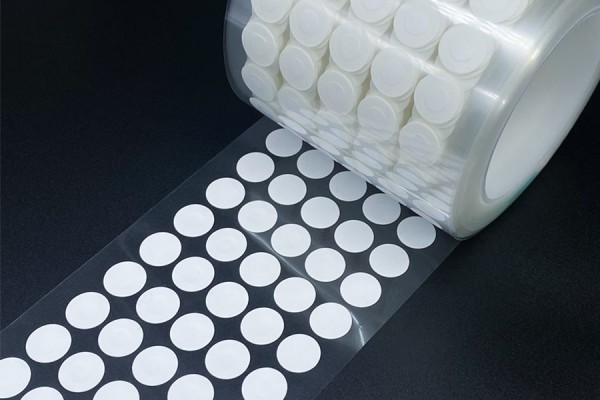
Manufacturing with ePTFE Technology
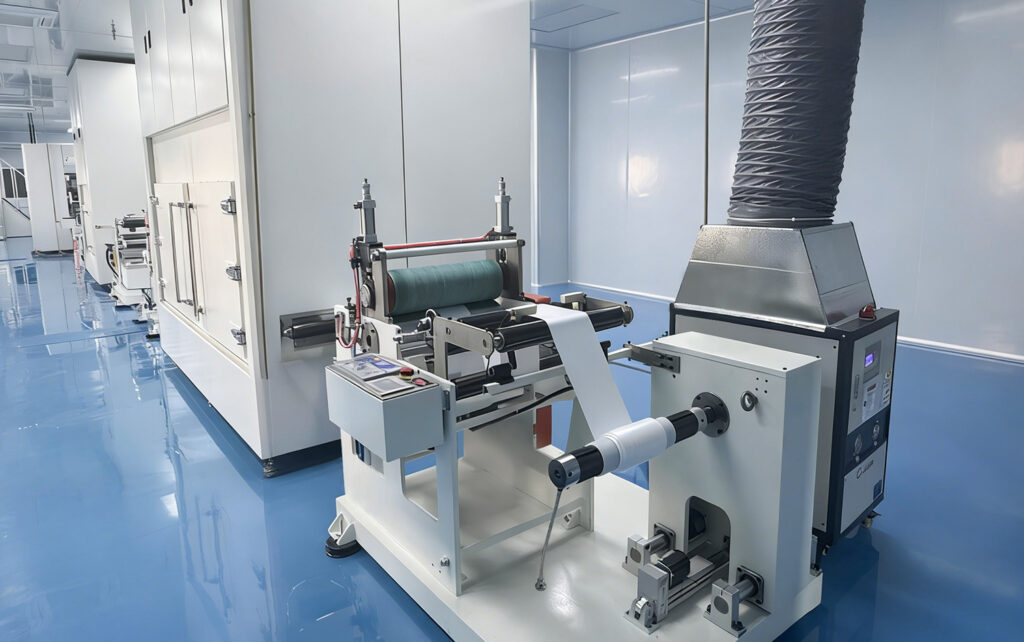
Manufacturing with ePTFE technology involves utilizing its superior properties to create products that are both durable and efficient. The unique structure of ePTFE membranes allows them to withstand extreme temperatures and resist chemical erosion, making them ideal for various industrial applications. In sectors like electronics and healthcare, ePTFE membranes are integrated into essential components, ensuring reliable performance under demanding conditions. Furthermore, their lightweight nature and flexibility contribute to reduced production costs and enhanced product longevity. In the automotive industry, ePTFE is used for applications such as seals and gaskets that require high-performance materials capable of continuing harsh environments. By incorporating ePTFE technology into manufacturing processes, companies can achieve significant improvements in product quality while also meeting stringent regulatory standards across industries. The ongoing innovation in ePTFE research also promises to expand its potential uses, further establishing it as a main material in modern manufacturing practices.
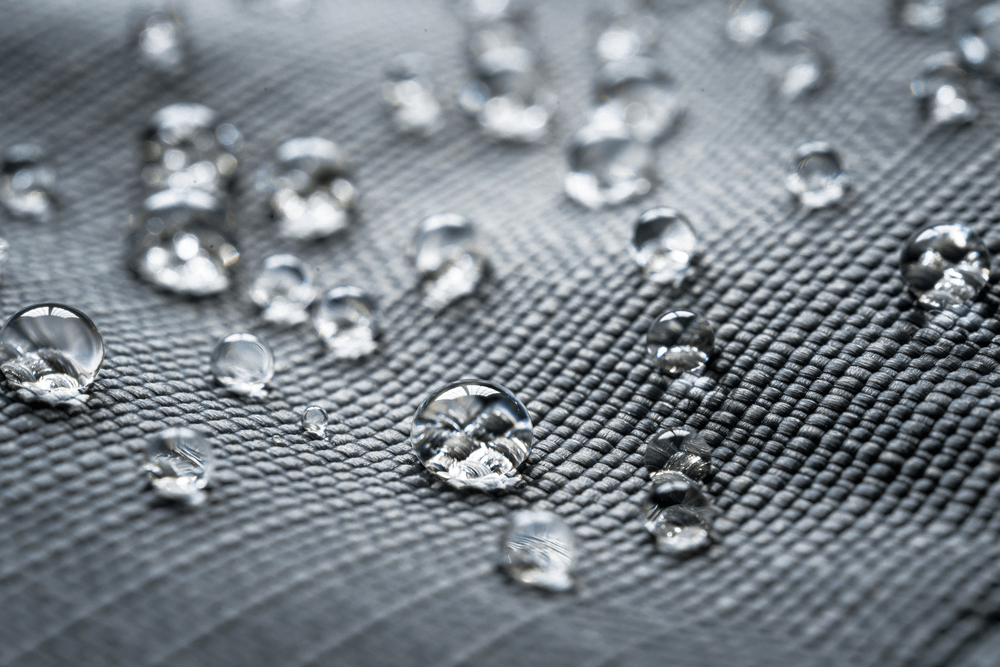
Environmental benefits of ePTFE
ePTFE membranes contribute to environmental sustainability through their unique properties and applications. Their chemical resistance makes them ideal for environmental filtration systems, allowing for effective separation of harmful particles in industrial dust and wastewater treatment processes. The durability of ePTFE extends the lifespan of products, reducing waste and the frequency of replacements. In renewable energy, ePTFE is used as explosion-proof vents in batteries, enhancing safety while minimizing risks associated with chemical leaks. Its breathable nature aids in maintaining an optimal balance within sealed environments, such as in electronic devices, where preventing harmful gas accumulation is vital. Furthermore, the production process of ePTFE generally requires fewer resources due to its efficiency and resilient nature, allowing manufacturers to create high-performance products with a reduced ecological footprint. By integrating ePTFE membranes into various technologies, industries can significantly lower their environmental impact while enhancing product performance.
ePTFE Membranes in Automotive Design
ePTFE membranes play a significant role in the automotive industry, primarily due to their exceptional durability and resistance to various environmental factors. These membranes are utilized in areas such as automotive lighting, where their waterproof and breathable qualities prevent moisture accumulation while allowing heat dissipation. Furthermore, ePTFE membranes support sound insulation within vehicle cabins, enhancing passenger comfort through effective noise reduction. By managing pressure differentials in sealed environments, these membranes contribute to optimal performance and safety in components such as air filtration systems and battery enclosures. The lightweight nature of ePTFE also aids in reducing overall vehicle weight, promoting fuel efficiency without sacrificing structural integrity. As automotive design trends toward more sustainable and high-performance solutions, the integration of ePTFE membranes represents a forward-thinking approach to engineering that balances innovation with practical functionality.
Durability of ePTFE Materials
ePTFE membranes exhibit exceptional durability, making them suitable for a wide range of demanding applications. Their structure, composed of expanded polytetrafluoroethylene, grants them resistance to extreme temperatures and various chemical agents. This resilience translates to a longer lifespan, which is essential in industries that cannot afford frequent replacements. In healthcare settings, ePTFE membranes maintain performance even under sterilization processes and exposure to bodily fluids, ensuring reliability in critical medical devices. In electronics, their ability to withstand thermal cycling and corrosive environments helps protect sensitive components. Moreover, ePTFE’s inherent properties prevent degradation from UV exposure and moisture infiltration, further enhancing durability in outdoor applications such as automotive design and industrial use. As industries continue to prioritize long-lasting materials that reduce maintenance costs and environmental impacts, ePTFE membranes stand out as a helpful solution that merges performance with strength.
Conclusion
ePTFE membranes exemplify the intersection of innovation and resilience in modern technology. Their unique properties, such as moisture management, chemical resistance, and durability, make them invaluable across various industries. In healthcare, they boost patient safety through effective gas exchange and prevention of liquid intrusion. In electronics, ePTFE membranes ensure reliable performance by protecting sensitive components from environmental factors. The manufacturing sector benefits from their ability to withstand harsh conditions while maintaining product integrity. Furthermore, ePTFE’s role in automotive design highlights its adaptability in enhancing functionality and efficiency without adding unnecessary weight. As industries increasingly prioritize sustainable practices, the environmental benefits of ePTFE cannot be overlooked; their durability contributes to reduced waste and their applicability in filtration systems aids in pollutant management. Overall, ePTFE membranes reflect a forward-thinking approach that balances performance with practical needs across diverse fields.
FAQs
What are ePTFE membranes?
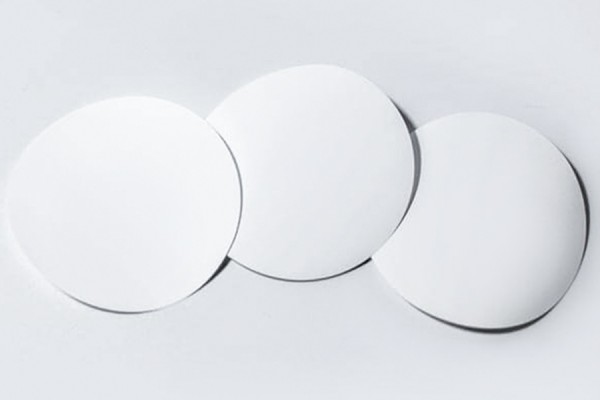
ePTFE membranes are thin, porous materials made from expanded polytetrafluoroethylene, known for their moisture management and chemical resistance.
What are the main benefits of using ePTFE in healthcare?
ePTFE offers important advantages in healthcare, including biocompatibility, gas exchange capability, and resistance to liquid penetration, making it suitable for wound dressings and implants.
How do ePTFE membranes improve electronic devices?
ePTFE membranes improve electronic devices by allowing efficient gas exchange while preventing moisture and contaminants from damaging sensitive components.
Can ePTFE withstand harsh conditions?
Yes, ePTFE is highly durable and can resist extreme temperatures and chemical environments, making it ideal for various industrial applications.
What role does ePTFE play in environmental sustainability?
ePTFE contributes to environmental sustainability by providing effective filtration solutions and extending product lifespans, reducing waste in various applications.