
main Takeaways
ePTFE membranes present a wealth of advantages that make them invaluable in industrial contexts. Their unique characteristics, such as excellent chemical stability and high permeability, contribute to their effectiveness across various applications. For instance, in insulation, ePTFE outperforms traditional materials by providing superior dielectric properties without significantly increasing weight. In fuel cells, its ability to separate gases while withstanding harsh conditions enhances energy efficiency, making it a main component in clean energy technologies. Furthermore, ePTFE’s durability results in lower maintenance costs and extended service life, appealing to manufacturers across sectors like automotive and healthcare. As industries evolve and demand more reliable materials that can withstand harsh environments while optimizing performance, the role of ePTFE membranes will likely expand further. By understanding their properties and potential applications, businesses can leverage ePTFE to boost operational efficiency and meet contemporary challenges in diverse industrial sectors.
Applications of ePTFE Membranes
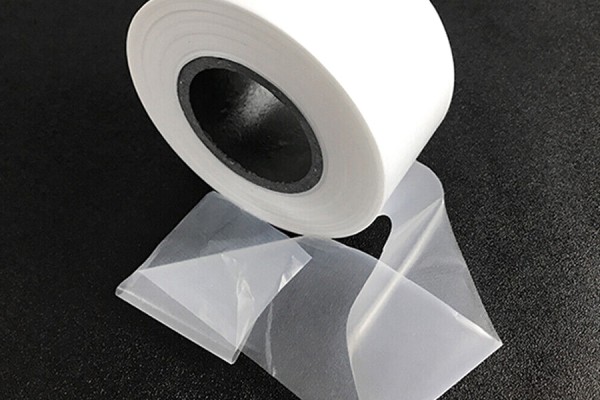
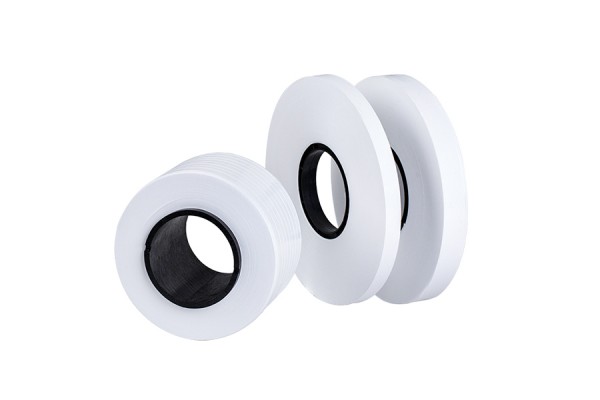
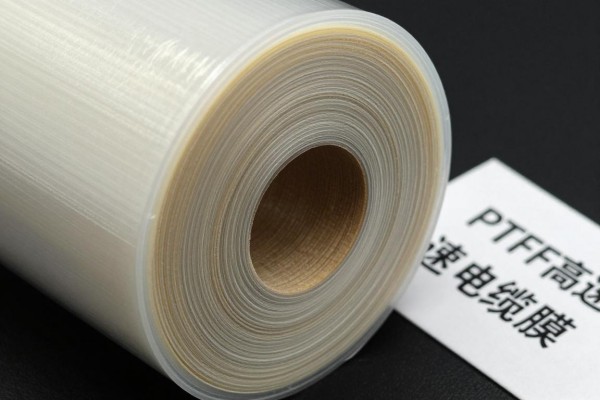
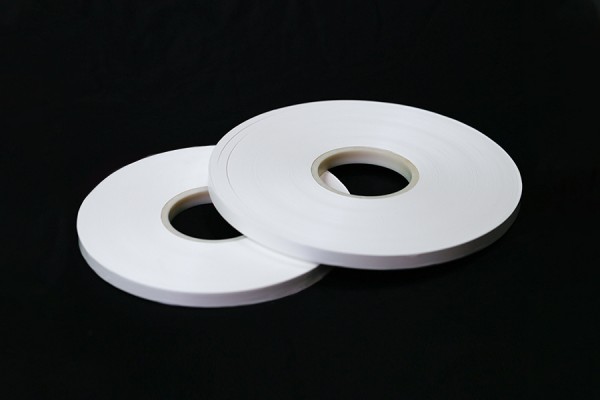
ePTFE membranes find extensive use across various industrial sectors, leveraging their unique properties for diverse applications. In the field of insulation, ePTFE is integrated into products like the High speed transmission line PTFE wrapping tape and PTFE cable wrapping tape, where its electrical characteristics outperform traditional materials such as polyethylene and polyvinyl chloride. These membranes are also essential in automotive and aerospace industries, serving as components in sensors, battery products, and waterproof flashlights, where durability and moisture resistance are important.
Moreover, ePTFE membranes play a significant role in medical devices like infusion devices and fetal monitors, helping to ensure sterility while facilitating essential functions. In the realm of telecommunications and data transfer, PTFE wrapping film is utilized to maintain signal integrity in high-speed environments. The deployment of DAC high-speed cable wrapping film ensures protection against environmental factors without compromising performance. As industries increasingly prioritize energy efficiency and reliability, the applications of ePTFE membranes will continue to expand, solidifying their importance in contemporary industrial solutions.
Benefits of ePTFE in Industry
ePTFE membranes offer numerous benefits across various industrial applications. Their unique combination of chemical stability, high permeability, and resistance to extreme temperatures makes them particularly advantageous in demanding environments. For instance, these membranes effectively prevent contamination while allowing vapor transmission, which is vital in the pharmaceutical and food industries. Moreover, their durability contributes to reduced maintenance costs and longer service life, which are critical factors for manufacturers seeking reliable materials. The lightweight nature of ePTFE also aids in minimizing overall system weight, thereby enhancing operational efficiency in applications like aerospace and automotive manufacturing. furthermore, ePTFE holds a significant edge over traditional materials by providing superior insulation properties and reducing energy losses in electrical applications. As industries increasingly prioritize sustainability and efficiency, ePTFE membranes are becoming the preferred choice for many applications due to their ability to meet these evolving demands while maintaining high performance standards.

Unique properties of ePTFE Membranes
ePTFE membranes exhibit a range of distinctive characteristics that set them apart in various industrial applications. One of their most notable features is their exceptional permeability. With pore sizes around 0.1 microns, these membranes permit water vapor to escape while effectively blocking liquid water, making them ideal for breathable and waterproof products. Their high chemical stability is another critical property, allowing ePTFE to withstand aggressive environments without degrading. This stability ensures longevity and reliability in applications exposed to harsh chemicals and fluctuating temperatures. Furthermore, ePTFE membranes are lightweight yet possess remarkable mechanical strength, which enhances their utility in demanding situations. They are also non-toxic and resistant to UV light, which contributes to their versatility across sectors such as automotive, electronics, and healthcare. These unique properties allow ePTFE membranes not only to perform efficiently but also to adapt seamlessly to various technological advancements in the industrial scene.
ePTFE in Insulation Solutions
ePTFE membranes are increasingly recognized as an effective insulation material in various industrial applications. They offer significant advantages over traditional insulation materials like polyethylene (PE) and polyvinyl chloride (PVC). ePTFE exhibits a low dielectric constant, enabling it to maintain signal integrity in high-frequency electrical systems, making it particularly useful in telecommunications and aerospace. Moreover, its superior fire resistance ensures enhanced safety, as it does not produce harmful smoke when exposed to high temperatures. The lightweight nature of ePTFE also contributes to its practicality in insulation applications without adding excessive weight to the systems they protect. also, the membrane’s excellent moisture resistance further prevents electrical malfunction due to condensation. Consequently, ePTFE provides a reliable and efficient solution for insulation needs across various sectors, including automotive, consumer electronics, and industrial machinery.
Role of ePTFE in Fuel Cells
ePTFE membranes play a vital role in fuel cell technology by serving as effective separators between anode and cathode compartments. This separation is essential for maintaining the necessary high current densities that enable efficient energy conversion. ePTFE’s chemical properties contribute to its performance in this capacity, as the material withstands the harsh conditions often encountered in fuel cells, such as high temperatures and corrosive environments. Its porous structure allows for excellent gas permeability while preventing liquid crossover, enhancing overall fuel cell efficiency. Furthermore, the low moisture absorption of ePTFE ensures that operational conditions remain optimal, which is important for sustained energy output. The use of ePTFE in fuel cells not only supports their performance but also contributes to the longevity and reliability needed for industrial applications. As the demand for renewable energy sources grows, the role of ePTFE in fuel cell technology continues to expand, highlighting its importance in advancing clean energy solutions.
Chemical stability of ePTFE Membranes
ePTFE membranes exhibit exceptional chemical stability, making them suitable for various demanding environments. Their resistance to a wide range of chemicals, including acids and bases, allows ePTFE to maintain its integrity where other materials might fail. This stability is particularly important in industries such as pharmaceuticals and chemicals, where exposure to corrosive substances is common. Moreover, ePTFE’s ability to withstand high temperatures without degrading ensures reliable performance in applications involving heat-intensive processes. This durability not only extends the lifespan of components but also reduces maintenance requirements, ultimately contributing to lower operational costs. The reliable performance of ePTFE membranes under harsh conditions highlights their significance across various industrial applications, necessitating careful consideration when selecting materials for specific environments. Understanding these characteristics enables businesses to make informed decisions regarding the use of ePTFE in their operations.
Performance characteristics of ePTFE
ePTFE membranes exhibit several performance characteristics that make them advantageous across various industrial applications. Their low dielectric constant contributes to reduced signal loss in high-frequency transmission, which is particularly beneficial in telecommunications. furthermore, ePTFE maintains high thermal stability, making it suitable for environments where temperature fluctuation can occur. The low flammability of ePTFE minimizes fire hazards, an important property for electrical insulation materials. Moreover, its low moisture absorption prevents degradation over time in humid conditions, ensuring longevity and reliability in products. Excellent weather resistance allows ePTFE to withstand harsh outdoor conditions without significant degradation. With outstanding mechanical performance benefits, including tensile strength and flexibility, these membranes can be tailored for specific applications while maintaining their vital properties. These characteristics collectively support the use of ePTFE membranes in a diverse array of settings, from insulation in electrical cabling to components used in fuel cells, reinforcing their essential role in industrial advancements.
User considerations for ePTFE Selection
When selecting ePTFE membranes, users should evaluate several important factors to ensure optimal performance for their specific applications. First, understanding the intended application is important; different uses may require varying thicknesses and pore sizes. Users should consider the environment where the membrane will be utilized, including exposure to chemicals, temperature fluctuations, and moisture levels, as these conditions profoundly impact membrane longevity and efficacy.
Quality assurance is another important aspect—choosing a reliable supplier known for consistent production standards can prevent costly failures in the field. Moreover, technical support availability can significantly influence user experience; a responsive support team can assist with product inquiries and troubleshooting. Cost considerations also play a role; while seeking economical options, one must not sacrifice quality to achieve savings. also, evaluating delivery times ensures that projects proceed without delays due to material shortages. By carefully considering these factors, users can boost their selection process for ePTFE membranes and promote better performance in industrial applications.
Conclusion
in industrial settings, ePTFE membranes stand out for their versatility and reliability. Their unique properties, such as chemical stability, high permeability, and lightweight nature, make them ideal for various applications, ranging from insulation solutions to critical roles in fuel cells. As industries continue to evolve and demand materials that improve efficiency and performance while being resistant to harsh conditions, ePTFE membranes are increasingly recognized as a go-to choice. Furthermore, the ongoing advancements in technology hint at even broader applications, underscoring the potential of ePTFE in original processes. Understanding how to effectively select and utilize these membranes will play a vital role in harnessing their full potential within diverse industrial sectors. As reliance on ePTFE grows, manufacturers and engineers alike must remain informed about the benefits and considerations associated with these advanced materials to leverage them for optimal performance across different applications.
FAQs
What is ePTFE?
ePTFE stands for expanded polytetrafluoroethylene, a versatile material known for its unique properties like high permeability and chemical stability.
What are the main applications of ePTFE membranes in industry?
ePTFE membranes are utilized in insulation, medical devices, automotive and aerospace components, and telecommunications, among other areas.
How do ePTFE membranes boost insulation solutions?
They provide superior electrical insulation properties while being lightweight and moisture-resistant, making them ideal for various applications including electrical cabling.
Why is chemical stability important for ePTFE membranes?
Chemical stability allows ePTFE membranes to resist degradation in harsh environments, ensuring reliability and longevity in applications like pharmaceuticals and chemical processing.
What should users consider when selecting ePTFE membranes?
Users should review application requirements, environmental conditions, supplier reliability, customer support availability, and cost factors to ensure optimal performance.
Are ePTFE membranes suitable for high-temperature applications?
Yes, their high thermal stability makes them well-suited for environments with severe temperature fluctuations without compromising performance.
How does ePTFE contribute to fuel cell technology?
ePTFE acts as an effective separator in fuel cells, enhancing energy conversion efficiency while withstanding high temperatures and corrosive environments.