main Takeaways
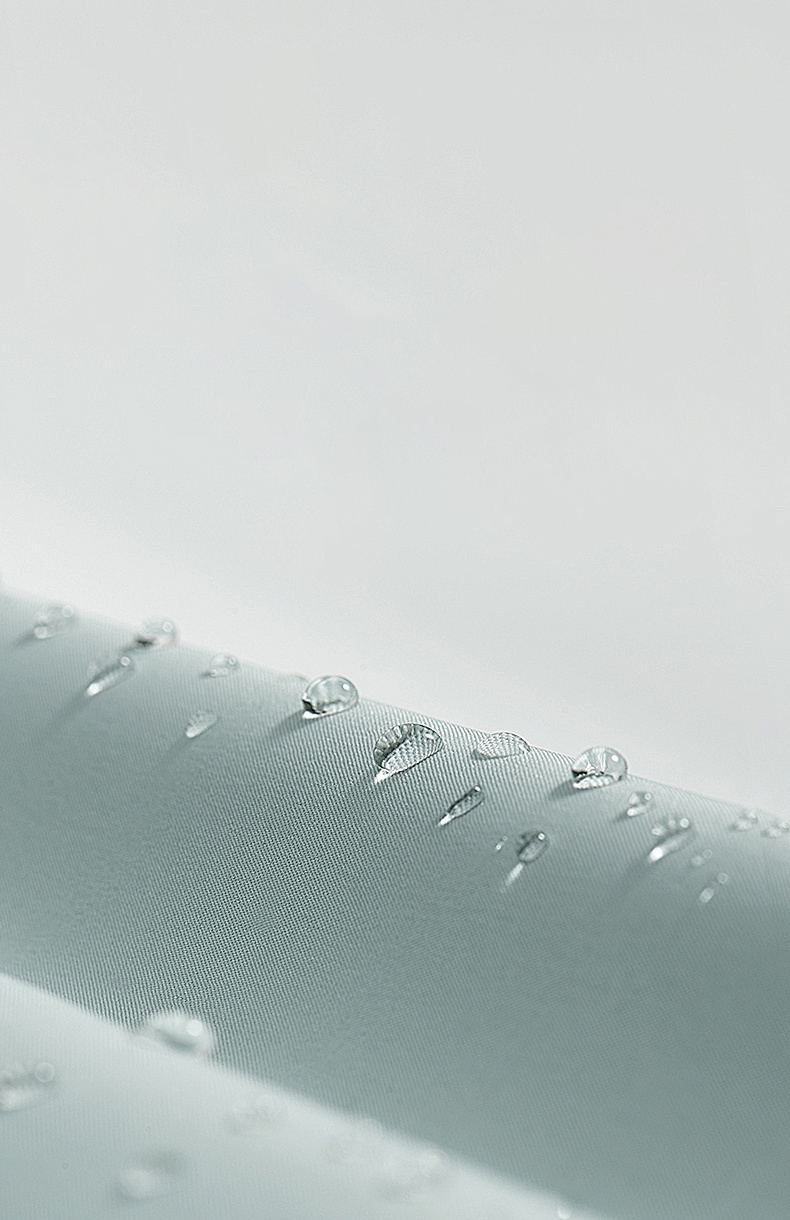
ePTFE membranes are essential across multiple industries due to their diverse applications and significant benefits. Their waterproof and breathable characteristics make them ideal for both protective and functional purposes, contributing to improved efficiency in environments ranging from manufacturing to healthcare. The chemical resistance of ePTFE allows it to endure harsh conditions without degradation, which is important in electronics and industrial filtration. furthermore, the biocompatibility of ePTFE enhances its role in the medical field, supporting advancements in devices that interact safely with biological systems. As sustainability becomes a priority, ePTFE membranes promote environmentally friendly practices by filtering pollutants effectively. The ongoing innovations in this material point out its versatility, ensuring that ePTFE will continue to play a critical role in future developments across various sectors including new energy and consumer products. These factors emphasize the importance of adapting ePTFE technologies to meet evolving market needs while encouraging advancements focused on safety, performance, and environmental responsibility.
Benefits of ePTFE Membranes in Manufacturing
ePTFE membranes bring numerous advantages to the manufacturing sector, enhancing product performance and durability. Their waterproof and breathable properties enable efficient moisture management, which is integral in applications requiring protection against environmental factors. The membranes exhibit remarkable chemical resistance, making them suitable for diverse industrial settings where exposure to corrosive substances is common. also, the low dielectric loss of ePTFE materials allows for high-speed transmission line PTFE wrapping tape to maintain signal integrity in electronic applications. This feature is critical for high-frequency systems and products like DAC high-speed cable wrapping film or AEC high-speed cable wrapping film, ensuring minimal signal degradation.
Moreover, the self-lubricating nature of ePTFE supports smooth operation in machinery, reducing wear and maintenance costs. They also contribute to energy efficiency by minimizing waste during manufacturing processes. Applications such as PTFE Thread Seal Tape guarantee tight seals in plumbing systems, which prevents leaks and enhances system efficiency. The integration of ePTFE technology supports new manufacturing solutions while complying with industry standards for safety and performance. Overall, these membranes stand as a vital component across several sectors within manufacturing due to their versatility and reliable functionality.
important Properties of ePTFE Materials
ePTFE materials possess several important properties that make them ideal for a wide range of applications. One of their most notable attributes is superior chemical resistance, allowing them to withstand harsh environments without degrading. This resistance is complemented by low dielectric loss, making ePTFE suitable for electronic applications where signal fidelity is paramount. furthermore, the self-lubricating nature of ePTFE reduces friction, enhancing performance in mechanical settings. Biocompatibility is another significant advantage, especially in medical applications where materials must interact safely with biological tissues. The microporous structure of ePTFE enables a unique balance of breathability and waterproofing, which is essential in both consumer and industrial products. Its lightweight characteristics improve usability while maintaining structural integrity under various stresses. Each of these properties contributes to the material’s versatility and effectiveness across multiple industries, solidifying its position as a preferred choice in high-performance manufacturing.
ePTFE Membranes in Electronics Applications
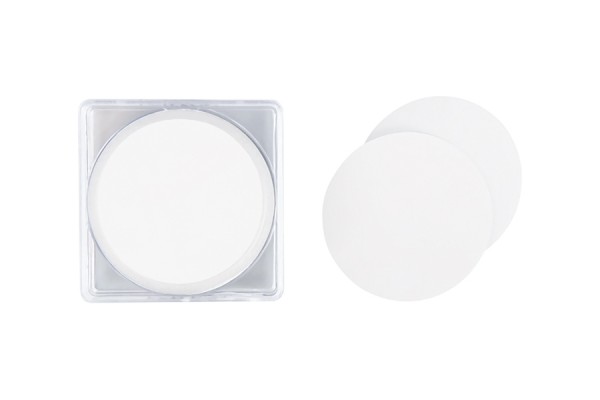
ePTFE membranes play a significant role in the electronics industry due to their unique properties. These membranes are utilized as insulation for high-speed signal cables, such as those used in 5G and 6G technologies. Their low dielectric loss ensures minimal signal degradation, which is essential for maintaining performance in advanced communication systems. Moreover, ePTFE is a filtration membrane in semiconductor manufacturing, helping to remove particulates that could affect product quality.
In addition to these applications, ePTFE’s waterproof and breathable characteristics make it ideal for protecting sensitive electronic components from environmental factors. This includes moisture intrusion and dust accumulation, which can lead to device failure. Furthermore, the microporous structure of ePTFE membranes enables efficient gas transmission while blocking contaminants, adding another layer of reliability in electronic assemblies. Overall, the adoption of ePTFE membranes enhances not just functionality but also extends the lifespan of electronic devices across various applications.
Medical uses of ePTFE Technology
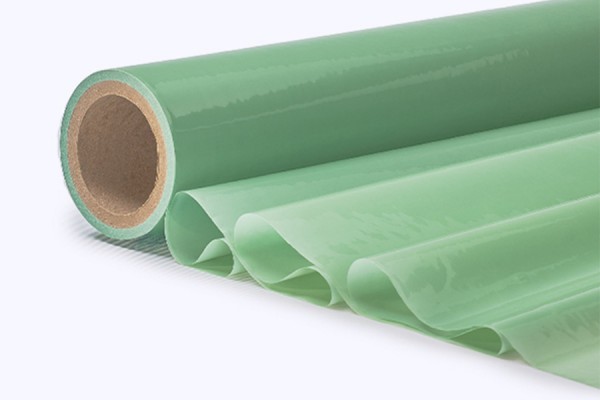
ePTFE technology plays an essential role in the medical field, delivering materials that are both biocompatible and reliable. One significant application is in the development of artificial blood vessels, where ePTFE membranes ensure adequate blood flow while minimizing complications such as thrombosis. also, ePTFE is important for wound dressings due to its breathable yet waterproof properties, promoting healing without allowing moisture buildup that can lead to infection. The use of ePTFE in sterilization filters also enhances safety by ensuring that medical devices are free from contaminants before use. Furthermore, devices such as infusion pumps and fetal monitors utilize ePTFE membranes to maintain functionality under varying pressure levels while allowing gas ventilation. This versatility makes ePTFE technology indispensable for enhancing the performance and reliability of critical medical equipment. As advancements continue in medical science, the potential applications of ePTFE are likely to expand, driving innovations that improve patient care.
Environmental benefits of ePTFE Filtration
ePTFE membranes play a significant role in environmental filtration due to their unique properties, including lightweight structure and resistance to extreme conditions. These membranes facilitate the effective removal of pollutants from air and water, improving overall environmental quality. Their microporous design allows for selective filtration, enabling the passage of gases while trapping harmful particulates and contaminants. This selective permeability makes ePTFE ideal for applications in industrial settings, where air pollution control is a priority. As industries face increasing regulations regarding emissions and waste, implementing ePTFE filtration solutions can lead to reduced environmental impact and compliance with legal standards. furthermore, these membranes contribute to sustainability efforts by promoting the recycling of wastewater through advanced filtration systems. Their durability ensures long-lasting performance, further enhancing operational efficiency in various applications while minimizing downtime caused by maintenance or replacements. Consequently, ePTFE membranes emerge as essential materials in the quest for cleaner air and water, aligning with global sustainability goals.
New energy solutions with ePTFE
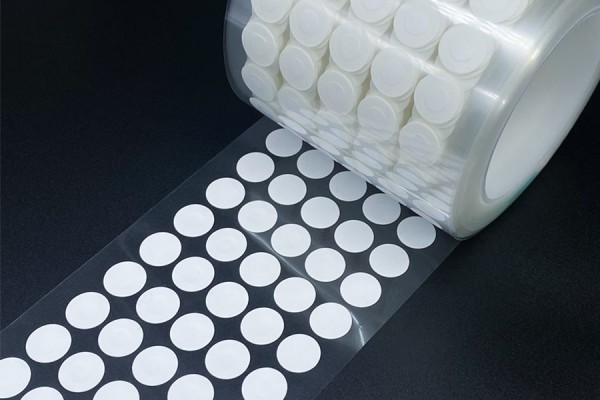
ePTFE membranes are increasingly critical in the new energy sector, particularly in applications involving lithium-ion batteries and fuel cells. In lithium batteries, ePTFE acts as a venting membrane that allows gas release while preventing the entry of moisture and contaminants. This capability significantly enhances battery safety and performance. furthermore, ePTFE’s chemical resistance ensures durability under various conditions, making it ideal for high-stress environments such as electric vehicles and renewable energy systems.
In fuel cells, ePTFE membranes are vital as proton exchange membranes, promoting efficient ionic transport while maintaining essential gas separation. Their microporous structure facilitates the movement of protons while blocking gases like hydrogen or oxygen, which is important for maximizing energy conversion efficiency. Furthermore, the lightweight and flexible nature of ePTFE allows for new designs in energy solutions without compromising performance. As the demand for sustainable energy continues to rise, the versatility of ePTFE positions it as a main player in advancing technologies that support cleaner and more efficient energy sources.
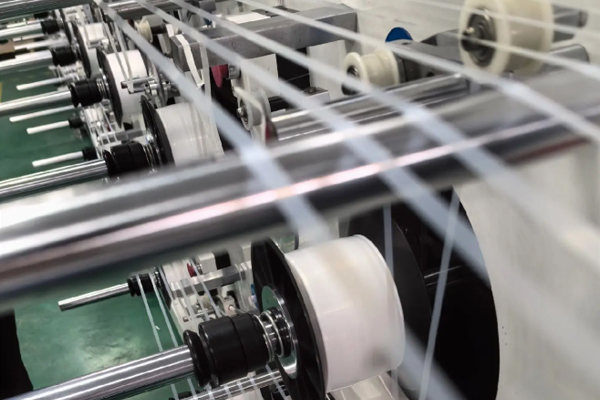
new Applications of ePTFE Products
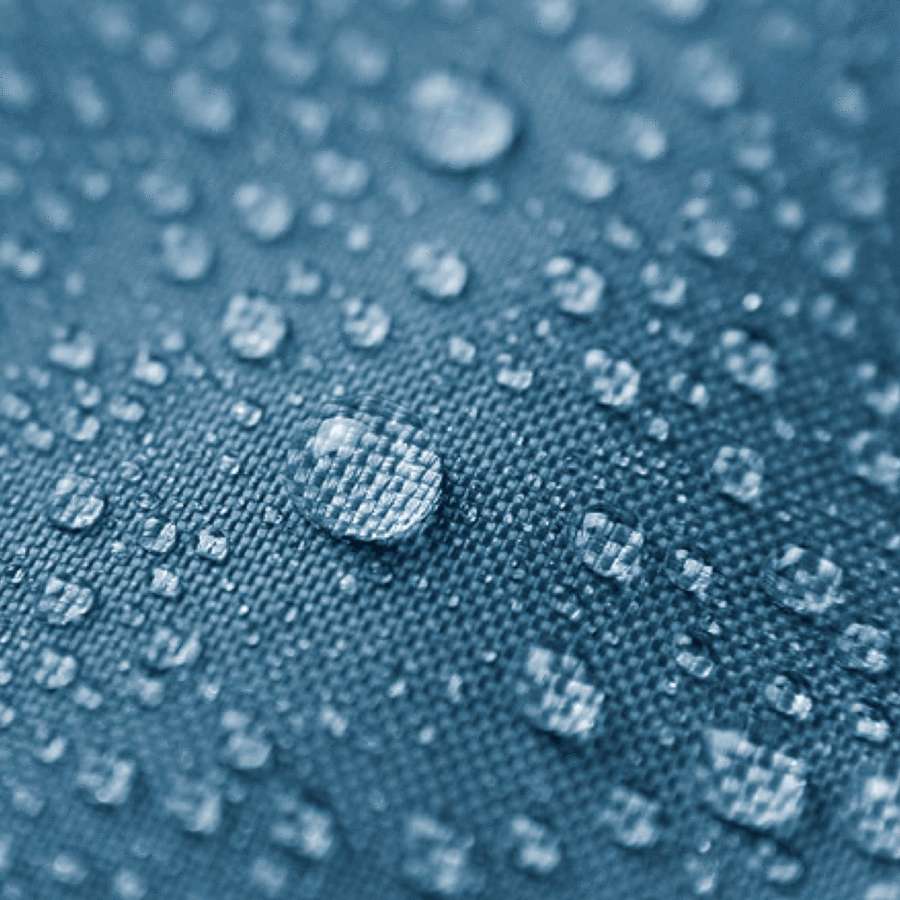
ePTFE membranes are making strides in various new applications beyond traditional uses. In the textile industry, ePTFE is incorporated into high-performance outdoor garments, providing excellent waterproofing while maintaining breathability. This allows for comfortable wear in diverse weather conditions. In the automotive sector, manufacturers utilize ePTFE membranes for seamless integration in exhaust systems, ensuring that gases escape effectively while preventing moisture ingress. Similarly, the aerospace industry leverages these membranes for insulation components that require both lightweight materials and durability under extreme conditions. also, ePTFE products are finding their way into consumer goods like high-end sportswear and specialized footwear, enhancing performance through moisture management. The versatility of ePTFE is evident in its adaptation to meet specific design requirements across various sectors, encouraging innovation and efficiency in product development. This adaptability not only enhances functionality but also improves end-user experience by integrating advanced materials into everyday applications.
Future trends in ePTFE Usage
The usage of ePTFE membranes is evolving rapidly as industries seek more efficient and sustainable materials. As demand for lightweight but durable materials rises, ePTFE’s properties make it appealing for applications in next-generation consumer electronics, like wearables and IoT devices. This trend extends to the automotive sector as manufacturers are increasingly integrating ePTFE in electric vehicles to boost battery performance and energy efficiency. Moreover, in the medical field, innovations are emerging where ePTFE is being adapted for advanced drug delivery systems and smart medical devices, reflecting a shift towards personalized healthcare solutions.
Environmental concerns are also catalyzing developments, with ePTFE being utilized in water treatment systems that prioritize sustainability. The membrane’s ability to filter contaminants while allowing gases to pass is important for renewable energy applications, including hydrogen production. As industries navigate evolving regulations around safety and emissions, the multifunctionality of ePTFE positions it as a main player shaping future advancements across multiple sectors. Finally, research into improving its performance characteristics continues to spur interest and new applications that were previously unfeasible.
Conclusion
the growing adoption of ePTFE membranes across various industries reflects their adaptability and critical functionality. As sectors continue to seek improved materials, ePTFE stands out due to its unique properties such as chemical resistance, breathability, and waterproof characteristics. The increasing emphasis on sustainability in manufacturing and product design drives innovation, encouraging companies to incorporate ePTFE into their solutions. Furthermore, the versatility demonstrated by ePTFE in applications ranging from electronics to medical devices highlights its role in advancing technology. Emerging trends suggest that the utilization of ePTFE will expand further into new areas, ensuring that it remains a vital component in high-performance manufacturing. As industries evolve, the continued exploration of ePTFE membranes promises not only to improve product efficiency but also to contribute positively to environmental efforts and health advancements.
FAQs
What is an ePTFE membrane?
An ePTFE membrane is a versatile material made from expanded polytetrafluoroethylene, known for its unique waterproof and breathable properties.
What industries use ePTFE membranes?
ePTFE membranes are utilized across various industries including electronics, medical, environmental filtration, and new energy sectors.
How do ePTFE membranes contribute to medical applications?
In medical settings, ePTFE membranes are used in devices like wound dressings and artificial blood vessels due to their biocompatibility and ability to manage moisture effectively.
What advantages do ePTFE membranes offer in electronics?
ePTFE membranes provide low dielectric loss, which is important for signal integrity in high-speed cables, making them ideal for advanced electronics like 5G systems.
Can ePTFE membranes aid in environmental protection?
Yes, these membranes facilitate the effective filtration of pollutants from air and water, supporting environmental sustainability initiatives.
Are ePTFE membranes safe for use in consumer products?
ePTFE materials are generally safe and biocompatible, making them suitable for various consumer goods including outdoor clothing and high-performance footwear.
How do ePTFE membranes improve the performance of lithium-ion batteries?
ePTFE membranes act as venting solutions that allow gas release while preventing moisture infiltration, thus improving battery safety and efficiency.
What are some future trends involving ePTFE usage?
Future trends indicate a growing adoption of ePTFE in advanced applications such as smart medical devices and sustainable water treatment systems.
Is ePTFE resistant to chemicals?
Yes, one of the important properties of ePTFE is its exceptional chemical resistance, allowing it to perform reliably in harsh environments.