Enhancing data transmission with PTFE Tape
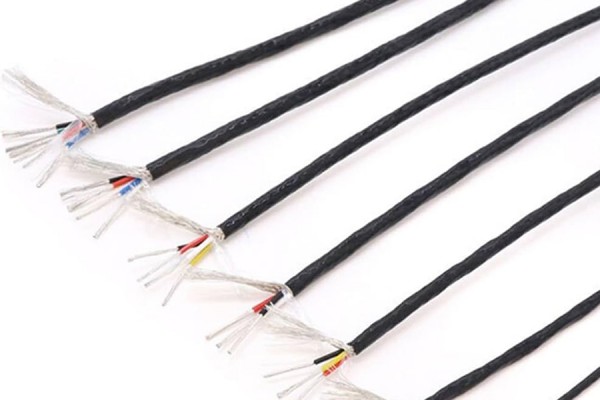
The use of high-speed transmission line PTFE wrapping tape significantly improves data transmission efficiency in various applications. This tape’s low dielectric constant reduces signal delays, allowing for quicker transmission even at high frequencies. Its structure plays a vital role in minimizing capacitive coupling, which often disrupts signal integrity. Moreover, the excellent insulation properties of PTFE wrapping film prevent short circuits and signal leakage, ensuring that data remains intact while traversing the transmission line.
A notable feature of PTFE cable wrapping tape is its ability to perform under extreme temperature conditions. It retains its physical and electrical properties across a wide temperature range, making it suitable for diverse environments. Additionally, the chemical resistance of PTFE thread seal tape and its moisture insensitivity further enhance reliability in high-speed lines. By integrating DAC high-speed cable wrapping film and AEC high-speed cable wrapping film into modern cabling systems, manufacturers can achieve superior performance and longevity in their data transmission solutions.
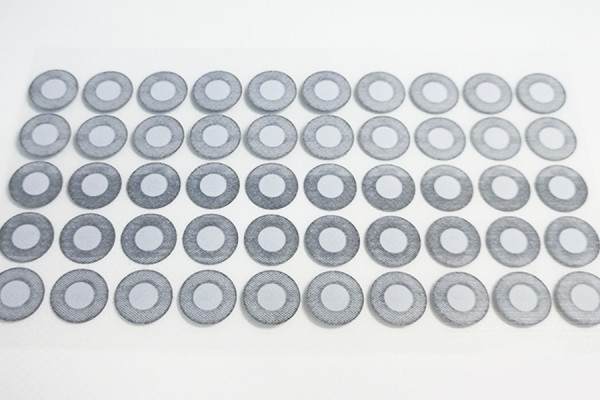
Key benefits of PTFE Wrapping Tape
PTFE wrapping tape offers several significant advantages that enhance the performance of high-speed transmission lines. Its low dielectric constant plays a crucial role in reducing signal delays and minimizing capacitive coupling, which is vital in applications requiring rapid data transfer. Additionally, the exceptional electrical insulation properties of PTFE tape prevent short circuits and signal leakage, ensuring reliable operation. The material’s stability across a wide temperature range makes it suitable for various environmental conditions, while its chemical resistance allows it to withstand exposure to harsh substances without degrading. Furthermore, PTFE’s moisture resistance is crucial for maintaining consistent performance in humid environments, preventing any adverse effects on signal integrity. These beneficial attributes make PTFE wrapping tape a preferred choice in modern cabling systems, particularly where high reliability and efficiency are essential for effective data transmission.
Understanding low dielectric constant in PTFE
The low dielectric constant of PTFE wrapping tape is a key property that significantly benefits high-speed transmission lines. This characteristic minimizes signal transmission delays, allowing for quicker data transfer rates, which is essential in modern communication technologies. A low dielectric constant translates to reduced capacitive coupling, preventing unwanted interference between closely packed conductors. As data rates increase, the need for materials that exhibit minimal signal loss becomes crucial. PTFE’s unique molecular structure contributes to its low dielectric constant, making it a favorable choice for high-frequency applications. Additionally, this property contributes to enhanced overall signal integrity, ensuring that the transmitted information remains clear and uncorrupted as it travels through the cable system. The combination of low dielectric losses and robust insulating capabilities makes PTFE an ideal material for maintaining optimal performance in various communication infrastructures.
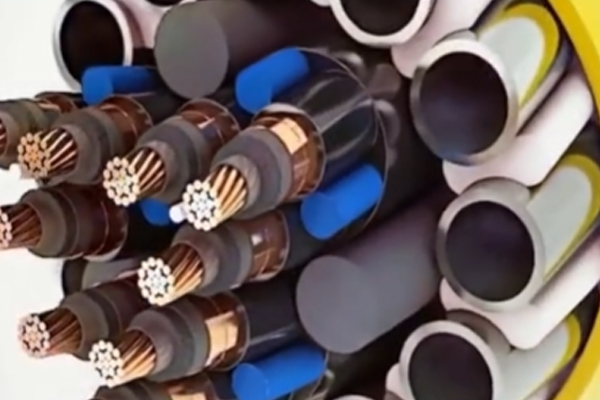
The role of Insulation in Signal Integrity
Insulation plays a key role in maintaining signal integrity within high-speed transmission lines. Effective insulation prevents the unwanted flow of electrical current between components, which can lead to short circuits and signal degradation. PTFE wrapping tape serves as an excellent insulating layer due to its reliable electrical properties. The tape’s low dielectric constant reduces capacitance, which is crucial for high-frequency data transmission as it minimizes delays and maintains clarity in the signals being transmitted. Moreover, proper insulation helps to confine the electromagnetic fields within the transmission medium, preventing interference from external sources. This ensures that the signals remain strong and coherent over longer distances. As data transfer technologies advance, the importance of robust insulation becomes increasingly apparent, contributing to overall system performance and reliability in modern cabling solutions. Thus, the use of PTFE wrapping tape not only enhances insulation but also significantly supports signal integrity across various applications in telecommunications and data networking.
Temperature stability of PTFE Materials
PTFE materials exhibit excellent temperature stability, making them highly suitable for various high-speed transmission line applications. They can maintain their structural integrity and performance across a wide temperature range, from extremely low to high temperatures, often between -200°C and +260°C. This exceptional stability is essential for systems operating in diverse environments, ensuring that signal integrity remains uncompromised even in harsh conditions. As temperature fluctuations occur, PTFE’s unique properties prevent degradation or loss of insulation effectiveness. This characteristic is particularly important in telecommunications and data transmission scenarios, where fluctuations can introduce noise or interference. Consequently, using PTFE wrapping tape helps guarantee reliable and consistent performance of high-frequency cables while promoting longevity and reducing the need for frequent replacements or repairs. The exceptional thermal resilience of PTFE materials positions them as a go-to choice for engineers focused on optimizing high-speed data transmission technologies in challenging operating conditions.
Chemical resistance of PTFE Wrapping Tape
PTFE wrapping tape exhibits remarkable chemical resistance, making it an exceptional choice for high-speed transmission lines exposed to various environments. This material maintains its integrity in the presence of acids, bases, and solvents, which often degrade other insulating materials. When used in applications that involve caustic substances or harsh chemicals, PTFE ensures that the underlying components remain protected from potential damage. This durability prolongs the lifespan of transmission lines and minimizes maintenance needs. Additionally, the inert nature of PTFE prevents reactions with chemicals, thereby safeguarding signal integrity. By effectively resisting corrosion and chemical degradation, PTFE wrapping tape enhances the reliability and overall performance of electrical systems operating under demanding conditions. Its exceptional properties enable consistent data transmission even when exposed to challenging environments, thus supporting the increasing demands for higher-speed communication solutions.
Moisture resistance in High-Speed Lines
Moisture resistance plays an essential role in maintaining the performance of high-speed transmission lines. PTFE wrapping tape is particularly effective in this regard due to its hydrophobic properties. The porous structure of the tape prevents moisture from penetrating, which is vital for ensuring stable electrical performance. In humid environments, traditional materials often struggle with signal integrity as moisture can lead to signal degradation and increased loss. However, PTFE’s effective barrier against moisture helps to mitigate these risks, thereby enhancing overall reliability. Furthermore, its durability contributes to long-lasting applications in challenging conditions, maintaining consistent performance over time. This stability is increasingly important as the demand for high-speed data transmission escalates. By integrating PTFE wrapping tape into cabling systems, engineers can significantly reduce potential failures and improve system durability under various environmental stresses.
Applications of PTFE in Modern Cabling
PTFE wrapping tape plays a vital role in modern cabling systems, particularly in high-performance environments. Its unique properties make it suitable for various applications, including RF coaxial cables, which require excellent signal integrity. The low dielectric constant of PTFE is essential for minimizing signal loss and delays, making it ideal for high-speed data transfer. Additionally, the outstanding electrical insulation properties of PTFE protect against short circuits and signal leakage, thus maintaining the performance of transmission lines.
PTFE is also highly valued in microwave communication systems due to its ability to perform reliably under extreme temperature conditions. The chemical resistance of PTFE ensures that it can withstand exposure to various solvents and environmental factors without degrading, contributing to longer-lasting cabling solutions. In sectors where moisture exposure is prevalent, such as outdoor or industrial settings, the moisture-resistant characteristics of PTFE wrap ensure stable performance by preventing water ingress. As technology evolves and demand for efficient data transmission increases, the adoption of PTFE wrapping tape continues to grow across multiple applications in cabling systems.
Conclusion
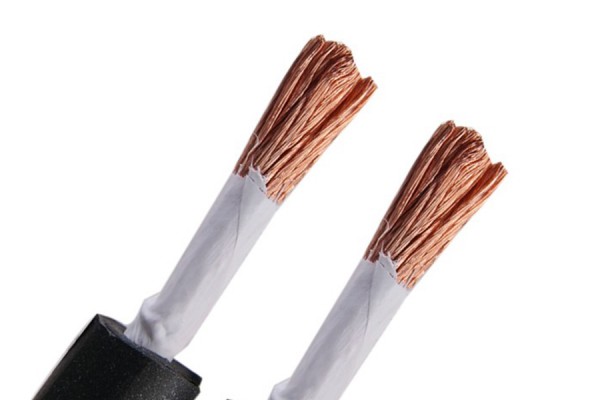
the integration of PTFE wrapping tape in high-speed transmission lines offers substantial improvements in signal integrity and overall performance. Its low dielectric constant allows for faster signal transmission with minimal delays, addressing the demands of modern communication technologies. The insulation properties of PTFE not only prevent unwanted electrical interference but also enhance durability by protecting against environmental factors such as moisture and chemicals. Furthermore, PTFE’s temperature stability ensures that it maintains its functional integrity across a wide range of conditions, making it reliable for various applications. Overall, as data transmission needs continue to grow, the adoption of PTFE wrapping tape becomes increasingly vital for ensuring efficiency and reliability in high-speed cabling systems.
FAQs
What is PTFE wrapping tape used for in high-speed transmission lines?
PTFE wrapping tape is used to enhance signal integrity in high-speed transmission lines by providing excellent insulation and reducing signal delays due to its low dielectric constant.
How does PTFE tape improve signal integrity?
PTFE tape improves signal integrity by minimizing capacitive coupling and preventing unwanted electrical interference, which can degrade the quality of data transmission.
Is PTFE wrapping tape suitable for extreme temperatures?
Yes, PTFE wrapping tape can withstand a wide temperature range, maintaining its performance and structural integrity from -200°C to +260°C, making it ideal for diverse environments.
What are the chemical resistance properties of PTFE wrapping tape?
PTFE wrapping tape exhibits strong chemical resistance, allowing it to remain unaffected in the presence of acids, bases, and solvents, thus protecting transmission lines from degradation.
How does moisture resistance benefit high-speed transmission lines?
Moisture resistance helps maintain stable electrical performance in high-speed transmission lines by preventing moisture ingress, which can cause signal degradation in humid conditions.
Can PTFE wrapping tape be used in outdoor applications?
Yes, due to its moisture-resistant properties and chemical durability, PTFE wrapping tape is suitable for outdoor applications where exposure to harsh environmental conditions is common.
What advantages does a low dielectric constant offer for data transmission?
A low dielectric constant reduces signal delays and minimizes energy loss during data transmission, leading to faster data transfer rates crucial for modern communication technologies.
Is PTFE environmentally friendly?
While PTFE itself is chemically stable and does not degrade easily, it is important to consider proper disposal methods and recycling practices due to its non-biodegradable nature.
How does PTFE compare with other insulating materials?
PTFE outperforms many other insulating materials with respect to temperature stability, chemical resistance, moisture barriers, and maintaining signal integrity at high frequencies.