Key takeaways
PTFE high-speed cable film plays a crucial role in optimizing electronic applications. Its unique properties, such as low dielectric constant and excellent thermal stability, reduce signal loss and improve overall performance in high-frequency communication systems. The film enhances insulation, protecting against signal leakage and maintaining integrity even under challenging conditions. Moreover, its resistance to various environmental factors contributes to the durability and longevity of cables used in diverse settings. As electronics become more sophisticated, the need for reliable materials like PTFE becomes increasingly important. The ability of PTFE cable film to withstand temperature fluctuations and chemical exposure positions it as a preferred option across sectors like telecommunications, aerospace, and medical devices. By investing in PTFE technology, manufacturers can better meet modern demands while anticipating future developments in cable technology that focus on efficiency and sustainability. In essence, PTFE high-speed cable film not only addresses current challenges but also prepares the way for advancements in electronic components.
Advantages of PTFE Cable Film
PTFE cable film offers several important benefits that enhance electronic applications. One significant advantage is its ability to reduce signal loss in high-speed transmission lines. By minimizing dielectric constant, PTFE wrapping film ensures that signals retain their integrity over long distances. Additionally, its excellent electrical insulation properties prevent short circuits and signal leakage, thereby bolstering the reliability of electronic devices. The chemical inertness of PTFE also contributes to a longer lifespan for cables, as it withstands various environmental factors without degrading. This material functions effectively in high-frequency communications, making it suitable for advanced technologies such as AI servers and high-speed data cables. The durability of PTFE cable wrapping tape under extreme temperatures further underlines its versatility, catering to a wide range of applications from commercial aerospace to emerging 6G technology. Overall, the incorporation of PTFE cable roll coating into designs not only enhances performance but also meets the rigorous demands of contemporary electronic environments.
Reducing signal loss with PTFE
PTFE high-speed cable film helps reduce signal loss in electronic communication systems because of its low dielectric constant and low dielectric loss. These properties limit the energy absorbed by the insulating material as electrical signals travel through a cable. This is particularly important at high frequencies, where even small losses can affect signal quality and transmission efficiency.
PTFE also supports stable electrical performance across a wide range of operating temperatures. Its properties help maintain consistent signal transmission when temperature and frequency conditions change. In high-speed data cables, suitable PTFE film can reduce signal attenuation and help preserve signal integrity over the cable’s length. The actual results depend on film thickness, cable structure, conductor design, and operating frequency.
Engineers select PTFE high-speed cable film for applications such as RF coaxial cables, microwave communication systems, and high-speed data links. Careful material selection and cable design can reduce transmission losses and support reliable data transfer in modern electronic equipment.
Improving insulation in Electronics
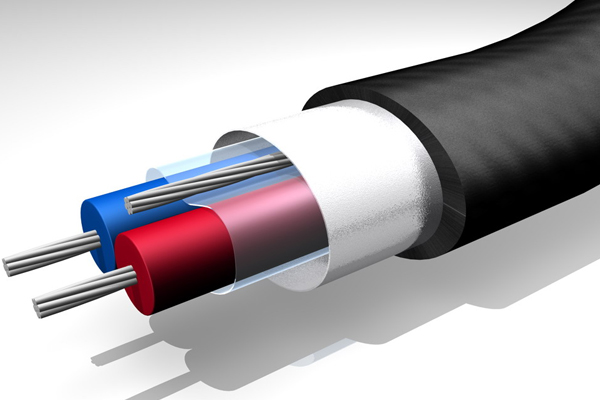
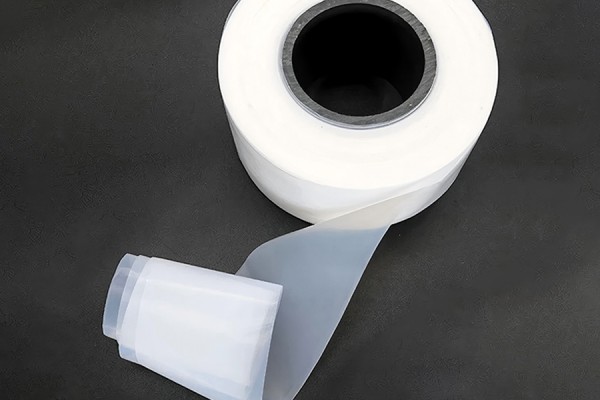
PTFE high-speed cable film significantly improves insulation in electronic applications. Its exceptional dielectric properties ensure minimal signal leakage, which is crucial for maintaining signal integrity. This film provides reliable insulation that protects against electrical shorts and enhances overall circuit performance. The inherent chemical resistance of PTFE ensures that the insulation remains effective even in harsh environmental conditions, including exposure to moisture and various chemicals. This characteristic is vital for electronics used in outdoor or industrial settings where cables may face extreme conditions. Additionally, the low dielectric constant of PTFE minimizes capacitive coupling between wires, further safeguarding sensitive signals from interference. By utilizing PTFE cable film, manufacturers can optimize the reliability and longevity of electronic devices, thus meeting the evolving demands of high-frequency communications in modern technology environments. The balance of durability and performance offered by PTFE makes it a preferred choice among engineers seeking to innovate within the electronics sector.
High-Frequency Communication Solutions
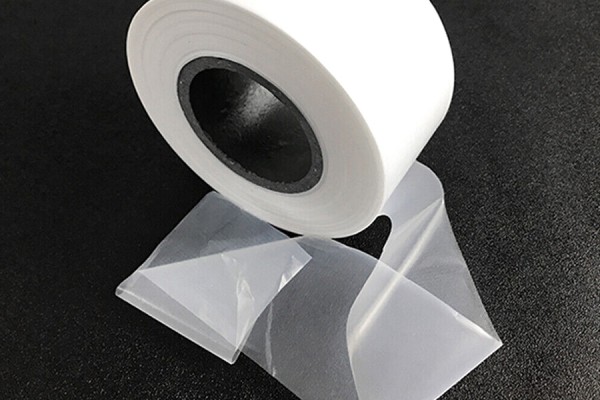
PTFE high-speed cable film is essential for effective high-frequency communication systems. Its low dielectric constant minimizes signal loss, allowing for clearer and more efficient data transmission. This characteristic is particularly vital in applications such as telecommunications and data centers, where rapid transfer rates are crucial. The robust electrical insulation provided by PTFE further enhances performance, reducing risks of interference and maintaining signal integrity under varying conditions.
Additionally, the thermal stability of PTFE allows these cables to operate effectively in extreme temperatures, supporting a wide range of technological environments. As the demand for quicker and more reliable communication expands, innovations in PTFE materials continue to advance solutions for next-generation communication technologies.
"Incorporating PTFE films can significantly improve operational efficiency in high-frequency applications."
Enhancing performance in Modern Tech
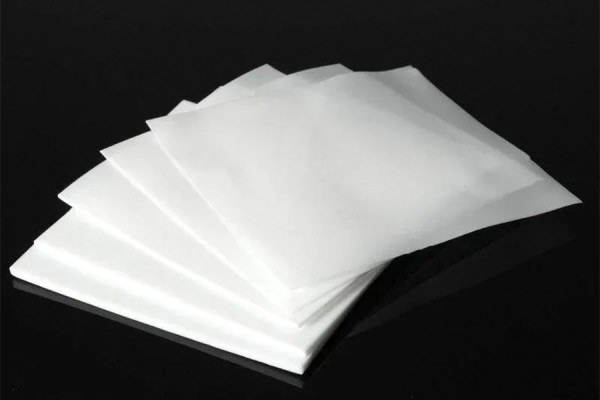
PTFE high-speed cable film significantly improves the performance of modern electronic devices across various applications. Its low dielectric loss minimizes signal degradation, which is crucial for maintaining data integrity in high-frequency communications. As electronic systems become increasingly interconnected and data-intensive, the need for efficient signal transfer grows. PTFE’s excellent electrical insulation properties ensure that signal interference is reduced, allowing devices to operate more reliably under demanding conditions. Additionally, this material remains effective over a wide temperature range, supporting consistent performance in environments that experience temperature fluctuations. The stability provided by PTFE films supports advancements in critical technologies like AI and 5G, where rapid data transmission is essential for functionality. Utilizing PTFE in cable solutions enables manufacturers to meet the escalating requirements of modern tech while also contributing to system longevity and reducing maintenance costs. Thus, integrating PTFE high-speed cable film into electronic applications represents a strategic approach to enhance performance in an ever-evolving technological landscape.
Applications of PTFE in Cables
PTFE high-speed cable film has diverse applications in various sectors, particularly where high-frequency communication is essential. In telecommunications, it plays a vital role by minimizing signal loss and ensuring clarity in data transmission. This film is also utilized in aerospace technology, where its resistance to extreme temperatures and chemical environments enhances the reliability of communication systems. In medical devices, PTFE cable wraps improve the performance of sensors and imaging equipment, ensuring precise data transfer and maintaining operational integrity. Furthermore, PTFE’s excellent electrical insulation properties make it suitable for automotive applications, particularly in advanced safety systems that rely on real time data. The adaptability of PTFE cables extends to industrial automation, where they support robust network connections for machinery control. As technology continues to evolve, the demand for innovative solutions using PTFE in cables will likely expand across emerging fields such as robotics and smart electronics.
Meeting demands of Advanced Electronics
The demands for advanced electronics have escalated as technology continues to evolve. PTFE high-speed cable film plays a vital role in meeting these expectations by providing superior performance characteristics. Its low dielectric constant minimizes signal loss, which is critical for high-frequency applications. As devices become faster and more integrated, the need for effective insulation is paramount. PTFE film offers excellent electrical insulation, ensuring that signal integrity is maintained even in challenging environments. Additionally, its chemical inertness and temperature resistance allow it to function reliably across a broad range of conditions encountered in modern electronic systems.
Furthermore, as industries move toward smaller components with higher performance requirements, the lightweight nature of PTFE films becomes advantageous, helping to reduce overall system size without sacrificing effectiveness. This adaptability positions PTFE film as a preferred choice in sectors such as telecommunications, computing, and aerospace. The material not only meets current demands but also anticipates future innovations that require advanced solutions to manage increasingly complex electrical systems while ensuring efficient data transmission.
Future trends in Cable Technology
As communication demands continue to evolve, the future of cable technology will increasingly focus on the integration of advanced materials like PTFE high-speed cable film. This film is poised to address challenges in signal integrity and insulation, crucial for the next generation of high-frequency applications. The trend towards miniaturization in electronics will require cables that not only maintain performance but also support smaller designs without compromising quality. Innovations such as improved manufacturing processes and smart materials are expected to enhance cable flexibility and durability, promoting better performance in dynamic environments. Meanwhile, the rise of wireless technology will not eliminate cables but will shift their applications towards hybrid systems that marry wired and wireless solutions for optimal performance. Additionally, developments in sustainability will drive a demand for materials that are both efficient and environmentally friendly, which could lead to the creation of new eco-friendly variants of PTFE films. Thus, staying attuned to these trends is vital for manufacturers aiming to remain competitive in a rapidly changing technological landscape.
Conclusion
the integration of PTFE high-speed cable film in electronic applications underscores its significance in enhancing overall performance. This material addresses critical challenges that modern technology faces, particularly concerning signal integrity and insulation efficiency. By minimizing signal loss and providing robust electrical insulation, PTFE helps maintain clarity and reliability in high-frequency communication systems. Its durability under varying environmental conditions ensures a longer lifespan for cables, making it an ideal choice for advanced electronics. As the demand for faster data transfer continues to grow, PTFE cable films will play a vital role in future innovations within telecommunications, aerospace, and other high-tech industries. The ongoing evolution of cable technology will likely see a deeper reliance on PTFE materials to meet the complex needs of next-generation systems, promoting improved efficiency and performance across various applications.
FAQs
What is PTFE high-speed cable film?
PTFE high-speed cable film is an insulating material used in electrical cables to enhance performance by minimizing signal loss and providing excellent electrical insulation.
How does PTFE film reduce signal loss?
PTFE film reduces signal loss due to its low dielectric constant, which limits the energy absorbed by the material during signal transmission, ensuring clearer data transfer.
What are the advantages of using PTFE in electronics?
Using PTFE in electronics improves insulation, maintains signal integrity, resists extreme temperatures, and extends the lifespan of cables.
In which applications is PTFE high-speed cable film commonly used?
PTFE high-speed cable film is commonly used in telecommunications, aerospace, medical devices, and industrial automation where high-frequency communication is essential.
What future trends are emerging for cable technology using PTFE?
Future trends include advancements in manufacturing processes to create more flexible and durable cables while integrating eco-friendly variants of PTFE to meet sustainability demands.