Key takeaways
PTFE raw material tape plays an essential role in modern manufacturing processes due to its unique properties, including chemical resistance, high-temperature stability, and low friction. These characteristics make it suitable for various applications in industries such as automotive, aerospace, and food processing. By choosing the right type of PTFE tape, manufacturers can significantly improve the reliability and efficiency of their production processes. Additionally, ongoing innovations in PTFE material technology promise to enhance its performance further, allowing for new applications that require advanced materials. It is important for industry stakeholders to stay informed about these developments to leverage the benefits of PTFE tape effectively. As trends evolve, understanding how to utilize these materials can lead to better operational outcomes and a competitive edge in the manufacturing landscape.
The benefits of PTFE Raw Material Tape
PTFE raw material tape offers a range of advantages that make it a vital component in modern manufacturing processes. Its low dielectric loss allows for efficient high-speed transmission, making it suitable for applications involving high speed transmission line PTFE wrapping tape. Additionally, the tape’s stable dielectric constants ensure consistent performance even under varying conditions. The versatility of PTFE wrapping film is evident in its application across diverse industries, from telecommunications to electronics, where high-speed data transfer is essential.
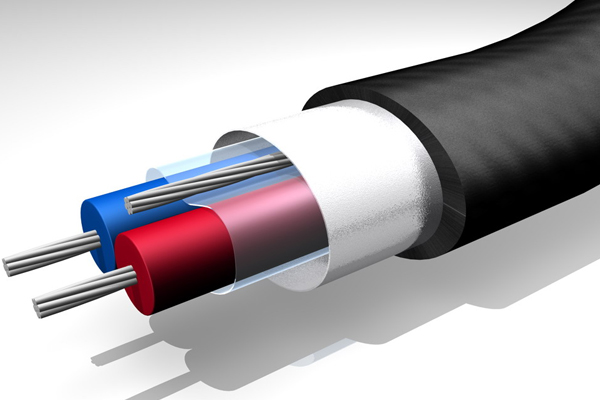
Furthermore, PTFE Thread Seal Tape is known for its exceptional sealing abilities, preventing leaks and ensuring durability in piping systems. PTFE cable wrapping tape provides robust insulation for cables used in high-frequency applications, enhancing signal quality and performance. Products such as DAC high-speed cable wrapping film and AEC high-speed cable wrapping film leverage the unique properties of PTFE to improve resilience against environmental factors, thereby extending the lifespan of critical components.
The choice of PTFE cable roll coating also plays a significant role in preventing friction and wear on surfaces that encounter constant movement or pressure. As industrial demands grow and change, the usefulness of high speed and high-frequency cable wrapping film becomes increasingly evident in maintaining efficiency while promoting safety in manufacturing environments.
Applications of PTFE in Manufacturing
PTFE raw material tape finds extensive use in various manufacturing sectors due to its unique properties. It is commonly employed in the production of insulating materials for electrical components, where its high dielectric strength is essential. This makes PTFE ideal for coatings and insulations in electronic devices, ensuring efficient performance and reliability. Moreover, PTFE tape is used in fluid handling systems, where it serves as a lining for pipes and fittings due to its chemical resistance and low friction characteristics. In the aerospace industry, PTFE plays a critical role in sealing applications, providing reliable barriers against leaks while withstanding harsh environmental conditions. Additionally, the automotive sector benefits from using PTFE as a lubricant and sealing component, supporting high-performance requirements.
"The versatility of PTFE raw material tape makes it indispensable across industries."
These applications highlight the functionality and indispensable nature of PTFE tape, showcasing its contributions to manufacturing efficiency and product durability.
Enhancing performance with PTFE Tape
PTFE tape significantly improves the performance of various manufacturing processes. Its low friction properties reduce wear and tear on equipment, extending machinery life and decreasing downtime. The tape’s excellent thermal stability ensures reliable operation across a wide temperature range, making it ideal for demanding environments. Additionally, PTFE tape exhibits outstanding chemical resistance, which protects components from corrosive substances in industrial applications. This durability not only enhances the effectiveness of machinery but also contributes to the safety of operations. In applications where high-frequency signals are present, PTFE tape minimizes dielectric loss, ensuring efficient energy transmission. Overall, using PTFE tape leads to smoother operations, increases in efficiency, and reductions in maintenance costs across manufacturing processes.
PTFE Tape in Industrial Processes
PTFE raw material tape plays a significant role in various industrial processes due to its unique properties. Its non-stick surface greatly reduces friction, allowing for smoother machinery operations and minimizing wear on components. This property is particularly beneficial in manufacturing settings where high-speed production and precise movements are crucial. The tape’s excellent chemical resistance ensures durability in harsh environments, making it ideal for use in sealing gaskets, pipe fittings, and other critical applications.
In industries such as chemical processing and food production, PTFE tape provides reliable insulation and protection against contaminants. Its thermal stability helps maintain performance even under extreme temperatures, which is essential for machinery operating in intense heat or cold. Additionally, PTFE tape’s insulating properties improve energy efficiency by reducing heat loss during production processes.
Moreover, as manufacturing technologies evolve towards automation and higher precision requirements, the adaptability of PTFE raw material tape allows for customization to meet specific industrial needs. This versatility makes PTFE a crucial component in modern manufacturing, enhancing efficiency and product quality across various sectors.
The importance of PTFE in Production
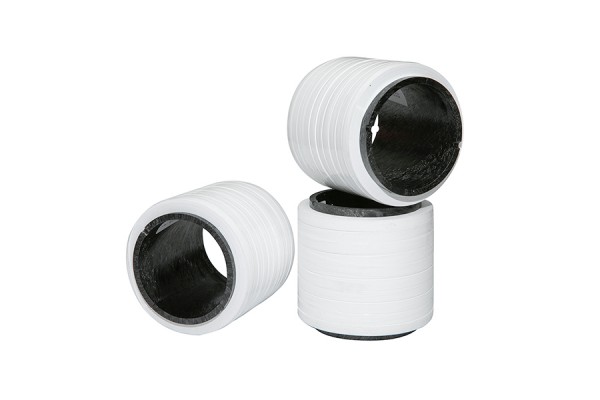
PTFE plays a vital role in various manufacturing processes due to its unique properties. Its resistance to chemicals, high temperatures, and electrical insulation capabilities make it a preferred choice in sectors such as electronics, automotive, and aerospace. The material’s non-stick characteristics are particularly beneficial in applications requiring smooth operation and easy maintenance. Additionally, PTFE’s durability contributes to extended equipment life and reduced downtime, enhancing overall production efficiency. The ability to customize PTFE formulations allows manufacturers to tailor specific attributes for enhanced performance in diverse environments. This adaptability is crucial for meeting the varying demands of modern production lines where precision and reliability are paramount. Therefore, the utilization of PTFE not only improves product quality but also supports sustainable manufacturing practices by minimizing waste and energy consumption.
Choosing the Right PTFE Tape
Selecting the appropriate PTFE raw material tape requires careful consideration of several factors. First, assess the specific application and operating environment. Different industries may demand varying properties such as temperature resistance, chemical compatibility, and dielectric performance. Next, evaluate the thickness and width of the tape to ensure it properly fits the intended use, as these dimensions can significantly influence both functionality and effectiveness. Additionally, consider any unique features, such as adhesive backing or conformability, which can enhance ease of application in complex settings. Manufacturers often provide data sheets that outline performance characteristics; reviewing these documents can help make an informed choice. It is also essential to account for regulatory standards relevant to your industry to ensure compliance in both safety and performance. By systematically addressing these considerations, users can choose a PTFE tape that meets their specific needs while optimizing overall manufacturing processes.
Innovations in PTFE Material Technology
Recent advancements in PTFE material technology have significantly impacted its performance and application across various industries. Research into modified PTFE formulations has led to materials that exhibit lower dielectric loss and improved thermal stability. This evolution allows for more efficient signal transmission, making PTFE increasingly valuable in high-frequency and high-speed applications. Innovations such as expanded PTFE (ePTFE) have emerged, featuring a microporous structure that enhances flexibility while maintaining its exceptional chemical resistance. Additionally, the development of custom formulations tailored to specific industrial needs provides manufacturers with versatile options for diverse applications. These innovations contribute to the creation of lightweight yet durable components, crucial for sectors like aerospace and telecommunications. The ongoing collaboration between material scientists and manufacturers ensures that PTFE continues to adapt, meeting contemporary demands while remaining integral to modern manufacturing processes.
Future trends for PTFE Raw Materials
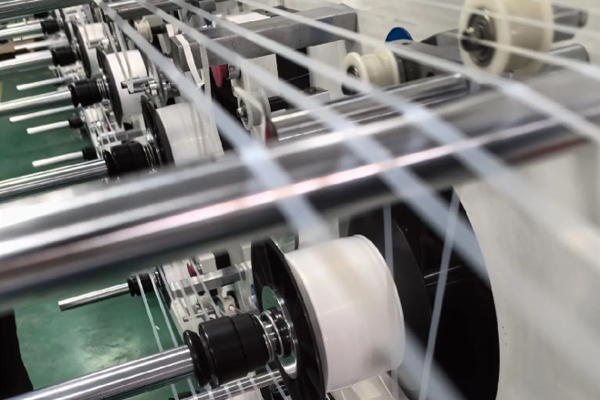
The future of PTFE raw materials is heavily influenced by advancements in manufacturing techniques and increasing environmental consciousness. Innovations in material formulations are likely to focus on enhancing performance while minimizing the ecological footprint of production processes. Researchers are investigating the integration of greener alternatives to traditional PTFE, which may reduce emissions and waste in manufacturing. Additionally, as industries push towards high-speed and high-frequency applications, the demand for highly customized PTFE solutions will rise, prompting new developments in its composition and properties. Collaborations between manufacturers and technology companies may also emerge, leading to smart manufacturing solutions utilizing PTFE in advanced applications such as aerospace and telecommunications. This evolving landscape suggests that PTFE raw materials will continue to be pivotal in meeting the growing needs of various sectors while addressing sustainability challenges that influence future production practices.
Conclusion
the role of PTFE raw material tape in modern manufacturing is undeniably significant. Its unique characteristics, such as chemical resistance and durability, make it an indispensable asset across various industries. The benefits of using PTFE tape include enhanced production efficiency and reduced downtime, as it provides reliable sealing and insulation solutions. As manufacturing processes continue to evolve, the demand for advanced materials like PTFE is expected to grow. Innovations in PTFE technology promise to improve its functionality and applications further, ensuring it remains integral to production strategies. Choosing the appropriate PTFE tape for specific manufacturing needs will ultimately contribute to better performance and increased operational effectiveness. Therefore, embracing PTFE raw material tape not only addresses current challenges in production but also positions companies for future advancements in the manufacturing landscape.
FAQs
What is PTFE raw material tape?
PTFE raw material tape is a type of tape made from polytetrafluoroethylene, known for its excellent chemical resistance and non-stick properties.
What are the main benefits of using PTFE tape in manufacturing?
PTFE tape provides a strong seal, reduces friction, and withstands extreme temperatures, which improves the efficiency and reliability of manufacturing processes.
In which industries is PTFE raw material tape commonly used?
PTFE tape is commonly used in industries such as plumbing, automotive, aerospace, and chemical processing due to its durability and resistance to various substances.
How does PTFE tape enhance performance in production processes?
PTFE tape enhances performance by preventing leaks, reducing wear on machinery parts, and providing thermal insulation in high-temperature applications.
What should I consider when choosing PTFE tape for a specific application?
When selecting PTFE tape, consider factors such as thickness, width, temperature range, and chemical compatibility to ensure it meets the specific needs of your application.
Are there any innovations in PTFE material technology?
Recent innovations include enhanced formulations that improve the strength and flexibility of PTFE tapes while maintaining their key properties for diverse applications.
What future trends can we expect for PTFE raw materials?
Future trends may include the development of more sustainable production methods and advanced applications in emerging technologies such as renewable energy systems.