Key takeaways
PTFE membranes serve a range of industrial and technological applications, including filtration, chemical processing, cable insulation, and high-performance electronic systems. Their resistance to many chemicals, thermal stability, and low-friction surfaces help maintain reliable operation under demanding conditions. In filtration systems, controlled porosity supports the separation of particles from gases or liquids, while PTFE-based materials provide electrical insulation in high-frequency cable applications. These properties can reduce maintenance requirements and extend component service life when the material is suited to the operating environment. However, performance depends on membrane structure, thickness, pore size, temperature, pressure, and chemical exposure. Engineers must assess these factors before selecting a ptfe membrana for a specific application. PTFE membranes also support developments in energy systems and advanced electronics, where material stability and consistent performance are important. Careful selection, correct installation, and regular inspection help maintain efficiency and control operating costs over time.
Applications of PTFE Membranes in Industry
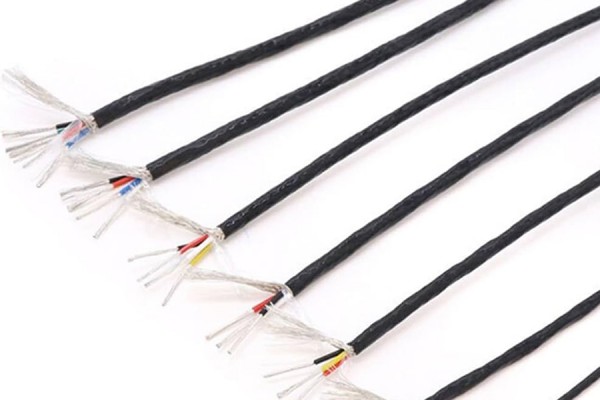
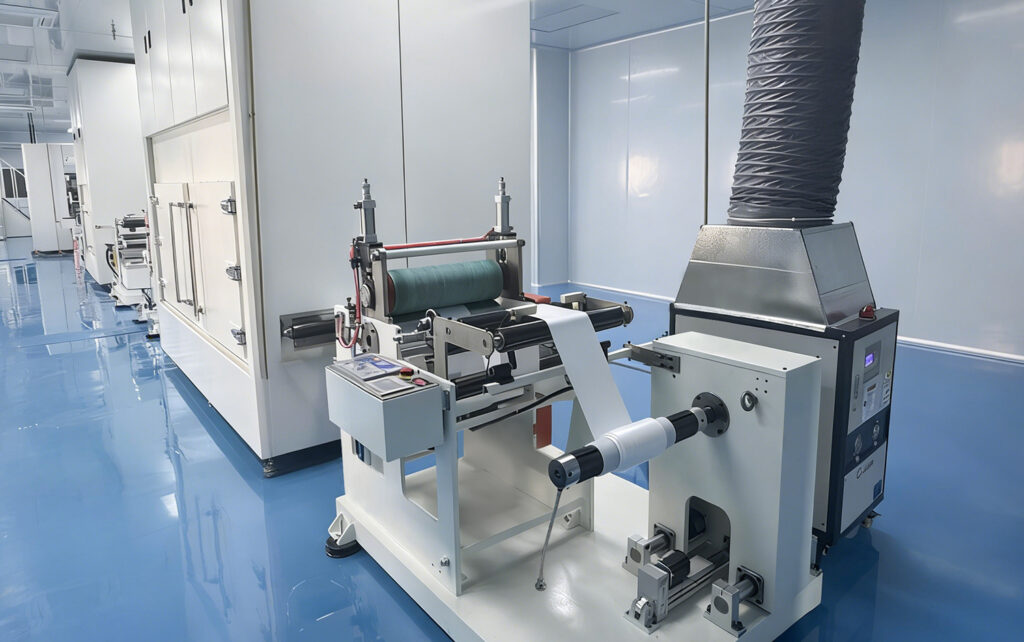
PTFE membranes are used in industrial filtration, chemical processing, sealing, and cable manufacturing because they offer chemical resistance, low friction, and stable performance under demanding conditions. In chemical equipment, these membranes can help separate particles, control gas or liquid flow, and protect components exposed to corrosive substances. Their porous structure supports filtration while maintaining suitable permeability for specific applications. In cable manufacturing, PTFE films provide electrical insulation and help reduce signal interference in high-frequency transmission systems. Products such as High speed transmission line PTFE wrapping tape, PTFE wrapping film, and PTFE cable wrapping tape are used in cable insulation and wrapping processes. PTFE Thread Seal Tape helps seal threaded pipe connections and reduce leakage. Specialized materials, including DAC high-speed cable wrapping film, AEC high-speed cable wrapping film, AOC high-speed cable wrapping film, and ACC high-speed cable wrapping film, serve different high-speed interconnect designs. PTFE cable roll coating and High speed and high-frequency cable wrapping film also support cable production where insulation consistency and transmission performance matter. Material selection depends on operating temperature, mechanical stress, dielectric requirements, and the intended industrial environment.
Benefits of PTFE Membranes in Technology
PTFE membranes offer numerous advantages in technological applications, particularly due to their inherent properties. Their chemical resistance ensures that they can perform effectively in various environments, protecting critical components from corrosive substances. This resilience is essential for systems that require reliability, such as in semiconductor manufacturing and chemical processing industries. The durability of PTFE membranes also stands out; they maintain integrity over extended periods and under extreme conditions, reducing the need for frequent replacements and downtime. Furthermore, these membranes contribute to improved energy efficiency by minimizing energy losses during processes, which is highly valued in energy-sensitive operations like fuel cells and batteries. The versatility of PTFE membranes allows for innovative uses across industries, enhancing processes from filtration in healthcare to performance enhancement in high-frequency circuitry. Their contributions not only streamline operations but also promote sustainability by reducing waste and resource consumption in technology-driven environments.
Chemical resistance of PTFE Membranes
PTFE membranes offer strong resistance to many chemicals, including acids, bases, and organic solvents. This property makes them suitable for industrial systems that handle corrosive liquids, chemical vapors, and reactive substances. Their low chemical reactivity helps prevent material degradation and reduces the risk of contamination during processing. As a result, ptfe membrana products are used in chemical filtration, gas separation, and protective applications where material stability is important.
PTFE membranes also perform well in environments where chemical exposure occurs alongside elevated temperatures. Their resistance to many aggressive substances can help extend service life and reduce maintenance needs. However, compatibility depends on the specific chemical, its concentration, operating temperature, and exposure conditions. Strong chemical resistance does not eliminate the need to assess each application carefully. Engineers should evaluate these factors when selecting a membrane for pipelines, filtration equipment, or other high-performance systems. Proper material selection helps maintain reliable operation, limit unexpected replacement costs, and support consistent process efficiency.
Durability of PTFE Membrane Solutions
PTFE membrane solutions offer good durability in industrial and technological applications because of their chemical stability, heat resistance, and low friction. These properties help membranes maintain their structure and function under demanding operating conditions. PTFE membranes can resist many acids, bases, solvents, and corrosive substances, making them suitable for filtration systems and equipment exposed to aggressive chemicals. Their resistance to thermal degradation also supports use in processes involving elevated temperatures, provided that operating conditions remain within the material’s limits.
Durability depends on membrane structure, thickness, porosity, and the surrounding environment. Continuous pressure, mechanical stress, repeated temperature changes, and exposure to certain chemicals can affect long term performance. In applications that require consistent filtration or gas separation, selecting the appropriate membrane grade and installation method helps reduce premature damage. Regular inspection can identify clogging, deformation, or surface deterioration before these problems affect system performance. The low-friction surface of PTFE can also reduce material buildup in some applications, which may simplify maintenance and support longer service intervals.
Efficiency enhancements with PTFE Membranes
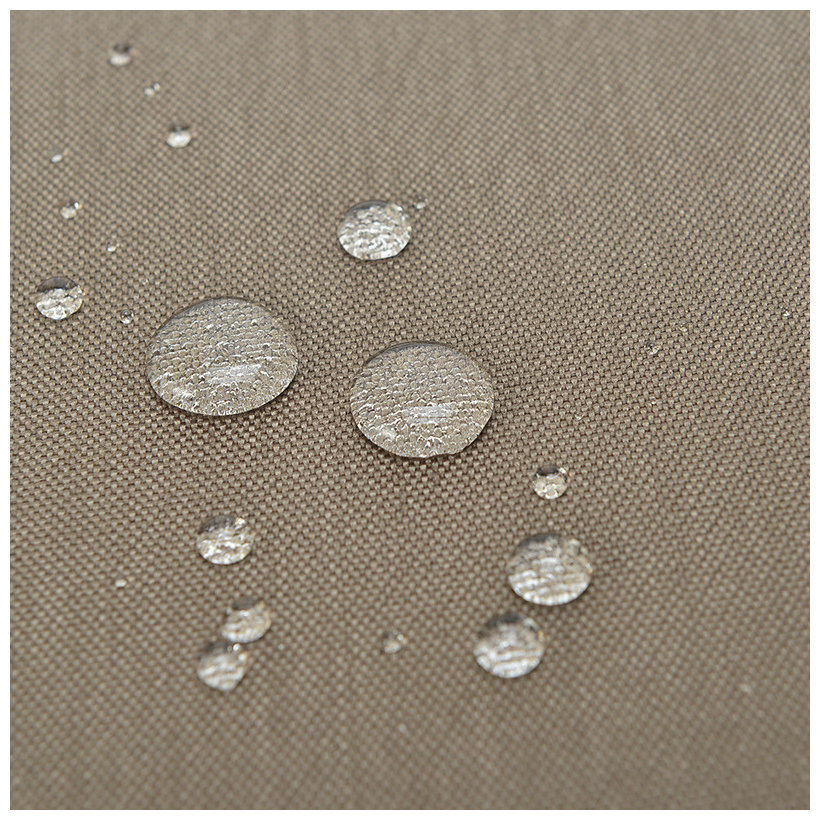
PTFE membranes can improve system efficiency by reducing friction, supporting controlled fluid or gas flow, and maintaining stable performance in demanding operating conditions. Their porous structure allows selected substances to pass through while restricting others, depending on the membrane design and application. In filtration systems, this property supports effective separation and can help reduce the need for frequent maintenance when the membrane is properly selected and operated. PTFE membranes also resist many corrosive chemicals, which helps maintain their performance in industrial environments where conventional materials may deteriorate more quickly.
In energy and electronic applications, PTFE-based membranes can support reliable operation by providing suitable thermal stability and electrical insulation. Their use in fuel cell systems can help regulate gas and proton transport when incorporated into appropriately designed membrane assemblies. These properties may improve conversion efficiency and reduce unwanted energy losses. Actual results depend on membrane thickness, porosity, operating pressure, temperature, and system design. Selecting the right ptfe membrana for each application is therefore important for achieving consistent performance and efficient resource use.
PTFE Membranes in High-Performance Systems
PTFE membranes are used in high-performance systems that require reliable filtration, chemical stability, and consistent operating conditions. Their porous structure allows selected gases or liquids to pass through while restricting particles and other unwanted substances, depending on the membrane design. In chemical processing equipment, PTFE membranes can help protect sensitive components from corrosive substances and support stable system operation. Their resistance to many chemicals also makes them suitable for demanding industrial environments.
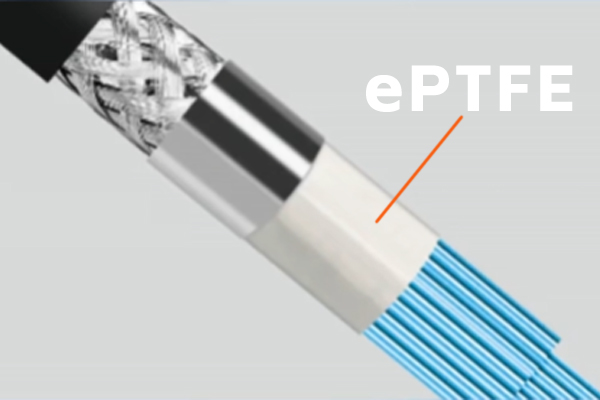
In advanced technology, PTFE membranes have applications in fuel cells, electronic equipment, and high-frequency communication systems. In fuel cells, ePTFE can serve as a support material in proton exchange membranes, helping maintain membrane structure and supporting proton transport when combined with suitable functional materials. In electronic applications, PTFE-based materials can provide useful dielectric properties and low electrical losses at high frequencies. Engineers must select membrane thickness, pore structure, and surface properties according to the operating requirements. Proper material selection and system design help maintain performance, reduce maintenance needs, and extend component service life.
Innovative uses of PTFE in Modern Applications
PTFE membranes are finding new uses in advanced electronics, energy systems, and industrial equipment. Their chemical stability, controlled porosity, and electrical insulation properties make them suitable for applications that require reliable performance under demanding conditions. In high-frequency circuit boards, modified PTFE materials can help maintain stable electrical properties and reduce signal loss, supporting the development of high-speed computing equipment and communication systems. PTFE membranes also play a role in fuel cell technology, where proton exchange membrane systems use suitable membrane structures to support proton transport while limiting the passage of other gases. This selective permeability helps maintain efficient electrochemical reactions. In industrial filtration, porous PTFE membranes allow gases or liquids to pass through while capturing particles, depending on the membrane structure and operating conditions. Their low surface energy can also reduce the adhesion of contaminants, which may simplify cleaning and maintenance. As these applications develop, membrane design and material modification remain important for balancing permeability, mechanical strength, and long term stability.
Comparative advantages of PTFE Membranes
PTFE membranes offer distinct advantages that set them apart from alternative materials in various applications. Their exceptional chemical resistance allows them to function in harsh environments where other membranes may degrade or fail. This property is especially beneficial in industries such as pharmaceuticals and chemical processing, where exposure to aggressive substances is common. Moreover, PTFE membranes demonstrate impressive thermal stability, enabling them to withstand high temperatures without losing integrity or performance. This durability ensures that they can maintain their structural and functional characteristics over an extended period.
In addition to their resilience, PTFE membranes are lightweight and flexible, simplifying installation and integration into complex systems. Their non-stick surface reduces fouling, leading to lower maintenance costs and enhanced operational efficiency. These advantages are amplified when utilized in high-performance systems, where reliability is paramount. PTFE membranes can also be customized to meet specific requirements, making them adaptable for innovative uses across diverse sectors. Overall, the unique characteristics of PTFE membranes contribute significantly to improvements in system performance and efficiency while offering a cost-effective solution for various industrial challenges.
Conclusion
the diverse applications of PTFE membranes underscore their critical role in enhancing performance across industrial and technological sectors. Their chemical resistance and durability make them indispensable for demanding environments, ensuring reliability in operations where conventional materials may fail. The efficiency improvements they bring to filtration, chemical processing, and high-performance systems highlight their value in optimizing energy use and reducing downtime. Furthermore, as industries continue to evolve, the potential for innovative uses of PTFE membranes expands, fostering new solutions that address complex challenges. The comparative advantages of PTFE membranes position them favorably against alternative materials, which may not match their stability under extreme conditions. Overall, the continued exploration of PTFE technology will likely yield further benefits across various applications, driving advancements in efficiency and sustainability.
FAQs
What are PTFE membranes used for?
PTFE membranes are commonly used in industrial filtration, chemical processing, and cable manufacturing due to their chemical resistance and low friction properties.
How do PTFE membranes enhance performance in technology?
PTFE membranes improve performance by providing chemical resistance and durability, which leads to increased reliability and efficiency in systems such as fuel cells and filtration units.
Are PTFE membranes effective in high-temperature environments?
Yes, PTFE membranes maintain their integrity under high temperatures, making them suitable for applications where thermal stability is critical.
What advantages do PTFE membranes have over other materials?
PTFE membranes offer exceptional chemical resistance, impressive thermal stability, lightweight flexibility, and a low-friction surface that reduces fouling compared to alternative materials.
How do engineers select the appropriate PTFE membrane for an application?
Engineers consider factors such as membrane thickness, porosity, operating temperature, and the specific chemicals involved when selecting a PTFE membrane for a given application.