Key takeaways
ePTFE membranes are integral across various industries due to their unique properties that enhance performance and efficiency. Their lightweight design and chemical resistance make them essential in aerospace applications, where reliability in extreme conditions is crucial. In filtration systems, ePTFE’s porous nature optimizes particle removal while allowing for high flow rates, leading to cleaner outputs. Furthermore, these membranes are key players in fuel systems, aiding in fluid separation and maintaining purity under pressure, which is vital for safety and performance. With their durability, ePTFE membranes significantly contribute to hydraulic systems by reducing contamination risks and improving reliability over time. Their application in breathing air solutions showcases their ability to filter harmful particles while ensuring a steady airflow, which is important in health-sensitive environments. As technological advancements progress, the versatile uses of ePTFE membranes will continue to evolve, reinforcing their position as essential components in modern industrial applications.
Innovative uses of ePTFE Membranes
ePTFE membranes offer a range of innovative applications across various industries due to their unique properties. In aerospace, these membranes improve weight efficiency and reliability, making them essential in aircraft design. Their exceptional chemical resistance and thermal stability help maintain performance in demanding environments. In filtration systems, ePTFE membranes enhance efficiency by effectively removing contaminants, contributing to cleaner air and liquids in industrial processes. Furthermore, they play a crucial role in fuel systems by ensuring the separation of fluids while preventing leaks. ePTFE’s versatility extends into hydraulic systems where it aids in fluid management and pressure regulation. Additionally, these membranes are vital for breathing air solutions, as they maintain air quality while being lightweight and durable. Recent advancements have also demonstrated their effectiveness in cooling management applications, providing improved thermal insulation and efficiency. Utilizing products like High speed transmission line PTFE wrapping tape or PTFE Thread Seal Tape can further enhance operational performance in various applications that require reliable sealing and wrapping technologies.
ePTFE Membranes in Aerospace Applications
ePTFE membranes play a significant role in aerospace applications due to their unique properties, such as lightweight and exceptional resistance to various environmental stresses. These membranes are often utilized in fuel cells that require high efficiency and reliability under demanding conditions. The ability of ePTFE to withstand harsh temperatures and pressures makes it an ideal choice for components within aircraft, including fuel filtration systems and pneumatic systems. Furthermore, their chemical resistance is critical for ensuring the long term performance of fuel and hydraulic systems found in aviation. The lightweight nature of these membranes contributes to overall weight reduction in aircraft design, which is essential for improving fuel efficiency and performance. Additionally, the breathability of ePTFE membranes aids in maintaining air quality within the cabin by filtering out harmful particles. As aerospace technology advances, the versatility and reliability of ePTFE membranes are likely to become increasingly important in pushing boundaries within this sector.
Enhancing filtration systems with ePTFE
ePTFE membranes play a significant role in improving filtration systems across various applications. Their unique porous structure allows for efficient particle removal while maintaining a high flow rate. This capability is crucial in environments where both air and fluid purity are paramount. The membranes are resistant to a wide range of chemicals, which extends their usability in aggressive conditions without degradation. Additionally, their hydrophobic and oleophobic characteristics prevent water and oil from clogging the filtration media, ensuring reliable performance over time. Industries benefit from the lightweight nature of ePTFE membranes, enabling easier installation and maintenance compared to traditional filter materials. This efficiency leads to reduced operational costs and enhanced product longevity, underscoring the value of ePTFE in modern filtration solutions. As technological advancements continue, the integration of ePTFE membranes is expected to expand further, driving innovation and performance improvements across multiple sectors.

ePTFE Membranes in Fuel Systems
ePTFE membranes play a significant role in enhancing the efficiency and reliability of fuel systems. Their unique properties, including chemical resistance and thermal stability, make them ideal for applications involving fuels and other challenging substances. These membranes can withstand extreme conditions while maintaining performance, which is crucial in environments where fuel purity is essential. Moreover, ePTFE membranes are lightweight and have a high permeability to gases, ensuring efficient separation processes within the fuel system. This capability allows for better management of fuel flow and helps in preventing contamination. In diverse applications, such as aviation and automotive sectors, ePTFE contributes to improved safety and operational performance. By integrating these membranes into various fuel systems, manufacturers can achieve greater reliability and efficiency, thereby optimizing overall system performance. The adoption of ePTFE membranes reflects a broader trend toward innovative solutions that address evolving challenges in fuel technology.
Applications of ePTFE in Hydraulic Systems
ePTFE membranes play a significant role in hydraulic systems, providing reliable sealing and filtration solutions. Their inherent chemical resistance and thermal stability make them suitable for various hydraulic fluids used in industrial applications. These membranes effectively reduce contamination by trapping particulate matter while allowing the efficient flow of fluids. Additionally, their durability enhances the overall reliability of hydraulic systems, minimizing maintenance needs and downtime. The lightweight nature of ePTFE contributes to improved energy efficiency within these systems. As industries increasingly seek solutions that promote sustainability, the adaptability of ePTFE membranes to different environments positions them as a key component in modern hydraulic system design. Moreover, their versatility extends beyond standard hydraulic applications, encompassing specialized uses where precise fluid control is critical.
ePTFE Membranes for Breathing Air Solutions
ePTFE membranes play a critical role in breathing air solutions by ensuring the filtration of contaminants while maintaining airflow. These membranes are designed to allow the passage of air while trapping particles, providing clean and safe breathing environments. In various applications, such as medical facilities, industrial settings, and aerospace operations, these membranes enhance air quality by preventing harmful substances from infiltrating breathable air supplies.
The lightweight and durable nature of ePTFE materials contributes to their effectiveness in extreme environments where reliability is paramount. Additionally, their hydrophobic properties help repel moisture, further protecting against degradation and ensuring long-lasting performance. The versatility of ePTFE membranes enables their integration into filtration systems for both personal protective equipment and industrial respiratory systems. As the demand for high quality breathing air grows across sectors, the role of ePTFE membranes becomes increasingly essential in safeguarding health and improving safety standards.
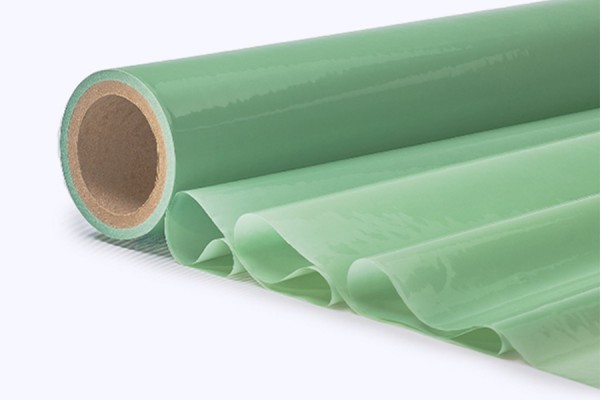
Advancements in Cooling Management with ePTFE
ePTFE membranes have significantly improved cooling management systems across various applications. Their high thermal stability and chemical resistance make them ideal for managing temperature in demanding environments. By allowing efficient airflow while blocking moisture, ePTFE membranes ensure optimal performance and longevity of cooling systems. These membranes enhance heat exchange processes, which is vital in settings ranging from industrial equipment to data centers, where temperature regulation is crucial for operational efficiency. Furthermore, ePTFE’s lightweight properties contribute to overall system effectiveness, reducing energy consumption and operational costs. As industries continue to seek innovative solutions for thermal management, the integration of ePTFE membranes stands out as a key development that addresses both efficiency and reliability in cooling technologies.
Versatile applications of ePTFE Across Industries
ePTFE membranes find diverse applications across various industries, showcasing their adaptability and effectiveness. In aerospace, these membranes are crucial for enhancing turbine efficiency and improving cabin air quality. In filtration systems, ePTFE provides superior filtration capabilities, effectively removing particulates and contaminants from liquids and gases. The fuel systems sector benefits from ePTFE’s impermeability, which ensures reliability in high-pressure environments and enhances fuel efficiency. Additionally, ePTFE plays a vital role in hydraulic systems by providing leak-proof seals that sustain operational integrity. Breathing air solutions utilize ePTFE membranes for their ability to filter out harmful impurities, ensuring safe air quality in both industrial and medical applications. Furthermore, advancements in cooling management are driven by ePTFE technologies that improve the performance of cooling systems by managing condensation effectively. The versatility of ePTFE membranes thus spans multiple sectors, affirming their essential role in numerous applications requiring high performance and reliability.
Conclusion
the diverse applications of ePTFE membranes across several industries highlight their importance as innovative solutions. These membranes enhance performance in aerospace, filtration, fuel systems, hydraulic systems, and breathing air solutions by leveraging their unique properties such as chemical resistance, lightweight design, and thermal stability. As industries evolve and face new challenges, the demand for reliable materials that improve efficiency and safety continues to rise. ePTFE membranes address these needs by offering superior filtration capabilities and durable performance under demanding conditions. Their role in enhancing operational efficiency and reliability makes them indispensable in modern technological applications. The ongoing advancements in ePTFE technology further ensure that these membranes will maintain their relevance across various sectors, driving progress and innovation for years to come.
FAQs
What are ePTFE membranes?
ePTFE membranes are expanded polytetrafluoroethylene membranes known for their unique properties, including chemical resistance, lightweight design, and thermal stability, making them suitable for a variety of applications.
How do ePTFE membranes enhance filtration systems?
ePTFE membranes improve filtration systems by efficiently removing contaminants while maintaining high flow rates, thanks to their porous structure and resistance to water and oil clogging.
In which industries are ePTFE membranes commonly used?
ePTFE membranes are commonly used in industries such as aerospace, filtration, fuel systems, hydraulic systems, and breathing air solutions due to their versatility and effectiveness.
What advantages do ePTFE membranes offer in fuel systems?
In fuel systems, ePTFE membranes provide reliable separation of fluids and enhanced purity while withstanding extreme conditions, which optimizes performance and reduces contamination risks.
Can ePTFE membranes be used in breathing air applications?
Yes, ePTFE membranes are crucial in breathing air applications as they filter out harmful particles while allowing clean airflow, ensuring safe breathing environments in various settings.