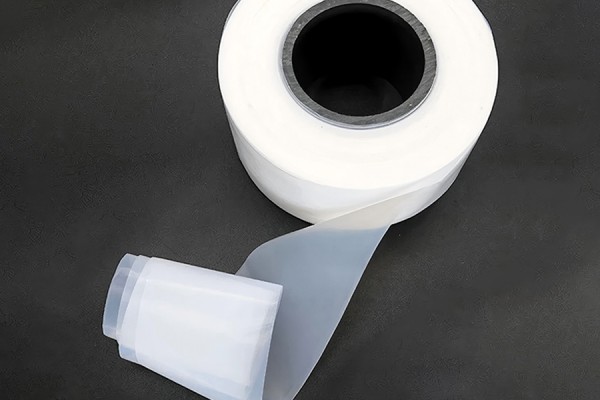
Key takeaways
innovations in PTFE film technology have led to significant improvements in various industries, enhancing performance and increasing operational efficiency. The remarkable properties of PTFE films, including their chemical resistance and low friction characteristics, allow them to operate effectively in demanding environments. These films facilitate smoother machinery operations, thereby reducing wear and maintenance costs. In addition, their versatility is evident in multiple applications, from electronics to food processing, where they ensure durability and reliability. As industries continue to explore advancements in PTFE technology, the potential for specialized formulations and smart features presents exciting opportunities for future utilization. The ongoing enhancements position PTFE films as crucial components driving innovation and efficiency in industrial operations.
Innovations in PTFE Film Technology
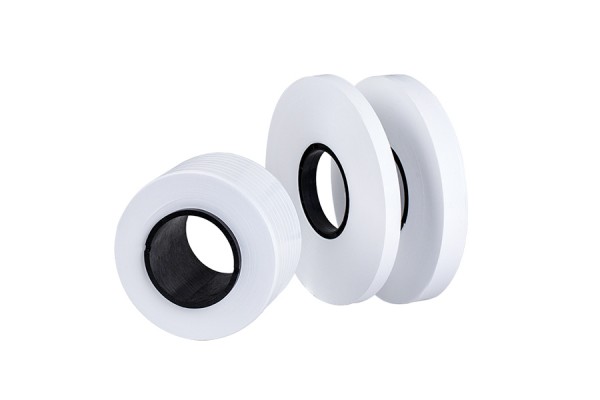
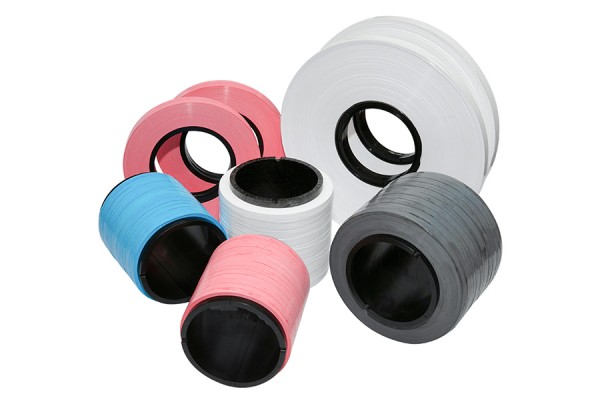
Recent advancements in PTFE film technology have significantly enhanced its application spectrum within various industries. The development of high-speed transmission line PTFE wrapping tape has improved performance metrics, enabling efficient signal transfer in communication systems. Innovations in PTFE wrapping film contribute to better durability and reliability, making it a preferred choice for demanding environments. Additionally, the introduction of specialized products like PTFE Thread Seal Tape and PTFE cable wrapping tape emphasizes the versatility of these materials in both industrial and commercial uses. Recent iterations of DAC high-speed cable wrapping film, AEC high-speed cable wrapping film, AOC high-speed cable wrapping film, and ACC high-speed cable wrapping film highlight advancements aimed at optimizing performance under extreme conditions. Meanwhile, advancements in PTFE cable roll coating techniques ensure robust protection for cables by providing superior corrosion resistance. These innovations collectively enhance the efficiency and longevity of equipment across various sectors, driving progress towards more dependable industrial operations.
Enhanced properties of PTFE Films
PTFE films exhibit several key properties that significantly enhance their applicability across various industrial sectors. One notable characteristic is their outstanding chemical resistance, allowing them to withstand a wide range of aggressive substances without degrading. This resistance is crucial in environments where exposure to harsh chemicals is common, such as in chemical processing plants. Additionally, PTFE films showcase remarkable thermal stability with various modifications, which enables them to perform efficiently at high temperatures without losing their structural integrity.
The films also display low friction properties, which contribute to reduced wear and tear in mechanical applications, fostering improved operation longevity and reliability. Their non-stick surface further aids in preventing material build-up, promoting smoother processes in manufacturing settings.
Moreover, advancements in technology have led to enhanced dielectric properties of PTFE films, making them ideal for applications in the electronics industry, particularly for high-frequency circuits. These improvements allow for better performance and signal integrity in demanding electrical environments.
"The unique combination of durability and performance potential positions PTFE films as a valuable asset in advancing industrial technology."
Versatility of PTFE Films in Industry
PTFE films exhibit a remarkable range of applications across various industrial sectors due to their unique characteristics. Their low friction coefficient and exceptional chemical resistance make them ideal for use in environments where exposure to harsh substances is a concern. Industries such as pharmaceuticals and food processing rely on PTFE films for gasket and seal production, ensuring reliable barriers against contamination. Moreover, the electrical insulation properties of PTFE films are valuable in the electronics sector, where they are utilized for cable jackets and insulation layers, contributing to improved performance and safety in electrical components.
The film’s ability to withstand extreme temperatures further broadens its applicability. From aerospace to automotive sectors, PTFE films play a key role in manufacturing components that require durability under fluctuating thermal conditions. Additionally, due to their flexibility and lightweight nature, these films are increasingly used in advanced manufacturing processes like 3D printing and flexible electronics, reflecting the ongoing innovation surrounding their usage. As industries continue to seek efficient solutions for operational challenges, the adaptability of PTFE films positions them as crucial materials in diverse applications.
Applications of PTFE Films in Manufacturing
PTFE films are increasingly utilized in various manufacturing processes due to their beneficial properties. These films provide excellent non-stick surfaces, which facilitate the production of components that require minimal adhesion and easy release during processing. In the electronics industry, PTFE films are essential for insulating wires and cables, ensuring both durability and resistance to extreme environmental conditions. Additionally, they are employed as protective layers for sensitive equipment, enhancing both longevity and performance. The pharmaceutical sector leverages PTFE films for packaging applications that demand high chemical resistance and cleanliness. These films are beneficial in food processing environments as well, where they help maintain hygiene standards while preventing contamination. Moreover, the automotive industry utilizes PTFE films for components that must withstand high temperatures and exposure to aggressive chemicals. Overall, the adaptability of PTFE films across diverse manufacturing applications underscores their value in promoting efficiency and reliability in industrial operations.
Improving efficiency with PTFE Films
PTFE films contribute significantly to operational efficiency across various industrial processes. Their low friction properties enable smoother movement in machinery, reducing energy consumption and wear on components. As a result, businesses can achieve longer equipment lifespans and decreased maintenance periods. The chemical resistance of PTFE films allows for prolonged use in harsh environments without degradation, facilitating uninterrupted production cycles. Furthermore, the ability of PTFE films to withstand a wide range of temperatures ensures consistent performance regardless of operational conditions.
In manufacturing settings, the application of PTFE films in conveyor systems and sealing solutions minimizes downtime associated with component failure. The versatility of these films enables their integration into diverse products, streamlining supply chains and reducing inventory costs. As industries strive for leaner operations, the adoption of PTFE films enhances material efficiency and promotes sustainability by minimizing waste. Overall, leveraging PTFE film technology leads to improved productivity and cost-effectiveness in industrial applications.
PTFE Film Advancements for Performance
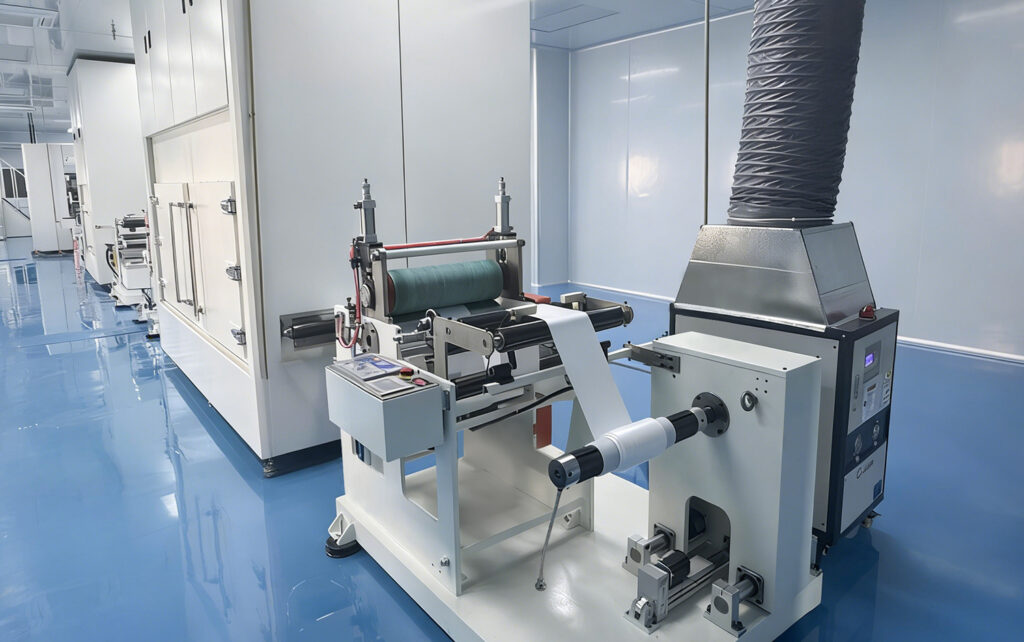
Recent advancements in PTFE film technology have significantly improved its performance, making it a key player in various industrial applications. These developments often revolve around enhancing the film’s mechanical strength, reducing its thickness while maintaining durability, and increasing its resistance to high temperatures and chemicals. Innovations also include the incorporation of additives that improve the film’s thermal conductivity and electrical insulation properties. Manufacturers are exploring new production techniques that allow for greater precision and customization of PTFE films, which can lead to better compatibility with specific processes. Moreover, these enhancements contribute to reduced weight and increased flexibility, which are crucial in industries such as aerospace and electronics. By focusing on these performance improvements, PTFE films are better suited for demanding applications, ultimately driving operational efficiency across multiple sectors.
Future trends in PTFE Film Usage
Future trends in PTFE film usage indicate a shift towards more specialized applications driven by advancements in material science. The demand for lightweight and high-performance materials in industries such as aerospace, electronics, and medical devices is rising. As technology evolves, manufacturers are exploring enhanced formulations that improve thermal stability and chemical resistance, making PTFE films suitable for increasingly demanding environments.
Moreover, the integration of smart features into PTFE films is on the horizon, with innovations like self-cleaning surfaces or electrically conductive properties under research. These developments present opportunities to use PTFE films in new applications, including sensors and advanced insulation components. Additionally, sustainability initiatives are influencing production methods, pushing for more environmentally friendly manufacturing processes and recycling options for PTFE materials.
As industries continue to focus on improving efficiency and reducing environmental impact, the role of PTFE films is expected to expand. This expansion will lead to broader adoption across various sectors as companies recognize their versatility and performance benefits.
Impact of PTFE Films on Industrial Operations
PTFE films significantly influence industrial operations by providing reliable solutions that enhance performance and reduce costs. Their unique properties, such as chemical resistance and low friction, allow for smoother machinery operation, minimizing wear and tear. This results in less frequent maintenance and decreased downtime, ultimately leading to increased productivity. In industries where precision is critical, PTFE films maintain stringent tolerances, ensuring that processes run efficiently. Furthermore, the films are effective in extreme temperature environments, which expands their applicability across various sectors. The lightweight nature of PTFE films also contributes to energy savings by reducing the overall weight of assembly components. As industries continue to evolve towards leaner operations, the adoption of PTFE films becomes central to achieving operational excellence while driving innovation in manufacturing processes.
Conclusion
the advancements in PTFE film technology have profoundly transformed industrial operations across various sectors. As industries face growing demands for efficiency and performance, the unique properties of PTFE films, such as their chemical resistance and low friction, provide essential solutions. These films allow for smoother machinery operations, contributing to reduced maintenance and increased productivity. Furthermore, the versatility of PTFE films facilitates their application in critical areas like electronics and manufacturing processes, enhancing both reliability and longevity. With ongoing innovations, including the development of specialized formulations and smart features, PTFE films are positioned to meet emerging industrial needs effectively. Their significance in promoting operational excellence is evident as companies strive to adopt materials that support sustainable practices while achieving high performance in challenging environments. As the landscape of industrial operations continues to evolve, PTFE films will undoubtedly play a pivotal role in driving advancements.
FAQs
What are PTFE films?
PTFE films are thin layers made from polytetrafluoroethylene, known for their excellent chemical resistance and low friction properties.
What industries use PTFE films?
PTFE films find applications in various industries, including electronics, pharmaceuticals, food processing, and automotive manufacturing.
How do PTFE films improve efficiency?
PTFE films enhance efficiency by reducing friction in machinery, minimizing wear on components, and prolonging equipment lifespan.
Are PTFE films environmentally friendly?
While PTFE itself is non-biodegradable, advancements in manufacturing processes are leading to more sustainable options for production and recycling.
What is the future of PTFE film technology?
Future trends indicate a move toward specialized applications with improved formulations and potential integration of smart features for enhanced functionality.
Can PTFE films withstand high temperatures?
Yes, PTFE films exhibit remarkable thermal stability, allowing them to perform efficiently at elevated temperatures without losing structural integrity.