Key takeaways
PTFE cable tape wrapping is a vital technique that enhances the insulation in electronic applications, ensuring reliable performance. The key benefits of PTFE include its low dielectric constant, which minimizes signal delays and enhances signal integrity. Furthermore, its impressive durability allows it to withstand extreme temperatures, chemical exposure, and moisture, making it suitable for various environmental conditions. Effective wrapping techniques contribute to the long term functionality of cables by ensuring a secure seal against external elements. When selecting PTFE tape, considerations such as width, thickness, and adhesive properties are essential for optimal performance in specific applications. By adhering to best practices during the application process, manufacturers can maximize the benefits of PTFE insulation and improve the lifespan of their electronic devices significantly. Overall, understanding these key aspects can greatly influence the performance and reliability of high-frequency electronic systems.
Techniques for PTFE Cable Wrapping
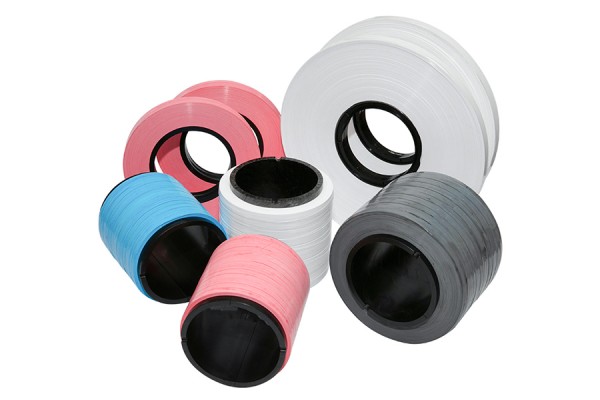
Effective techniques for PTFE cable wrapping enhance insulation properties and ensure reliability in electronic applications. One common method involves the use of High speed transmission line PTFE wrapping tape, which offers excellent coverage and minimizes signal loss. Utilizing multiple layers of PTFE wrapping film can also provide an additional barrier against environmental factors, thus promoting durability.
Applying the PTFE cable wrapping tape in a continuous, overlapping manner fosters a secure seal that prevents moisture ingress and chemical exposure. For tighter spaces, the use of PTFE Thread Seal Tape allows for effective insulation while accommodating varying diameters of cables.
In specialized applications requiring enhanced performance, technologies such as DAC high-speed cable wrapping film or AEC high-speed cable wrapping film are optimal choices, delivering superior electrical characteristics at high frequencies. Proper installation techniques are crucial; this includes ensuring even tension during application to avoid gaps that could compromise insulation integrity. By adhering to best practices in cable wrapping, manufacturers can significantly improve the longevity and functionality of electronic devices.
Benefits of PTFE Insulation
PTFE insulation offers numerous advantages that contribute to its widespread use in electrical applications. Primarily, it provides exceptional electrical insulation, ensuring reliability by preventing signal short circuits and leaks. The very low dielectric constant of PTFE reduces signal delays, which is crucial for high-frequency applications where maintaining signal integrity is paramount. Furthermore, PTFE exhibits resilience under a broad temperature range, remaining effective in extreme conditions from -200°C to +260°C. This temperature performance bolsters its durability across various environments. Additionally, PTFE’s hydrophobic nature allows it to maintain stable electrical performance even in humid conditions, further enhancing the integrity of electronic systems. Its remarkable chemical inertness against most substances ensures the longevity of components wrapped with PTFE insulation, making it a sought-after choice for engineers and manufacturers aiming for durability and efficiency in their designs.
Improving signal integrity with PTFE
PTFE cable tape wrapping plays a vital role in improving signal integrity in electronic applications. The unique properties of PTFE, such as its very low dielectric constant, significantly reduce signal delays and minimize capacitive coupling. These characteristics are crucial in maintaining the clarity and strength of high-frequency signals. By providing excellent electrical insulation, PTFE tape prevents signal short circuits and leaks, ensuring that data transmission remains stable and efficient. Additionally, its hydrophobic nature means that moisture does not compromise the electrical performance, even under humid conditions. This combination of factors makes PTFE cable tape an ideal choice for applications that demand consistent and reliable signal integrity, particularly in high-speed data communication systems. The effective wrapping techniques utilized with PTFE not only enhance the performance of individual cables but also contribute to the overall reliability of electronic devices operating at advanced frequencies.
Durability of PTFE Cable Tape
PTFE cable tape is renowned for its impressive durability, which is one of its main advantages in electrical insulation applications. Its resistance to various harsh environments, including extreme temperatures and aggressive chemicals, makes it a suitable choice for long-lasting performance. This material can endure temperature fluctuations ranging from -200°C to +260°C without significant degradation, maintaining its structural integrity under stress. Additionally, PTFE exhibits remarkable resistance to moisture, ensuring reliable performance even in humid conditions. Its chemical inertness protects cables from the damaging effects of solvents and corrosive materials, extending the lifespan of the insulation. As a result, PTFE cable tape proves essential in applications where reliability and performance are critical, such as telecommunications and high-speed data transmission. By ensuring that electrical signals are insulated effectively over time, PTFE tape significantly contributes to the overall durability of electronic devices, enhancing their operational lifespan and reducing maintenance needs.
Applications of PTFE in Electronics
PTFE cable tape finds extensive use in various electronic applications due to its exceptional insulation properties and versatility. It is commonly employed in the insulation of RF coaxial cables, where it provides superior protection against interference and signal loss. PTFE’s low dielectric constant minimizes signal delays, making it suitable for high-frequency communication systems. Additionally, its hydrophobic nature ensures reliable performance in humid environments, vital for outdoor and industrial applications. PTFE is also integral in creating insulators for printed circuit boards, where it contributes to the efficient functioning of electronic devices by maintaining signal integrity. In data transmission systems, PTFE cable tape enhances stability and speed, which is crucial for modern telecommunications and networking equipment. The ability of PTFE to withstand extreme temperatures further expands its applicability across diverse sectors, including aerospace and automotive industries.
High-Frequency Performance of PTFE
PTFE cable tape exhibits exceptional performance in high-frequency applications, primarily due to its unique chemical structure and physical properties. The low dielectric constant of PTFE minimizes signal delays, making it suitable for transmitting high-frequency signals without significant loss. Its stable dielectric characteristics allow it to maintain performance integrity over various operating conditions, including temperature fluctuations and signal frequency changes. Additionally, PTFE’s resilience against environmental factors, such as moisture and chemicals, enhances its reliability in demanding applications. In scenarios where high-speed data transmission is critical, the effective insulation provided by PTFE tape safeguards against interference, ensuring clean signal integrity. Overall, the high-frequency performance of PTFE cable tape makes it an essential component in technologies that rely on efficient and dependable electrical insulation solutions.
Choosing the Right Cable Tape
Selecting the appropriate PTFE cable tape is essential for maximizing performance in electrical insulation applications. Consider factors such as thickness, width, and adhesive backing when choosing a tape. Different applications may require varying dimensions to ensure a snug fit and adequate coverage. Additionally, assess the environmental conditions in which the cable will operate. If exposure to moisture or chemicals is anticipated, opt for tapes with superior chemical resistance and hydrophobic properties.
Evaluate the temperature range of the tape as well; it should withstand extremes without degrading or losing insulating qualities. Another important aspect is the dielectric strength, which helps maintain signal integrity in high-frequency applications. Conduct research on reputable manufacturers to ensure quality, as not all PTFE tapes offer the same level of performance. By carefully considering these aspects, you can select a cable tape that enhances both durability and functionality in your electronic devices.
Best practices for Cable Wrapping
To achieve effective insulation and protection with PTFE cable tape wrapping, several best practices should be followed. First, ensure that the cable surface is clean and dry before application, as any dirt or moisture can lead to adhesion issues. When wrapping the tape, use a consistent tension to avoid loose areas that may compromise insulation. Overlapping each layer by about 50% provides additional shielding and enhances durability. It is important to choose the appropriate width of tape for your specific application, ensuring it covers the entire diameter of the cable without excess that can lead to bulkiness. Additionally, when applying the tape, maintain a spiral direction to create a smooth finish and reduce air pockets. For environmental considerations, protect cables with additional coverings if they will be exposed to harsh conditions. Following these best practices helps maximize the benefits of PTFE insulation while promoting longevity and reliable performance in high-frequency electronic applications. Maintaining precision during the wrapping process directly influences signal integrity and minimizes interference risks.
Conclusion
PTFE cable tape wrapping techniques are integral to enhancing electrical insulation in various electronic applications. By utilizing PTFE’s unique properties, such as its low dielectric constant and chemical resistance, engineers can significantly improve signal integrity and durability. These advancements are particularly beneficial for high-frequency applications, where maintaining signal clarity is essential. The combination of effective wrapping methods and the inherent advantages of PTFE enables manufacturers to create reliable electronic devices that perform consistently across a range of environmental conditions. As technology continues to evolve, the importance of selecting the appropriate PTFE cable tape and adhering to best practices in application will remain pivotal in ensuring optimal performance and longevity. Emphasizing these techniques allows for improved stability in high-speed data transmission, underscoring the value of PTFE in modern electronics.
FAQs
What is PTFE cable tape used for?
PTFE cable tape is primarily used for insulating electrical cables and improving signal integrity in electronic devices.
How does PTFE insulation benefit high-frequency applications?
PTFE insulation offers a low dielectric constant that minimizes signal delays, making it ideal for high-frequency communication systems.
Can PTFE cable tape withstand extreme temperatures?
Yes, PTFE cable tape can endure temperatures ranging from -200°C to +260°C without degrading its insulating properties.
Is PTFE cable tape resistant to chemicals?
Yes, PTFE is chemically inert, providing excellent resistance to solvents and corrosive materials, thus extending the lifespan of wrapped cables.
What factors should be considered when selecting PTFE cable tape?
Consider the thickness, width, adhesive properties, and operating environment of the tape to ensure it meets application requirements effectively.