Key takeaways
PTFE membranes are essential in numerous high-performance applications, driven by their unique properties such as chemical resistance, thermal stability, and electrical insulation. Their ability to resist aggressive chemicals without degrading makes them ideal for industries like chemical processing and pharmaceuticals. Additionally, in sealing solutions, PTFE membranes effectively prevent leaks and withstand extreme temperatures, significantly enhancing system reliability. The role of PTFE in fuel cell technology underscores its importance in sustainable energy solutions, where these membranes facilitate crucial proton exchanges while ensuring durability under demanding conditions. Furthermore, PTFE’s properties contribute to efficient signal transmission in high-performance electronics, making them a vital choice for modern communication systems. As industries increasingly demand better efficiency and safety measures, the scope of PTFE applications continues to broaden, reinforcing the material’s significance as an innovative solution across various sectors.
Innovative applications of PTFE Membranes
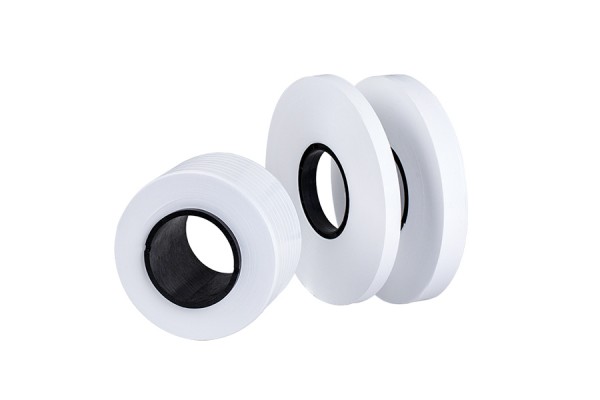
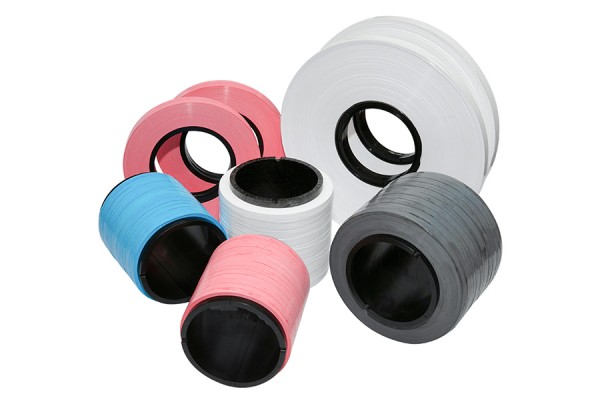
PTFE membranes have found extensive use across various high-performance applications, primarily due to their exceptional properties. In industrial environments, PTFE wrapping films serve crucial roles in protecting cables and components by providing high chemical resistance and insulation. Products like high-speed transmission line PTFE wrapping tape ensure reliable signal integrity while minimizing signal loss. There are versatile uses of PTFE Thread Seal Tape in plumbing and automotive sectors, where they create secure seals that resist leakage and corrosion. Additionally, PTFE cable wrapping tape is essential for bundling and protecting wiring in high-frequency applications. The advancements in DAC, AEC, AOC, and ACC high-speed cable wrapping films illustrate how these membranes adapt to meet the demands of modern electronics, enhancing performance in cutting-edge devices. As industries embrace innovations leveraging these materials, the scope of PTFE membrane applications continues to increase, driving forward efficiency and reliability across multiple sectors.
Key benefits of PTFE in Chemical Resistance
Polytetrafluoroethylene (PTFE) is well-known for its exceptional chemical resistance, making it a preferred material in various industries. It can withstand aggressive corrosive substances, such as strong acids and bases. This property is particularly important in environments where exposure to harsh chemicals is inevitable, such as chemical processing plants and laboratories. PTFE membranes do not react with most chemicals, ensuring that equipment maintains its integrity and performance over time. Furthermore, their non-stick surface reduces the accumulation of contaminants and facilitates easier cleaning processes. This feature helps minimize downtime and maintenance costs for industries reliant on material purity. By providing a reliable barrier against chemical attack, PTFE membranes significantly increase the lifespan of components in critical systems, thus promoting operational efficiency and safety across diverse applications.
PTFE Membranes in Sealing Solutions
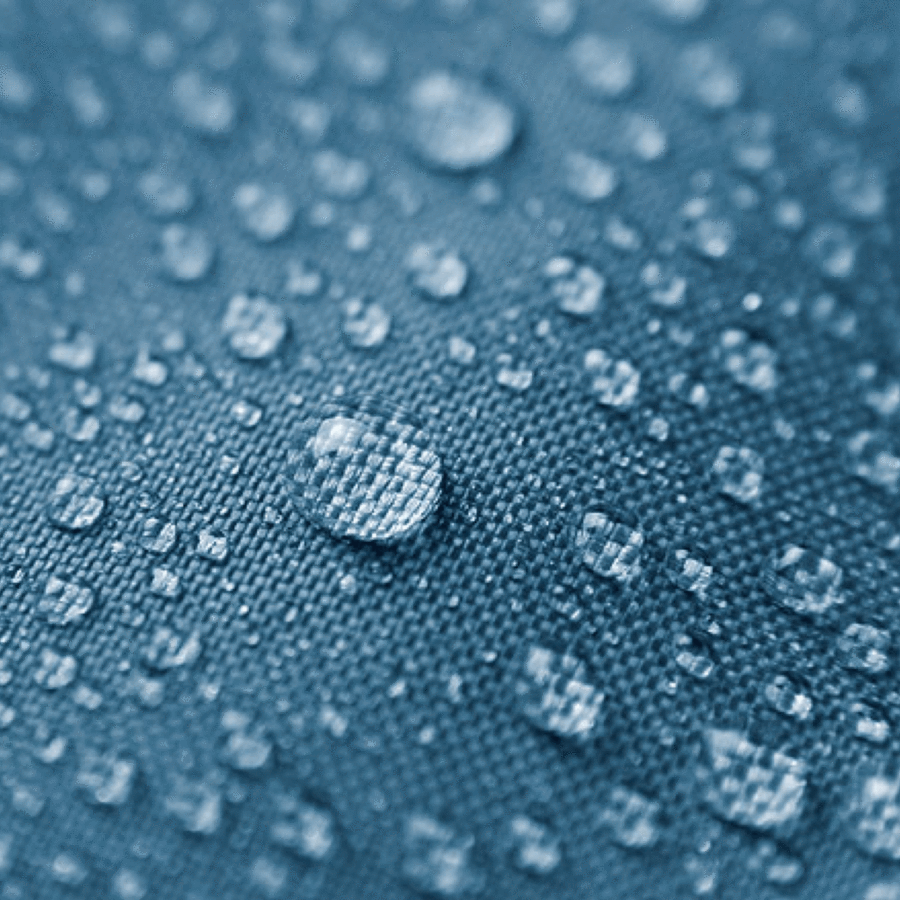
PTFE membranes play a crucial role in sealing solutions across various industries due to their exceptional chemical resistance and thermal stability. These membranes are widely utilized in applications where leaks could lead to significant safety and operational hazards. For instance, PTFE is incorporated in gaskets and seals for valves, pipelines, and pumps, effectively preventing leaks of aggressive chemicals while maintaining integrity under high temperatures. The durable nature of PTFE allows it to withstand harsh environments, ensuring reliability over extended periods. Additionally, modified PTFE products offer enhanced performance features such as improved creep resistance, making them suitable for high-pressure applications. Their unique properties not only extend the life of sealing systems but also contribute to operational efficiency by minimizing maintenance needs. This makes PTFE membranes a preferred choice for industries that prioritize dependable sealing solutions. Furthermore, the adaptability of these materials enables their use in innovative designs aimed at advancing safety and efficiency in modern engineering applications.
Advancements in Fuel Cell Technology with PTFE
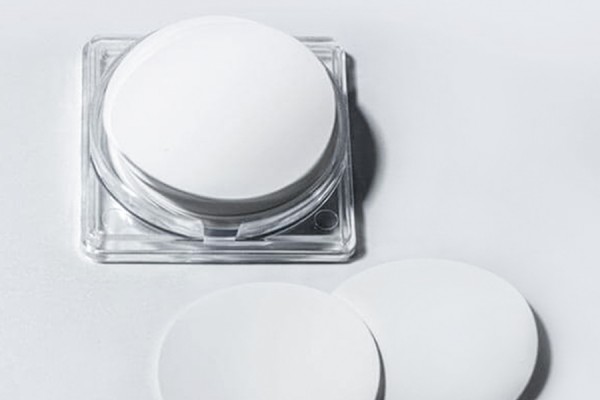
PTFE membranes play a critical role in fuel cell technology, particularly in proton exchange membranes (PEM). These membranes are engineered to allow protons to pass through while effectively blocking gases, moisture, and particulates, which is essential for maintaining optimal performance. The high permeability of PTFE is crucial for enhancing the overall efficiency of hydrogen fuel cells. Additionally, PTFE’s robust chemical resistance ensures longevity and reliability in various operating environments. Innovations have led to the development of membranes that exhibit improved durability and operational stability under high temperatures and pressures. These advancements enable more effective energy conversion processes while reducing system weight and size, which are vital for applications in transportation and portable power systems. By integrating PTFE membranes into fuel cell designs, manufacturers can achieve greater reaction efficiency and emission reduction goals. The ongoing evolution of these materials continues to drive progress in sustainable energy technologies, making them indispensable in today’s push for cleaner energy solutions.
High-Performance Electronics Utilizing PTFE
PTFE membranes are integral to the advancement of high-performance electronics. Their unique properties, such as excellent thermal stability and low dielectric constant, make them suitable for various electronic applications. In circuit boards, PTFE facilitates efficient signal transmission, allowing for faster data processing rates crucial in modern computing environments. The material minimizes signal loss and enhances the overall performance of high-frequency circuits used in telecommunications and artificial intelligence systems. Additionally, the flexibility of PTFE membranes enables their integration into compact electronic designs without compromising functionality. As manufacturers seek lightweight and efficient materials for devices, PTFE’s ability to withstand harsh chemical environments further establishes its role in electronics that require durability and reliability under challenging conditions. This adaptability positions PTFE membranes as a valuable resource as technology continues to evolve toward faster and more efficient electronic systems.
Efficient signal transmission with PTFE Membranes
PTFE membranes play a significant role in facilitating efficient signal transmission, particularly in high-frequency applications where performance is critical. Their unique properties, including low loss tangent, contribute to improved signal integrity and reduced energy loss. These membranes are particularly advantageous in advanced electronics such as circuit boards used for semiconductors and AI servers. The superior dielectric properties of PTFE allow for enhanced performance in environments requiring high-speed signal processing.
"Utilizing PTFE membranes can greatly reduce the challenges faced in maintaining signal clarity and speed."
The modifications made to PTFE for specific applications have led to materials that not only withstand heat but also offer excellent creep resistance, making them suitable for modern high-performance electronics. As technology evolves, the role of PTFE membranes is likely to expand, integrating into new applications that demand higher thresholds for efficiency and reliability in communication systems.
Future trends in PTFE Membrane Applications
The future of PTFE membranes is shaping up to be dynamic, driven by ongoing advancements in technology and an expanding range of applications. With the demand for lightweight, durable materials in industries such as aerospace and automotive, PTFE membranes are set to play a vital role. Their unique properties make them suitable for next-generation fuel cell technologies, which require materials that can withstand high pressures while maintaining gas permeability. Moreover, developments in high-frequency electronics are prompting the use of PTFE membranes to enhance signal integrity and reduce energy loss in communication devices. As research into modified PTFE continues, we can expect innovations that improve thermal management and increase surface area for better performance in various applications. Additionally, growing environmental concerns will likely spur the development of recyclable or biodegradable PTFE alternatives, making these membranes an even more appealing choice for sustainable practices in manufacturing and technology sectors.
PTFE Membranes: A Game Changer in Industry
PTFE membranes are transforming various industries by providing solutions that are both efficient and reliable. Their exceptional chemical resistance is key, allowing them to function effectively in harsh environments where other materials may fail. In sealing applications, PTFE membranes stand out due to their ability to prevent leaks and withstand extreme temperatures, ensuring the integrity of systems across sectors such as oil and gas, pharmaceuticals, and food processing. Additionally, advancements in fuel cell technology demonstrate the versatility of PTFE membranes in energy solutions; they help optimize performance by facilitating proton exchange while blocking undesired gases. The adaptability of PTFE membranes extends to high-performance electronics as well, where they enhance signal transmission efficiency. As industries continue to evolve toward higher standards of performance and sustainability, PTFE membranes emerge as vital components that meet these emerging demands, solidifying their role as a game changer across multiple applications.
Conclusion
PTFE membranes serve a range of industrial applications because of their chemical resistance, thermal stability, and electrical properties. In sealing systems, they help prevent leaks and maintain reliable performance under demanding operating conditions. In fuel cell technology, PTFE-based materials can support gas management, moisture control, and membrane durability, depending on the design. Their low dielectric constant and low signal loss also make PTFE useful in high-frequency electronics, including circuit boards and high-speed cable assemblies. Products such as PTFE wrapping tape and PTFE Thread Seal Tape address specific insulation, protection, and sealing needs. The keyword ptfe membrana may also help users find information about these materials in different markets. Future development will depend on improving durability, adapting membrane structures to specific operating requirements, and assessing environmental impacts throughout the product life cycle. By matching material properties to actual application needs, manufacturers can use PTFE membranes to improve system reliability and maintain performance in demanding industrial environments.
FAQs
What are PTFE membranes used for?
PTFE membranes are used in various applications such as sealing solutions, chemical resistance, fuel cell technology, and high-performance electronics.
How does PTFE provide chemical resistance?
PTFE can withstand aggressive chemicals like strong acids and bases without degrading or reacting, making it ideal for harsh environments.
Can PTFE membranes be used in high-temperature applications?
Yes, PTFE membranes can endure high temperatures while maintaining their properties, making them suitable for demanding industrial applications.
What advantages do PTFE membranes offer in sealing applications?
In sealing applications, PTFE membranes provide effective leak prevention and maintain integrity under extreme conditions, reducing the risk of system failures.
How do PTFE membranes enhance signal transmission in electronics?
PTFE membranes have low dielectric constants and loss tangents, which help improve signal integrity and reduce energy loss in high-frequency electronic circuits.
Are there any environmental concerns associated with PTFE?
Yes, the production and disposal of PTFE can raise environmental concerns. However, ongoing research focuses on developing more sustainable alternatives.
What industries benefit most from using PTFE membranes?
Industries such as automotive, aerospace, pharmaceuticals, and energy significantly benefit from the unique properties of PTFE membranes.
How do advancements in technology affect the use of PTFE membranes?
Technological advancements drive the development of new PTFE membrane applications that require improved durability and performance characteristics.