Key takeaways
ePTFE membranes play a vital role in modern filtration solutions, characterized by their unique properties, such as chemical resistance and exceptional porosity. These membranes are widely utilized across various industries, including pharmaceuticals, food and beverage, and environmental management, effectively addressing air and fluid filtration needs. The benefits of ePTFE in fluid filtration include improved flow rates and reduced fouling, which enhances operational efficiency. Furthermore, continuous innovations in ePTFE technology are leading to enhanced performance and applications. However, challenges remain in working with these membranes, including cost considerations and material compatibility. As the industry evolves, examining future trends in filtration solutions will be crucial for understanding how ePTFE membranes can continue to shape air and fluid management processes.
The unique properties of ePTFE Membranes
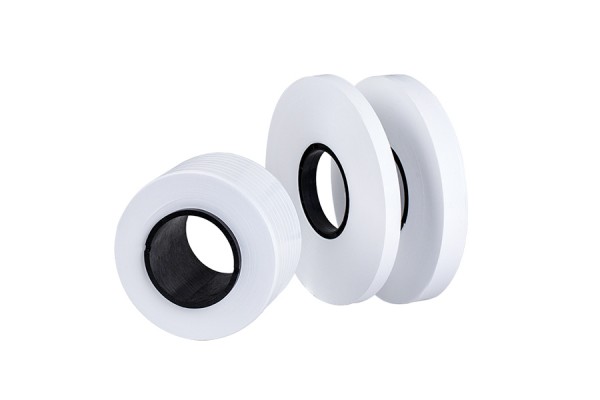
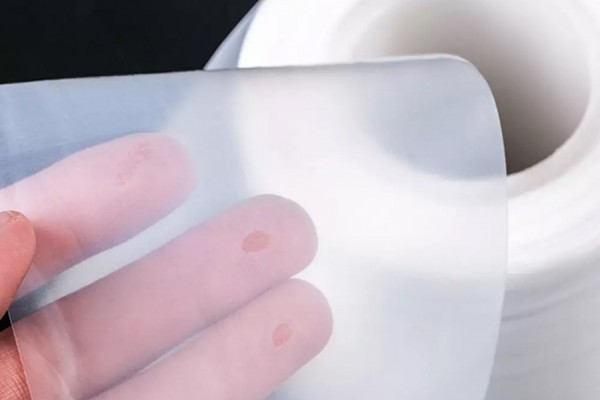
ePTFE membranes exhibit unique properties that contribute to their effectiveness in filtration applications. These membranes are chemically resistant, enabling them to withstand a variety of harsh environments while maintaining structural integrity. The highly porous structure of ePTFE allows for efficient gas and liquid transmission, ensuring a high flow rate without compromising filtration quality. Remarkably, these membranes demonstrate excellent hydrophobic characteristics, repelling water while allowing vapor to pass through, which is particularly useful in applications requiring moisture management.
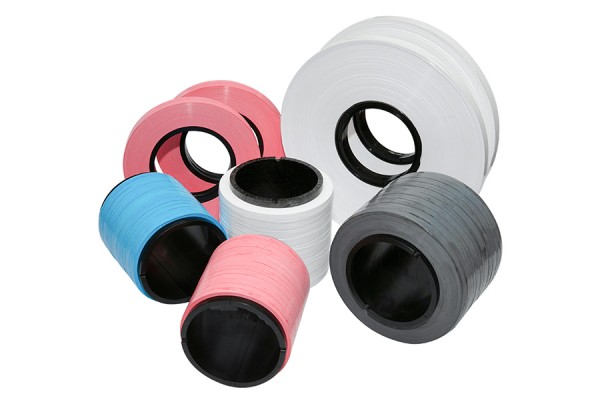
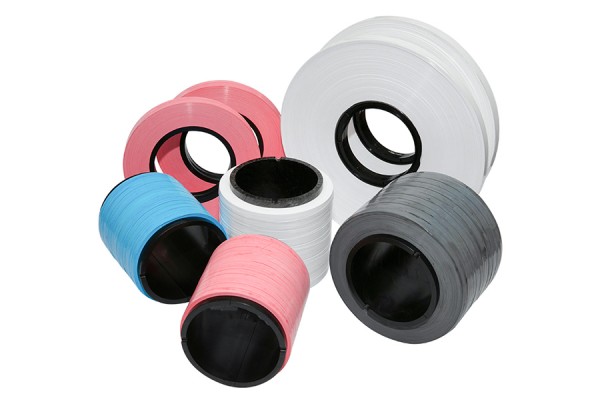
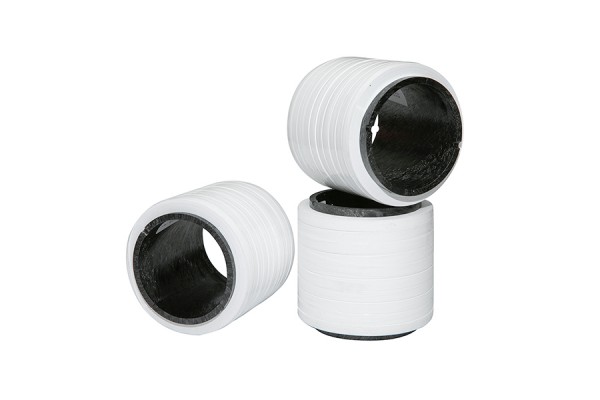
Moreover, ePTFE membranes are lightweight yet strong, making them suitable for numerous industrial settings. Their durability and flexibility ensure they can endure dynamic conditions without tearing or degrading. This strength is essential in environments where high speed transmission line PTFE wrapping tape and PTFE wrapping film are used, as they need reliable protection against wear and tear. As a result, incorporating ePTFE membranes into filtration systems enhances overall performance and efficiency across various sectors.
"The integration of advanced materials like ePTFE ensures that modern filtration systems meet the increasing demands of performance and reliability."
Applications of ePTFE in Filtration
ePTFE membranes find diverse applications in various filtration systems due to their unique properties. These membranes are instrumental in both air and liquid filtration processes. In air management systems, ePTFE membranes efficiently separate particles and contaminants, ensuring clean air in industrial environments, clean rooms, and HVAC systems. Their hydrophobic nature enables them to repel water while allowing vapor to pass through, which makes them valuable in applications needing moisture control.
In fluid management, ePTFE membranes enhance the filtration of liquids by providing a barrier against particulates and pathogens without compromising flow rates. This capability is particularly crucial in water treatment facilities and pharmaceutical applications where purity standards are stringent. Additionally, their chemical resistance ensures longevity and reliability across various harsh environments. Given the increasing demand for effective filtration solutions, the versatility of ePTFE membranes positions them as a preferred choice in numerous sectors, including healthcare, automotive, and food processing industries.
ePTFE Membranes in Air Management
ePTFE membranes play a key role in air management systems, primarily due to their exceptional permeability and filtration efficiency. These membranes allow for the selective passage of air while effectively blocking contaminants such as dust, pollen, and microbial particles. In various applications, including HVAC systems, industrial ventilation, and environmental monitoring, ePTFE membranes ensure high indoor air quality by filtering out harmful substances. The hydrophobic nature of ePTFE enhances its performance by repelling water while maintaining breathability, which is essential for preventing moisture build-up that can compromise efficiency. Furthermore, the chemical resistance of these membranes enables them to withstand harsh environments without degrading. This durability makes them suitable for prolonged use in diverse industrial settings. As industries continue to prioritize air quality management, the reliance on ePTFE membranes is expected to grow, driven by their unique attributes that align with stringent performance standards and regulatory requirements.
Benefits of ePTFE in Fluid Filtration
ePTFE membranes are significant in fluid filtration due to their outstanding chemical resistance and durability. These membranes can effectively filter a wide range of fluids, including aggressive solvents and corrosive chemicals, making them ideal for industrial applications. Their unique microporous structure allows for high flow rates while retaining particles as small as 0.1 microns. This feature ensures efficient removal of contaminants without compromising the filtration speed, which is essential in processes requiring quick turnaround times. Additionally, ePTFE’s hydrophobic nature prevents pore wetting, maintaining the integrity of the membrane even in challenging conditions. This property enhances filtration efficiency while reducing maintenance needs. Furthermore, ePTFE membranes are lightweight and flexible, which facilitates easy integration into existing systems. These benefits make ePTFE an attractive choice for manufacturers looking to optimize fluid filtration processes across diverse industrial applications.
Comparative analysis of Filtration Materials
When examining various filtration materials, ePTFE membranes stand out due to their impressive balance of performance and durability. Compared to traditional filtration media, ePTFE offers superior chemical resistance, allowing it to function effectively in harsh environments where other materials may degrade. Additionally, its non-porous structure enables effective separation of fine particles while maintaining low pressure drops, which is vital for efficient operation in both air and fluid management.
Other materials such as polypropylene and nylon provide their own advantages, including affordability and easy manufacturability. However, they may not match the long term performance that ePTFE membranes offer, especially when faced with extreme temperatures or aggressive chemicals. This distinction becomes crucial in applications where reliability and longevity are prioritized.
Moreover, when assessing filtration efficiency, the unique characteristics of ePTFE lead to enhanced particle retention capabilities. This capability appeals to industries demanding high standards of cleanliness and safety. In summary, while various materials serve specific functions within the filtration landscape, ePTFE demonstrates notable advantages that make it a preferred choice for demanding applications.
Innovations in ePTFE Technology
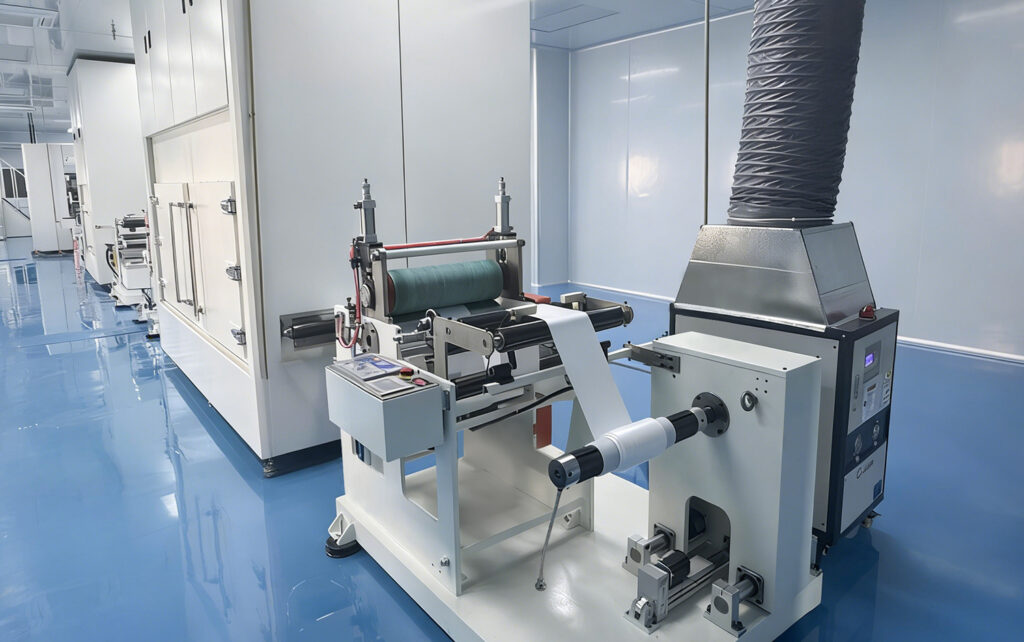
Recent advancements in ePTFE technology have significantly transformed filtration solutions across various sectors. Enhanced manufacturing processes have led to the development of membranes with superior permeability and selectivity. These improvements allow for more efficient filtering of air and liquids, which is essential in industries such as pharmaceuticals and food processing. Furthermore, innovations have introduced composite structures, combining ePTFE with other materials to enhance mechanical strength and thermal stability. This fusion not only extends the lifespan of membranes but also broadens their application range, making them suitable for harsh environments. In addition, the integration of nanotechnology has enabled the creation of membranes that feature finer pore sizes, further optimizing their filtration capabilities. These technological strides emphasize how ePTFE membranes are evolving to meet the increasing demand for effective air and fluid management solutions while maintaining sustainability and reducing waste in production processes.
Challenges in ePTFE Membrane Use
The application of ePTFE membranes in filtration systems presents several challenges that need addressing. Firstly, the material, while known for its remarkable chemical resistance and durability, can encounter difficulties in specific environments. For instance, exposure to extreme temperatures can affect its filtration efficiency and integrity over time. Furthermore, the manufacturing process of ePTFE membranes often involves intricate techniques that can lead to variances in quality and performance. These inconsistencies may affect reliability when integrated into critical systems. Additionally, while ePTFE membranes provide excellent permeability, their susceptibility to fouling from particulate matter or chemical agents poses a significant challenge for long term use. Regular maintenance and replacement may be necessary to ensure optimal operation, which can increase operational costs and downtime, complicating their usability in environments that demand high reliability. Understanding these challenges is essential for developers seeking to maximize the potential of ePTFE membranes in diverse applications.
Future trends in Filtration Solutions
The landscape of filtration solutions is evolving rapidly, driven by advancements in material science and technology. Emerging trends indicate a growing emphasis on sustainability, leading to the development of more environmentally friendly filtration materials. ePTFE membranes are at the forefront, offering durability and enhanced performance while being recyclable. Furthermore, there is a shift toward smart filtration systems that incorporate sensors and IoT technology for real time monitoring and management of air and fluid quality. These innovations allow for precise filtration adjustments based on varying environmental conditions.
Alongside these trends, industries are increasingly focusing on efficient designs that minimize energy consumption during operation. The integration of nanotechnology within ePTFE membranes is gaining attention due to its potential to significantly improve filtration efficiency and reduce overall weight. As regulations become more stringent regarding air quality and safety standards, the demand for high-performance membranes will likely surge, leading to increased research and development efforts. The interplay between these trends suggests a future where filtration solutions not only meet industrial needs but also contribute positively to environmental goals.
Conclusion
the role of ePTFE membranes in modern filtration solutions cannot be overstated. Their unique properties, such as chemical resistance, thermal stability, and microporosity, enable them to excel in diverse applications across various industries. As businesses increasingly prioritize effective air and fluid management, ePTFE membranes provide essential support in meeting regulatory compliance and operational efficiency. While challenges remain in their production and deployment, ongoing innovations are helping to address these issues, leading to broader adoption. The future of filtration solutions is likely to see even more advancements in ePTFE technology, enhancing capabilities and performance metrics. As industries continue to evolve, the importance of ePTFE membranes will remain vital for achieving superior filtration outcomes, showcasing the enduring relevance of this material in contemporary practices.
Frequently asked questions
what is ePTFE?
ePTFE stands for expanded polytetrafluoroethylene, a versatile polymer known for its unique porous structure that enhances filtration efficiency.
What are the main uses of ePTFE membranes?
ePTFE membranes are primarily used in filtration applications such as air and fluid management across diverse industries, including pharmaceuticals, food and beverage, and environmental protection.
How does ePTFE improve filter performance?
ePTFE enhances filter performance by providing a high degree of porosity and chemical resistance, allowing effective separation of particles while maintaining high flow rates.
Are ePTFE membranes suitable for high-temperature applications?
Yes, ePTFE membranes can withstand elevated temperatures, making them ideal for applications that involve thermal processes or extreme environments.
What challenges are associated with using ePTFE membranes?
Some challenges include the potential for fouling in certain applications and the need for careful consideration of compatibility with specific fluids or gases during use.
How long do ePTFE membranes last?
The lifespan of ePTFE membranes depends on factors such as application conditions, maintenance practices, and the specific environment in which they are used. Regular monitoring can help maximize their durability.