Key takeaways
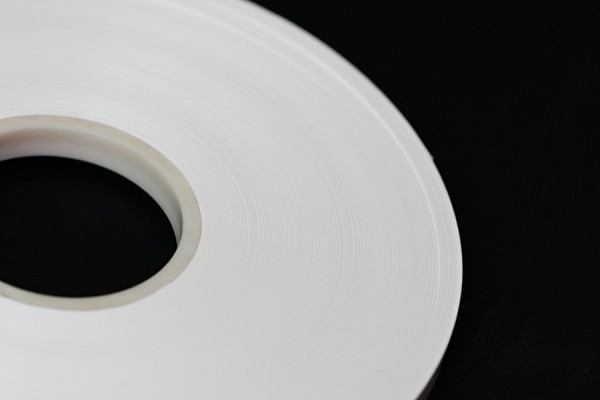
PTFE film stands out for its unique properties that cater to a diverse range of applications across multiple industries. Its remarkable chemical resistance ensures longevity in harsh environments, protecting equipment from degradation due to corrosive substances. Additionally, the film’s thermal stability allows it to function effectively in extreme temperature ranges, making it an ideal material for industries such as aerospace and electronics. The low-friction surface of PTFE film reduces wear and tear on mechanical components, ultimately contributing to improved operational efficiency and a longer service life for machinery. Innovative applications continue to emerge, showcasing the adaptability of PTFE film in fields like telecommunications and pharmaceuticals. The growing focus on sustainability will likely drive further developments in PTFE formulations, enhancing their performance while addressing environmental considerations. As industries increasingly rely on advanced materials, PTFE film’s multifaceted benefits position it as an essential contributor to modern technological advancements.
Understanding PTFE Film Properties
PTFE film is renowned for its exceptional properties, making it a sought-after material in various applications. Its chemical resistance is one of its defining characteristics, allowing it to withstand a wide range of aggressive substances without degrading. This property ensures longevity and reliability in demanding environments. Furthermore, PTFE film exhibits remarkable thermal stability, enabling it to operate effectively across a broad temperature spectrum. This thermal resilience makes it suitable for applications that experience extreme conditions.
In terms of friction, PTFE film provides a low-friction surface, which is particularly beneficial in reducing wear and tear in mechanical systems. The low friction also enhances the performance of high-speed transmission line PTFE wrapping tape and other cable solutions like PTFE cable wrapping tape and PTFE Thread Seal Tape. These attributes contribute to the efficiency of mechanisms where movement or flow is critical.
Innovative formulations, such as DAC high-speed cable wrapping film and various high-speed cable wrapping films including AEC, AOC, and ACC types, capitalize on these properties to improve functionality in advanced applications. Such enhancements make PTFE films indispensable across diverse industrial sectors.
Applications of PTFE Film in Industry
PTFE film is widely utilized across various industries due to its remarkable properties. In the chemical sector, it serves as a lining material for pipes and tanks, effectively preventing corrosion and chemical leakage. Its durability allows for extended use in harsh environments, thus enhancing safety and reliability. In the electrical industry, PTFE film is commonly used as insulation material in wiring and electronic components, providing excellent dielectric properties that ensure signal integrity. Additionally, its low friction characteristics make it ideal for bearings and sliding surfaces in machinery, reducing wear and enhancing performance. The automotive industry also benefits from PTFE film in fuel systems and under-the-hood applications where resistance to high temperatures is essential. Furthermore, the flexibility of PTFE film enables its use in various unique applications, including conveyor belts and protective coverings that must withstand extreme conditions while maintaining flexibility and performance. Overall, the versatility of PTFE film contributes significantly to its adoption across diverse industrial applications.

Chemical resistance of PTFE Film
PTFE film exhibits exceptional chemical resistance, making it highly effective in environments exposed to aggressive substances. This property allows PTFE to withstand various acids, bases, and solvents without degrading, which is key for applications in chemical processing and manufacturing. The inert nature of PTFE means it does not react with most chemicals, providing a reliable barrier that prevents chemical reactions from occurring. This resistance minimizes material degradation and extends the lifespan of equipment, ultimately leading to reduced maintenance costs. Furthermore, PTFE’s ability to maintain performance under a wide range of temperatures enhances its utility in diverse applications. Industries that rely on messaging integrity and performance can trust PTFE film to protect against leakage and corrosion effectively. With increased demand for safer and more reliable materials in various sectors, the role of PTFE film in ensuring chemical stability continues to grow.
Thermal stability in PTFE Film
PTFE film exhibits remarkable thermal stability, making it suitable for applications that require reliable performance across a wide temperature range. It maintains its structural integrity and functionality in environments with temperatures from -150°C to 260°C. This extensive temperature resistance allows PTFE film to perform effectively in both freezing and high-heat applications, reducing the risk of deformation or failure. Such thermal resilience is crucial for industries that operate under extreme conditions, including aerospace, chemical processing, and electronics. The film’s ability to withstand thermal fluctuations without compromising its physical properties ensures that it remains a preferred choice for insulating materials in microwave communications and other high-tech applications. As technology advances and the demand for reliable materials increases, the thermal stability of PTFE film remains a key factor in reinforcing its versatility across various sectors.
Low friction benefits of PTFE Film
PTFE film exhibits remarkable low friction properties, making it an ideal choice for various applications where minimizing resistance is essential. Its smooth surface reduces the coefficient of friction, facilitating easier movement between surfaces. This characteristic proves useful in industries such as manufacturing and packaging, where machinery efficiency is critical. Moreover, the low friction inherent in PTFE film contributes to less wear and tear on equipment components, leading to prolonged service life and reduced maintenance costs. In addition to mechanical applications, this property enhances performance in electrical insulation by minimizing signal loss in cables. These attributes position PTFE film as a reliable material for enhancing operational efficiency across diverse sectors. As industries increasingly prioritize sustainability and cost-effectiveness, the adoption of low friction PTFE film is likely to expand further in future applications.
Innovative uses for PTFE Film
PTFE film has found numerous innovative applications across various sectors, reflecting its adaptability and unique properties. In the electronics industry, PTFE film serves as insulation for high-frequency circuits and cables, ensuring reliable performance in advanced communication technologies. The film’s low dielectric constant and excellent thermal stability contribute to enhanced signal integrity and energy efficiency. In the pharmaceutical sector, PTFE film is utilized in packaging materials that provide chemical resistance and maintain product purity. This application is increasingly important given the stringent regulations surrounding drug manufacturing and distribution. Additionally, in the aerospace industry, PTFE film acts as a protective barrier in critical components exposed to extreme temperatures and harsh environmental conditions, improving durability and reliability. The versatility of PTFE film also extends to the food processing industry, where it is used in conveyor belts and food contact surfaces due to its non-stick properties and ease of cleaning. These varied uses reflect how PTFE film continues to be an essential material in enhancing product performance across numerous fields.
PTFE Film in Advanced Technologies
PTFE film plays a significant role in many advanced technological applications due to its unique characteristics. It is commonly utilized in the manufacturing of high-performance electronic components, where its low dielectric constant and excellent insulation properties are essential. This film is particularly valuable in the production of circuit boards and capacitors, providing reliable performance in high-frequency circuits. Additionally, the film’s thermal stability allows it to withstand extreme temperatures without degrading, making it suitable for demanding environments such as aerospace and automotive industries.
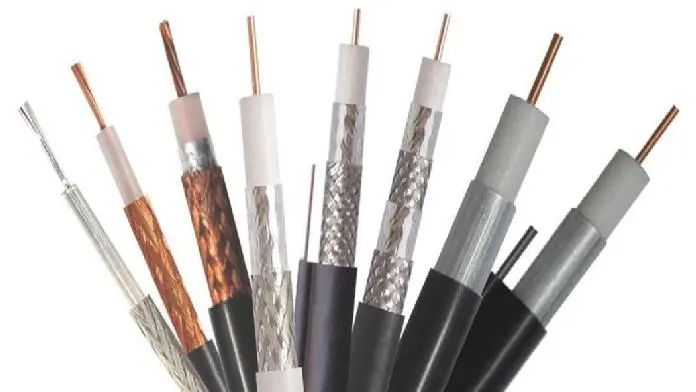
In telecommunications, PTFE film is increasingly adopted for insulating cables used in 5G networks and satellite communications. Its resistance to chemical corrosion enhances the durability of cables exposed to harsh conditions. Furthermore, the lightweight nature of PTFE film contributes to overall efficiency in applications where weight is a critical factor. As technology continues to evolve, ongoing research aims to explore innovative uses for PTFE film, potentially expanding its application across various fields such as renewable energy and medical devices.
Future trends for PTFE Film Applications
The future of PTFE film applications appears promising as industries continue to recognize its unique advantages. Innovations in manufacturing techniques are likely to enhance the performance and versatility of PTFE films, allowing them to meet the demands of emerging technologies. For instance, advancements in modified PTFE films could result in products with higher creep resistance and improved thermal properties, making them suitable for more demanding environments, such as aerospace and energy sectors. Moreover, the growing emphasis on sustainability may drive the exploration of eco-friendly modifications to PTFE films. As communication technologies advance, particularly in telecommunications and data transfer, the need for high-performance insulating materials like PTFE film will become increasingly important. Additionally, ongoing research into nanotechnology may lead to revolutionary applications of PTFE films in various fields. The interaction between these trends suggests that PTFE films will continue to evolve and serve an integral role across a diverse range of industries.
Conclusion
PTFE film demonstrates remarkable versatility and utility in modern applications, owing to its unique properties. Industries ranging from electronics to pharmaceuticals benefit from its chemical resistance, making it ideal for environments that encounter aggressive substances. Its thermal stability ensures that devices remain functional under extreme temperatures, which is critical for sectors such as aerospace and automotive. Additionally, the low friction characteristics of PTFE film enhance mechanical efficiency and longevity, further solidifying its role across various applications. As demand for advanced materials increases, ongoing innovations in PTFE film technology will likely open new avenues for its use. This adaptability positions PTFE film as a key material in the evolving landscape of modern technology and industry, reflecting both current needs and future possibilities. As research continues to uncover new potentials for this material, its contributions will undoubtedly remain significant across diverse fields.
FAQs
What is PTFE film?
PTFE film is a high-performance polymer known for its chemical resistance, thermal stability, and low friction properties, making it suitable for various industrial applications.
What industries commonly use PTFE film?
PTFE film is widely used in industries such as chemical processing, electronics, aerospace, automotive, and food processing due to its unique characteristics.
How does PTFE film provide chemical resistance?
PTFE film maintains its structural integrity when exposed to aggressive chemicals, acids, and bases without degrading, thereby preventing corrosion and leaks.
What are the thermal stability limits of PTFE film?
PTFE film can withstand a temperature range from -150°C to 260°C while preserving its essential properties, making it ideal for extreme thermal applications.
Can PTFE film reduce friction in mechanical systems?
Yes, PTFE film has a low coefficient of friction that minimizes resistance between surfaces in mechanical systems, thus enhancing performance and reducing wear on components.
Are there innovative applications for PTFE film?
Yes, innovative uses include insulation in high-frequency electronics, packaging in the pharmaceutical industry, and protective barriers in aerospace components.
How is PTFE film expected to evolve in the future?
Future advancements may include improved formulations that enhance performance characteristics and eco-friendly modifications to meet sustainability goals.