Key takeaways
teflon film is a crucial material across various industries, owing to its distinctive properties. Its remarkable chemical resistance enables it to withstand harsh environments, prolonging equipment life and minimizing maintenance requirements. The film’s ability to function effectively in high-temperature settings highlights its versatility, providing solutions where traditional materials fail. Low friction characteristics reduce wear and energy consumption, which is particularly beneficial in mechanical systems where efficiency is paramount. Furthermore, advancements in Teflon technology have led to the development of thinner and lighter films that maintain performance without sacrificing durability. These innovations open up new possibilities for Teflon applications in specialized fields such as aerospace and electronics. Ultimately, the unique attributes of Teflon film not only enhance product reliability but also boost operational performance across a broad spectrum of applications, making it an invaluable resource for modern engineering challenges.
The versatile applications of Teflon Film
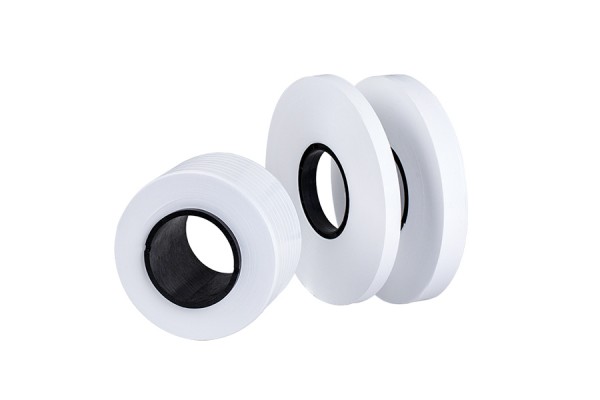
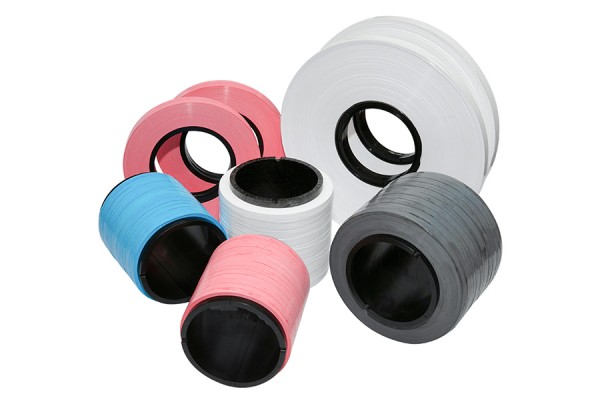
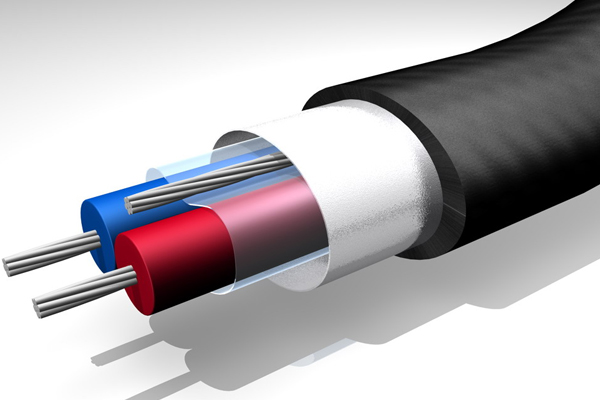
Teflon film is integral across a variety of industries due to its unique properties. The exceptional chemical resistance of PTFE wrapping film, such as PTFE Thread Seal Tape, allows it to thrive in environments with harsh chemicals, safeguarding equipment and extending the lifespan of components. Industries often rely on high-speed transmission line PTFE wrapping tape for insulation, where its low dielectric loss aids in efficient signal transmission. Moreover, the versatility of Teflon film extends to applications in coatings and insulation materials, improving performance through reduced friction and enhanced thermal stability. The DAC high-speed cable wrapping film and similar products effectively protect sensitive wires in high-frequency applications, ensuring reliability. Additionally, AEC high-speed cable wrapping film promotes durability and shields against environmental factors that could compromise electrical integrity. Such innovations illustrate the adaptability and application range of Teflon film, making it a vital material for advancing technologies across multiple sectors.
Understanding teflon film properties
teflon film possesses several key properties that contribute to its widespread use across various industries. One of its most notable features is its chemical resistance. It can withstand harsh substances, making it an ideal choice for environments that involve corrosive chemicals. This resistance ensures longevity and reliability in applications that demand performance under challenging conditions. Another important property is its thermal stability, which allows Teflon film to maintain functionality at both high and low temperatures, ranging from extreme cold to high heat without deformation.
Additionally, the low-friction nature of Teflon film plays a vital role in many applications. It provides a smooth surface that reduces wear and energy consumption, contributing to improved efficiency in machinery and equipment. The unique micro-porous structure of the film also aids in insulation capabilities, which is crucial for maintaining performance in electrical applications. Understanding these properties helps industries leverage Teflon film effectively to enhance product performance and reliability across various applications.
Chemical resistance of Teflon Film
Teflon film exhibits remarkable chemical resistance, making it an essential material in environments where exposure to aggressive substances occurs. This film effectively withstands a wide range of chemicals, including acids, bases, and solvents. Its unique composition prevents chemical reactions and degradation, ensuring the integrity of the material over extended periods. Industries such as pharmaceuticals and food processing benefit significantly from Teflon film’s properties, as it not only prevents contamination but also enhances product purity. Additionally, Teflon’s low surface energy plays a key role in reducing adhesion of chemicals on surfaces, minimizing maintenance needs and prolonging equipment lifespan. The stability provided by Teflon film in challenging chemical conditions is a critical factor for manufacturers aiming to maintain efficiency while ensuring safety in their processes. Its ability to resist corrosion often leads to improved operational performance and reduced downtime spent on repairs or replacements related to chemical wear.
Teflon film in Coatings and Insulation
Teflon film’s unique properties make it highly effective in various coatings and insulation applications. Its chemical resistance prevents degradation from exposure to harsh substances, ensuring longevity and reliability in critical environments. Additionally, Teflon film’s low friction characteristics contribute to enhanced performance by reducing wear and energy consumption in moving parts or machinery. This is particularly beneficial in applications where friction could lead to failure or inefficiency.
In terms of insulation, Teflon film can withstand high temperatures without losing integrity, making it ideal for electrical and thermal insulating materials. As industries continue to prioritize safety and durability, the use of Teflon film as a coating or insulation solution becomes increasingly relevant. Its compatibility with other materials allows for versatile applications across sectors such as electronics, automotive, and chemical processing.
The expanding innovations in Teflon technology continue to position this material as a key player in meeting the demands of modern engineering challenges, thus enhancing overall system performance through improved coatings and insulation strategies.
Enhancing performance with Teflon Film
Teflon film significantly improves performance across various applications by leveraging its unique properties. Its chemical resistance allows it to function effectively in harsh environments, where exposure to aggressive substances might damage other materials. This resistance ensures that equipment maintains integrity, leading to longer service life and reduced maintenance costs. Furthermore, Teflon film’s low friction characteristics contribute to enhanced efficiency in mechanical systems. By minimizing friction between moving parts, it helps reduce wear and tear, which can lead to energy savings and improved operational effectiveness. In high-temperature settings, Teflon film remains stable without degrading, making it suitable for use in extreme conditions. This combination of properties allows industries to utilize Teflon film for applications ranging from insulation in electrical devices to coatings that protect surfaces from harsh chemicals, thereby elevating overall performance across different technological landscapes.
Teflon film’s Role in High-Temperature Environments
Teflon film plays an important role in high-temperature applications due to its exceptional thermal stability, which allows it to perform effectively in extreme conditions. It maintains its structure and properties across a wide temperature range, from -150°C to 260°C. This resilience makes Teflon film suitable for use in electrical insulation, heat shields, and components that require reliable operation at elevated temperatures. Furthermore, its chemical resistance ensures that it can withstand harsh industrial environments without degrading. Industries such as aerospace and automotive benefit significantly from Teflon film because it reduces wear and friction, which can lead to longer equipment life and improved efficiency. The ability to maintain performance under heat not only enhances the reliability of products but also contributes to safety standards across various sectors where high thermal conditions are commonplace.
Low friction benefits of Teflon Film
Teflon film is renowned for its low friction properties, which play a vital role in various applications. This characteristic significantly reduces wear between surfaces, making Teflon film ideal for components that experience regular motion, such as bearings and sliders. The minimal friction allows for smoother operation and efficient energy use in mechanical systems, leading to improved performance and longevity of the components. Furthermore, Teflon film’s low friction surface reduces the need for lubricants in many cases, simplifying maintenance routines and reducing operational costs. In industries such as manufacturing and automotive, where efficiency is key, Teflon film contributes to lower energy consumption while enhancing product reliability. The versatility of Teflon film also extends to its applications in electrical insulation, where its low friction properties aid in minimizing unwanted interference between components. Overall, the integration of Teflon film into different systems not only improves functionality but also streamlines processes across various sectors.
Innovations in Teflon Film Technology
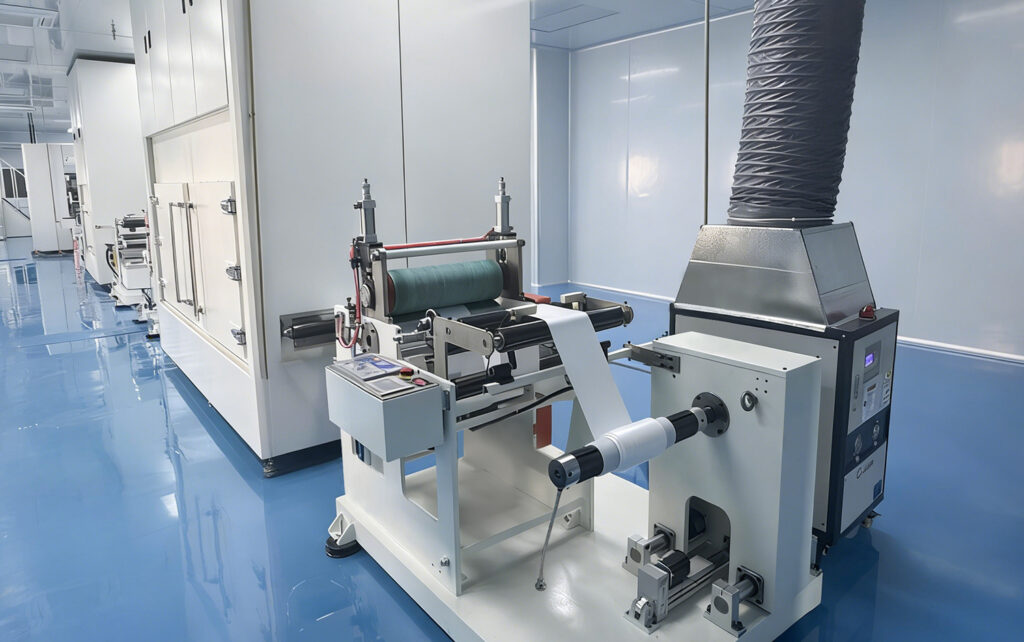
Recent advancements in Teflon film technology have significantly expanded its capabilities across various applications. Enhanced manufacturing processes have led to the development of films that maintain superior chemical resistance while being thinner and lighter, making them suitable for more specialized uses. Innovations such as blending Teflon with other polymers have resulted in composite materials that combine the benefits of both, improving flexibility and durability. Additionally, the introduction of nano-coatings has further optimized surface properties, promoting even lower friction coefficients and superior thermal stability. These developments enable Teflon films to perform effectively in demanding environments, such as aerospace and electronic components. As industries continue to seek materials that improve efficiency and reduce energy consumption, these technological advancements position Teflon film as a key player in meeting these growing demands.
Conclusion
teflon film emerges as a critical material across diverse industries, contributing significantly to performance improvement through its distinctive characteristics. Its chemical resistance ensures longevity in applications exposed to harsh substances, while its thermal stability supports functionality in extreme temperature environments. The low friction properties of Teflon film not only enhance the efficiency of mechanical systems but also lower maintenance needs, driving cost reductions in various sectors. Innovations in Teflon technology further enhance its versatility and effectiveness, allowing for tailored solutions that meet specific industry demands. As industries evolve and face new challenges, the integration of Teflon film will likely continue to play a vital role in enhancing operational performance and product reliability across multiple applications.
FAQs
What is Teflon film?
Teflon film is a polymer film made from polytetrafluoroethylene (PTFE), known for its unique properties like chemical resistance, low friction, and high thermal stability.
What are the primary applications of Teflon film?
Teflon film is used in various industries, including automotive, aerospace, electronics, and food processing, primarily for coatings and insulation.
How does Teflon film enhance performance in machinery?
Teflon film reduces friction between moving parts, leading to lower wear rates and enhanced energy efficiency in mechanical systems.
Is Teflon film safe for food-related applications?
Yes, Teflon film is widely used in food processing due to its non-reactive nature and ability to withstand high temperatures without leaching harmful substances.
How does Teflon film perform in high-temperature environments?
Teflon film maintains its structural integrity across a wide temperature range, allowing it to function effectively without degradation under extreme heat.
Can Teflon film be used for electrical insulation?
Absolutely. Teflon film is an excellent insulator that withstands high voltages while providing reliable protection against harsh environmental conditions.
Are there any recent innovations in Teflon technology?
Recent innovations include the development of thinner, lighter films with superior chemical resistance and new composite materials that enhance flexibility and durability.