Key takeaways
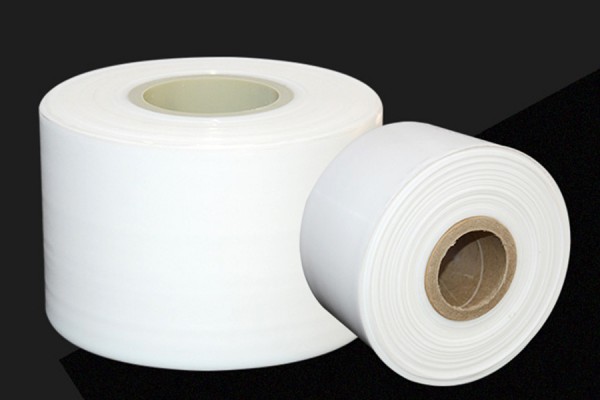
advanced PTFE wrapping tape significantly impacts the performance of high-speed transmission lines. Its unique properties, such as a low dielectric constant and excellent electrical insulation, improve signal integrity and reduce latency. By minimizing signal loss, PTFE enables faster data transmission, making it essential for modern electronic devices where efficiency is crucial. Additionally, its durability against extreme temperatures and resistance to chemicals extend the lifespan of transmission lines in various environments. The versatility of PTFE is evident in its wide range of applications, from consumer electronics to telecommunications, highlighting its importance in ensuring reliable connectivity. Furthermore, as technology progresses and demand for higher data transfer speeds rises, the advantages offered by PTFE wrapping tape will become increasingly integral to future innovations in high-speed communication systems. Evaluating the comparative effectiveness of PTFE against traditional materials reveals its superiority in maintaining signal quality under demanding conditions. Adopting PTFE solutions may pose some challenges regarding implementation costs and technical requirements; however, the long-term benefits firmly establish it as a preferred choice for enhancing electronic communication efficiency.
Properties of PTFE Wrapping Tape
High-speed transmission line PTFE wrapping tape exhibits several key properties that make it an essential material for modern electronic applications. One of its most important characteristics is its low dielectric constant, which minimizes signal delays and enhances signal quality in high-frequency operations. This property is critical for maintaining performance in high-speed data transmission lines. Additionally, PTFE wrapping film provides excellent electrical insulation, effectively preventing short circuits and signal leakage, which can compromise connectivity and transmission efficiency.
The material’s stability across a wide temperature range, spanning from -200°C to +260°C, ensures reliable performance even in extreme conditions. Moreover, its chemical inertness means it resists corrosion from various chemicals and solvents, promoting a long service life. The hydrophobic nature of PTFE also plays a role in maintaining stable electrical performance in humid environments, making it suitable for diverse applications. Overall, the unique characteristics of PTFE cable wrapping tape contribute significantly to enhancing the reliability and efficiency of high-speed data transfer systems.
Benefits of Using PTFE in Transmission Lines
PTFE provides several advantages that significantly improve the performance of transmission lines. Its low dielectric constant minimizes signal loss, allowing for faster data transmission without the interference commonly found in other materials. Additionally, PTFE is an excellent electrical insulator, which prevents short circuits and ensures reliable signal integrity. Its resistance to extreme temperatures enables consistent performance in various environments, making it versatile for different applications.
"Transitioning to PTFE can lead to noticeable improvements in overall data transfer efficiency."
Moreover, the chemical inertness of PTFE protects transmission lines from corrosion and degradation caused by environmental factors, ensuring durability. The material’s hydrophobic properties help maintain optimal performance under varying humidity levels. These benefits make PTFE a preferred choice in high-speed transmission lines across advanced electronic devices, providing a stable and efficient medium for data transfer.
Applications of PTFE Tape in Electronics
PTFE wrapping tape finds extensive use in various electronic applications due to its unique properties. It serves as an excellent insulator in high-frequency data cables, helping to maintain signal integrity and reduce transmission losses. In microwave communication, PTFE tape is critical for insulating RF coaxial cables, ensuring reliable performance in demanding environments. Its stability under temperature fluctuations makes it suitable for devices that operate across a broad temperature range, from consumer electronics to industrial equipment. Furthermore, PTFE tape’s resistance to chemicals enhances its application in environments where exposure to solvents or corrosive materials is a concern. This versatility extends to telecommunications where it is used in fast-switching devices and artificial intelligence servers, highlighting the material’s growing role in modern technology. By incorporating PTFE tape into these systems, manufacturers can significantly enhance efficiency and reliability in data transmission processes.
Impact of PTFE on Data Transfer Speeds
PTFE wrapping tape significantly improves data transfer speeds in high-speed transmission lines. Its low dielectric constant minimizes signal delay, allowing for faster signal propagation. This property is essential in applications where high-frequency signals are critical, as even slight delays can lead to degraded performance. Additionally, the excellent electrical insulation provided by PTFE prevents energy loss from short circuits or leakage, which can further enhance signal integrity. The ability of PTFE to maintain stability across a wide temperature range ensures consistent performance, even in extreme environments. This reliability reinforces its role in advancing the efficiency of modern communication systems. Furthermore, the hydrophobic nature of PTFE contributes to its overall performance by resisting moisture absorption, which can otherwise negatively influence data transfer rates. As technology continues to advance and demand for faster and more reliable data increases, the value of PTFE in optimizing transmission lines becomes increasingly apparent in various electronic applications.
Comparing PTFE with Traditional Materials
When evaluating PTFE wrapping tape against traditional materials like PPO, the differences in performance and durability become quite noticeable. PTFE offers a significantly lower dielectric constant, which minimizes signal losses and delays. In contrast, traditional materials often struggle with higher dielectric constants, leading to degraded signal integrity. Additionally, PTFE’s chemical inertness enables it to withstand exposure to various environmental conditions without deteriorating, while conventional materials may corrode or degrade over time.
Moreover, PTFE handles a wider temperature range effectively; while PPO performs reasonably well under moderate conditions, its limitations become evident in extreme environments. The hydrophobic nature of PTFE helps maintain stable performance in humid conditions, a challenge for many traditional insulating materials that may absorb moisture and compromise their performance.
These key differences underscore the growing preference for PTFE wrapping tape in high-speed transmission lines where data integrity and reliability are paramount. As electronic devices demand faster data transfer rates and greater stability, the comparative advantages of PTFE over traditional materials will likely play a critical role in shaping future technologies.
Future trends in High-Speed Transmission Technology
The landscape of high-speed transmission technology is rapidly evolving, driven by the increasing demand for faster data transfer and more efficient communication systems. As applications in artificial intelligence, cloud computing, and the Internet of Things expand, the need for reliable materials like PTFE wrapping tape becomes more crucial. Innovations in PTFE technology are focusing on enhancing its properties to meet these challenges. For example, researchers are exploring ways to improve the tape’s dielectric characteristics further while maintaining its lightweight nature. Additionally, advancements in manufacturing processes are expected to reduce production costs and increase scalability.
In parallel, there is a growing interest in integrating PTFE solutions with emerging technologies such as 5G networks and fiber optics. This integration aims to optimize performance while ensuring the longevity of transmission lines under various conditions. Furthermore, sustainability is becoming a key consideration, prompting the development of eco-friendly alternatives without compromising performance. As engineers and manufacturers collaborate on refining these materials, ensuring compatibility with next-generation systems will be essential for continuing advancements in high-speed networks.
Challenges in Implementing PTFE Solutions
Implementing PTFE solutions in high-speed transmission lines presents several challenges that require careful consideration. One significant issue is the cost associated with sourcing and processing PTFE materials, which can exceed that of traditional insulating solutions. This higher cost may deter some manufacturers from adopting PTFE, despite its performance advantages. Additionally, the production techniques for working with PTFE can be intricate and demand specialized equipment and expertise, leading to potential delays in manufacturing processes.
Another challenge lies in the compatibility of PTFE with existing systems. Transitioning to PTFE may necessitate modifications in equipment design or installation practices, which could involve additional investments and training for personnel. Moreover, while PTFE is known for its durability, it can be less forgiving than some alternatives when exposed to mechanical stress or extreme conditions, which raises questions about its long term reliability in all applications.
Lastly, ongoing research is needed to fully understand the interaction of PTFE with emerging technologies and ensure its effectiveness across various operating environments. This aspect adds an element of unpredictability as companies strive to remain competitive and meet the evolving demands of high-speed data transfer while integrating new materials like PTFE.
Understanding the Science Behind PTFE Performance
PTFE, or polytetrafluoroethylene, exhibits unique properties that significantly enhance its performance in high-speed transmission lines. Its low dielectric constant is critical for reducing signal delays, allowing for faster data transmission. This characteristic also minimizes capacitive coupling, which can hinder signal integrity. The excellent electrical insulation provided by PTFE prevents short circuits and signal leakage, ensuring reliable communication. Furthermore, the material’s resistance to extreme temperatures from -200°C to +260°C enables it to function effectively in a variety of environments without degrading.
The chemical inertness of PTFE plays a vital role in its durability; it resists many corrosive substances and solvents, contributing to a longer lifespan in demanding applications. Additionally, its hydrophobic nature helps maintain performance stability even in humid conditions. The scientific design behind PTFE wrapping tape supports these benefits by employing a fibrous microporous structure that optimizes both density and dielectric loss. By understanding these scientific principles, industries can better appreciate the advantages of using PTFE in high-speed transmission technologies, paving the way for enhanced electronic performance.
Conclusion
advanced PTFE wrapping tape stands out as a crucial component in enhancing the performance of high-speed transmission lines. Its low dielectric constant and excellent electrical insulation properties contribute to improved signal integrity and reduced latency. As the demand for faster and more reliable data transmission grows, the advantages of PTFE become increasingly relevant. Furthermore, its resistance to temperature fluctuations and chemical exposure ensures durability and longevity in a variety of environments. These characteristics position PTFE not only as a suitable choice for current technology but also suggest its potential role in future innovations. Manufacturers are likely to continue integrating PTFE solutions into their systems, optimizing data transfer across numerous applications. However, challenges related to cost and compatibility may influence the rate at which this material is adopted in the industry. Overall, the ongoing exploration of PTFE’s applications in high-speed transmission will play a significant role in shaping the future of electronic communications.
FAQs
What is PTFE wrapping tape?
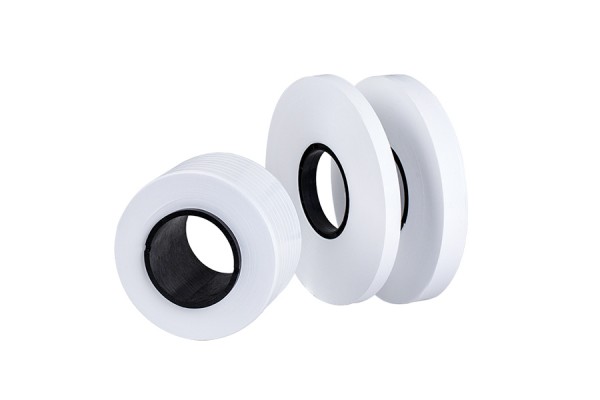
PTFE wrapping tape is a specialized insulating tape made from polytetrafluoroethylene, known for its low dielectric constant and excellent electrical insulation properties.
What are the main benefits of using PTFE in transmission lines?
Using PTFE in transmission lines improves signal integrity, reduces signal loss, and enhances durability against environmental factors.
How does PTFE wrapping tape impact data transfer speeds?
PTFE lowers signal delays due to its low dielectric constant, which allows for faster data transmission in high-speed communication systems.
Are there any challenges associated with implementing PTFE solutions?
Yes, challenges include higher costs compared to traditional materials, the need for specialized processing techniques, and potential compatibility issues with existing systems.
What applications benefit from PTFE wrapping tape?
PTFE is widely used in high-frequency data cables, RF coaxial cables in microwave communication, and environments where chemical exposure is a concern.