Key takeaways
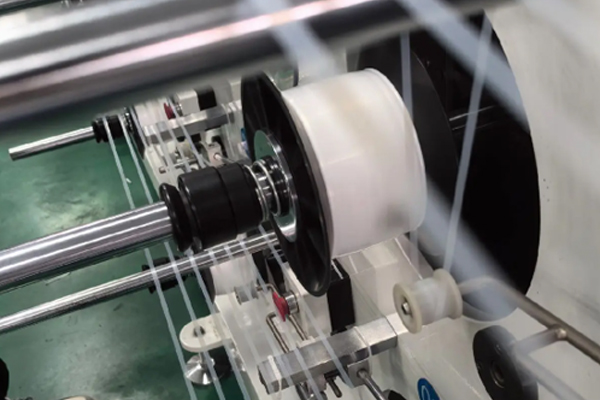
PTFE high-speed cable film stands out in improving data transmission for modern electronic applications. Its low dielectric constant is key to reducing signal delay, making it vital for devices requiring rapid data transfer. The exceptional electrical insulation properties of PTFE not only prevent signal loss but also ensure consistent communication integrity. This is particularly important in sectors where reliability is critical, such as telecommunications and aerospace. The material’s remarkable stability across a wide temperature range enhances its adaptability in challenging environments, safeguarding performance under extreme conditions. Additionally, the chemical resistance of PTFE contributes to its longevity, further solidifying its role as a preferred choice for high-frequency cable applications. Collectively, these attributes underscore the importance of PTFE high-speed cable film in advancing technology and meeting the demands of increasing data transmission requirements.
PTFE Film for High-Speed Cables
PTFE film plays a key role in the construction of high-speed cables, offering essential properties that enhance performance in demanding environments. Its low dielectric constant is crucial for minimizing signal delay, which is vital for high-speed transmission line PTFE wrapping tape applications. The excellent electrical insulation properties of PTFE wrapping film are significant in preventing signal loss and ensuring reliable data transmission. Additionally, PTFE cable wrapping tape can withstand a wide temperature range, maintaining stability from extreme cold to high heat. This resilience makes it particularly suitable for environments where temperature fluctuation is common. Furthermore, the chemical resistance of PTFE materials ensures longevity and durability, making them ideal options for various applications. Industries such as telecommunications and aerospace benefit from the use of DAC high-speed cable wrapping film and AEC high-speed cable wrapping film, which leverage the unique characteristics of PTFE to deliver superior performance. The versatility of this material extends its usability to different sectors, firmly establishing it as a key component in modern electronic applications.
Improving data transmission with PTFE
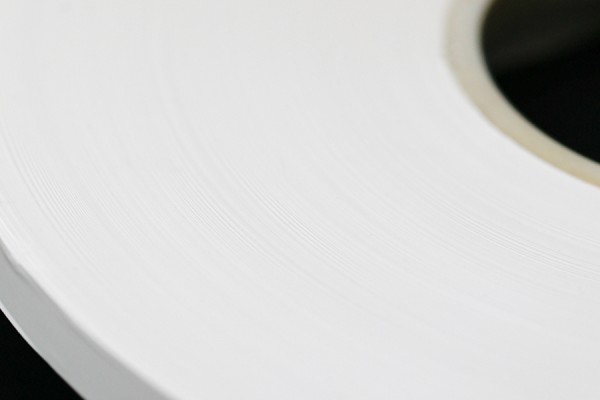
PTFE high-speed cable film significantly improves data transmission by addressing common issues such as signal delay. Its low dielectric constant minimizes both delay and capacitive coupling, which are critical factors in high-frequency applications. This property allows signals to travel with greater efficiency, ensuring that data is transmitted swiftly and accurately.
Additionally, PTFE’s excellent electrical insulation properties prevent shorting and leakage, further enhancing the integrity of the data being transmitted. This insulation is vital in maintaining reliable communication across various electronic devices that demand high performance. Moreover, PTFE’s ability to maintain stable performance across a wide temperature range means that it can consistently deliver quality results even in extreme environments.
As electronic applications evolve, the combination of these attributes makes PTFE high-speed cable film an important choice for industries that rely on rapid data transfer and operational reliability. The ongoing advancements in high-frequency technology continue to showcase the valuable role of PTFE in enhancing overall data transmission capabilities.
Benefits of PTFE in Electronics
PTFE high-speed cable film offers several important benefits for electronic applications. One key advantage is its ability to minimize signal delay, which is essential for maintaining high data transmission rates. This property is crucial in environments where data integrity and speed are paramount, such as in telecommunications and data centers. Additionally, PTFE provides excellent electrical insulation, significantly reducing the risk of signal shorting or leakage. This quality ensures reliable performance in various electronic devices. The stability of PTFE in extreme environments further enhances its value, as it can withstand a wide temperature range without compromising functionality. Moreover, its resistance to moisture and chemicals ensures longevity, making it suitable for applications in challenging conditions. In summary, the combination of these traits makes PTFE high-speed cable film an essential material for modern electronic systems.
Signal delay reduction techniques
reducing signal delay is essential for optimizing high-frequency data transmission. PTFE high-speed cable film plays a key role in this process. Its low dielectric constant minimizes the time it takes for signals to traverse through the cable, thus reducing lag. Additionally, the film’s unique molecular structure minimizes capacitive coupling, which is often a significant source of signal interference. By using PTFE film, engineers can create cables that not only transmit data more quickly but also maintain signal integrity over longer distances. Techniques such as appropriate layer thickness and careful material selection further enhance performance by contributing to low dielectric loss. As electronics continue to evolve and demand faster data rates, employing PTFE cable film becomes increasingly critical in developing advanced communication systems capable of supporting modern high-frequency applications. This advancement reinforces the importance of examining materials closely for their effectiveness in reducing signal delay across various electronic platforms.
Electrical insulation properties of PTFE
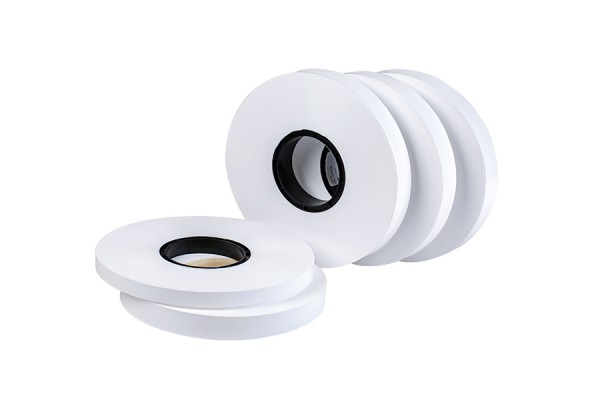
PTFE exhibits impressive electrical insulation properties, making it a vital component in high-speed cable applications. Its high dielectric strength significantly reduces the risk of signal shorting or leakage, ensuring reliable communication in various environments. The low dielectric constant of PTFE also minimizes signal loss, thus facilitating efficient data transmission. This insulation capability is crucial for modern electronic devices that operate at high frequencies and require effective shielding against interference. Additionally, PTFE’s stable chemical structure contributes to its resistance against moisture and corrosive substances, further enhancing its performance in harsh conditions. This combination of attributes positions PTFE as an essential material in applications such as telecommunications and data centers, where maintaining electrical integrity is paramount for optimal system functionality.
Stability in Extreme Environments
PTFE high-speed cable film maintains exceptional stability across a wide range of temperatures and environmental conditions. With a thermal stability extending from extreme cold to high heat, it remains functional from -200°C to +260°C, making it suitable for diverse applications where environmental extremes are common. This wide operational range ensures that electronic devices can perform optimally without the risk of material degradation. The film’s inherent chemical resistance also plays a vital role in providing reliability, as it withstands exposure to various corrosive substances without compromising its structural integrity. Additionally, PTFE’s hydrophobic nature offers moisture resistance, which is crucial in humid environments where electrical insulation may be threatened. These properties collectively enhance the durability and effectiveness of high-frequency cables used in modern electronic applications, allowing them to operate efficiently regardless of external conditions.
Applications of PTFE Cable Film
PTFE high-speed cable film is widely utilized in various industries due to its exceptional properties. In telecommunications, it enhances the performance of high-frequency data cables, ensuring stable and reliable data transmission. Its low dielectric constant minimizes signal delays, making it ideal for modern communication systems. In aerospace applications, PTFE cable film provides superior insulation and stability in extreme temperatures, essential for satellite and aircraft technologies. Additionally, this material is vital in semiconductor manufacturing, where its chemical resistance protects sensitive components from potential damage.
Moreover, data centers increasingly incorporate PTFE cable film in high-speed data communication systems to maintain signal integrity over long distances. Its moisture resistance also makes it suitable for outdoor applications in harsh weather conditions. With advancements in technology pushing the limits of data transmission speeds, the demand for PTFE cable film continues to grow, positioning it as a key material across diverse sectors focused on high-frequency applications.
Advancements in High-Frequency Technology
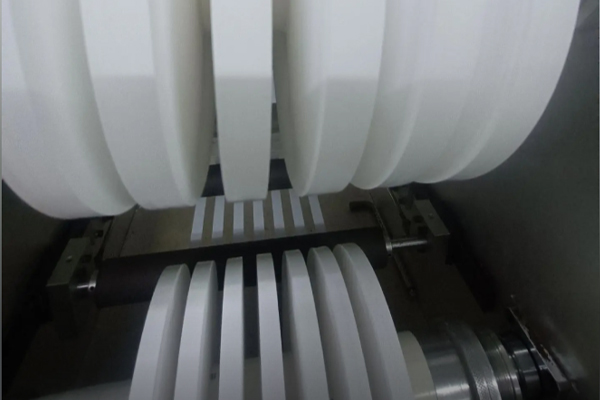
Recent advancements in high-frequency technology have dramatically transformed data transmission capabilities across various industries. These improvements hinge on the use of innovative materials, such as PTFE high-speed cable film, which has proven essential in optimizing performance. By leveraging the attributes of PTFE, including its low dielectric constant and exceptional electrical insulation properties, manufacturers can create cables that experience minimal signal loss and reduced delay. As electronic devices demand higher data speeds to support applications like 5G networks and IoT systems, the integration of PTFE film becomes increasingly vital. This material not only withstands extreme temperatures and environmental conditions but also contributes to higher fidelity in signal transmission. The ongoing research into the performance characteristics of PTFE continues to unlock new possibilities, enabling engineers to refine cable designs that adapt to ever-evolving technology landscapes. As these advancements progress, we can expect further enhancements that improve reliability and efficiency in high-frequency applications.
Conclusion
PTFE high-speed cable film represents a significant advancement in data transmission technology, addressing the challenges faced in modern electronic applications. Its ability to reduce signal delay through a low dielectric constant ensures that data travels quickly and efficiently, essential for high-frequency systems. The remarkable electrical insulation properties of PTFE prevent signal loss and maintain communication integrity in various environments. Furthermore, PTFE’s stability in extreme conditions enhances its appeal, allowing for consistent performance across a wide temperature range. These characteristics make PTFE cable film an invaluable component across industries such as telecommunications, aerospace, and semiconductor manufacturing. As technology continues to evolve and demand for rapid data transmission increases, the role of PTFE in facilitating high-frequency communication will undoubtedly become more critical, driving further innovation and application development.
FAQs
What is PTFE high-speed cable film?
PTFE high-speed cable film is a specialized material designed to improve the performance of high-speed data transmission cables by minimizing signal delay and ensuring excellent electrical insulation.
How does PTFE reduce signal delay?
PTFE reduces signal delay through its low dielectric constant, allowing signals to travel more efficiently with less lag.
What are the main benefits of using PTFE in electronic applications?
The main benefits of PTFE include its ability to minimize signal loss, provide exceptional electrical insulation, and maintain stability across a wide temperature range.
In what environments can PTFE cable film be effectively used?
PTFE cable film can be effectively used in extreme environments, including those with high temperatures and humidity, due to its stability and chemical resistance.
What industries benefit from PTFE high-speed cable film?
Industries such as telecommunications, aerospace, and semiconductor manufacturing benefit from PTFE high-speed cable film, as it ensures reliable data transmission in demanding applications.