Key takeaways
PTFE cable tape wrapping plays a vital role in enhancing high-frequency data transmission. Its unique properties, including excellent insulation, high-temperature resistance, and chemical durability, make it an ideal choice for various applications. In the realm of microwave and data communication technologies, PTFE effectively maintains signal integrity and reduces transmission losses. The hydrophobic nature of PTFE tape ensures that moisture does not compromise the insulation, further contributing to reliable performance. Additionally, the temperature resilience of PTFE allows it to function effectively in a range of environmental conditions without degrading. Overall, incorporating PTFE cable tape wrapping significantly improves the efficiency and reliability of high-frequency data transmission systems, which is crucial for meeting modern technological demands.
Properties of PTFE Cable Tape
PTFE cable tape exhibits a range of unique properties that contribute to its effectiveness in high-speed data transmission applications. Its low dielectric constant is close to that of air, minimizing signal delays and preventing capacitive coupling. This characteristic is vital for maintaining the integrity of signals in high-frequency environments. Additionally, PTFE wrapping film offers exceptional electrical insulation, safeguarding against short circuits or leakage. Another significant aspect is its remarkable temperature resistance, functioning effectively in a range from -200°C to +260°C. This allows PTFE cable wrapping tape to endure extreme conditions while maintaining performance. Moreover, its high chemical inertness ensures compatibility with various chemicals and solvents, reducing the risk of degradation over time. The intrinsic hydrophobic properties of PTFE also contribute to its reliability; moisture does not affect its performance, even in damp settings. These properties position high speed transmission line PTFE wrapping tape as an essential component for reliable performance in microwave technologies and data communication systems.
Applications of PTFE in Insulation
PTFE cable tape wrapping serves a vital role in insulation applications across various industries. Its exceptional dielectric properties make it an ideal choice for electrical insulation in high-frequency systems. The low dielectric constant of PTFE minimizes signal loss and transmission delays, contributing to effective performance in communication technologies. Furthermore, this tape provides reliable insulation, which helps prevent short circuits and leakage, ensuring the safe operation of electrical components. The versatility of PTFE extends to use in both microwave and radio frequency applications, where its ability to maintain signal integrity is particularly valuable. In environments where chemical exposure is a concern, PTFE’s high chemical inertness offers an added layer of protection. This combination of properties allows for its implementation not only in telecommunications but also in aerospace and automotive sectors, where reliable performance is crucial under varying conditions. As the demand for advanced insulation materials grows, the applications of PTFE cable tape wrapping continue to expand, solidifying its importance in modern technology.
Benefits of PTFE for Data Transmission
PTFE cable tape wrapping provides significant advantages for data transmission, primarily due to its low dielectric constant, which is comparable to that of air. This property reduces signal transmission delays and minimizes capacitive coupling, ensuring that high-frequency signals maintain integrity over long distances. Additionally, PTFE exhibits reliable electrical insulation, preventing issues such as short circuits or signal leakage. The material remains effective across a broad temperature range, from extremely low to high temperatures, ensuring consistent performance in various operating conditions.
Moreover, the chemical inertness of PTFE protects the tape from potential damage caused by exposure to different environments and substances. This feature is particularly beneficial in industrial applications where cables may encounter harsh conditions. The hydrophobic nature of PTFE tape ensures that moisture does not compromise its performance, a crucial factor in maintaining signal clarity and reliability during operation.
"Investing in PTFE cable wrapping can significantly elevate the reliability of high-frequency data transmission systems."
Role of PTFE in Microwave Technologies
PTFE cable tape plays a significant role in microwave technologies due to its unique electrical and thermal properties. This material acts as an exceptional insulator for microwave components, ensuring efficient signal transmission with minimal loss. Its low dielectric constant, which approaches that of air, is particularly beneficial as it reduces signal delays and interference, facilitating clearer communication in microwave systems. Moreover, the high temperature resistance of PTFE allows it to perform reliably in environments that experience extreme heat fluctuations. This durability is vital for maintaining the integrity of high-frequency signals used in various applications, such as satellite communications and radar technologies. With its hydrophobic properties, PTFE also withstands moisture exposure without compromising performance, further enhancing its suitability for use in microwave technologies where reliability is paramount. Overall, the integration of PTFE cable wrapping into microwave technology systems boosts their efficiency while helping maintain signal fidelity.
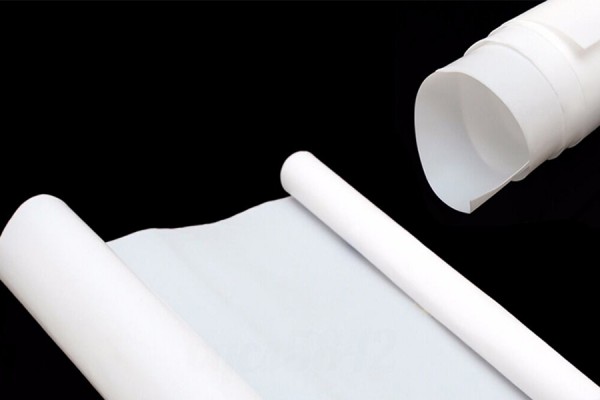
Enhancing signal integrity with PTFE
PTFE cable tape wrapping plays a vital role in improving signal integrity within high-frequency data transmission systems. Its extremely low dielectric constant, which is comparable to that of air, minimizes signal delays and prevents capacitive coupling. By providing reliable electrical insulation, PTFE effectively mitigates the risks of short circuits and leakage, ensuring that signals remain clear and uninterrupted. Additionally, this tape’s unique microporous structure contributes to its ability to maintain optimal performance in various environmental conditions. The interaction between PTFE’s properties and the signal transmission process enhances the overall reliability of microwave and data communication technologies. As these systems demand higher data rates and better performance, the crucial characteristics of PTFE cable tape wrapping become increasingly indispensable for effective signal management.
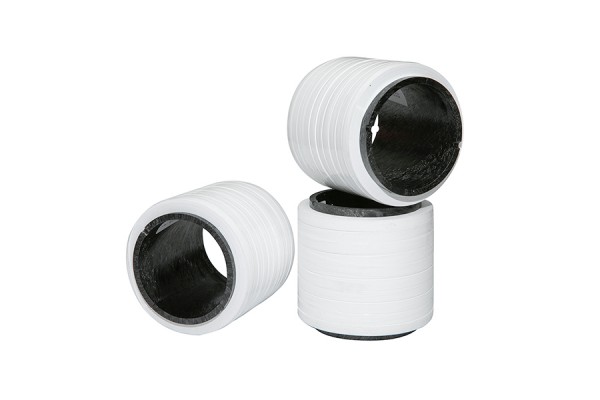
Temperature resistance of PTFE Tape
PTFE tape exhibits remarkable temperature resistance, functioning effectively within a wide range from -200°C to +260°C. This extensive temperature range allows PTFE cable tape to maintain its insulating properties and structural integrity in various environments, making it suitable for demanding applications. Whether exposed to extreme cold or high heat, PTFE tape remains stable, preventing breakdown and ensuring reliable performance. Its ability to withstand temperature fluctuations without compromising on electrical insulation is particularly beneficial in data transmission systems and microwave technologies, where consistent performance is essential. The durability of PTFE under thermal stress further contributes to its effectiveness in maintaining signal integrity and minimizing losses during data transmission. As industries continue to evolve towards higher performance standards, the thermal resilience of PTFE tape becomes an increasingly valuable asset in developing robust communication systems.
Chemical resistance of PTFE Cable Wrapping
PTFE cable wrapping demonstrates remarkable chemical resistance, making it suitable for a variety of demanding applications. This material can withstand exposure to nearly all chemicals, solvents, and corrosive substances without degrading. The inherent stability of PTFE allows it to maintain its structural integrity and functional properties even in harsh environments. As a result, it is commonly utilized in industries where contact with aggressive chemicals is unavoidable, such as the chemical processing and pharmaceutical sectors. The ability to resist chemical attacks ensures that the electrical insulation remains effective over time, promoting reliable and uninterrupted data transmission. Additionally, the low surface energy of PTFE minimizes adhesion from contaminants, further enhancing its performance in various applications. This resistance to chemicals not only prolongs the life of cables but also ensures consistent signal integrity, essential for high-frequency data transmission.
Hydrophobic properties of PTFE Tape
The hydrophobic properties of PTFE tape play a significant role in its effectiveness as an insulating material. Due to its unique microporous structure, PTFE naturally repels water and moisture, ensuring that electrical performance remains stable even in damp conditions. This characteristic reduces the risk of signal degradation caused by moisture infiltration, which can be detrimental to high-frequency data transmission. Moreover, the hydrophobic nature of PTFE prevents the accumulation of contaminants and reduces the likelihood of corrosion in wire insulation. As a result, applications in environments with high humidity benefit greatly from PTFE tape, further enhancing reliability and durability. This resilience against moisture contributes to maintaining signal integrity, which is crucial in both microwave and data communication technologies. Overall, the hydrophobic properties help ensure that devices can function optimally across various conditions, reinforcing the importance of using PTFE cable tape wrapping in sensitive applications.
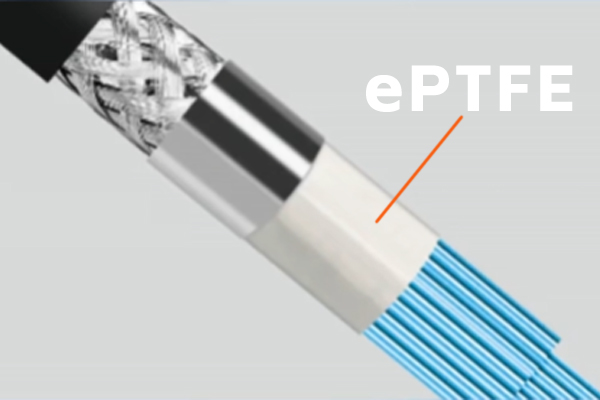
Conclusion
PTFE cable tape wrapping significantly improves high-frequency data transmission, making it a preferred choice in various applications. Its unique properties, such as excellent insulation capabilities, chemical resistance, and temperature tolerance, contribute to its effectiveness in maintaining signal integrity. Additionally, the hydrophobic nature of PTFE tape prevents moisture-related issues that could otherwise compromise performance. With the increasing demand for reliable communication technologies in both microwave and data transmission fields, PTFE tape serves as a key component in enhancing overall system reliability. As technology continues to evolve, the role of PTFE cable wrapping will likely expand, offering even greater benefits for high-performance applications. Its characteristics not only protect critical connections but also ensure that data integrity is upheld in challenging environments.
FAQs
What is PTFE cable tape wrapping?
PTFE cable tape wrapping is a specialized tape made from polytetrafluoroethylene, used to insulate and protect cables, especially in high-frequency applications.
How does PTFE improve data transmission?
PTFE enhances data transmission by minimizing signal loss, maintaining signal integrity, and providing superior insulation in microwave and data communication technologies.
What are the primary benefits of using PTFE for insulation?
The primary benefits include excellent thermal stability, chemical resistance, and superior dielectric properties, which ensure reliable performance in demanding environments.
Is PTFE resistant to high temperatures?
Yes, PTFE demonstrates outstanding temperature resistance, typically functioning effectively in temperatures ranging from -60°C to 260°C.
Can PTFE cable tape withstand harsh chemicals?
Absolutely. PTFE cable wrapping offers excellent chemical resistance, making it ideal for applications exposed to aggressive substances.
How does PTFE contribute to signal integrity?
PTFE maintains signal integrity by reducing interference and ensuring consistent electrical performance across various frequencies.
What industries commonly use PTFE cable tape wrapping?
Industries such as telecommunications, aerospace, automotive electronics, and medical devices commonly utilize PTFE cable tape for its performance advantages.