Key takeaways
PTFE membranes offer numerous advantages across various industries due to their unique properties. Their chemical resistance and thermal stability make them ideal for harsh environments, while their hydrophobic nature helps in effective filtration applications. PTFE membranes play a significant role in enhancing efficiency and productivity in filtration systems, providing a reliable barrier against contaminants. Additionally, their applications in chemical processing industries underline their versatility, as they can withstand aggressive substances without degrading. Compared to other materials, PTFE membranes demonstrate longer service life and require less maintenance, proving cost-effective in the long run. As industries continue to seek innovative solutions, the ongoing development of PTFE membrane technology will likely lead to more advanced applications, reinforcing their position as a preferred choice for filtration and processing needs.
Benefits of PTFE Membranes
PTFE membranes offer several significant benefits that make them highly desirable across various applications. Their chemical resistance is unmatched, allowing them to withstand harsh environments without degrading. This property is particularly essential in industries involving corrosive substances, where material integrity is crucial. Additionally, PTFE membranes exhibit excellent thermal stability, enabling their use in high-temperature applications without compromising performance. The ability to operate effectively across a broad temperature range enhances their versatility in diverse environments.
Moreover, PTFE membranes are known for their superior filtration capabilities. They provide a reliable barrier against particles and contaminants, making them ideal for applications in water treatment and pharmaceuticals. Their hydrophobic nature allows them to repel water while facilitating the passage of gases and vapors, promoting efficient separation processes.
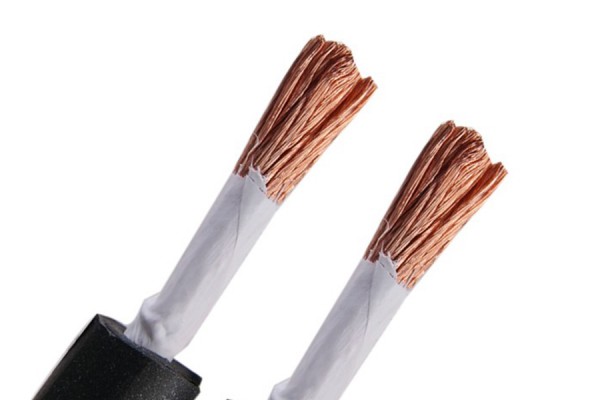
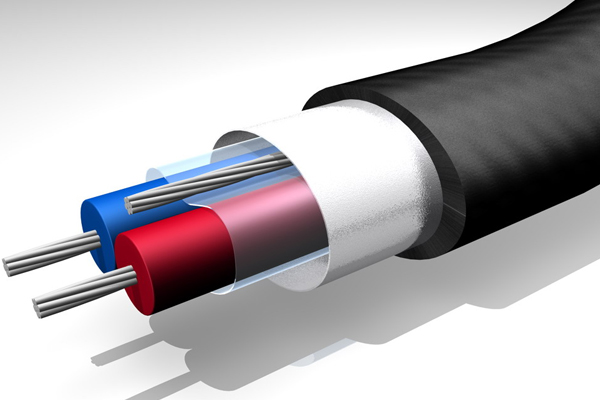
The lightweight nature of PTFE membranes simplifies handling and installation in industrial settings. They are also low-maintenance, reducing operational costs over time. In the context of cable technology, utilizing innovations like high speed transmission line PTFE wrapping tape or PTFE cable wrapping tape ensures enhanced insulation and protection against external factors. Overall, the durability and performance enhancements provided by PTFE membranes contribute to their widespread adoption in modern industrial practices.
Key properties of PTFE Membranes
PTFE membranes exhibit several key properties that make them highly effective in various applications. Firstly, their exceptional chemical resistance allows them to withstand harsh environments and aggressive chemicals, ensuring longevity and reliability in filtration and processing systems. Additionally, PTFE membranes demonstrate a high degree of thermal stability, operating efficiently across a wide temperature range without degrading. Their hydrophobic nature aids in repelling water while allowing gases to pass through, which is beneficial for filtration applications. Furthermore, these membranes have low friction properties that contribute to increased efficiency in processes involving fluid flow. The porosity of PTFE membranes can be precisely controlled during manufacturing, allowing customization for specific filtration needs. These attributes underscore the reasons why PTFE membranes are often preferred over other materials in demanding industrial settings.
Applications in Filtration Systems
PTFE membranes are widely utilized in various filtration systems due to their exceptional chemical resistance and ability to withstand harsh environments. In water treatment facilities, these membranes serve to effectively filter out contaminants and pathogens, contributing to producing clean drinking water. Their hydrophobic properties prevent wetting by water, which is advantageous in applications requiring air or gas filtration. In pharmaceutical manufacturing, PTFE membranes ensure that sterilization processes are efficient by filtering out microbes and particulates without compromising product integrity. These membranes are also used in HVAC systems, where they help maintain air quality by capturing fine particles and volatile organic compounds. By integrating PTFE membranes into filtration systems, industries can improve performance and reliability while adhering to regulatory standards for cleanliness and safety.
Role in Chemical Processing
PTFE membranes play a vital role in chemical processing due to their unique properties, which include high chemical resistance and thermal stability. These membranes can withstand harsh environments, making them ideal for applications that involve corrosive substances. Their non-stick nature minimizes fouling and enhances operational efficiency in filtration processes. In chemical manufacturing, PTFE membranes are often used in separation and purification processes, where reliability is crucial. They effectively filter out impurities without compromising the integrity of the chemicals being processed. Additionally, the ability of PTFE to operate at elevated temperatures supports various chemical reactions that require precise conditions. This adaptability makes PTFE membranes a preferred choice for companies aiming to optimize production and ensure safety in their operations. The ongoing advancements in PTFE technology further promise to improve efficacy and expand its applications, providing ongoing benefits to the chemical processing industry.
Advantages over other materials
PTFE membranes offer significant advantages compared to other materials used in filtration and chemical processing applications. One of the key benefits is their exceptional chemical resistance. PTFE can withstand harsh chemicals, extreme temperatures, and aggressive environments without degrading, making it ideal for industries that handle corrosive substances. Additionally, PTFE membranes provide superior non-stick properties, which reduce fouling and maintenance needs in filtration systems. This characteristic leads to longer operational lifespans and lower maintenance costs. Moreover, the hydrophobic nature of PTFE allows for efficient separation of liquids from gases, enhancing filtration performance compared to other materials. The lightweight yet strong structure of PTFE also contributes to easier handling and installation. These combined features make PTFE membranes a preferred choice across various sectors, including pharmaceuticals, food processing, and water treatment. Their reliability in demanding situations establishes them as a more effective solution than traditional materials like polypropylene or polyethylene in many applications.

Industry-Specific Uses of PTFE Membranes
PTFE membranes are utilized across various sectors due to their unique properties. In the pharmaceutical industry, these membranes are essential for maintaining sterile environments and ensuring the purity of compounds, as they effectively filter out contaminants. In the food and beverage sector, PTFE membranes serve to improve product safety and quality by facilitating effective filtration processes that remove harmful bacteria and particulates. Additionally, in wastewater treatment facilities, PTFE membranes play a crucial role in separating solids from liquids, thereby enhancing the overall efficiency of treatment operations. The chemical industry also benefits from PTFE membranes, which resist aggressive chemicals and withstand extreme temperatures, making them ideal for applications involving corrosive substances. Lastly, in the electronics sector, they are increasingly used in manufacturing processes that require precise filtering for components. This versatility highlights the importance of PTFE membranes in meeting industry-specific challenges while ensuring compliance with safety standards.
Future trends in PTFE Membrane Technology
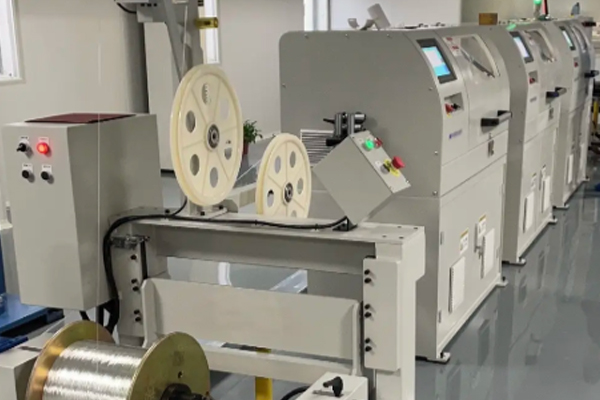
The future of PTFE membrane technology is poised for significant advancements driven by the growing demand for efficient filtration and processing solutions. Innovations in manufacturing techniques, such as improved casting and layering, aim to enhance membrane performance while maintaining cost-effectiveness. Researchers are exploring hybrid membranes that combine PTFE with other materials to create functionalities that can address specific challenges, like fouling and permeability issues. Additionally, the increasing emphasis on sustainability is encouraging the development of eco-friendly production methods and recyclable materials. Digital technologies, including IoT integration, may also play a role in monitoring membrane performance in real time, allowing for preventative maintenance and increased operational efficiency. As industries continue to prioritize high-performance solutions, PTFE membranes are likely to evolve further, integrating advanced features that cater to diverse applications across various sectors.
Case studies of Successful Implementations
Numerous industries have successfully implemented PTFE membranes, showcasing their adaptability and effectiveness. In the pharmaceutical sector, a key example is a leading drug manufacturer that utilized PTFE membranes in its filtration systems to ensure product purity. By eliminating potential contaminants, the company improved compliance with stringent regulatory standards and enhanced the quality of its final products.
Another notable case is in the food processing industry, where a major beverage producer incorporated PTFE membranes into its ingredients filtration processes. This shift not only optimized production efficiency but also extended shelf life by ensuring that microbial contaminants were effectively removed.
In environmental applications, a municipal water treatment facility adopted PTFE membranes in its systems to enhance the removal of pollutants from wastewater. The decision led to improved treatment outcomes and contributed to compliance with environmental regulations.
These cases illustrate how diverse industries leverage the unique properties of PTFE membranes to address specific challenges, optimize processes, and achieve compelling results.
Conclusion
PTFE membranes represent a significant advancement in material technology, offering unique benefits such as chemical resistance, high thermal stability, and excellent durability. These characteristics allow PTFE membranes to perform effectively across a range of applications, especially in filtration systems and chemical processing. Various industries have adopted these membranes due to their reliability and efficiency, often citing increased operational performance and reduced maintenance costs. As technological advancements continue to evolve, the potential applications for PTFE membranes are likely to expand further. The ongoing research into enhancing their properties and developing new uses may pave the way for innovative solutions across multiple sectors. As industries strive for sustainability and higher standards of efficiency, PTFE membranes will likely remain at the forefront of material choices in numerous applications.
FAQs
What are PTFE membranes?
PTFE membranes are thin, porous films made from polytetrafluoroethylene, known for their chemical resistance and high-performance filtration capabilities.
What industries commonly use PTFE membranes?
PTFE membranes are widely employed in industries such as pharmaceuticals, food and beverage, water treatment, and chemical processing due to their versatility.
How do PTFE membranes improve filtration processes?
PTFE membranes enhance filtration processes by effectively removing particles while resisting fouling and degradation, which leads to longer service life and reduced maintenance.
Can PTFE membranes withstand high temperatures?
Yes, PTFE membranes can endure high temperatures up to 260°C (500°F) without losing their integrity or performance, making them suitable for demanding applications.
Are there any limitations to using PTFE membranes?
While PTFE membranes are highly effective, they may be more expensive than other materials and can be less compatible in certain applications with aggressive solvents.