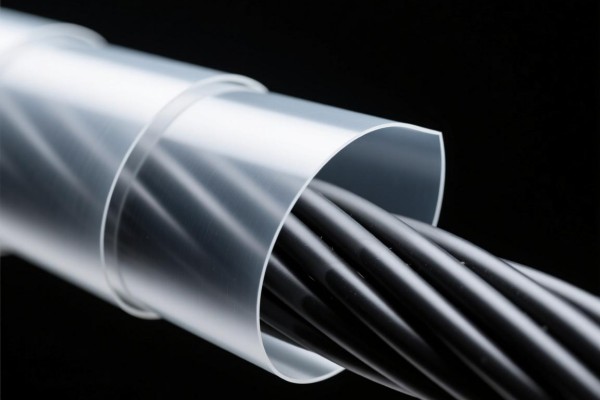
The use of ePTFE membranes across various sectors highlights their significant contributions to both electrical insulation and medical applications. Their unique properties, such as low dielectric constants and outstanding chemical resistance, enhance performance and reliability in high-demand environments. ePTFE membranes enable superior electrical performance by minimizing signal loss, which is critical in high-speed transmission lines. In medical applications, their robustness ensures safe containment of susceptible substances, thereby maintaining sterilization integrity. Additionally, in microfluidic devices, ePTFE’s precision flow control capabilities are essential for managing gas flow under precise pressure conditions. Overall, the multifunctionality of ePTFE membranes positions them as vital components for innovation across multiple industries.
Innovative Uses of ePTFE Membranes in Electrical Insulation
ePTFE membranes are becoming increasingly significant in the realm of electrical insulation. One notable application is in high-speed transmission line PTFE wrapping tape, which enhances electrical performance by providing excellent dielectric properties. This advanced insulation ensures that signal integrity remains intact in demanding environments. Moreover, with the introduction of PTFE wrapping film, manufacturers can achieve reliable insulation on various cables, including those needing high resistance to temperature variations. Utilizing products such as PTFE Thread Seal Tape and PTFE cable wrapping tape further enhances insulation integrity and compatibility with different cable types, including those using DAC high-speed cable wrapping film and AEC high-speed cable wrapping film. The use of ACC high-speed cable wrapping film allows for a more robust protective layer around sensitive wiring, which invigorates the reliability of electrical systems, particularly in industrial applications. As demand grows for dependable insulation solutions, the application of ePTFE membranes continues to support advancements in electrical connectivity and safety standards effectively.
The Advantages of ePTFE Membranes in Medical Applications
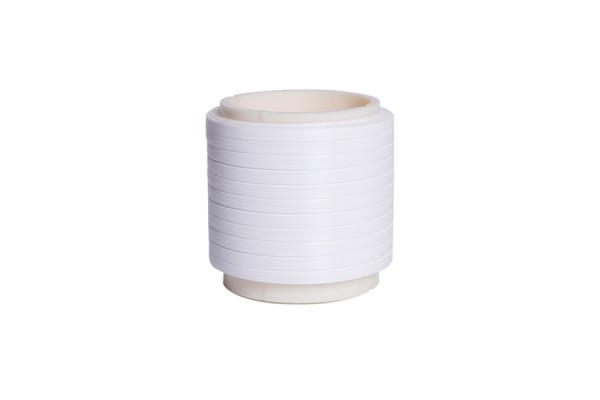
ePTFE membranes present significant advantages in medical applications, particularly in packaging and device construction. Their excellent chemical resistance ensures the safe containment of substances like hydrogen peroxide, preventing leaks during transport. This is essential in medical environments where contamination can compromise sterilization. Additionally, ePTFE’s stability supports innovative solutions for low-temperature solvent purification, enhancing overall operational efficiency. In microfluidics, ePTFE stands out due to its ability to manage gas flow with precise pressure control. This reliability is crucial for devices that operate under rigorous conditions. Moreover, using ePTFE in combination with products like ACC high-speed cable wrapping film enhances the durability of medical devices, ensuring robust performance without compromising safety standards.
"Incorporating advanced materials like ePTFE not only improves functionality but also elevates patient safety."
Maximizing Electrical Performance with ePTFE Insulation
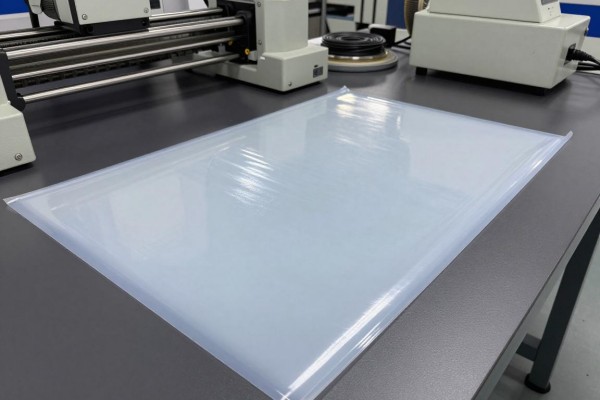
ePTFE insulation significantly enhances electrical performance in various applications, especially in high-speed transmission environments. The low dielectric constant of ePTFE makes it an ideal choice for high-speed transmission line PTFE wrapping tape, as it minimizes signal loss and improves efficiency. Additionally, the use of PTFE thread seal tape provides reliable sealing properties that contribute to overall system reliability. In circuits requiring rapid signal processing, PTFE cable roll coating ensures that cables maintain optimal performance under high-frequency conditions. Furthermore, the AEC high-speed cable wrapping film provides a robust layer of protection while promoting signal clarity. Finally, the advanced qualities of high speed and high-frequency cable wrapping film are critical for applications where consistent electrical characteristics are paramount, making ePTFE an indispensable component in modern insulation solutions.
Key Benefits of ePTFE in Medical and Microfluidic Devices
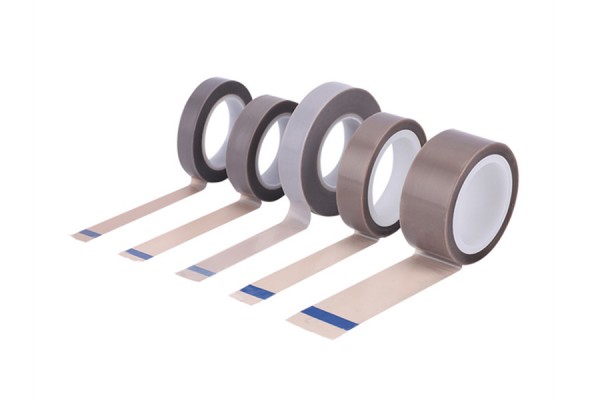
ePTFE membranes offer significant advantages in medical applications and microfluidic devices, primarily due to their exceptional chemical resistance and structural integrity. In medical packaging, ePTFE’s robustness ensures the secure transport of sensitive substances, such as hydrogen peroxide disinfectants. This minimizes the risk of leaks and contamination, thus safeguarding product integrity. Furthermore, in microfluidics, the precision flow control enabled by ePTFE membranes supports various processes requiring exacting pressure management. Their ability to withstand high pressures enhances performance within narrow channels, allowing for reliable gas flow control. Additionally, the use of PTFE cable wrapping tape in these devices aids in maintaining insulation standards while ensuring operational efficiency. Overall, the unique properties of ePTFE membranes make them indispensable across these specialized fields.
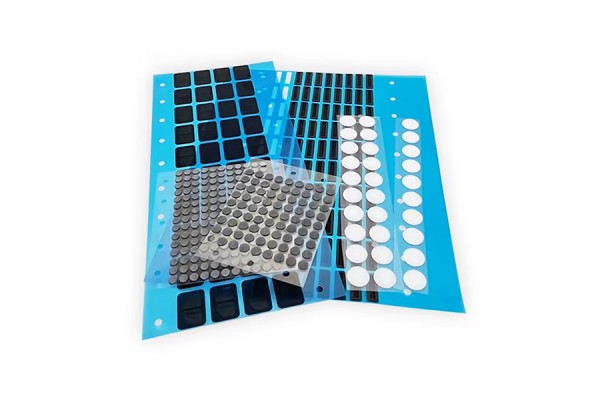
ePTFE Membranes: Revolutionizing Cable Insulation Standards
ePTFE membranes are setting new benchmarks in the cable insulation sector due to their remarkable properties. Traditional materials, while widely used, often fall short in terms of safety and performance. ePTFE excels with its low dielectric constant and exceptional thermal stability, making it an ideal choice for high-frequency applications. This advancement ensures that signal integrity is maintained even under challenging conditions. Additionally, its low flammability reduces fire risks at elevated temperatures, providing a significant safety advantage over conventional options. Complimenting these features is ePTFE’s high moisture resistance, effectively protecting cables from damp environments. As industries seek reliable and efficient insulation solutions, ePTFE membranes are increasingly recognized as a pivotal component in enhancing the longevity and safety of electrical cables.
Ensuring Chemical Resistance with ePTFE in Medical Packaging
ePTFE membranes are increasingly recognized for their exceptional chemical resistance in medical packaging applications. These membranes, including PTFE wrapping film and DAC high-speed cable wrapping film, are essential for safely sealing products like hydrogen peroxide disinfectant bottles. The inert nature of ePTFE allows it to withstand exposure to aggressive chemicals, ensuring that medical products remain protected during transport and storage. Furthermore, the leak-proof characteristics of ePTFE gaskets provide an additional layer of security, which is paramount in maintaining product integrity. This stability not only enhances the safety of medical packaging but also supports broader solutions in the healthcare sector, such as the purification of low-temperature solvents, further demonstrating the versatility and reliability of ePTFE materials in critical applications.
Precision Flow Control in Microfluidic Devices Using ePTFE
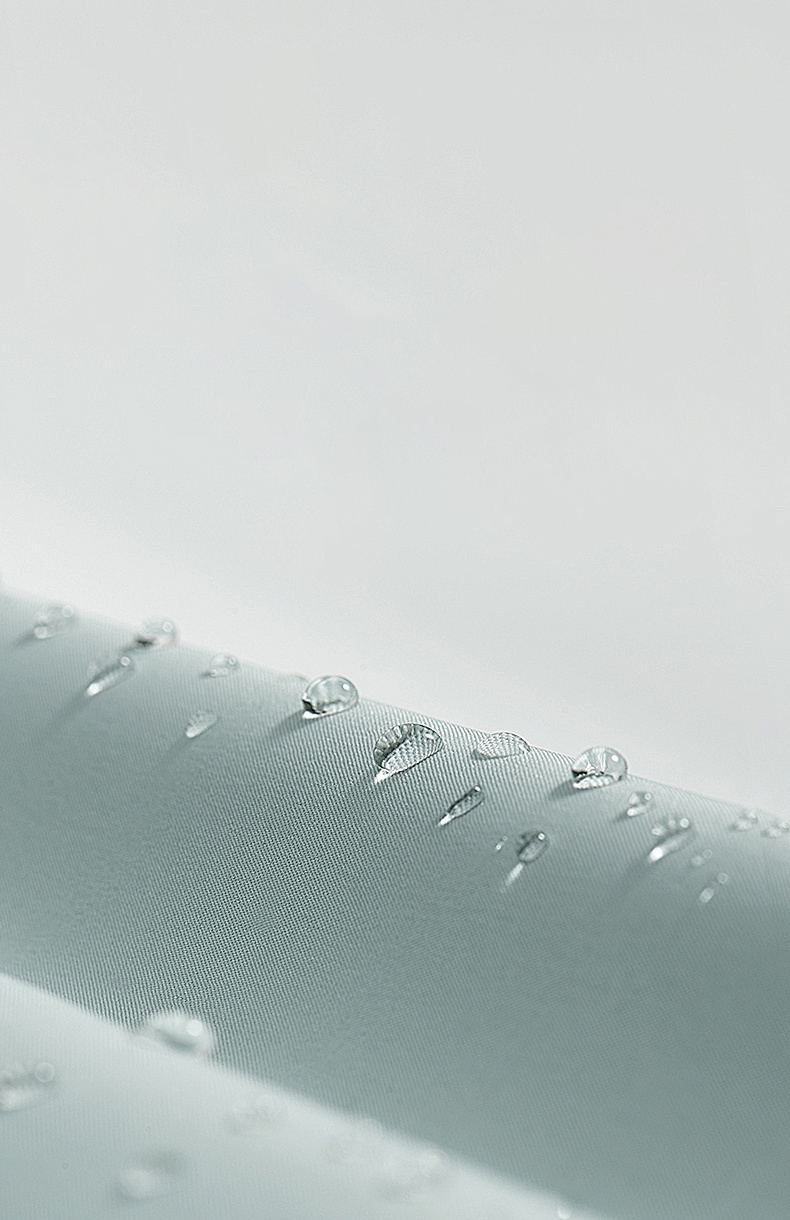
ePTFE membranes play a critical role in the precision flow control of microfluidic devices, thanks to their unique physical properties. The microporous nature of ePTFE allows for the regulation of gas flow while maintaining low pressure drops, which is essential for applications requiring precise pressure management. These membranes can withstand challenging conditions, including high pressures exceeding 100 Kpa, making them ideal for intricate microfluidic setups. Additionally, ePTFE’s hydrophobic characteristics contribute to contamination prevention, ensuring that the integrity of fluids is preserved during transport through narrow channels. As a result, incorporating ePTFE membranes not only enhances operational efficiency but also supports reliability in various medical and analytical applications.
Advanced Filtration Solutions with Hydrophobic ePTFE Membranes
Hydrophobic ePTFE membranes have emerged as a critical solution for advanced filtration applications, particularly in sectors like electronics and sensors. Their unique microporous structure allows for effective gas venting while preventing the ingress of liquids or particulates, which is essential in maintaining system integrity. By utilizing these membranes, manufacturers can enhance the performance of products like the AOC high-speed cable wrapping film, ensuring reliable operation in challenging environments. Furthermore, these membranes exhibit exceptional durability and stability under varying conditions, making them suitable for rigorous filtration tasks. As a result, the integration of hydrophobic ePTFE membranes leads to improved operational efficiency and longevity of devices reliant on precise filtration solutions.
Conclusion
The integration of ePTFE membranes in both electrical insulation and medical technologies underscores their versatility and effectiveness. In electrical applications, these membranes enhance performance and ensure signal integrity while providing excellent dielectric properties. Their application in medical devices demonstrates how ePTFE contributes to safety and efficiency, offering remarkable chemical resistance and precise flow control in microfluidics. As advancements continue, the durability and innovative characteristics of ePTFE materials position them as essential components in addressing the evolving demands of various industries. The ongoing development and refinement of ePTFE technologies will likely lead to further improvements in both electrical connectivity and medical device performance.
FAQs
What are the main applications of ePTFE membranes in electrical insulation?
ePTFE membranes are primarily used for enhancing the insulation of high-speed transmission lines through their excellent dielectric properties and low signal loss.
How do ePTFE membranes contribute to medical technologies?
In medical applications, ePTFE membranes provide superior chemical resistance and are crucial for maintaining the integrity of packaging, especially for sensitive substances.
What advantages do ePTFE membranes have in microfluidic devices?
ePTFE’s microporous structure allows for precise gas flow control while minimizing pressure drops, which is essential in microfluidic setups.
Can ePTFE membranes withstand harsh environments?
Yes, ePTFE membranes are designed to endure high pressures and aggressive chemical exposures, ensuring reliability under challenging conditions.
What role do ePTFE membranes play in cable insulation standards?
ePTFE membranes enhance cable insulation performance by offering low dielectric constants and improved thermal stability, thereby increasing safety and efficiency in electrical systems.