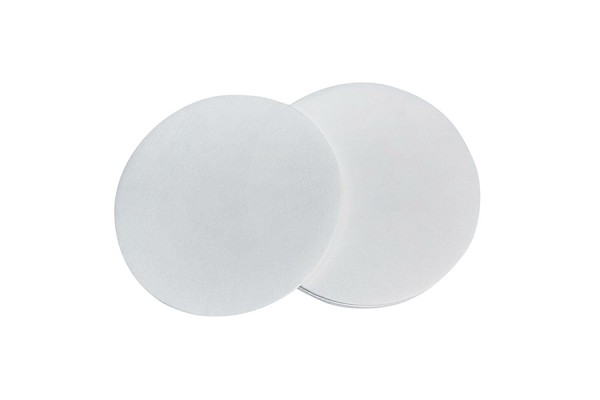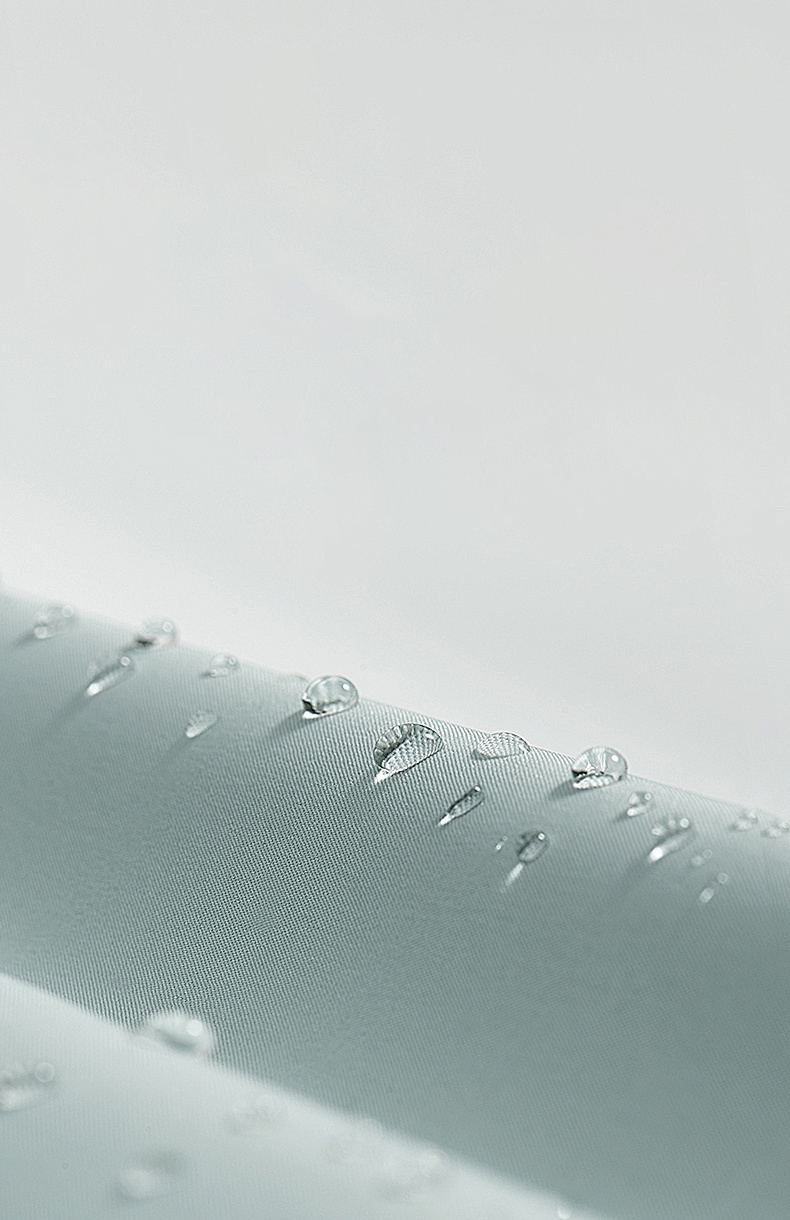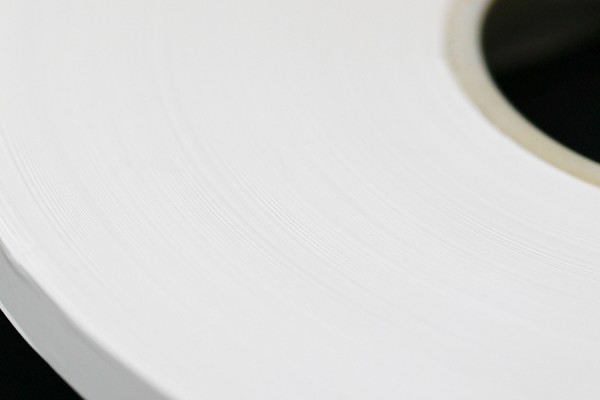
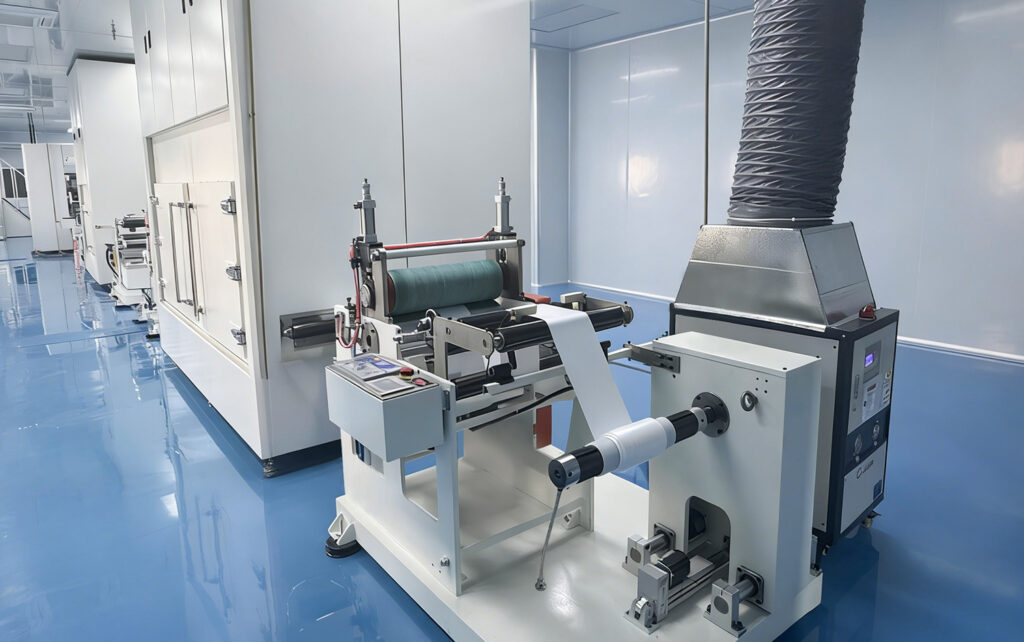
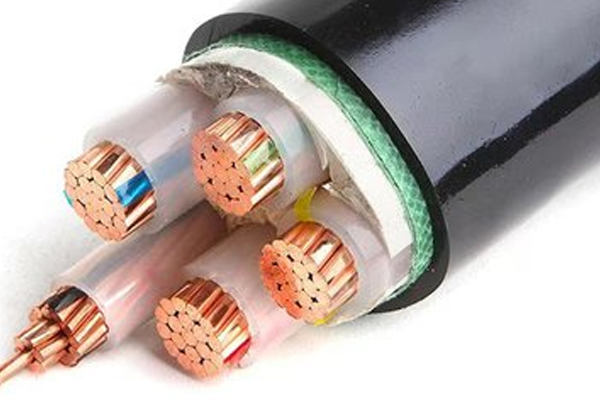
Teflon film presents numerous advantages that drive its adoption across various industries. Its unique properties, such as low friction and exceptional chemical resistance, enable cost-effective and reliable solutions in manufacturing and electrical applications. In production lines, its presence helps reduce wear on machinery, which in turn minimizes downtime and enhances efficiency. Automotive applications benefit from Teflon’s non-stick surface and thermal stability, improving both safety and performance. Additionally, the film’s sustainability potential is evident through its durability in harsh environments, providing long-lasting protection for components while promoting environmentally friendly practices. Overall, Teflon film’s versatile applications underline its significance in driving innovation and efficiency across many sectors.
Teflon Film: Key Properties That Drive Its Industrial Applications
Teflon film is renowned for its exceptional properties, making it a preferred choice across various industries. Its low friction coefficient ensures smooth operation in applications like high-speed transmission line PTFE wrapping tape, providing reliable performance in dynamic environments. Additionally, the film’s thermal stability allows it to maintain integrity under extreme temperatures, an essential consideration in manufacturing processes. PTFE wrapping film offers excellent chemical resistance, crucial for sectors dealing with aggressive substances. This property aligns well with the needs of PTFE Thread Seal Tape and PTFE cable wrapping tape, which serve to prevent leaks and enhance system longevity. Moreover, the versatility of Teflon is also showcased in PTFE cable roll coating and specialized films like DAC high-speed cable wrapping film and AEC high-speed cable wrapping film, ensuring optimal insulation and protection in electrical applications. The performance attributes of Teflon film have established it as a critical material for ensuring safety and efficiency across industries.
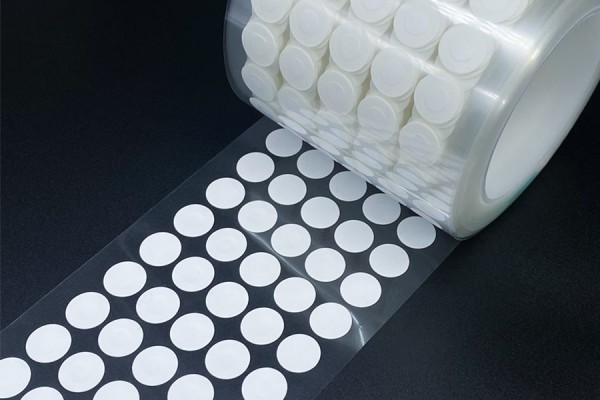
Innovative Uses of Teflon Film in Manufacturing Processes
Teflon film, known for its non-stick and chemical-resistant properties, has found innovative applications in various manufacturing sectors. One notable use is in the production of PTFE Thread Seal Tape, which ensures leak-proof sealing in piping systems. Similarly, PTFE cable wrapping tapeprovides insulation and protection for electrical wiring, enhancing durability against environmental factors. Additionally, AEC high-speed cable wrapping filmand AOC high-speed cable wrapping filmare specifically designed for efficient cable manufacturing processes. These films contribute to higher production speeds and improved product quality while minimizing waste. The versatility of Teflon film not only optimizes manufacturing efficiency but also offers solutions tailored to diverse industrial needs. Below is a summary table of its applications:
| Application | Description |
|---|---|
| PTFE Thread Seal Tape | Leak-proof sealing in piping systems |
| PTFE Cable Wrapping Tape | Electrical insulation and protection |
| AEC High-Speed Cable Wrapping Film | Increased efficiency in cable manufacturing |
| AOC High-Speed Cable Wrapping Film | Enhanced product quality with minimized waste |
Enhancing Performance with Teflon Film in Various Sectors
Teflon film has become an essential material in enhancing performance across multiple sectors due to its unique properties such as non-stick characteristics and excellent thermal stability. In manufacturing, the use of DAC high-speed cable wrapping film provides superior insulation and protection, which is critical for maintaining the integrity of electrical systems. Particularly in high-frequency applications, this high-speed cable wrapping film effectively minimizes signal loss and ensures efficient transmission.
Furthermore, industries such as automotive and aerospace leverage Teflon film’s chemical resistance to enhance safety and reliability. Its lightweight nature contributes to overall efficiency by reducing energy consumption during operations.
"Using Teflon film can lead to significant improvements in both performance and operational costs."
Incorporating this technology into various applications not only fosters innovation but also promotes sustainability, making it a pivotal choice in modern industrial operations.
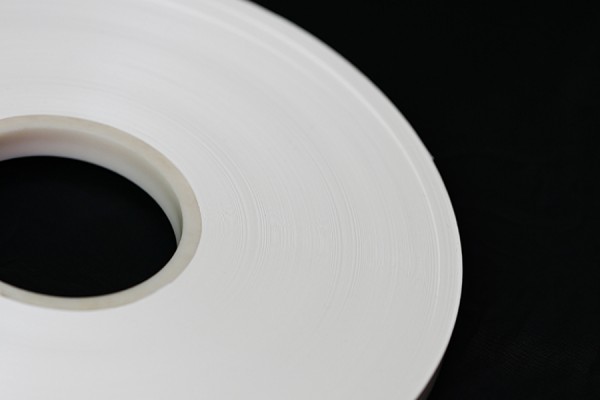
Teflon Film Applications: Transforming Industries with Unique Benefits
Teflon film is making significant strides across various industries due to its unique properties such as chemical resistance, low friction, and high thermal stability. In manufacturing, it serves as a critical component in reducing wear and extending the lifespan of machinery. For instance, in the electrical sector, Teflon film is used for insulation purposes, effectively safeguarding cables from environmental factors. Moreover, it plays a pivotal role in enhancing the performance of ACC high-speed cable wrapping film, ensuring that electrical components maintain reliability under demanding conditions. In the automotive field, Teflon film’s heat resistance contributes to safety by minimizing the risk of overheating in sensitive areas. Overall, its application in diverse sectors not only enhances efficiency but also promotes sustainability by reducing resource consumption over time.
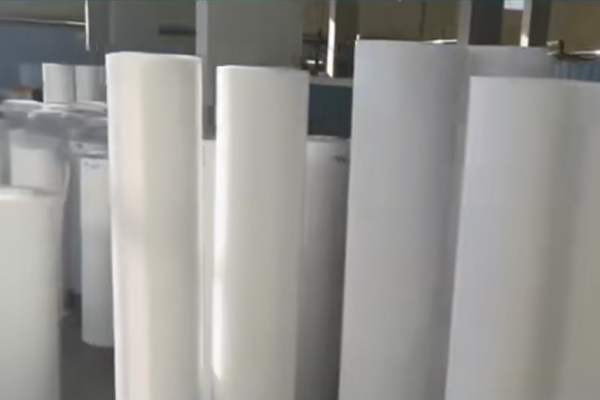
Exploring the Role of Teflon Film in Electrical Insulation
Teflon film has emerged as a crucial material in electrical insulation due to its exceptional dielectric properties. With a high melting point and excellent thermal stability, Teflon effectively prevents electrical conductivity, making it invaluable in applications ranging from wires and cables to circuit boards and capacitors. Its low friction surface reduces heat production during operation, enhancing overall efficiency. Additionally, Teflon’s resistance to moisture and chemicals ensures long-lasting performance in diverse environments. By minimizing energy loss and improving durability, Teflon film plays a pivotal role in advancing electrical systems across various industries. The reliability it brings contributes to safer operations and increased efficiency in devices that rely on high-quality insulation materials.
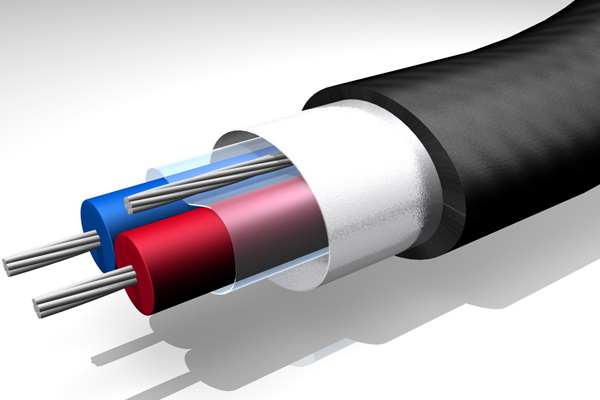
Efficiency Boost: The Impact of Teflon Film on Production Lines
Teflon film plays a crucial role in enhancing the efficiency of production lines across various industries. Its low friction properties allow for smoother material handling, reducing the wear and tear of machinery and decreasing downtime. By incorporating Teflon film into conveyor systems, manufacturers experience improved throughput due to its resistance to sticking and jamming. Additionally, high speed transmission line PTFE wrapping tape, a specialized application of Teflon film, provides exceptional protection against wear while ensuring reliable transmission efficiency. This results in fewer interruptions and enhanced operational performance. The heat resistance of Teflon film further contributes to maintaining production flow in high-temperature environments, making it an ideal choice for diverse manufacturing processes.
Teflon Film in the Automotive Industry: Safety and Efficiency Enhancements
Teflon film plays a crucial role in the automotive industry by improving safety and efficiency. Its unique properties, such as high chemical resistance and low friction, make it ideal for various applications within vehicles. For instance, PTFE wrapping film is often used in wire insulation, providing reliable protection against heat and corrosion, which extends the lifespan of electrical components. Additionally, Teflon film is employed in gaskets and seals to prevent leaks, ensuring vehicle safety while enhancing performance. The lightweight nature of Teflon also contributes to overall fuel efficiency by reducing vehicle weight. As automotive technologies evolve towards greater sustainability and performance, the integration of Teflon film offers tangible benefits for manufacturers and consumers alike.
Sustainable Solutions: Teflon Film for Environmental Applications
Teflon film, known for its chemical resistance and low friction properties, is increasingly employed in environmental applications. Its durability makes it an ideal candidate for protective coatings that enhance the longevity of components exposed to harsh conditions. For instance, PTFE cable roll coating provides robust insulation, ensuring that cables maintain functionality without environmental degradation over time. This is particularly vital in renewable energy sectors, where Teflon film applications can help protect solar panels and wind turbine components from corrosion and wear. Additionally, its non-stick properties reduce the need for harmful chemical cleaners, promoting more sustainable practices within various industries. The use of Teflon film ultimately supports environmentally friendly solutions by extending the lifespan of equipment while minimizing maintenance costs.
Conclusion
Teflon film continues to demonstrate its value across various industries, driven by its unique properties. Its low friction and high thermal stability contribute significantly to operational efficiency, while its chemical resistance ensures durability in challenging environments. Applications such as insulation for electrical components and protective coatings enhance safety and performance in sectors ranging from automotive to manufacturing. Additionally, the ability of Teflon film to facilitate smoother operations aids in minimizing maintenance costs and downtime. As industries strive for innovation and sustainability, the multifaceted benefits of Teflon film will likely play a pivotal role in shaping future applications.
FAQs
What is Teflon film commonly used for in industries?
Teflon film is widely used for insulation, protecting electrical wiring, and enhancing durability in manufacturing processes.
How does Teflon film contribute to efficiency in production lines?
Its low friction properties enable smoother material handling and reduce downtime by minimizing wear and tear on machinery.
What benefits does Teflon film offer in the automotive sector?
In automotive applications, Teflon film provides reliable insulation for electrical components and helps prevent leaks in gaskets and seals.
Can Teflon film be used for environmental applications?
Yes, Teflon film’s durability makes it ideal for protective coatings that enhance the longevity of components exposed to harsh conditions, supporting sustainability efforts.
What makes Teflon film’s chemical resistance significant?
Its resistance to chemicals extends the lifespan of products in aggressive environments, ensuring reliable performance across various sectors.