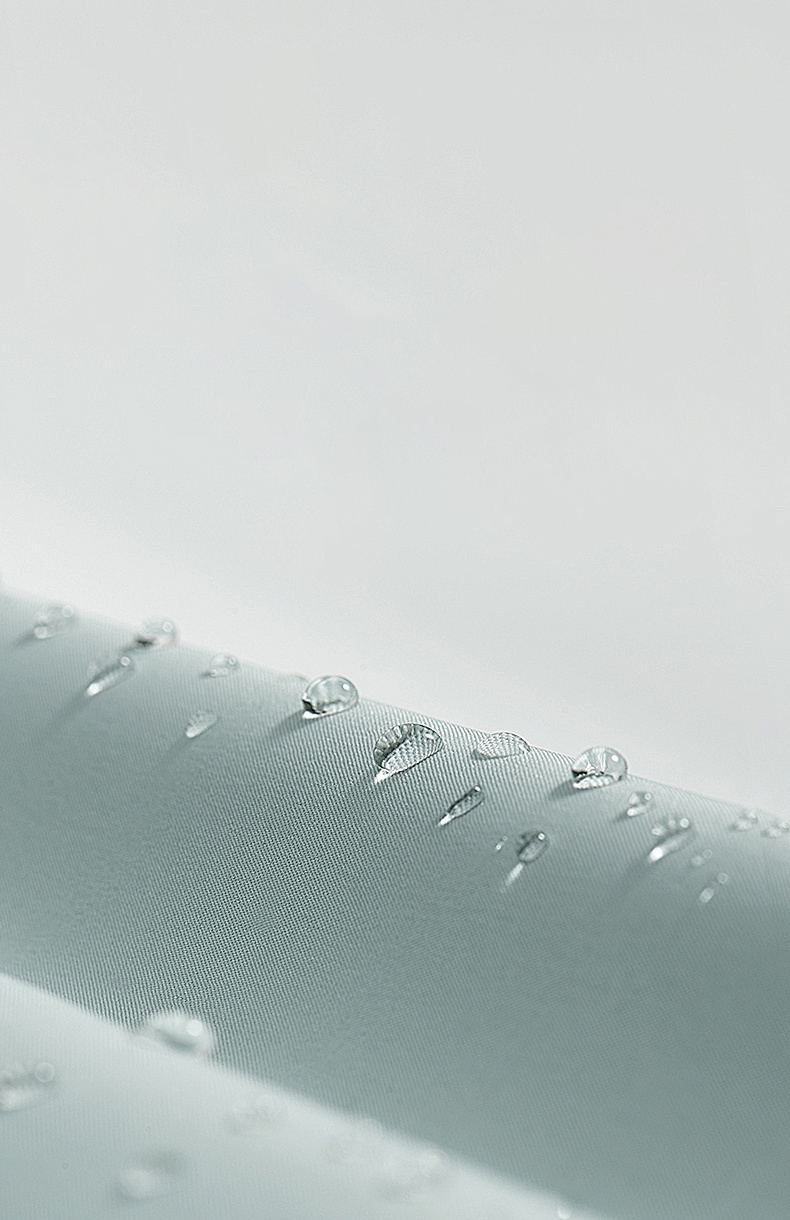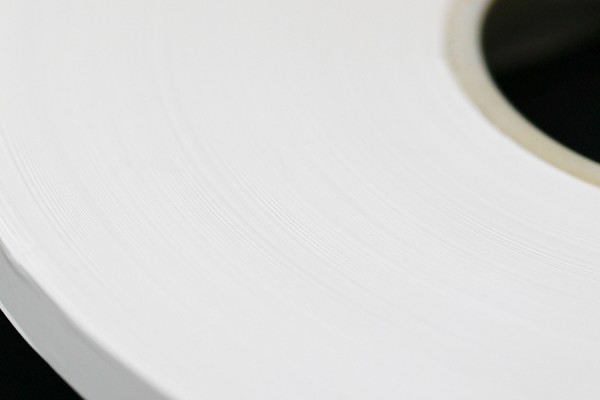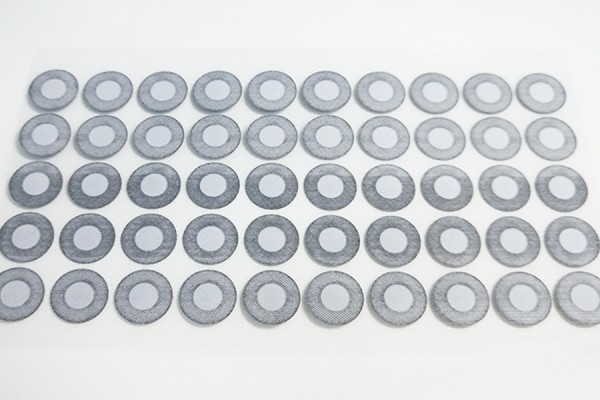
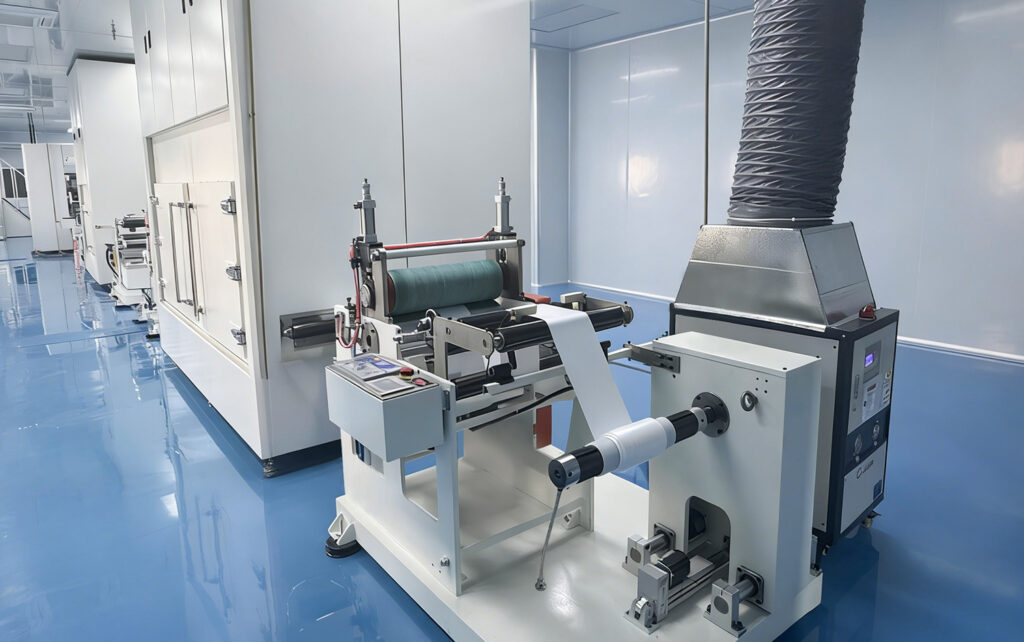
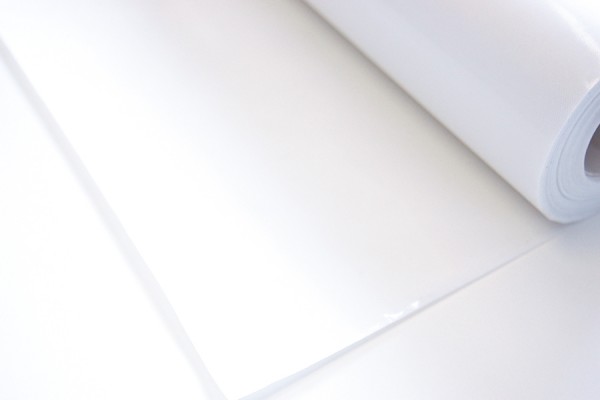
Polytetrafluoroethylene (PTFE) wrapping film is an essential material across various industries due to its standout properties, including chemical resistance, low friction, and thermal stability. These characteristics make it particularly valuable in sectors like aerospace and food processing. The film’s ability to endure harsh environments without degradation is critical for applications such as electrical insulation and food packaging. Moreover, the versatility of PTFE allows for customizations that meet specific industrial requirements—enhancing performance and reliability in high-speed applications. As industries continue to innovate, the demand for PTFE wrapping film is likely to grow, signaling its ongoing significance in achieving operational efficiency and safety.
Introduction to Polytetrafluoroethylene (PTFE) Wrapping Film
Polytetrafluoroethylene (PTFE) wrapping film is renowned for its exceptional physical and chemical properties, making it a preferred choice for numerous industrial applications. This film exhibits low friction, excellent thermal stability, and remarkable resistance to corrosive substances. Industries have leveraged these attributes in products like high-speed transmission line PTFE wrapping tape, ensuring reliable performance even in demanding environments. Additionally, the versatility of PTFE allows it to be utilized in various forms, including PTFE Thread Seal Tapeand PTFE cable wrapping tape, catering to specific needs across sectors. As technology evolves, innovations such as DAC high-speed cable wrapping filmand its counterparts—AEC, AOC, and ACC high-speed cable wrapping films—Continue to drive growth in this market segment. Overall, the unique characteristics of PTFE wrapping film position it as a vital material in electronic components, insulation solutions, and packaging applications.
"Leveraging the right PTFE products can drastically improve efficiency and safety across industrial applications."
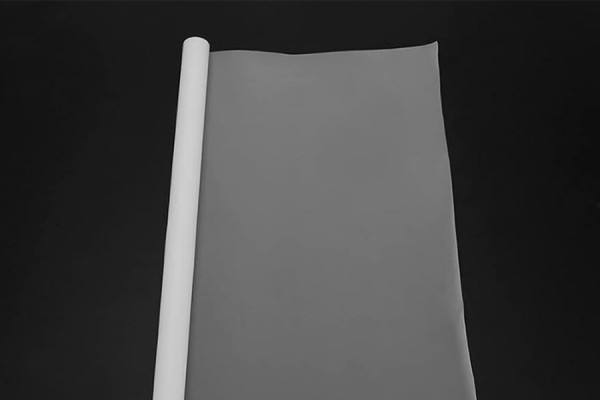
Essential Characteristics of Polytetrafluoroethylene (PTFE)
Polytetrafluoroethylene (PTFE) exhibits exceptional properties that make it suitable for various industrial applications. One of its most notable characteristics is its remarkable chemical resistance, allowing it to withstand harsh environments without degradation. This trait is particularly advantageous in sectors such as food processing and aerospace, where reliability is crucial. Additionally, PTFE features a low friction coefficient, making it ideal for use in PTFE cable wrapping tape and AOC high-speed cable wrapping film, enhancing the performance of electrical components by reducing wear and tear. The versatility of PTFE extends to high-speed and high-frequency cable wrapping film, tailored for specific demands in the electronics industry. In applications like PTFE cable roll coating, the exceptional thermal stability ensures long-lasting performance under challenging conditions. These intrinsic qualities underscore PTFE’s role as a material of choice across diverse sectors.
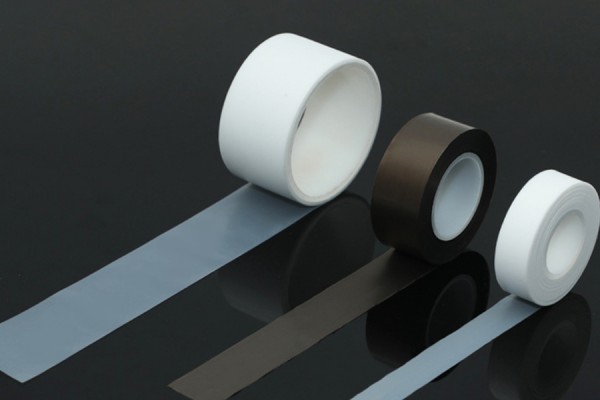
Industrial Applications of PTFE Wrapping Film
Polytetrafluoroethylene (PTFE) wrapping film is increasingly utilized in various industrial applications due to its unique properties, which offer substantial benefits. One prominent use is in the electrical sector, where the AEC high-speed cable wrapping film provides exceptional insulation and protection for wires and cables. This application is crucial for preventing electrical interference and ensuring efficient signal transmission. In the food processing industry, PTFE wrapping film meets stringent safety standards, making it suitable for packaging and processing equipment that come into contact with food products. Furthermore, PTFE’s resistance to high temperatures allows it to perform effectively in harsh environments often found in aerospace applications. Additionally, sectors such as manufacturing utilize PTFE wrapping film for its ability to reduce friction and wear in machinery, enhancing overall operational efficiency.
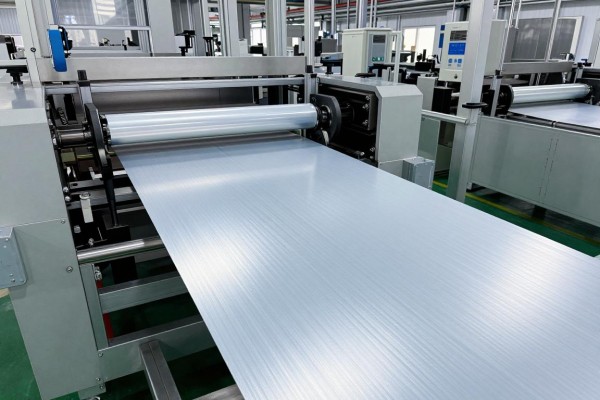
The Versatility of PTFE in Various Sectors
Polytetrafluoroethylene (PTFE) wrapping film demonstrates remarkable versatility across numerous industries. Its unique chemical resistance makes it ideal for challenging environments, particularly in the petrochemical and pharmaceutical sectors, where exposure to harsh substances is common. In the food processing industry, PTFE wrapping film is favored due to its non-stick properties and FDA compliance, ensuring safe contact with food items. Additionally, in the aerospace and electronics sectors, PTFE’s ability to resist high temperatures and electrical insulation capabilities enhances performance and reliability. These attributes allow manufacturers to implement PTFE in an array of applications, from gaskets and seals to cable wraps and lab equipment. As industries seek materials that can withstand extreme conditions without compromising performance, the demand for PTFE wrapping film continues to grow substantially.
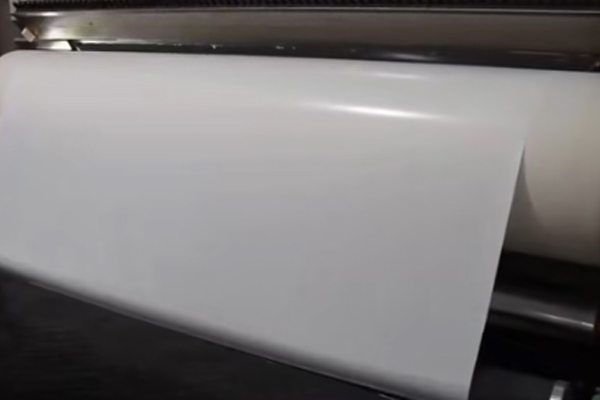
Chemical Resistance and Low Friction Benefits of PTFE
Polytetrafluoroethylene (PTFE) wrapping film is renowned for its exceptional chemical resistance and low friction properties, which are critical for various industrial applications. Its molecular structure provides a robust barrier against corrosive substances, making it ideal for environments where harsh chemicals are commonplace. Additionally, the low friction characteristics of PTFE enhance its performance in high-speed applications, such as in the use of high speed transmission line PTFE wrapping tape. This quality reduces wear and tear on equipment, prolonging their lifespan while maintaining efficiency. Products like ACC high-speed cable wrapping film leverage these benefits to ensure reliable operational performance in demanding settings. The ability to withstand extreme conditions without degrading makes PTFE wrapping film a versatile choice across sectors including aerospace, food processing, and electronics.
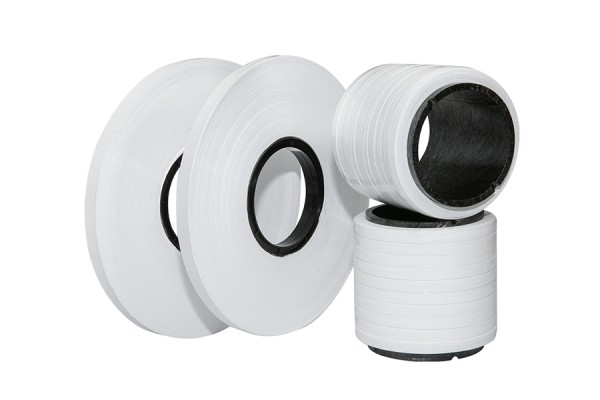
Aerospace, Food Processing, and Electronics: PTFE Use Cases
Polytetrafluoroethylene (PTFE) wrapping film plays a pivotal role in various industries due to its unique properties. In aerospace, PTFE is used for insulation in electrical systems, contributing to the durability and reliability necessary for high-performance aircraft. The food processing sector leverages PTFE’s non-stick characteristics, ensuring hygiene and ease of cleaning in manufacturing equipment. Additionally, its chemical resistance makes it suitable for conveying food substances without contamination. In electronics, PTFE wrapping film provides exceptional insulation for wires and cables, enhancing safety and performance in devices. As these industries evolve, the demand for PTFE’s reliability and versatility continues to grow, reaffirming its importance across diverse applications.
Future Trends in PTFE Wrapping Film Applications
The ongoing evolution of Polytetrafluoroethylene (PTFE) wrapping film is shaped by increasing demands for advanced materials across various sectors. In aerospace, the focus is shifting toward lightweight and high-performance solutions that enhance fuel efficiency. For food processing, stricter regulations drive the need for FDA-approved materials that ensure safety and quality. Furthermore, the electronics industry is seeing a rise in the use of PTFE Thread Seal Tape, which provides exceptional sealing capabilities in high-temperature environments. As more companies seek eco-friendly alternatives, research on bio-based PTFE formulations is gaining traction, positioning PTFE wrapping film as a pivotal solution for sustainable practices. Innovations in manufacturing techniques are also expected to improve the availability and customization of PTFE products, enabling tailored solutions that meet specific industrial challenges.
Enhancing PTFE Film Performance in Industrial Settings
To optimize the performance of Polytetrafluoroethylene (PTFE) wrapping film in industrial applications, manufacturers often incorporate various fillers and additives. These enhancements can significantly improve characteristics such as thermal stability and chemical resistance. For instance, adding glass fibers can bolster the mechanical strength of PTFE films, making them suitable for more demanding environments. Additionally, modifications in the film’s thickness and surface treatment can enhance its non-stick properties, further expanding its functionality across sectors like aerospace and food processing. Continuous research into composite materials is also paving the way for innovative solutions that enhance durability while maintaining PTFE’s inherent low-friction benefits. Such advancements not only lead to greater efficiency but also enable the film to withstand harsher working conditions, thereby extending its lifespan in diverse industrial settings.
Conclusion
Polytetrafluoroethylene (PTFE) wrapping film stands out in the industrial landscape due to its diverse applications and advantageous properties. Its resistance to chemicals and low friction make it increasingly valuable in various sectors, particularly aerospace, electronics, and food processing. As industries continue to evolve, the demand for innovative PTFE solutions will likely increase. Future advancements may focus on improving the film’s performance under more extreme conditions while maintaining its critical characteristics. The ongoing research and development of PTFE products will ensure their relevance across applications, reinforcing their critical role in enhancing efficiency, safety, and overall performance in industrial settings.
FAQs
What is Polytetrafluoroethylene (PTFE) wrapping film used for?
PTFE wrapping film is widely used for its excellent insulation properties in electrical applications, as well as in food processing and aerospace sectors for its chemical resistance and non-stick characteristics.
How does PTFE perform in high-temperature environments?
PTFE exhibits remarkable thermal stability, making it suitable for high-temperature applications without degradation, which is crucial in industries like aerospace and electronics.
Can PTFE wrapping film be customized for specific industrial needs?
Yes, PTFE wrapping film can be tailored in terms of thickness and surface treatment to meet specific demands across various sectors, ensuring enhanced performance.
What benefits does PTFE offer in food processing?
Its non-stick properties and compliance with safety standards ensure hygiene and ease of cleaning, making it ideal for packaging and processing equipment that comes into contact with food.
How does PTFE reduce wear and tear in machinery?
The low friction characteristics of PTFE help minimize wear on components, leading to increased durability and efficiency in industrial machinery.