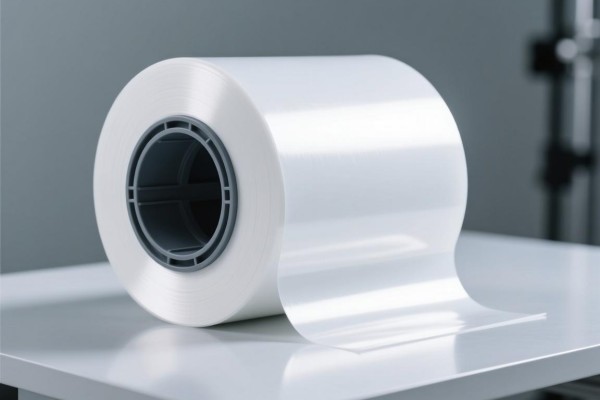
PTFE high-speed cable film emerges as a game changer in the electronics sector, delivering numerous benefits across various applications. Its superior insulation properties ensure minimal signal loss, crucial for maintaining reliable data transmission in RF and microwave systems. Additionally, the material’s impressive resilience to high temperatures allows it to perform consistently in extreme environments, making it suitable for use in demanding sectors such as aerospace and automotive. Furthermore, the lightweight yet durable design of PTFE enhances its flexibility, facilitating easy integration into complex electronic assemblies. Overall, these attributes position PTFE high-speed cable film as an essential component for advancing connectivity and performance in modern electronic applications.
Advantages of PTFE High-Speed Cable Film in Modern Electronics
PTFE high-speed cable film stands out in modern electronics for its exceptional insulation and protective qualities. Engineered to meet the demands of high-speed transmission lines, this material serves as a critical component in various applications such as RF coaxial cables and electric vehicle charging wires. Notably, the use of PTFE wrapping film helps maintain signal integrity while minimizing interference. Furthermore, its lightweight and flexible nature make it an ideal choice for intricate designs where space is limited.
The effectiveness of PTFE thread seal tape in high-temperature environments further enhances its versatility, ensuring stable performance across a range of conditions. Advanced variants like DAC high-speed cable wrapping film and AEC high-speed cable wrapping film offer improved resistance to thermal dynamics, making them suitable for demanding tasks in aerospace and automotive industries.
The overall performance of systems utilizing PTFE cable wrapping tape translates to more reliable connectivity and durability. Highlighting these advantages allows manufacturers to optimize their designs with confidence, knowing that the insulation provided by PTFE products will efficiently handle both speed and frequency requirements essential for advanced electronic applications.
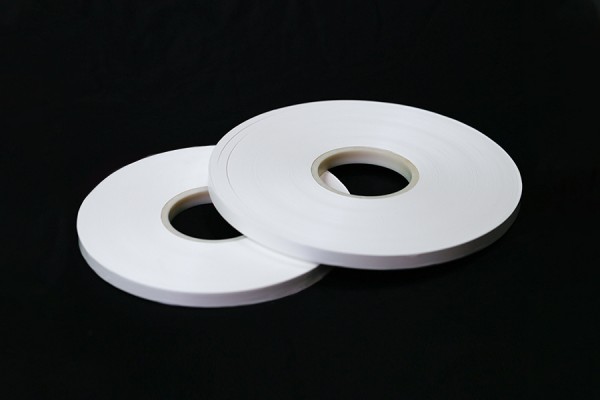
Enhancing Insulation Performance with PTFE for RF and Microwave Applications
PTFE high-speed cable film offers significant advantages for RF and microwave applications, primarily due to its excellent insulation properties. This material effectively minimizes dielectric loss, which is crucial for maintaining signal integrity in high-frequency environments. The unique microporous structure of PTFE provides a low dielectric constant, ensuring that signal transmission remains stable and efficient. Additionally, the lightweight yet strong composition of the high-speed transmission line PTFE wrapping tape enhances durability while maintaining flexibility. Its ability to withstand high temperatures without compromising performance further solidifies its role in modern electronic applications. As the demand for reliable and efficient communication systems grows, PTFE cable film proves essential in advancing insulation technology in RF and microwave domains.
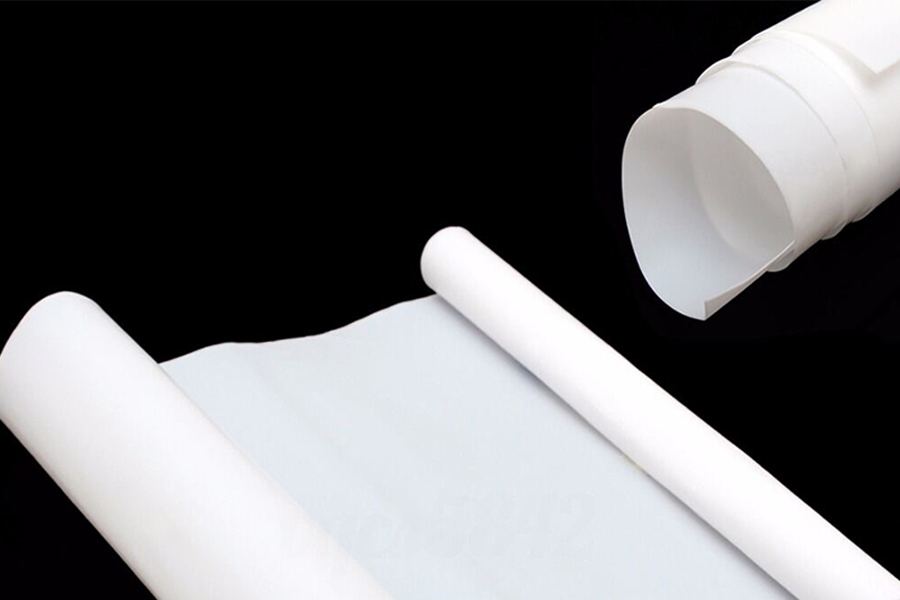
The Role of PTFE High-Speed Cable Film in High-Temperature Environments
PTFE high-speed cable film is essential in high-temperature environments, where standard insulation materials may fail. This film maintains its integrity and performance characteristics even when exposed to extreme heat. The lightweight, composite structure of PTFE contributes to its impressive heat resistance, making it ideal for applications like military and aerospace electronics. Additionally, the film’s low thermal expansion coefficient ensures stable dimensions under temperature fluctuations, which is crucial for maintaining signal integrity.
"Using ACC high-speed cable wrapping film not only enhances thermal performance but also ensures excellent flexibility during installation."
This combination of durability and adaptability allows PTFE films to support various high-performance applications, such as RF coaxial cables and electric vehicles. As industries demand more reliable materials that can withstand tough conditions without compromising functionality, PTFE’s properties position it as a preferred choice for insulation in high-temperature environments.
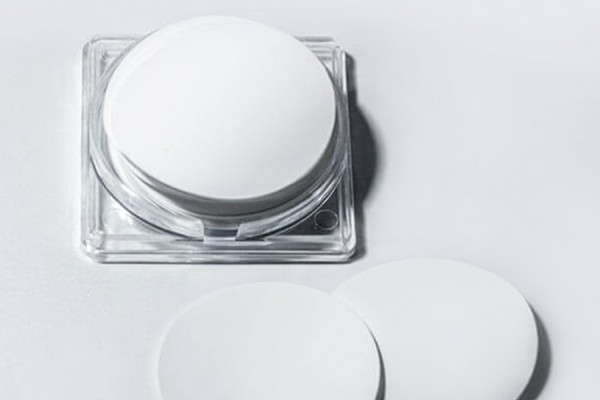
Maximizing Flexibility and Stability with Advanced PTFE Insulation Solutions
PTFE wrapping film plays a crucial role in modern electronic applications by offering enhanced flexibility and stability. This high-performance material, particularly the AEC high-speed cable wrapping film and AOC high-speed cable wrapping film, excels in various environments, especially where temperature fluctuations are common. Its unique structure allows for easy processing while ensuring that the cables maintain their integrity under stress. The lightweight nature of PTFE insulation does not compromise strength; instead, it adds a layer of durability that is essential for reliable performance in RF coaxial cables and high-temperature applications. As electronic devices become more advanced, the demand for materials that can efficiently manage heat while maximizing signal stability becomes increasingly critical. PTFE’s lower dielectric loss contributes significantly to this balance, ensuring effective signal transmission without degradation.
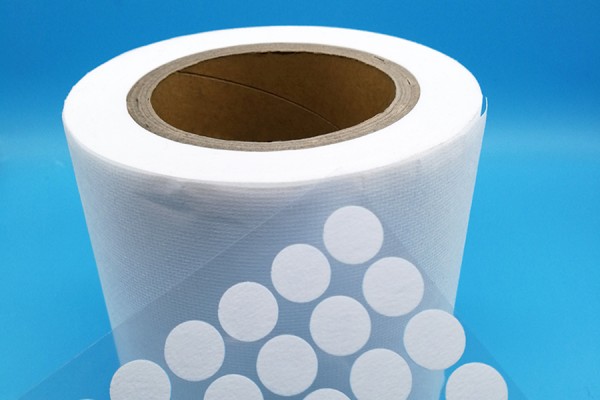
Exploring the Low Dielectric Loss of PTFE Cable Film in Data Transmission
PTFE high-speed cable film is notable for its impressive low dielectric loss, making it an ideal choice for data transmission applications. This characteristic ensures efficient signal transfer, which is essential in high-frequency systems such as RF coaxial cables and microwave communication networks. The unique microporous structure of PTFE film helps maintain a low dielectric constant, allowing for minimal energy dissipation during transmission. This property is particularly beneficial in environments requiring high-speed connectivity and stable data flow. Furthermore, the flexibility of PTFE cable film supports easy integration into various electronic assemblies without compromising performance. Additionally, using PTFE thread seal tape enhances the insulation properties, providing an effective barrier against moisture and contaminants that could impair signal integrity.
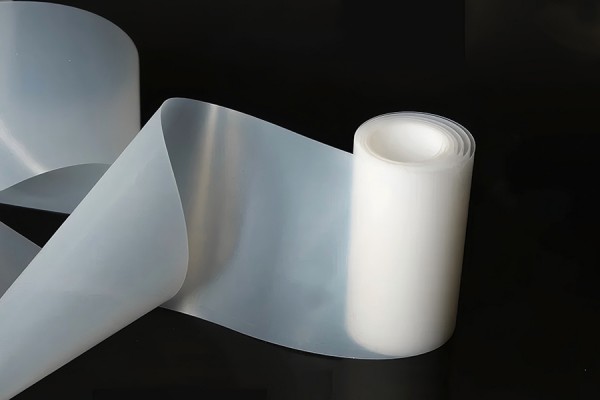
High-Speed Connectivity: The Impact of PTFE Films on Electronic Performance
PTFE high-speed cable films play a crucial role in enhancing electronic performance across various applications. Their unique properties contribute significantly to signal transmission efficiency and stability. The lightweight design ensures minimal impact on the overall system weight, which is particularly important in aerospace and automotive industries. Additionally, the excellent thermal stability of PTFE allows it to maintain performance under high-temperature conditions without compromising insulation integrity. This is essential for high-speed data lines, where heat can lead to signal degradation. Furthermore, the low dielectric constant characteristic of PTFE films reduces signal loss during transmission, making them an ideal choice for RF coaxial cables and data communication systems. Ultimately, the integration of PTFE high-speed cable film results in improved connectivity and reliable performance in demanding electronic environments.
Durability and Resistance Benefits of PTFE High-Speed Cable Insulation
PTFE high-speed cable insulation offers significant durability and resistance advantages in various electronic applications. Its remarkable abrasion resistance ensures minimal wear and tear even in demanding environments, making it ideal for use in RF and microwave applications. Additionally, the film’s thermal stability allows it to withstand high temperatures without compromising its insulating properties. This is particularly crucial in settings such as automotive wire harnesses or electric vehicle charging cables, where consistent performance is essential. The low thermal expansion coefficient of PTFE further enhances its reliability under fluctuating conditions. When used as a high speed and high-frequency cable wrapping film, PTFE maintains the integrity of signal transmission while reducing attenuation. Overall, the unique composition of PTFE provides a blend of flexibility and strength that further supports its role in advanced electronic applications.
Conclusion
The significance of PTFE high-speed cable film in modern electronics cannot be overstated. Its combination of durability, flexibility, and low dielectric loss positions it as a go-to material for various applications, including RF and microwave technologies. The film’s resistance to high temperatures and harsh environments ensures consistent performance across demanding conditions. Furthermore, the properties of PTFE enhance signal integrity, reduce interference, and contribute to efficient data transmission. As the electronics industry continues to evolve with higher performance standards, the role of PTFE cable film will undoubtedly grow, providing essential support for advanced connectivity solutions. These characteristics make PTFE high-speed cable film an invaluable asset in achieving reliable and efficient electronic systems.
FAQs
What are the main advantages of using PTFE high-speed cable film?
PTFE high-speed cable film provides excellent insulation, flexibility, and low dielectric loss, making it ideal for high-speed data transmission in RF and microwave applications.
How does PTFE perform in high-temperature environments?
PTFE maintains its integrity and insulation properties even in extreme heat, making it suitable for applications in military, aerospace, and electric vehicle industries.
What role does PTFE play in data transmission effectiveness?
The low dielectric loss of PTFE ensures efficient signal transfer and stability in high-frequency environments, crucial for maintaining signal integrity in data communication systems.
Can PTFE cable film enhance the durability of electronic systems?
Yes, PTFE exhibits remarkable durability and resistance to abrasion and thermal stress, which helps protect cable systems from wear over time.
How does the flexibility of PTFE influence installation?
PTFE’s lightweight and flexible design allows for easy integration into various electronic assemblies without sacrificing performance or protection.