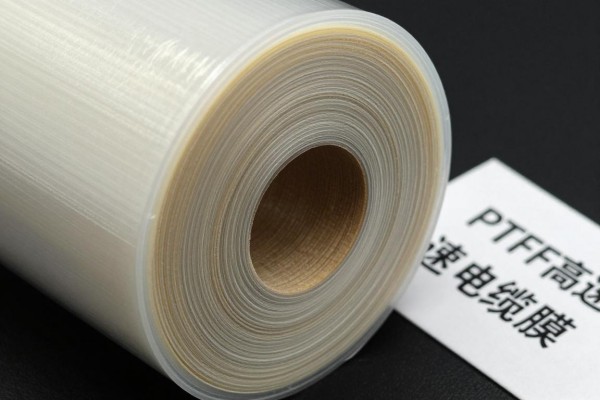
Teflon film has proven to be a game changer in various industrial applications, thanks to its unique attributes. Its exceptional chemical resistance and low friction properties make it suitable for high-performance tasks across sectors like aerospace, electronics, and automotive. These qualities not only enhance the durability of components but also contribute to overall operational efficiency. Additionally, Teflon film’s ability to withstand extreme temperatures ensures reliability in demanding environments. As industries continue to adopt innovative materials, the versatility of Teflon film positions it as a crucial element in advancing technology and improving manufacturing processes across multiple fields.
Versatile Applications of Teflon Film in Modern Industries
Teflon film is making significant strides across various industrial sectors due to its multifunctional properties, particularly in high-speed and high-frequency applications. For instance, the utilization of High speed transmission line PTFE wrapping tapeis critical in ensuring optimal performance and durability in many electronic devices. Industries are increasingly turning to PTFE wrapping filmand PTFE cable wrapping tapefor reliable insulation and protection against harsh environmental conditions. Moreover, the advent of specialized films such as DAC high-speed cable wrapping filmand AEC high-speed cable wrapping filmhas revolutionized the way cables are designed, enhancing their efficiency and longevity. Similarly, PTFE Thread Seal Tapeis indispensable in preventing leaks in piping systems, while PTFE cable roll coatingoffers added benefits for robustness. These various applications showcase how Teflon film not only improves performance but also drives innovations within technology.
"Investing in high-quality materials like PTFE can significantly impact system reliability."
Exploring the Unique Properties of Teflon Film
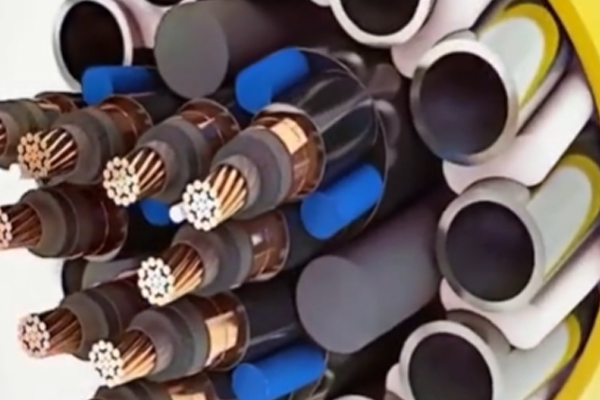
Teflon film, often referred to by its chemical name PTFE (Polytetrafluoroethylene), showcases remarkable characteristics that make it indispensable in various industrial applications. One of its standout features is its excellent chemical resistance, which ensures stability against corrosive substances. This property is particularly vital in industries such as oil and gas, where protection from aggressive chemicals is essential.
Additionally, Teflon film offers outstanding thermal stability. It maintains performance over a wide temperature range, which is crucial in manufacturing processes that involve high heat exposure. For example, in electrical applications, PTFE thread seal tape and PTFE cable wrapping tape leverage these properties to enhance insulation and durability.
The low friction coefficient of Teflon film makes it an optimal choice for reducing wear in moving parts. This can dramatically prolong the lifespan of machinery and equipment. Furthermore, ACC high-speed cable wrapping film is engineered for rapid production cycles while providing the necessary protection and insulation for sensitive electrical components.
The combination of these properties illustrates how Teflon film stands out as a vital material across various sectors, driving innovations such as PTFE cable roll coating that enhance product reliability and performance.
Enhancing Performance: Teflon Film Innovations in Technology
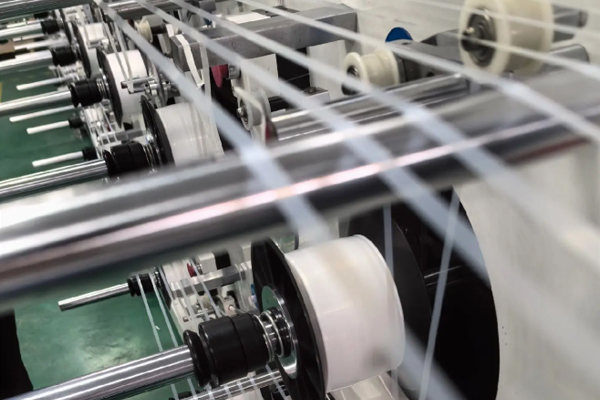
Teflon film, known for its exceptional chemical resistance and low friction properties, plays a pivotal role in various technological advancements. A significant innovation is the development of PTFE wrapping film, which greatly enhances performance in insulating and protecting wires and cables. This material is especially beneficial in high-speed applications, such as AEC high-speed cable wrapping film, where reliability and durability are critical. These Teflon films contribute to heat resistance and provide a protective barrier against harsh environments, making them ideal for industries like aerospace and electronics. Consequently, the use of Teflon film not only improves safety but also boosts overall efficiency and performance in modern manufacturing processes.
The Benefits of Using Teflon Film in Manufacturing Processes
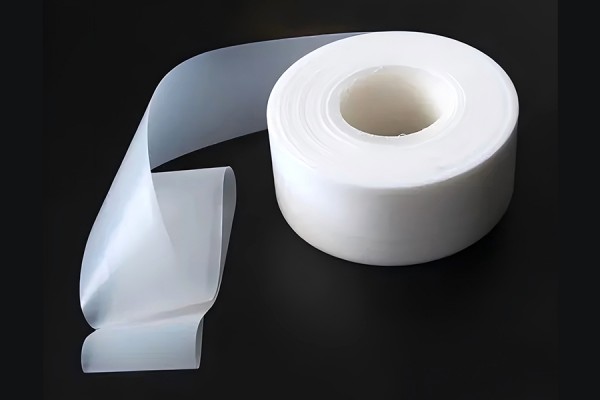
Teflon film offers a wide array of benefits that make it an essential material in manufacturing processes. Its non-stick properties reduce friction and wear, leading to decreased maintenance costs and extended equipment life. Additionally, Teflon’s resistance to chemicals and extreme temperatures ensures reliable performance in harsh environments, making it ideal for applications in industries such as aerospace and pharmaceuticals. The lightweight nature of Teflon film enhances energy efficiency in various operations, contributing to lower operational costs. Moreover, its excellent electrical insulation properties are invaluable for the electronics sector, enabling improved performance and safety in electronic components. By integrating Teflon film into production processes, manufacturers can achieve higher efficiency, greater durability, and enhanced overall product quality.
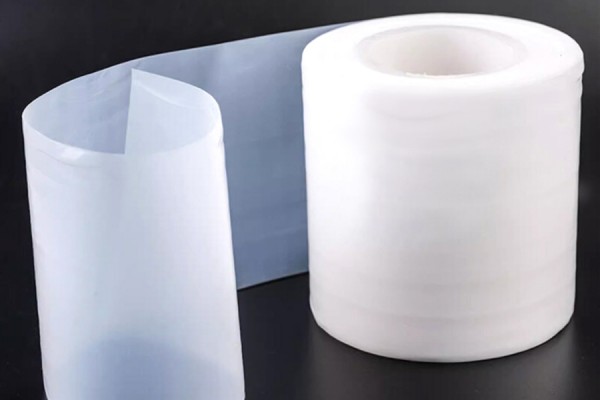
Teflon Film: A Game Changer in Diverse Industrial Sectors
Teflon film has emerged as a transformative material across various industrial sectors due to its remarkable properties. Its exceptional chemical resistance, low friction coefficient, and temperature stability make it particularly valuable in applications ranging from food processing to aerospace. In the electronics sector, Teflon film’s insulating capabilities have made it a preferred choice for circuit boards and wiring due to its reliability in extreme conditions. Moreover, the automotive industry benefits from Teflon film’s lightweight and durable nature, which contributes to overall vehicle efficiency. As industries continue to seek advanced materials that enhance performance while meeting stringent regulatory standards, Teflon film stands out as a versatile solution that adapts well to the diverse challenges faced across these sectors.
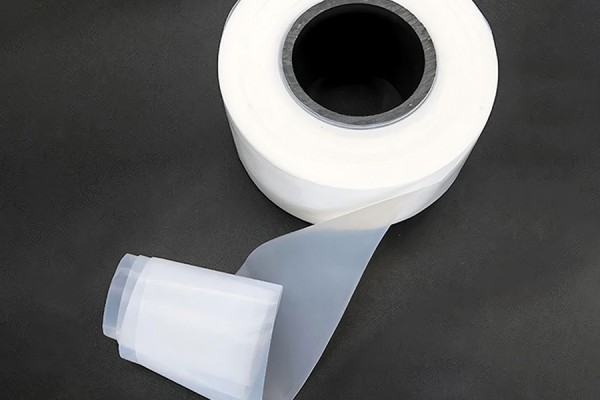
How Teflon Film Improves Efficiency in Modern Technology
Teflon film plays a crucial role in modern technology by enhancing operational efficiency across various applications. Its unique characteristics, such as high thermal resistance and low friction, make it an ideal material for components that require durability and reliability. For instance, in the field of electrical engineering, Teflon film is utilized as high-speed and high-frequency cable wrapping film, providing excellent insulation and protection. This ensures that signal integrity is maintained while minimizing energy loss. Moreover, its chemical resistance allows it to perform effectively even in harsh environments, further contributing to its adoption in sectors ranging from aerospace to telecommunications. As industries continue to strive for higher performance standards, the integration of Teflon film remains a key factor in achieving technological advancements.
Applications of Teflon Film: From Aerospace to Electronics
Teflon film finds extensive use across a variety of industries due to its exceptional properties, such as high chemical resistance and low friction. In aerospace, it is utilized for insulation and protective layers in components subject to extreme temperatures. The electronics sector benefits from Teflon film’s dielectric properties, making it ideal for creating circuit boards and as a high speed transmission line PTFE wrapping tape. This tape enhances performance by ensuring signal integrity and minimizing interference. Furthermore, in the automotive industry, Teflon film is used in seals and gaskets to improve durability and resistance to wear. Overall, the adaptability of Teflon film enables its application in developing innovative solutions across many sectors.
Understanding the Role of Teflon Film in Industry Advances
Teflon film plays a crucial role in various industrial advances, providing key benefits in applications ranging from electronics to aerospace. Its unique properties, such as chemical resistance and low friction, enhance the performance of numerous products. For instance, the use of AOC high-speed cable wrapping film showcases how Teflon film improves durability and efficiency in cable manufacturing. Its insulating capabilities protect against heat and abrasion, making it ideal for use in challenging environments. As industries increasingly rely on innovative materials, Teflon film stands out as a versatile component that supports technological advancements and bolsters manufacturing processes. Its contribution to enhancing product lifespan and performance cannot be understated, marking it as a significant player across multiple sectors.
Conclusion
The extensive use of Teflon film across various industries emphasizes its integral role in enhancing operational efficiency and product performance. As industries strive for innovation, the unique properties of Teflon film—such as its chemical resistance, thermal stability, and low friction—continue to position it as a preferred material in manufacturing processes. The airspace sector benefits from its reliability in extreme conditions, while the electronics industry utilizes it for effective insulation applications. The automotive sector also finds value in Teflon film’s durability and lightweight characteristics, contributing to overall vehicle efficiency. Thus, the versatility of Teflon film aligns seamlessly with the evolving demands of modern technology, driving advancements across numerous industrial applications.
FAQs
What is Teflon film?
Teflon film, or PTFE (Polytetrafluoroethylene), is a versatile material known for its chemical resistance and low friction properties.
What are the main applications of Teflon film in industry?
Teflon film is used in various industries, including aerospace for insulation, electronics for circuit boards, and automotive for seals and gaskets.
How does Teflon film improve efficiency in manufacturing?
It reduces friction and wear, lowers maintenance costs, and enhances durability while providing reliable insulation against heat and chemicals.
Why is chemical resistance important for Teflon film?
Chemical resistance allows Teflon film to perform effectively in harsh environments, making it suitable for applications that involve aggressive substances.
Can Teflon film be used in high-temperature applications?
Yes, Teflon film maintains its properties over a wide temperature range, making it ideal for high-temperature industrial processes.