important Takeaways
ePTFE membranes are a strong option in wearable tech because they combine waterproofing with sound permeability. They keep devices working in varied conditions, which matters for outdoor users and athletes. These membranes shield sensitive parts from moisture while preserving audio clarity, a key factor for wearables like smartwatches and headphones. Their durability and chemical resistance add to their appeal, helping devices endure harsh environments without breaking down. Adopting ePTFE also enables sleeker designs without sacrificing performance, since these materials prevent moisture ingress without dulling sound. In the end, ongoing use and development of these membranes will drive new advances in wearables, making devices more reliable and better suited to how people actually use them.
Versatile ePTFE Membranes in Wearables
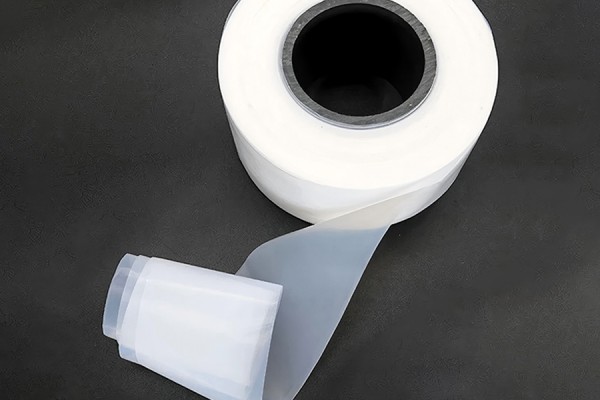
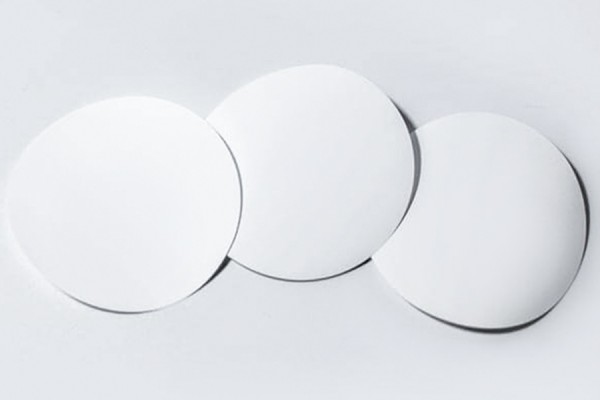
ePTFE membranes are a key material in wearable tech, combining features that boost how devices work. Their design lets sound pass through while keeping water out, changing how devices interact with their surroundings. This balance enables makers to build products like smartwatches and headphones that perform well and resist moisture and dust.
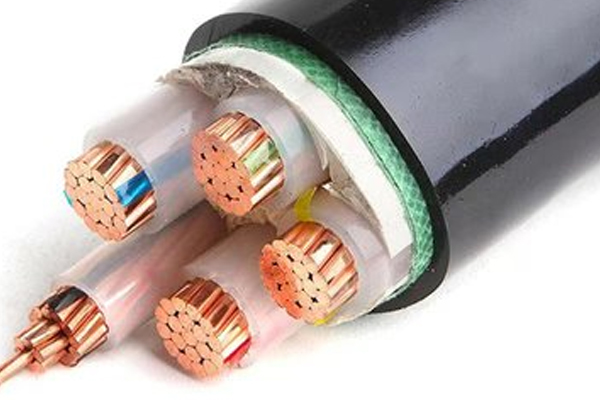
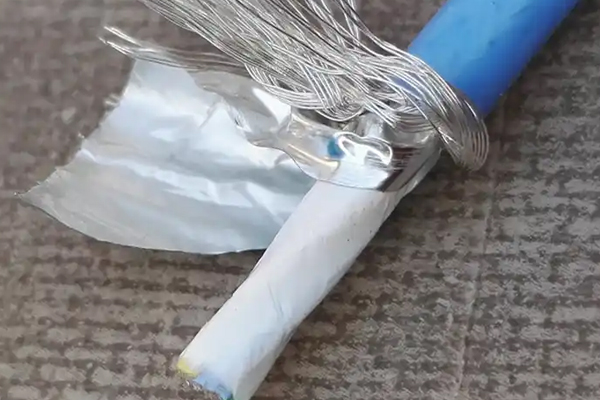
Incorporating ePTFE membranes can improve the reliability of audio devices by ensuring clear sound transmission even in challenging conditions. For example, high-speed transmission line PTFE wrapping tape and PTFE wrapping film are critical in protecting internal wires from damage and interference, mainly when optimizing audio quality. Furthermore, these membranes bring chemical resistance makes them suitable for outdoor wearables, where exposure to harsh elements is common.
"Using these membranes helps wearables adapt to different environments while focusing on user experience."
The integration of ePTFE not only supports device longevity but also contributes significantly to the performance of high-frequency applications found in modern wearables. As technology evolves, this material’s versatility will likely play a major role in shaping robust, reliable wearable solutions.
Revolutionizing audio quality with ePTFE
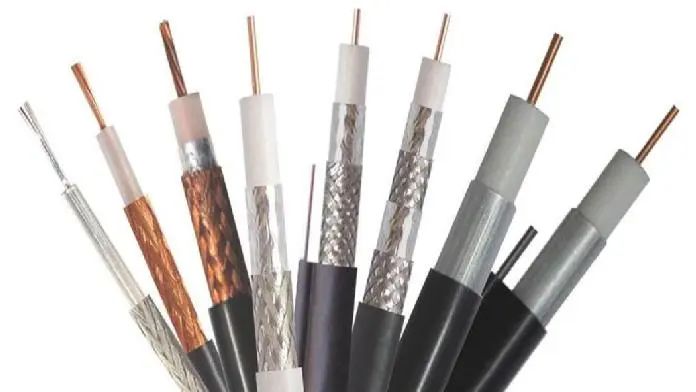
ePTFE membranes help improve audio in wearable technology. Their structure lets sound pass through while blocking water and dust, keeping audio transmission clear. This selective permeability matters for smartwatches and wireless earbuds, where function and durability must coexist. With an IP68 rating, these membranes protect internal parts from moisture without sacrificing sound clarity. The low acoustic resistance helps deliver crisp sound by reducing distortion. Compared with traditional materials, ePTFE offers better durability and chemical resistance, ensuring audio devices keep performing under varied conditions. Integrating these membranes into audio systems lets manufacturers design sleeker, more efficient devices without sacrificing reliability. As wearables advance, the role of this material in boosting audio performance becomes more useful, bridging design and function.
Durability of ePTFE in Devices
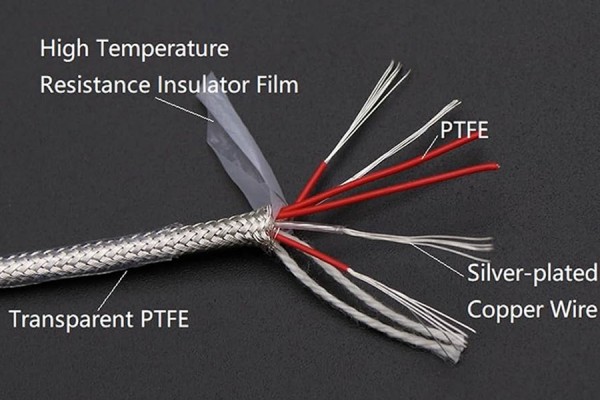
ePTFE membranes are built to withstand harsh conditions, making them a reliable choice for wearable technology. They stay temperature-stable across a wide range, from -40℃ to 150℃, so devices work in different environments. They’re chemically inert, resisting degradation from exposure to corrosive substances. When integrated, they shield internal components and extend the life of wearables. Their hydrophobic properties help prevent moisture damage from sweat or rain. Plus, the membrane structure supports excellent acoustic performance while resisting physical wear. This mix protects electronics and helps keep audio clear, making these materials valuable in modern wearable devices.
Waterproof solutions: ePTFE Benefits
ePTFE membranes offer strong waterproofing for wearables. Their hydrophobic nature blocks liquids while letting air and sound through. This is key for devices exposed to moisture, helping them stay durable in tough environments. They also support breathability, reducing sweat buildup around sensitive components. They keep performance intact even after prolonged submersion, achieving IP68 ratings. This reliability matters for outdoor and fitness wearables facing changing weather. The material also resists chemical exposure, boosting its usefulness in fields from healthcare monitoring to sports tech. Users get devices that withstand elements and keep performing in dynamic settings, opening doors for new wearable advances.
new Uses of ePTFE Membranes
These membranes are finding roles beyond the classics. In wearable tech, their lightweight, breathable nature offers a barrier against water and dust while letting sound pass through. This balance matters for smartwatches and fitness trackers that need audio quality without sacrificing protection. Beyond wearables, the membranes see use in medical devices due to biocompatibility and resistance to bodily fluids. They also appear in high-performance sports gear, ensuring gear survives harsh conditions while remaining comfortable. The combination of chemical resistance and durability makes these membranes a strong choice for industrial uses, such as filtration systems handling corrosive substances. This versatility positions them as a key component in fields where performance and reliability matter.
Enhancing wearables: The ePTFE Advantage
These membranes bring real benefits to wearables by delivering dependable performance in tough environments. Their structure supports excellent air and sound permeability while staying waterproof, which suits devices like smartwatches, fitness trackers, and earbuds. Blocking moisture while letting sound through improves audio clarity without compromising the device’s integrity. Plus, the material shows strong durability, letting wearables stand up to everyday use. Its chemical resistance means it can perform in varied conditions without breaking down or affecting internal components. In environments with sweat or moisture, the hydrophobic nature prevents water entry while keeping breathability. This mix helps user comfort and overall device effectiveness. As a result, these membranes are popular with manufacturers looking to boost the functionality and reliability of their wearable products.
Chemical resistance of ePTFE Materials
ePTFE offers impressive chemical resistance across a broad pH range from 1 to 14, making it suitable for handling aggressive substances, including strong acids and bases. This ability to resist chemical wear ensures reliability in various setups, especially where typical materials would degrade. For example, it’s vital in protective seals for devices that contact corrosive chemicals, preventing leaks and damage over time. Its properties block liquids and allow gases to pass, preserving the function of sensitive electronics. Its stability under high-stress conditions further underscores its role in extending the life of wearables. Deploying ePTFE materials improves device integrity and meets essential safety standards.
ePTFE: The Future of Wearable Tech
These membranes are changing the wearable scene. Their mix of waterproofing and air and sound permeability makes them ideal for devices like smartwatches and fitness trackers. They let sound through while keeping moisture and dust out, ensuring internal parts stay functional in different conditions. This matters because users expect reliable performance during workouts or in bad weather. Also, the material’s strong chemical resistance adds to its appeal. Devices with these membranes can endure exposure to various substances without sacrificing performance. The durability extends their lifespan, reducing frequent replacements. Original uses of ePTFE in wearables aren’t limited to audio; their light weight also boosts comfort for daily use. As tech evolves, the integration of these membranes will likely expand, bringing new functionality and better user experiences across wearables.
Conclusion
These membranes mark a notable advance in wearable tech, supporting both performance and durability. Their waterproofing and sound-permeability keep devices functioning in varied environments while maintaining audio quality. As wearables become more embedded in daily life, materials that withstand moisture and physical stress are essential. Their chemical resistance adds to their practicality, letting devices perform reliably in changing conditions without harming integrity. This flexibility makes them a preferred choice for makers aiming at durable, user-friendly products. As the industry evolves, these membranes will play an increasingly important role, backing original applications that focus on user experience and device longevity while meeting modern lifestyle demands.
FAQs
What are ePTFE membranes used for in wearable technology?
ePTFE membranes boost device performance by providing waterproofing and sound permeability, allowing for clear audio transmission while protecting against moisture and dust.
How do ePTFE membranes improve audio quality?
They permit sound waves to pass through while blocking water and dust, ensuring crisp sound quality even in challenging environments.
Can ePTFE withstand extreme conditions?
Yes, ePTFE membranes are temperature stable from -40℃ to 150℃ and are resistant to corrosion from various chemicals, making them suitable for diverse applications.
Are there specific wearables that benefit most from ePTFE?
Smartwatches, fitness trackers, and wireless earbuds significantly benefit from ePTFE due to the need for moisture protection and reliable audio performance.
What advantages do manufacturers gain by using ePTFE?
Manufacturers can create more durable and reliable devices that endure various environmental challenges while maintaining high audio clarity and user comfort.