PTFE raw material tape plays an integral role in various industries, providing significant benefits that enhance reliability and performance. Its exceptional resistance to heat and chemicals allows it to withstand harsh environments, which is essential in sectors like aerospace and electronics. Furthermore, the tape’s non-stick properties are particularly advantageous in food processing applications, maintaining product hygiene and integrity. As industries continue to evolve, the use of PTFE raw material tape is increasingly recognized for its ability to improve operational efficiency and support innovations. Emphasizing effective sealing and insulation capabilities not only contributes to extending the lifespan of components but also helps meet stringent industry standards across various applications. These attributes position PTFE raw material tape as a vital solution for enhancing product resilience and efficiency in contemporary manufacturing practices.
Innovative Uses of PTFE Raw Material Tape in Modern Industries
PTFE raw material tape finds extensive application in various sectors due to its remarkable properties. In the aerospace industry, the use of PTFE cable wrapping tape enhances the reliability of connections in challenging environments. Similarly, high-speed transmission line PTFE wrapping tape is crucial for maintaining signal integrity in electronics, ensuring efficient communication. The versatility continues in food processing, where PTFE wrapping film serves as a protective layer to maintain hygiene and freshness of products. Each application underscores the need for reliable sealing solutions; for instance, PTFE Thread Seal Tape effectively prevents leaks while supporting high-temperature operations. In cable manufacturing, innovations like DAC high-speed cable wrapping film and AEC high-speed cable wrapping film offer robust performance under demanding conditions, further establishing PTFE’s reputation as an essential material across diverse industries.
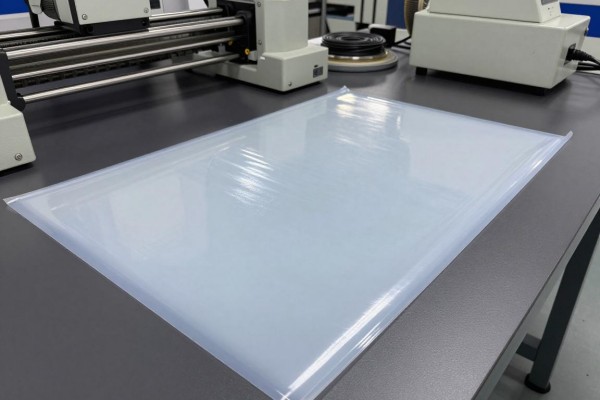
PTFE Raw Material Tape: Transforming Aerospace and Electronics Applications
The aerospace and electronics industries are increasingly adopting PTFE raw material tape due to its exceptional performance and versatility. Particularly, the high speed transmission line PTFE wrapping tape is pivotal for ensuring reliable signaling and communication in high-frequency applications. Its low dielectric constant and superior thermal stability allow it to effectively minimize signal loss, making it ideal for complex electronic components.
Furthermore, in aerospace applications, this tape is employed for insulation and protection against extreme temperatures and corrosive environments. The durability of PTFE tape not only enhances the longevity of components but also upholds stringent safety standards within these sectors.
“Incorporating innovative materials like PTFE tape can transform product functionality and reliability.” With ongoing advancements in manufacturing processes, the future of PTFE raw material tape promises even greater contributions to enhancing performance across diverse applications.
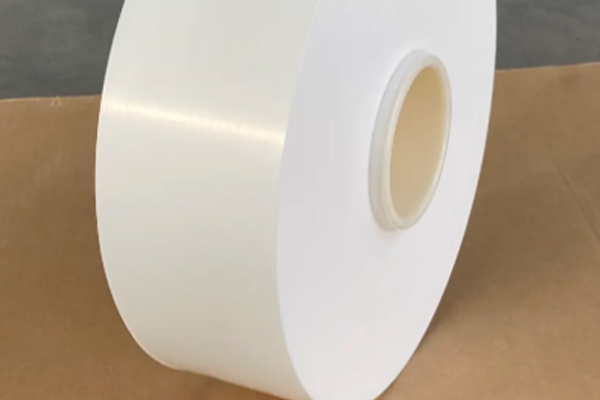
Exploring the Versatility of PTFE Raw Material Tape in Food Processing
PTFE raw material tape is increasingly becoming essential in the food processing industry due to its excellent non-stick properties and chemical resistance. Its application ensures high standards of hygiene and efficiency. In particular, AEC high-speed cable wrapping film and AOC high-speed cable wrapping film are notable examples of how PTFE tape can enhance equipment reliability in food manufacturing environments. These films not only withstand the rigorous temperature variations but also offer remarkable durability against corrosive substances commonly used in food processing.
These features make PTFE raw material tape ideal for various applications, such as sealing packaging materials and insulating electrical components within machinery. As production demands grow, so does the need for reliable materials that maintain product integrity without compromising safety. The advancement and application of PTFE raw material tape are redefining the benchmarks for performance and reliability in this sector, ultimately contributing to better operational outcomes.
| Application | Benefits |
|---|---|
| Sealing packaging materials | Improves hygiene and prevents contamination |
| Insulating electrical components | Enhances safety and operational reliability |
| Machinery maintenance | Resists wear and tear, reducing downtime |
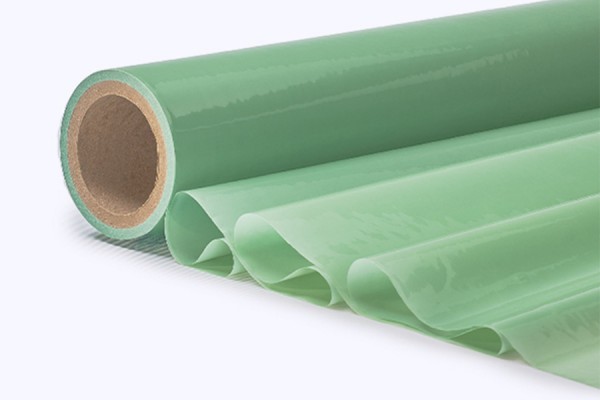
Enhancing Product Reliability with Advanced PTFE Raw Material Tape
Advanced PTFE raw material tape plays a crucial role in enhancing product reliability across various industries. Its exceptional properties, such as high-temperature resistance and corrosion resistance, make it an ideal choice for applications in aerospace and electronics. In these sectors, the use of PTFE cable roll coating ensures better insulation and protection against environmental factors. Additionally, DAC high-speed cable wrapping film leverages the low friction characteristics of PTFE to improve durability during data transmission. This versatility not only boosts performance but also extends the lifespan of critical components, thereby increasing overall system reliability. By integrating advanced PTFE raw material tape into manufacturing processes, industries can achieve higher efficiency and effectiveness in their products.
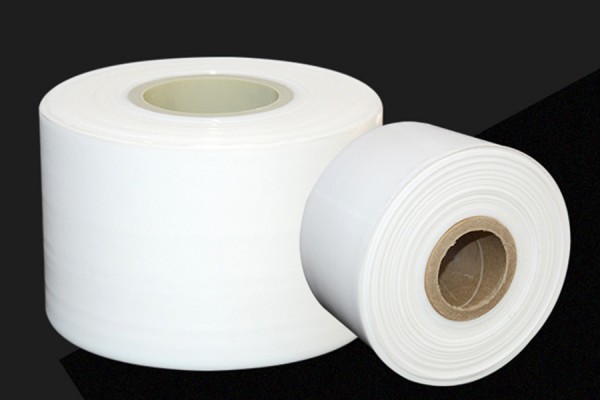
PTFE Raw Material Tape: Key Benefits for High-Performance Solutions
PTFE raw material tape offers exceptional advantages that make it ideal for high-performance applications across various sectors. Its chemical resistance ensures durability even in harsh environments, a critical trait for industries like aerospace and defense. Additionally, the low friction surface of PTFE tape contributes to seamless operation in machinery, promoting efficiency and longevity. The material’s thermal stability allows it to withstand high temperatures without compromising performance, making it suitable for applications where heat resistance is essential.
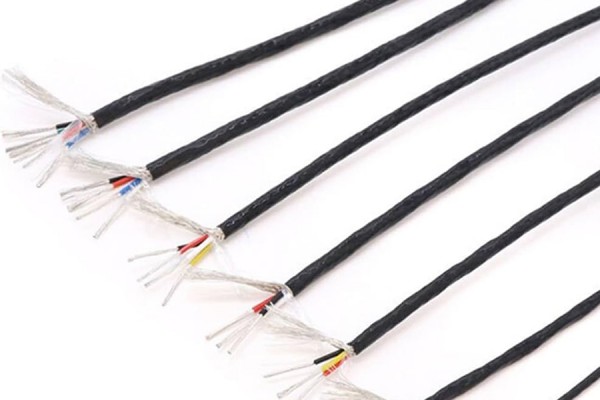
Notably, in the field of telecommunications, PTFE raw material tape serves as an effective solution in high-speed and high-frequency cable wrapping film. This capability enhances signal integrity and reduces loss during transmission, vital for the reliability expected in modern communication systems. Overall, PTFE raw material tape emerges as a key player in developing high-performance solutions that meet rigorous industry standards while ensuring product reliability and excellence.
The Role of PTFE Raw Material Tape in Redefining Industry Standards
PTFE raw material tape has become a crucial component in setting new benchmarks across various sectors. Its unique properties, such as high thermal stability and exceptional chemical resistance, allow it to excel in extreme environments. In aerospace, this tape ensures reliable insulation and protection in electrical components, enhancing overall safety and performance. In the electronics industry, its low friction characteristics contribute to improved efficiency in high-frequency applications. Moreover, the food processing sector benefits from its non-stick surface and ability to withstand rigorous sanitation processes. As industries continue to adopt PTFE raw material tape, it not only meets but also exceeds traditional material standards, paving the way for innovation and enhanced product reliability.
Unleashing the Potential of PTFE Raw Material Tape Across Sectors
PTFE raw material tape has garnered attention for its extensive applications in various industries due to its versatile properties. In aerospace, the material serves as an effective PTFE wrapping film, ensuring durability and resistance to extreme conditions. The lightweight yet strong characteristics of this tape enhance aircraft performance while reducing weight. In electronics, PTFE Thread Seal Tape is essential for ensuring airtight seals in components, providing reliability in critical systems. Furthermore, the food processing industry benefits from PTFE raw material tape’s non-stick surface and chemical resistance, which maintain product integrity while simplifying cleanup processes. Its ability to withstand high temperatures and corrosive environments makes it a preferred choice across sectors seeking innovative solutions to improve efficiency and product reassurance.
Conclusion
The continued adoption of PTFE raw material tape across various sectors highlights its crucial role in enhancing product reliability and efficiency. By leveraging its unique properties, industries such as aerospace, electronics, and food processing are achieving significant advancements in operational performance. In aerospace, the tape ensures effective thermal insulation and protection against corrosive elements, ultimately contributing to aircraft safety and durability. In the electronics field, its low friction surface aids in reliable communication and signal integrity. Meanwhile, the food processing industry benefits from PTFE’s non-stick characteristics, promoting hygiene and reducing contamination risks. As these applications demonstrate, PTFE raw material tape is not only a versatile solution but also a vital component in meeting rigorous industry standards.
FAQs
What is PTFE raw material tape used for?
PTFE raw material tape is used for sealing, insulation, and protection in various industries, including aerospace, electronics, and food processing.
How does PTFE tape enhance product reliability?
PTFE tape offers high-temperature and chemical resistance, ensuring durability and consistent performance in demanding environments.
Is PTFE tape suitable for food processing applications?
Yes, PTFE tape is ideal for food processing due to its non-stick properties and resistance to corrosion, maintaining hygiene and product integrity.
Can PTFE raw material tape withstand extreme conditions?
Absolutely, PTFE tape is designed to perform reliably in extreme temperatures and harsh environments across multiple sectors.
What benefits does PTFE offer in the aerospace industry?
In aerospace applications, PTFE tape provides reliable insulation and protection for electrical components while reducing overall weight for improved performance.