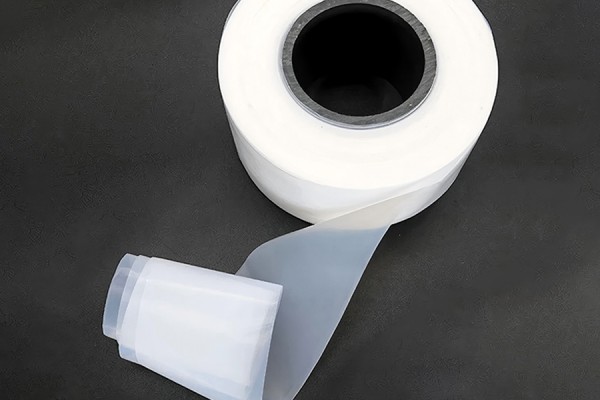
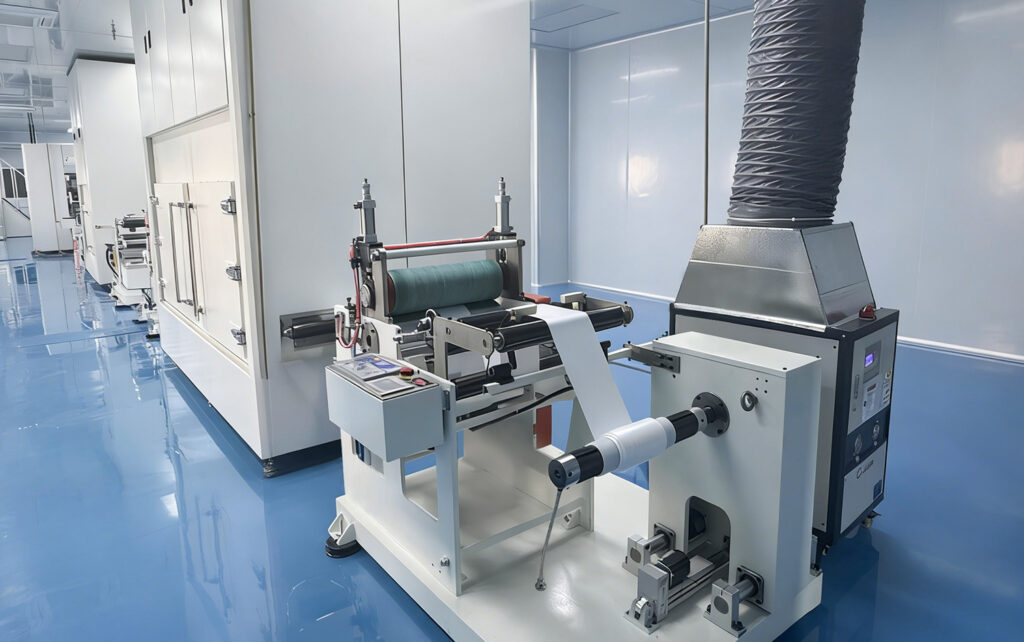
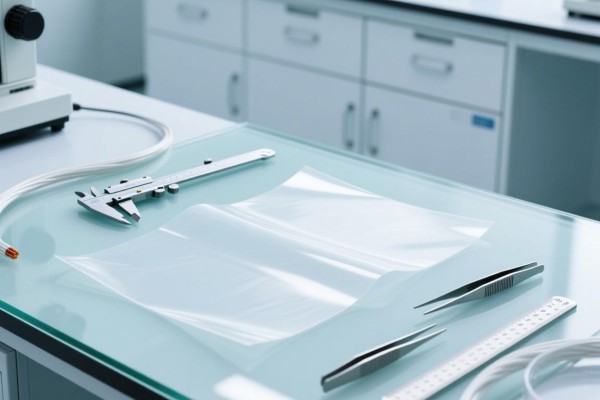
Polytetrafluoroethylene (PTFE) wrapping film emerges as a versatile solution in industrial applications, offering distinct advantages that enhance performance and reliability. Its exceptional chemical resistance ensures longevity even in harsh environments, crucial for sectors such as aerospace and electronics. Moreover, PTFE’s low friction characteristics improve operational efficiency by minimizing wear on moving parts. The film’s durability reduces the frequency of replacements, contributing to cost savings and smoother manufacturing processes. PTFE wrapping film not only protects vital components but also facilitates improved product quality across diverse industries. These benefits collectively underscore the material’s significance in advancing technological applications and fostering innovation within modern manufacturing.
Key Benefits of Polytetrafluoroethylene (PTFE) Wrapping Film for Industrial Use
Polytetrafluoroethylene (PTFE) wrapping film offers numerous advantages for industrial use, particularly in high-stress environments. One notable benefit is its exceptional chemical resistance, ensuring longevity and reliability even when exposed to harsh substances. For instance, the application of PTFE Thread Seal Tape in plumbing and other industrial sealing processes underscores its effectiveness in preventing leaks. Additionally, the low friction properties of PTFE make it ideal for high-speed transmission line PTFE wrapping tape, enhancing performance without compromising integrity.
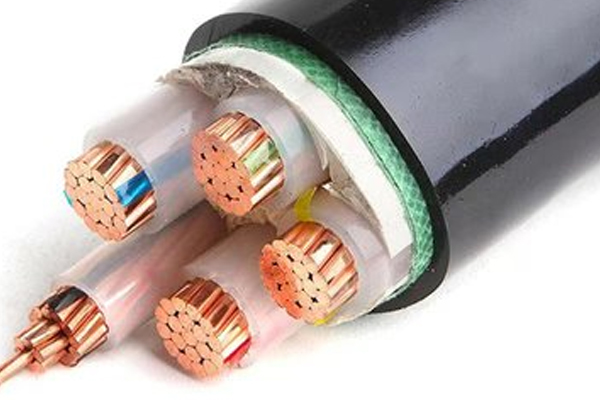
Furthermore, PTFE cable wrapping tape provides protection against environmental factors and mechanical wear, critical for industries such as aerospace and electronics. The advantages extend to DAC high-speed cable wrapping film and AEC high-speed cable wrapping film, which are designed for specialized applications requiring both durability and flexibility. The comprehensive resilience of PTFE also makes it suitable for use in PTFE cable roll coating applications where a robust barrier is essential.
“The versatility of PTFE products enables industries to achieve higher performance standards with reduced maintenance costs.”
A table summarizing the key benefits of PTFE wrapping film reflects its multifaceted applications:
| Property | Advantage | Application Example |
|---|---|---|
| Chemical Resistance | Withstands harsh substances | PTFE Thread Seal Tape |
| Low Friction | Enhances speed and efficiency | High speed transmission line tape |
| Durability | Long-lasting in adverse conditions | DAC high-speed cable wrapping film |
| Flexibility | Suitable for complex shapes | AEC high-speed cable wrapping film |
These attributes contribute significantly to the operational efficiency of various systems across sectors.
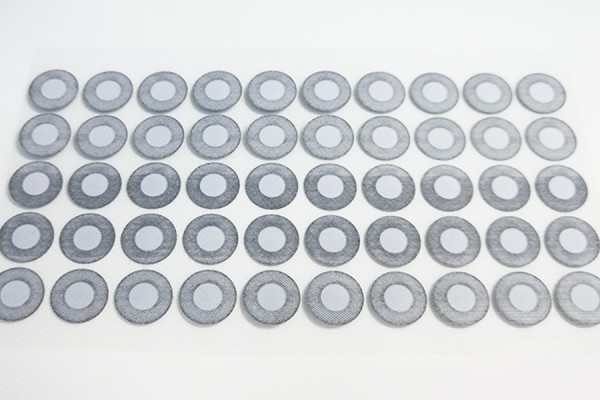
Industrial Applications of Polytetrafluoroethylene (PTFE) Wrapping Film in Aerospace and Electronics
Polytetrafluoroethylene (PTFE) wrapping film is gaining traction in the aerospace and electronics industries due to its outstanding properties. In aerospace applications, PTFE’s lightweight and high thermal stability make it ideal for insulating components in high-speed transmission systems. This durability is essential for ensuring that electrical cables can withstand challenging conditions without degradation. In the electronics sector, PTFE cable roll coating provides exceptional resistance to harsh chemicals and thermal fluctuations, which enhances the longevity and reliability of electronic devices. Additionally, its non-stick properties contribute to improved product performance by minimizing friction in moving parts. As industries seek materials that meet stringent regulations while providing superior performance, PTFE wrapping film emerges as a vital solution across these high-demand sectors.
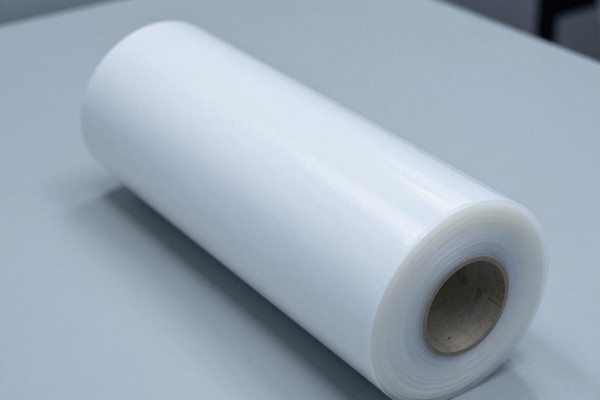
Understanding the Durability and Chemical Resistance of PTFE Wrapping Film
Polytetrafluoroethylene (PTFE) wrapping film boasts exceptional durability and chemical resistance, making it an ideal choice for various industrial applications. The robust properties of PTFE cable wrapping tape ensure it can withstand harsh environments, including exposure to corrosive substances without degrading. This reliability is crucial in sectors like aerospace and electronics where materials must perform optimally under extreme conditions. Additionally, the outstanding thermal stability of PTFE enhances the safety and longevity of products wrapped with materials like DAC high-speed cable wrapping film and AEC high-speed cable wrapping film. These films not only protect valuable components but also reduce friction, further extending the lifespan of the encapsulated products. The ability to maintain integrity under stress underscores the value of PTFE wrapping film in modern manufacturing processes.
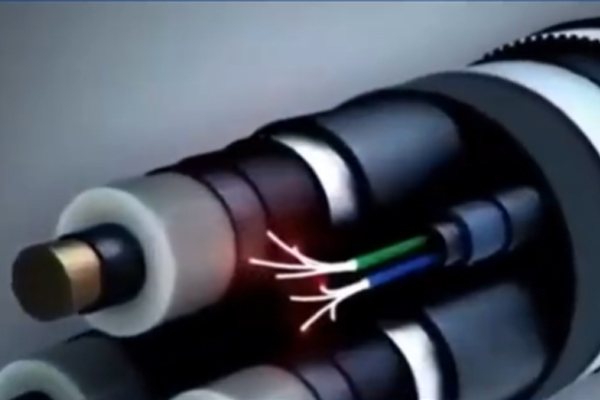
How Polytetrafluoroethylene (PTFE) Wrapping Film Enhances Product Performance
Polytetrafluoroethylene (PTFE) wrapping film significantly improves product performance across various sectors. Its unique non-stick surface reduces friction, which can lead to increased efficiency in machinery and reduces wear on components. This characteristic is particularly valuable in demanding environments, such as aerospace and electronics, where precision and longevity are essential. Additionally, the chemical resistance of PTFE ensures that products maintain integrity when exposed to harsh substances, making them more reliable and safe for use. The durability of this film also contributes to longer service life for industrial materials, resulting in lower maintenance costs and enhanced operational performance over time. Its versatility allows manufacturers to incorporate PTFE wrapping film into diverse applications, further solidifying its role as a key component in advanced technological solutions.
Versatile Uses of PTFE Wrapping Film Across Multiple Industries
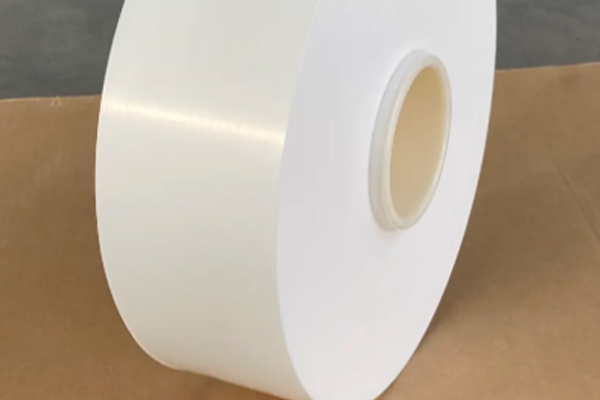
Polytetrafluoroethylene (PTFE) wrapping film has gained recognition for its exceptional versatility across various industries. Its remarkable chemical resistance makes it an ideal choice for applications in aerospace, where components often face harsh environments. In the electronics sector, PTFE wrapping film is employed for insulation and protection of wires and cables, ensuring longevity and reliability. Notably, the ACC high-speed cable wrapping film variant showcases how PTFE’s properties can enhance performance by reducing friction and providing a non-stick surface. This film is particularly advantageous in manufacturing processes, where it protects products during assembly and throughout their lifecycle. Manufacturers appreciate PTFE wrapping film’s durability, which translates into reduced maintenance costs and increased operational efficiency, making it a preferred material in multiple industrial applications.
The Role of PTFE Wrapping Film in Advancing Technology Applications
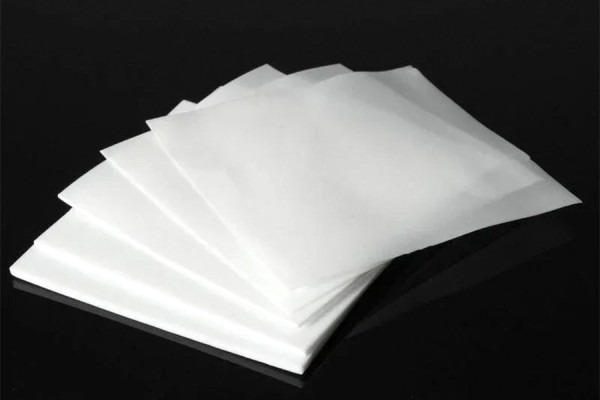
PTFE wrapping film plays a crucial role in the advancement of various technology applications, especially in sectors such as aerospace and electronics. The film’s exceptional chemical resistance ensures that it effectively protects sensitive components from corrosive substances, enhancing the longevity and reliability of critical systems. One notable product within this category is the AOC high-speed cable wrapping film, which has made significant strides in improving the performance and safety of wiring systems. By providing superior insulation and minimizing the risk of electrical failure, PTFE wrapping film contributes to more efficient technological processes. Additionally, its lightweight nature supports energy-efficient designs while maintaining structural integrity. This combination of properties allows manufacturers to push the boundaries of innovation, ultimately leading to improved product performance across diverse industrial applications.
Exploring the Advantages of Using PTFE Wrapping Film in Manufacturing Processes
Polytetrafluoroethylene (PTFE) wrapping film offers distinct advantages in manufacturing processes due to its unique properties. Its chemical resistance allows for protection against corrosive substances, making it ideal for environments where exposure to harsh chemicals is a concern. Additionally, the low friction nature of PTFE wrapping film reduces wear and tear on machinery, enhancing operational efficiency. Its durability ensures long-lasting use, minimizing the need for frequent replacements. The non-stick surface prevents materials from adhering, facilitating smoother production and easier cleanup. Ultimately, these characteristics contribute to improved manufacturing productivity and product quality across various industries.
Conclusion
Polytetrafluoroethylene (PTFE) wrapping film stands out as a highly advantageous material across numerous industrial sectors due to its exceptional properties. Its chemical resistance allows it to endure extreme environments without degradation, making it invaluable in applications related to aerospace and electronics. Furthermore, the durability and low friction nature of PTFE enhance product performance and reduce maintenance costs, leading to improved operational efficiency. Industries benefit from its versatility in manufacturing processes, where the non-stick surface and resilience contribute to smoother operations and better product quality. As technology advances, the importance of PTFE wrapping film continues to grow, cementing its role as a critical component in various high-performance applications.
FAQs
What is Polytetrafluoroethylene (PTFE) wrapping film used for?
PTFE wrapping film is primarily used for insulation and protection in various industries, including aerospace and electronics.
How does PTFE wrapping film enhance product performance?
Its low friction and non-stick properties reduce wear on components, leading to increased efficiency in operations.
Is PTFE wrapping film resistant to chemicals?
Yes, PTFE wrapping film has excellent chemical resistance, making it suitable for environments with harsh substances.
What are the durability benefits of PTFE wrapping film?
The material’s durability ensures a long lifespan even under extreme conditions, minimizing the need for replacements.
Can PTFE wrapping film be used in manufacturing processes?
Absolutely, PTFE wrapping film facilitates smoother production with its non-stick surface and protects products during assembly.