main Takeaways
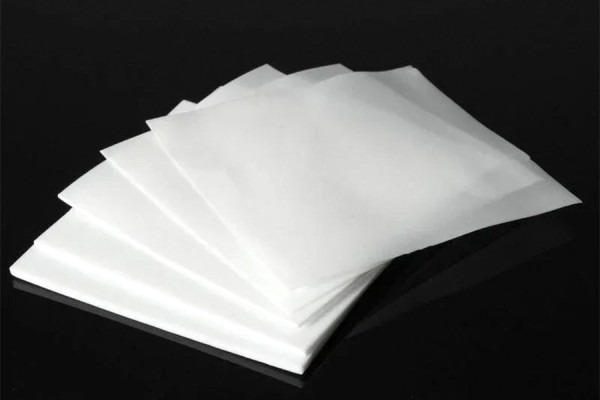
The advancements in PTFE film technology are shaping the scene of high-frequency applications like AI servers and 6G systems. These films provide critical benefits such as low dielectric loss and high thermal stability, essential for maintaining signal integrity during data transmission. Localized production is not only streamlining supply chains but also ensuring timely access to cost-effective, high quality materials. As manufacturers adapt to increased demands for performance, the combination of enhanced material properties and localized sourcing positions PTFE films as reliable solutions in cutting-edge technology. furthermore, the integration of modified PTFE into design practices fosters innovation, with industries experiencing a notable shift toward sustainable solutions that reduce dependence on international supply chains while meeting rigorous performance standards. The implications are significant: as PTFE films evolve, they will continue to support advancements in communication technologies and offer long-term savings through durability and reduced maintenance needs.
PTFE Film Innovations
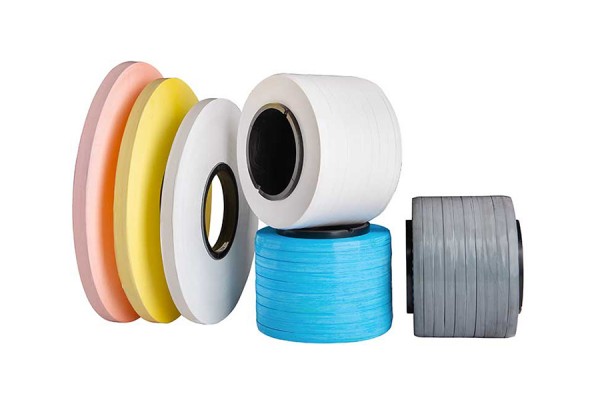
Recent advancements in PTFE film technology have paved the way for high-performance materials important for high-speed transmission lines. The development of high speed and high-frequency cable wrapping film, such as DAC, AEC, AOC, and ACC high-speed cable wrapping films, exemplifies this progress. These films offer superior dielectric properties and enhanced signal integrity, making them essential for AI server applications and emerging 6G systems. furthermore, innovations in PTFE wrapping film have improved thermal stability and resistance to environmental factors, significantly benefiting industries requiring robust materials. Manufacturers are increasingly adopting low-density thin film variations like PTFE cable wrapping tape and PTFE Thread Seal Tape for their unique fibrous structures that contribute to reliability under varying operational conditions. As production localizes, the efficiency of PTFE cable roll coating processes has also been optimized, reducing costs while maintaining quality standards.
"Utilizing advanced manufacturing techniques allows for consistent quality in PTFE products used across diverse applications."
High-Frequency PTFE Solutions
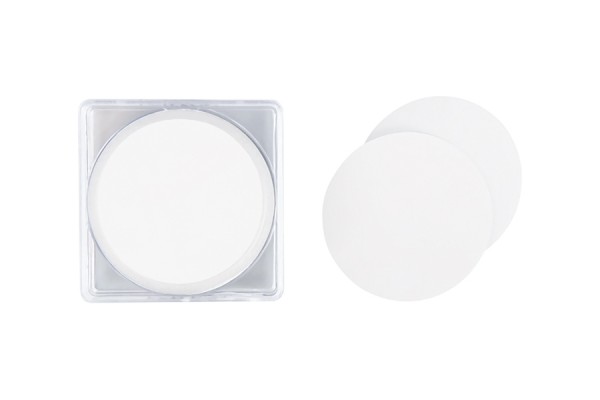
High-frequency applications demand materials that possess specific electrical characteristics. PTFE films have emerged as a solution that meets these requirements due to their low dielectric loss and high thermal stability. These properties make PTFE suitable for use in advanced communication devices, especially those designed for AI servers and 6G systems. The films maintain performance under varying temperature and signal frequency conditions, ensuring reliable signal integrity. Furthermore, the compatibility of modified PTFE with the latest electronic architectures is significant. By utilizing advanced formulations, manufacturers can optimize material properties for improved performance in high-speed circuitry. This not only aids in enhancing communication speeds but also supports the ongoing transition towards localized production processes, reducing dependency on international suppliers. As industries increasingly prioritize local sourcing, the ability of PTFE films to deliver reliable, cost-effective solutions will further drive their adoption in cutting-edge technology sectors.
Cutting-edge PTFE Technology
Recent developments in PTFE technology focus on improving the dielectric properties of materials, important for high-frequency applications. Innovations such as modified formulations and unique manufacturing processes contribute to a lower dielectric loss tangent, essential for efficient signal transmission in systems like AI servers and 6G networks. These advancements allow PTFE films to maintain performance under varying thermal conditions, proving essential for high-end applications in aerospace and telecommunications.
The integration of fibrous structures within PTFE films enhances their mechanical strength and thermal stability, enabling them to withstand extreme temperatures. With operating ranges from -150°C to 260°C, these films demonstrate unmatched reliability in rigorous environments. The localized production of PTFE materials further supports the growing demand within domestic supply chains while simultaneously reducing dependency on international sources. This shift not only lowers costs but also encourages innovation driven by local manufacturers who are increasingly focused on advancing fluoropolymer technology.
| Property | Standard PTFE Film | Modified PTFE Film |
|---|---|---|
| Dielectric Loss Tangent | Higher | Lower |
| Operating Temperature | -200°C to 260°C | -150°C to 260°C |
| Mechanical Strength | Moderate | Enhanced |
| Thermal Stability | Standard | Improved |
These characteristics position cutting-edge PTFE products as leaders in performance and cost-effectiveness, expanding their potential applications across multiple sectors within the evolving tech scene.
Localizing PTFE Production
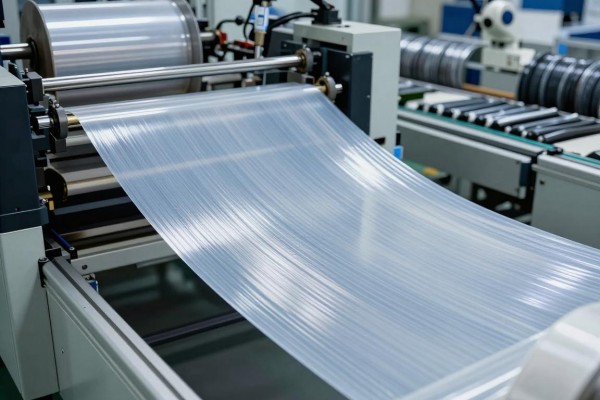
The shift towards localizing PTFE production has gained momentum, driven by the growing demand for high-performance materials in advanced technologies. By increasing domestic production capabilities, manufacturers can reduce reliance on foreign suppliers and address supply chain vulnerabilities. China’s significant investments in fluoropolymer technology have positioned it as a main player in the PTFE market, facilitating greater responsiveness to local needs and innovation. This localized approach supports industries like AI servers and 6G systems, where timely access to quality materials is critical. Companies can achieve faster turnaround times and more effective collaboration by sourcing PTFE components locally. Moreover, localization aligns with broader industry trends aimed at enhancing sustainability and minimizing carbon footprints associated with long-distance logistics. With local manufacturing, businesses also have opportunities to create tailored solutions that meet specific performance requirements, thus driving advancements in high-frequency applications where precision is vital.
Cost-Efficient PTFE Benefits
The advancements in PTFE film technology lead to significant cost savings in various applications. By utilizing locally produced materials, manufacturers reduce reliance on imported fluoropolymers, mitigating the logistical costs associated with international supply chains. These local production capabilities can help lower the overall pricing of PTFE films, making them more accessible for high-frequency applications in sectors like AI and telecommunications. Moreover, the improved manufacturing processes result in higher yields and less waste during production, further driving down costs.
also, the durability and performance characteristics of modified PTFE films contribute to long-term savings. Their high-temperature resistance and excellent dielectric properties improve reliability in demanding environments, reducing maintenance and replacement costs over time. As industries increasingly value cost-effective solutions without sacrificing quality, PTFE films present an attractive option for businesses aiming to optimize their operational expenses while transitioning toward more localized supply chains. This combination of affordability and performance positions PTFE as a important material for future technological innovations.
PTFE in AI Server Design
The use of PTFE film in AI server design significantly improves performance and reliability. Its low dielectric constant and loss tangent values facilitate high-frequency signal transmission, essential for handling the massive data volumes AI applications generate. The modified PTFE’s enhanced thermal stability ensures consistent performance even under demanding conditions, resulting in better system efficiency.
Furthermore, these films support miniaturization within server architecture, allowing for more compact designs without compromising functionality. With evolving standards guiding AI server capabilities, PTFE’s adaptability to higher frequency ranges positions it as a important material for next-generation systems. As the industry shifts toward more integrated solutions, local production of PTFE offers manufacturers the chance to streamline supply chains, reducing reliance on imported materials. This transition supports local economies while ensuring that design specifications meet the rigorous demands of AI technologies.
Transforming 6G with PTFE
PTFE film technology is playing a significant role in the evolution of 6G systems, particularly by addressing the increasingly stringent requirements of high-frequency signal transmission. The exceptional dielectric properties of PTFE minimize signal loss, enabling faster data transfer important for 6G applications. As demands for bandwidth and speed escalate, this material supports the development of advanced communication infrastructures. With its lightweight and durable nature, PTFE is suitable for both the interior components of communication systems and exterior applications exposed to extreme conditions. Furthermore, as manufacturers seek to localize supply chains, the production of PTFE in regions like China is set to boost accessibility and reduce costs. The adaptability of PTFE materials allows for innovations in antenna designs and circuit boards within 6G technology, ensuring that they can keep pace with international standards while promoting competitive technological advancements in local markets.
Performance gains in PTFE Use
The application of PTFE film in high-frequency systems leads to notable performance improvements. Its low dielectric loss tangent facilitates efficient signal transmission, which is critical for technologies demanding high-speed communications, such as AI servers and 6G networks. This material’s excellent thermal stability ensures reliable operation across varying temperatures, maintaining performance even under harsh conditions. Furthermore, PTFE’s inherent chemical resistance reduces degradation over time, extending the lifespan of applications in demanding environments. In addition, the unique manufacturing processes applied to modified PTFE films have yielded products that not only match but often surpass international standards in performance metrics. As these advancements continue, the compatibility of PTFE with emerging architectures and systems offers substantial potential for optimizing circuit designs, thus catering to the increasing demands for speed and efficiency in modern telecommunications and computing infrastructures.
Conclusion
the ongoing advancements in PTFE film technology represent a significant step forward for high-frequency applications. With improved dielectric properties and thermal stability, these films are well-suited for next-generation technologies like AI servers and 6G systems. As local production capabilities expand, manufacturers benefit from enhanced supply chain efficiency, lowering costs while maintaining high quality standards. The benefits of PTFE films extend beyond individual applications; they contribute to the overall advancement of telecommunications infrastructure as industries adapt to rapidly changing demands. The integration of these materials into modern designs not only improves performance but also supports sustainable practices by reducing transportation impacts. As the industry focuses on responsiveness to local needs, the potential for innovation within PTFE technology continues to grow, driving forward both performance and reliability in high-frequency environments.
FAQs
What are the main properties of PTFE film that make it suitable for high-frequency applications?
PTFE film is known for its low dielectric loss, high thermal stability, and excellent chemical resistance, making it ideal for high-frequency applications like AI servers and 6G systems.
How does localizing PTFE production benefit manufacturers?
Localizing PTFE production reduces reliance on foreign suppliers, decreases shipping costs, and allows manufacturers to respond quickly to market demands.
What advancements have been made in PTFE film technology recently?
Recent advancements include improved dielectric properties through modified formulations and manufacturing processes that improve performance in high-frequency environments.
What role does PTFE play in AI server design?
PTFE enhances AI server design by enabling efficient signal transmission, ensuring reliability under varying conditions, and supporting miniaturization efforts in server architectures.
How does PTFE film technology impact the development of 6G systems?
PTFE film technology minimizes signal loss and supports faster data transfer, making it critical for meeting the stringent requirements of future 6G applications.
What benefits do modified PTFE films offer over standard options?
Modified PTFE films provide lower dielectric loss tangent values, improved mechanical strength, and enhanced thermal stability compared to standard films.
Are there any cost advantages to using locally produced PTFE films?
Yes, locally produced PTFE films can lower overall costs by reducing import expenses and improving manufacturing efficiencies within domestic supply chains.
How can the performance gains from using PTFE affect operational efficiency?
Performance gains from using PTFE contribute to improved reliability in demanding environments, which can lead to reduced maintenance needs and optimized operational efficiency.
What challenges do manufacturers face with integrating PTFE films into existing technologies?
Challenges include adapting new material characteristics to fit established systems while ensuring compatibility with evolving electronic architectures.