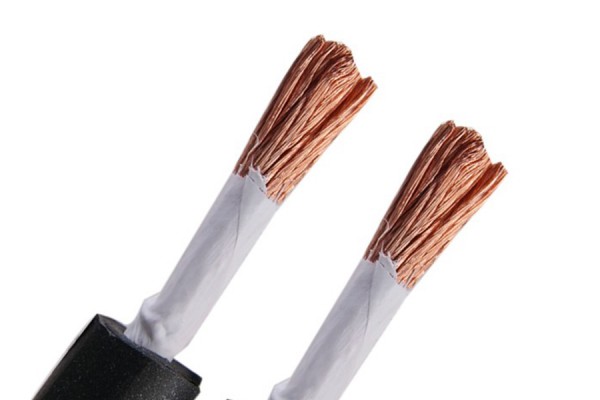
important Takeaways
Optimizing ePTFE membranes significantly contributes to enhancing performance across various technological applications. Their unique combination of chemical resistance, durability, and gas permeability allows for improved efficiency in systems like fuel cells and AI servers. The benefits of ePTFE membranes extend to reduced energy loss through effective gas management, making them a favored choice for high-performance materials in demanding environments. Their ability to maintain structural integrity under extreme conditions ensures longevity and reliability, translating into lower maintenance costs. furthermore, the versatility of ePTFE membranes supports diverse applications, from medical devices to automotive seals, highlighting their importance in advancing modern technology solutions. Understanding these important aspects will guide industries in leveraging ePTFE membranes to meet growing demands for efficiency and sustainability.
Enhancing ePTFE Membrane Performance
ePTFE membranes excel in various high-tech applications due to their unique properties. These membranes possess exceptional chemical resistance and allow for efficient gas and moisture management, making them ideal for industries requiring high-speed transmission lines, such as telecommunications and aerospace. The reliability of ePTFE materials is evident in high-frequency systems, where precision and stability are paramount.
Moreover, the application of PTFE wrapping film in cable insulation provides additional durability against environmental stresses. When employed as high speed transmission line PTFE wrapping tape, these membranes ensure minimal signal loss and enhanced transmission efficiency. Notably, utilizing DAC high-speed cable wrapping film or AEC high-speed cable wrapping film reveals significant improvements in performance metrics across various operational contexts.
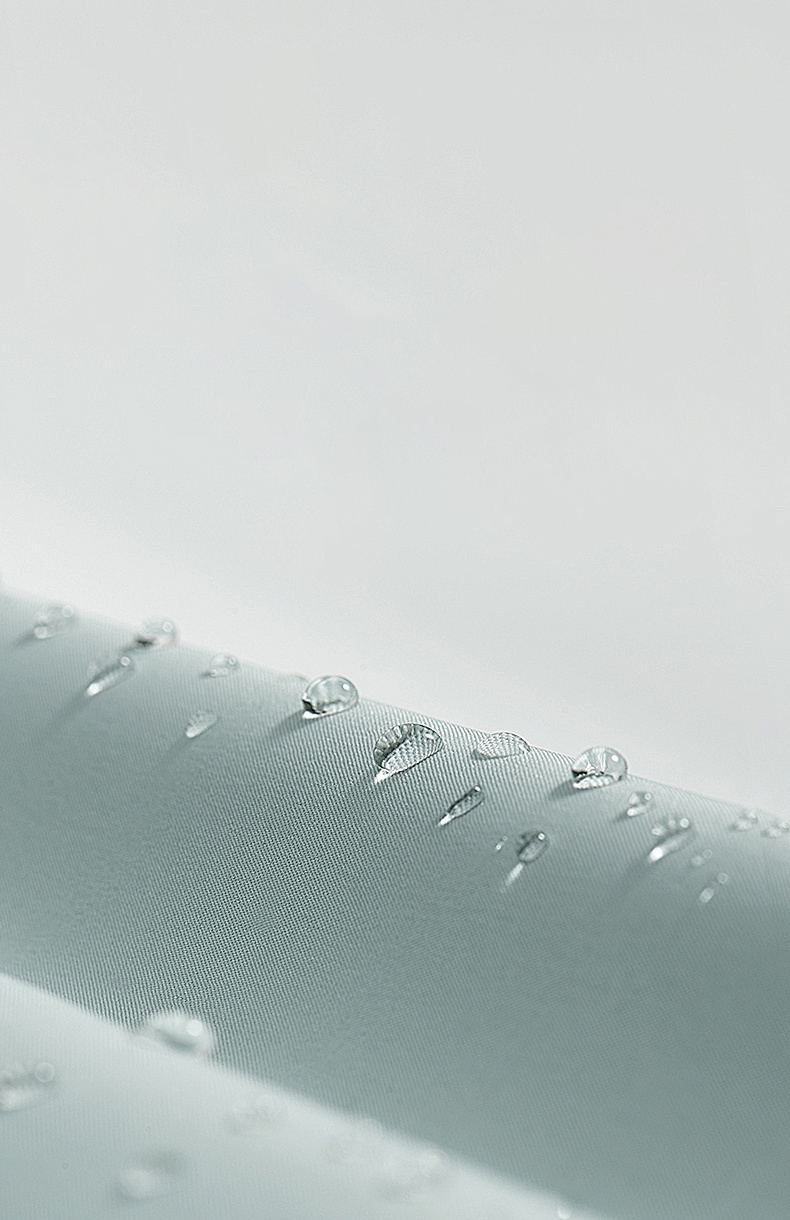
Tables below summarize the main benefits and performance specifications of ePTFE membranes used in advanced applications:
| Property | Specification |
|---|---|
| Thickness | 0.02 mm |
| Permeability | ≥1200 cm/cm/min @ 7kPa |
| Water Column Pressure | ≥3000 mmH2O |
| Porosity | 70% |
These features contribute to faster reaction times main for energy systems, such as fuel cells. The integration of ePTFE components enhances not just durability but also energy efficiency in complex environments, supporting the growing demand for high-performance materials across modern technology sectors like AI servers and advanced sensing systems.
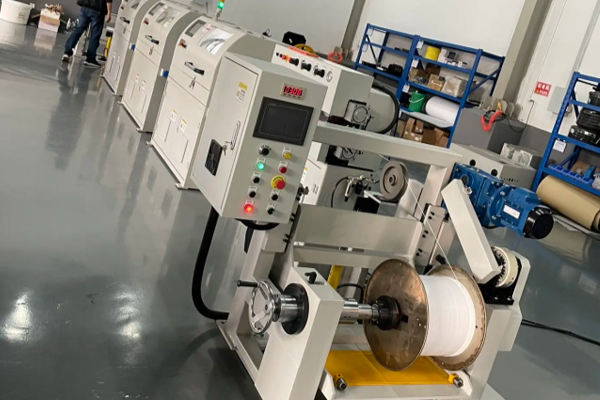
Advanced applications of ePTFE
ePTFE membranes find diverse applications across various advanced technological fields. In the realm of AI servers, these membranes play a vital role by contributing to improved thermal management and signal integrity. Their low dielectric loss facilitates high-speed data transmission essential for AI processing capabilities. In fuel cell technology, ePTFE membranes ensure effective proton conduction while preventing the crossover of gases, which enhances overall efficiency and longevity. This makes them indispensable in the development of cleaner energy solutions. Furthermore, their use in electrochemical sensors demonstrates their versatility, as these membranes aid in protecting sensitive components from environmental contaminants while maintaining responsive performance. The ability to withstand harsh conditions and mechanical stress expands their reach into commercial aerospace, where reliability is critical. Across these applications, ePTFE’s unique properties deliver important benefits that meet the rigorous demands of modern technology.
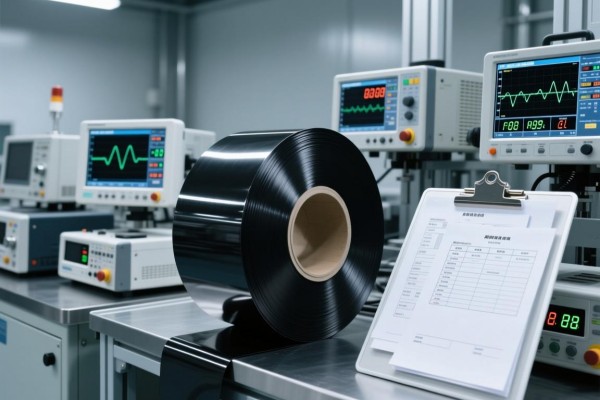
Efficiency boost from ePTFE Membranes
ePTFE membranes contribute significantly to overall efficiency in various technological applications. Their unique micro-porous structure allows for superior gas permeability, which is essential in processes that depend on rapid gas exchange, such as fuel cells. By maintaining a high proton permeability while blocking unwanted gas diffusion, ePTFE membranes create an optimal environment for electrochemical reactions, leading to higher current densities. This improved reaction rate directly correlates with enhanced energy conversion efficiency.
"Utilizing ePTFE membranes can result in better fuel cell performance and lower operational costs."
Moreover, their resistance to degradation under harsh conditions ensures that they maintain performance over extended periods. This resilience minimizes the need for frequent replacements, further improving efficiency by reducing maintenance times and associated downtime. In AI server applications, the ability to manage thermal and electrical insulation effectively minimizes energy wastage, allowing equipment to operate at peak performance levels while managing heat effectively. The integration of ePTFE membranes leads not only to immediate efficiency improvements but also supports long term sustainability goals by lowering overall operational energy demands.
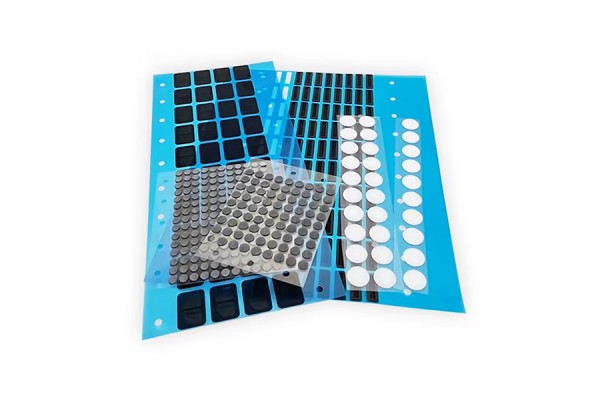
Durability advantages of ePTFE
ePTFE membranes demonstrate exceptional durability in various demanding environments. Their resistance to mechanical stress and environmental factors, such as humidity and temperature fluctuations, contributes significantly to their longevity. Unlike traditional materials, ePTFE retains its structural integrity under varying operational conditions, making it a reliable choice for both AI server applications and fuel cells. These membranes effectively resist wear and tear, minimizing the need for frequent replacements. furthermore, their chemical stability allows them to withstand corrosive environments without degrading, which is vital in sectors like aerospace and advanced manufacturing. This resilience translates into lower maintenance costs and enhanced operational efficiency for devices utilizing ePTFE membranes. Overall, the durability of ePTFE contributes to more consistent performance and reliability in technology where performance failure could lead to costly setbacks or safety issues.
ePTFE in AI Server Technology
The use of ePTFE membranes in AI server technology supports the demands for high-speed data transmission and minimal signal loss. These membranes provide a stable and reliable barrier against environmental factors, ensuring the longevity and effectiveness of server components. The unique dielectric properties of ePTFE contribute to reduced crosstalk and enhanced signal clarity, essential for maintaining high performance in data processing tasks. With evolving requirements for increased bandwidth and faster processing speeds, integrating ePTFE membranes into AI server designs helps manufacturers meet these standards efficiently. Furthermore, the lightweight nature of ePTFE films aids in minimizing the overall weight of server systems, contributing to improved thermal management. This characteristic is particularly important as server applications evolve toward more compact designs without compromising performance capabilities. As AI technology continues to revolutionize industries, optimizing the use of ePTFE within these systems addresses both current needs and future innovations.
new Uses for ePTFE Films
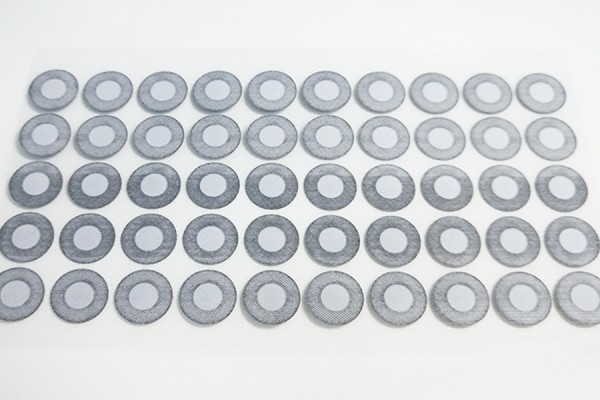
ePTFE films are finding diverse applications across various industries due to their remarkable properties. In the medical sector, these films serve as barriers in wound dressings, providing moisture control while promoting healing. Their biocompatibility and chemical resistance make them ideal for implants and drug delivery systems. In the HVAC industry, ePTFE membranes are utilized in air filtration systems, effectively capturing particles while allowing airflow, thus enhancing indoor air quality.
The automotive sector benefits from ePTFE’s ability to withstand harsh environments; it’s used in gaskets and seals that require thermal stability and longevity. In electronics, ePTFE films improve insulation and thermal management in components, important for devices that operate at high frequencies. furthermore, these films are instrumental in environmental applications such as filtration systems aimed at reducing pollutants in water and air. The versatility of ePTFE membranes makes them indispensable in modern technology solutions across multiple fields.
Reducing energy loss with ePTFE
ePTFE membranes effectively minimize energy loss in various applications, particularly in fuel cells and high-performance batteries. By maintaining high proton permeability while blocking unwanted gases, these membranes help ensure that the energy conversion process remains efficient. A well-designed ePTFE layer results in smoother ion flow, reducing resistance and leading to higher current densities. This efficiency translates directly into lower operational costs and improved overall performance. Furthermore, the porous structure of ePTFE allows for optimal management of reactants and by-products, enhancing the electrochemical reactions that occur within fuel cells. Upgrading to ePTFE can also improve the longevity of energy systems by reducing mechanical stress associated with gas crossover and moisture variations, issues that often lead to performance degradation over time. These membranes present a vital solution for industries prioritizing energy efficiency, especially under demanding operational conditions.
Maximizing ePTFE Benefits in Fuel Cells
ePTFE membranes play a vital role in enhancing the performance of fuel cells. These membranes are designed to withstand mechanical stress from humidity fluctuations during operation, which is important for maintaining stability and efficiency. Their high proton permeability allows for effective ion transfer while simultaneously blocking other gases, reducing the chances of contamination within the system. This selective permeability leads to faster reactions, which boosts current density and overall power output.
Moreover, ePTFE’s durability contributes to longevity in fuel cell applications. The material’s resistance to wear and tear ensures that the fuel cells maintain operational effectiveness over extended periods, minimizing maintenance needs and downtime. As a result, users experience improved battery conversion rates, which translates into less energy loss during operation. With these features, ePTFE membranes significantly boost the efficiency and lifespan of hydrogen fuel cells, making them an attractive option for high-performance energy solutions in various industries.
Conclusion
optimizing ePTFE membranes proves essential for advancing technology efficiency and sustainability. The unique properties of these materials allow them to meet the rigorous demands across diverse applications, from AI servers to fuel cells. Their durability and chemical resistance not only improve performance but also reduce the frequency of replacements and maintenance needs. As industries seek solutions to improve energy management, ePTFE membranes emerge as vital components that support innovation while addressing environmental concerns. Overall, the integration of ePTFE into modern technologies signifies a commitment to maximizing performance while minimizing resource consumption, main in today’s fast-evolving technological scene.
FAQs
What is an ePTFE membrane?
ePTFE membranes are thin, porous films made from expanded polytetrafluoroethylene, known for their excellent chemical resistance and gas permeability.
What are the primary applications of ePTFE membranes?
They are used in diverse fields such as medical devices, fuel cells, HVAC systems, and AI server technology.
How do ePTFE membranes improve fuel cell efficiency?
These membranes boost proton conduction while blocking unwanted gases, leading to increased current density and energy conversion efficiency.
Are ePTFE membranes durable?
Yes, they exhibit high durability against environmental factors and mechanical stress, ensuring long-term performance in demanding applications.
How do ePTFE films contribute to energy savings?
By minimizing energy loss through effective gas management and reducing operational stress in systems like fuel cells, they boost overall energy efficiency.
What benefits do ePTFE membranes offer for AI servers?
They provide improved thermal management and signal integrity, critical for maintaining high performance in data processing tasks.
Can ePTFE be used in harsh environments?
Yes, their chemical stability and resistance to wear make them suitable for challenging conditions found in aerospace and advanced manufacturing.
What makes ePTFE suitable for medical applications?
Their biocompatibility and moisture control properties allow them to be used safely in wound dressings and implants.