important Takeaways
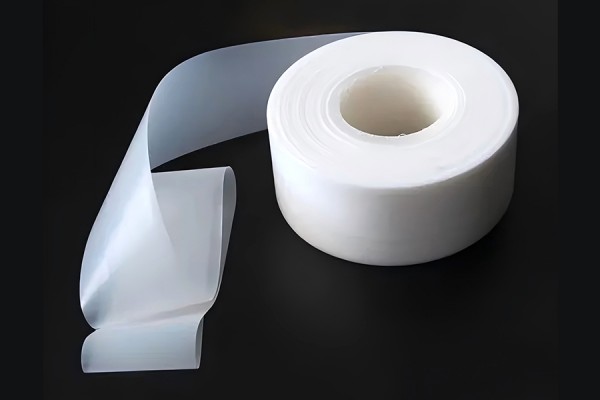
ePTFE membranes play an essential role in modern industrial applications due to their unique combination of chemical stability, mechanical strength, and compliance with industry standards. Their effectiveness in hydrogen fuel cells and electrolyzers not only enhances energy efficiency but also promotes longevity, reducing the need for frequent maintenance. Mechanical properties such as high elongation capacity enable these membranes to endure demanding operational conditions, incorporating durability into their design. furthermore, ePTFE membranes facilitate effective gas separation while maintaining ion conductivity, which is important for optimal performance in energy systems. With ongoing advancements in technology allowing for improved material properties and production methods, ePTFE membranes are well-positioned to meet the evolving challenges within the energy situation. Their broad applicability highlights the significance of continuous innovation in developing materials that support sustainable energy solutions across various sectors. The widespread use of ePTFE showcases its compatibility with industry standards, ensuring reliability and consistency in performance across different applications.
new Applications of ePTFE Membranes
ePTFE membranes have found diverse applications across various industries, largely due to their unique properties. In the realm of electronics, ePTFE membranes are increasingly utilized for their excellent permeability and durability. They are effective in high-speed transmission lines, offering reliable insulation when used as PTFE wrapping film or PTFE cable wrapping tape. These membranes also serve as an essential component in cable roll coating and are beneficial in enhancing the performance of high-speed and high-frequency cables, including products like DAC high-speed cable wrapping film and AEC high-speed cable wrapping film. Furthermore, these membranes excel in the automotive sector, where their mechanical strength allows for effective sealing and insulation under high-pressure conditions. With compliance to stringent industry standards, ePTFE membranes continue to play a important role in promoting efficiency across various applications, ensuring reliability in environments that demand both performance and resilience.
The role of ePTFE in Fuel Cells
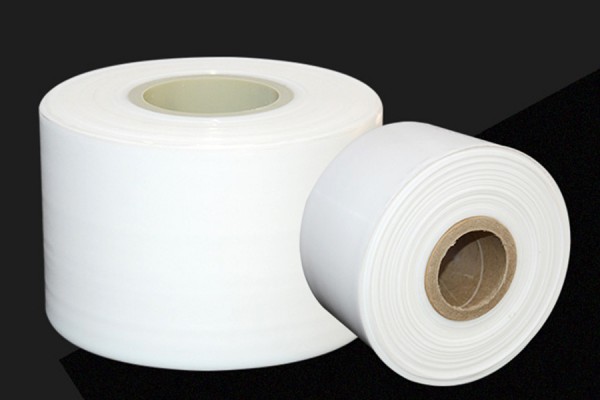
ePTFE membranes play a significant role in the functionality and efficiency of PEM fuel cells. These membranes serve as critical barriers that separate the anode and cathode compartments, allowing for the safe management of gases like hydrogen and air. Their design effectively accommodates high current densities, which is essential for maximizing fuel cell performance. The mechanical strength of ePTFE membranes allows them to withstand the stresses encountered under operational conditions, ensuring reliability and durability. Furthermore, ePTFE’s exceptional elongation properties, exceeding 100% in both machine and transverse directions, contribute to its ability to maintain integrity under varying pressures. This adaptability is important as fuel cells operate under dynamic conditions where changes in temperature and pressure can occur. By ensuring optimal ion conductance while preventing gas crossover, ePTFE membranes boost overall energy conversion efficiency, making them indispensable in the burgeoning fuel cell market.
High performance of ePTFE Membranes
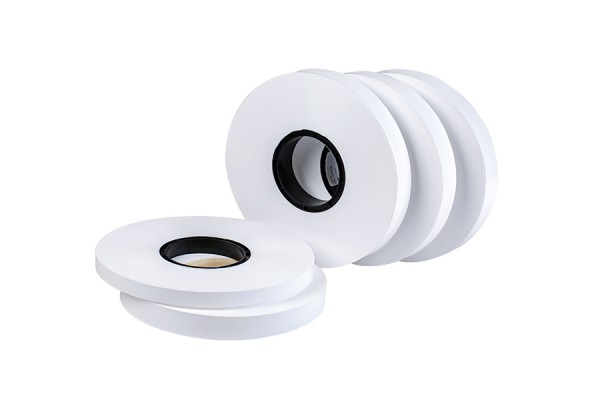
ePTFE membranes exhibit exceptional performance characteristics important for their application in PEM fuel cells and electrolyzers. These membranes efficiently separate the anode and cathode compartments, maintaining high ionic conductivity while minimizing gas crossover. With thicknesses tailored to specific applications, such as 6 microns for PEM fuel cells and 80 microns for electrolyzers, the membranes can operate effectively under high current densities without compromising mechanical stability. Their elongation to break surpasses 100% in both machine direction and transverse direction, showcasing resilience that meets stringent GB/T20043 standards. furthermore, the design of ePTFE membranes enables them to withstand varying operational environments, ensuring reliability across diverse industrial applications. As demands for energy efficiency increase, the role of ePTFE membranes in enhancing system performance becomes increasingly critical, making them a preferred choice in advanced electrochemical technologies.
Mechanical strengths of ePTFE in Industries
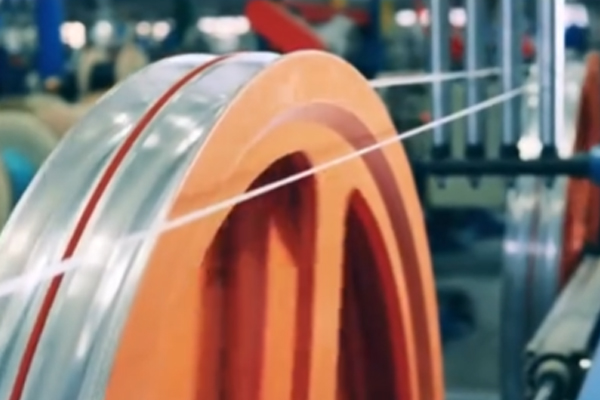
ePTFE membranes are distinguished by their remarkable mechanical strength, making them ideal for a variety of industrial applications. The elongation to break of these membranes exceeds 100% in both machine direction (MD) and transverse direction (TD), enabling them to withstand significant stresses without failure. This superior flexibility contributes to their durability and reliability, particularly in challenging environments such as those encountered in fuel cells and electrolyzers. The membranes’ resistance to chemical degradation further enhances their performance, allowing them to function effectively even when exposed to aggressive substances. As industries increasingly demand high-performance materials, ePTFE’s mechanical properties offer a promising solution for manufacturers looking to optimize efficiency and longevity in their systems.
Standards and Compliance of ePTFE Membranes
ePTFE membranes must adhere to various industry standards to ensure efficiency and performance in their applications. A main standard is GB/T20043, which outlines the requirements for membrane elongation and tensile strength, ensuring they can endure the stresses of high current densities encountered in both fuel cells and electrolyzers. Compliance with such standards is vital for manufacturers aiming to deliver reliable products that perform consistently under demanding conditions. Furthermore, these membranes are often evaluated for chemical resistance, thermal stability, and mechanical robustness to ensure they meet the rigorous needs of commercial applications. As the industry advances, ongoing compliance with evolving standards will be essential for ePTFE membranes to maintain their competitive edge and foster innovation in fuel cell technology.
Advancements in ePTFE Membrane Technology
Recent innovations in ePTFE membrane technology have significantly enhanced their performance in various industrial applications, particularly in PEM systems. These advancements focus on optimizing membrane thickness and porosity to improve ion conductivity and gas separation efficiency. The development of new composite materials, which integrate ePTFE with other polymers, has resulted in membranes that exhibit superior mechanical strength while maintaining flexibility. Furthermore, changes in fabrication processes have decreased production costs while ensuring consistent quality across different batches. Research is also underway to boost thermal stability and chemical resistance, expanding the operational range of these membranes in extreme conditions. As a result, ePTFE membranes are becoming increasingly critical in advancing energy technologies, including hydrogen production and fuel cell efficiency, making them an integral component in the shift towards sustainable energy solutions.
Benefits of Using ePTFE in PEM Systems
ePTFE membranes offer significant advantages in Proton Exchange Membrane (PEM) systems, ensuring both efficiency and durability. Their high mechanical strength allows them to withstand the demanding conditions found in fuel cells and electrolyzers, including elevated temperatures and pressures. This resilience contributes to the longevity of the systems, reducing maintenance needs and operational downtime. ePTFE membranes also exhibit excellent chemical stability, which is important for maintaining performance over time when exposed to reactive substances like hydrogen, oxygen, and humidity. The low permeability of these membranes ensures effective separation of gases, enhancing the overall efficiency of energy conversion processes. Furthermore, ePTFE membranes are lightweight compared to other materials, benefiting system design by minimizing weight without sacrificing performance. This combination of features makes ePTFE a important component for optimizing PEM technology in a variety of industrial applications, driving advancements in clean energy solutions.
Conclusion
ePTFE membranes have emerged as indispensable components in various industrial applications due to their unique properties and capabilities. Their effectiveness in enhancing the performance of PEM fuel cells and electrolyzers underscores their critical role in advancing energy technologies. The mechanical strength and chemical stability of ePTFE membranes allow them to endure challenging environments, ensuring reliability and efficiency. Compliance with rigorous industry standards not only validates their performance but also reinforces manufacturers’ commitment to delivering high quality products. furthermore, ongoing advancements in ePTFE membrane technology promise to further improve their functionality, paving the way for new applications across multiple sectors. As industries strive for greater efficiency and sustainability, the ability of ePTFE membranes to meet evolving challenges positions them as a main player in the future of clean energy solutions.
FAQs
What are ePTFE membranes used for?
ePTFE membranes are utilized in various applications, particularly in fuel cells and electrolyzers, due to their excellent chemical stability and mechanical strength.
How do ePTFE membranes improve fuel cell performance?
They boost performance by allowing high ionic conductivity while preventing gas crossover, effectively managing the anode and cathode compartments.
What makes ePTFE membranes mechanically robust?
Their elongation to break exceeds 100% in both machine and transverse directions, allowing them to withstand significant stress without failure.
Are ePTFE membranes compliant with industry standards?
Yes, they adhere to standards such as GB/T20043, which ensures their durability and efficiency in demanding environments.
What advancements have been made in ePTFE membrane technology?
Recent advancements focus on optimizing thickness and porosity for improved performance while integrating new composite materials for enhanced mechanical strength.
How do ePTFE membranes contribute to sustainability?
Their effective separation of gases and long-lasting durability reduces maintenance needs, contributing to overall energy efficiency that supports clean energy initiatives.
Can ePTFE membranes withstand extreme conditions?
Yes, they exhibit excellent thermal stability and chemical resistance, making them suitable for use in extreme temperatures and harsh environments.