

important Takeaways
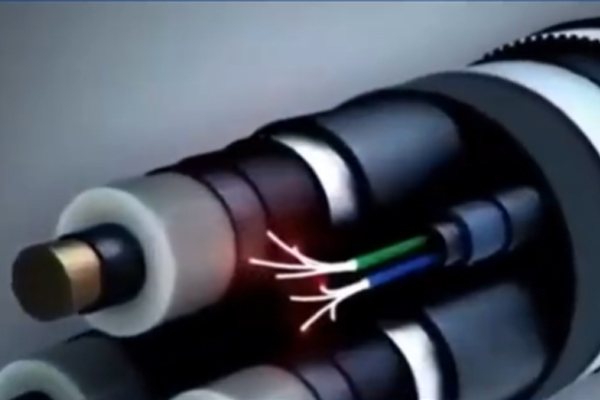
PTFE wrap marks a key advance in high-performance insulation, noted for its durability, flexibility, and thermal stability. Its ability to withstand temperatures from -150 to 260 degrees Celsius makes it invaluable for aerospace and medical applications, where reliability matters. PTFE’s chemical inertness ensures strong performance even in harsh environments, providing lasting protection against caustic substances. Also, PTFE’s inherent flexibility lets it wrap smoothly around complex shapes and configurations, enabling efficient installations in tight spaces. This adaptability adds real value across diverse industries by reducing the risk of damage during installation or operation. Low dielectric loss improves its ability to preserve signal integrity at high frequencies, making it a key element for telecom systems that require precision and clear data transmission. Its advantages over conventional insulation materials underscore its important role in modern technology applications that demand durable and dependable performance under tough conditions.
Benefits of PTFE Cable Wrapping
PTFE wrapping provides significant benefits across a wide range of uses. A key benefit is its outstanding resistance to extreme temperatures, from -150 to 260 degrees Celsius. This thermal stability ensures reliability in high-speed transmission lines and other critical uses. PTFE’s chemical inertness also contributes to its durability, making it effective against corrosive environments, which is vital for sectors like aerospace and medicine. Moreover, the flexibility of PTFE wrapping film strengthens installation processes, adapting easily to various cable configurations without compromising performance. Its low dielectric loss translates to better signal integrity in high-frequency scenarios, further validating the utility of PTFE wrapping for telecommunications. Additionally, designs such as DAC high-speed wrapping film and AEC high-speed wrapping film leverage these properties to optimize data transmission across advanced systems. Overall, these useful traits position PTFE as a favored option for demanding applications that require reliable insulation and protection.
Applications of PTFE in Aerospace
PTFE wrap is vital in the aerospace sector, boosting reliability and performance across a range of components. Aerospace uses involve extreme conditions, including high temperatures and pressures, where traditional materials may falter. PTFE’s outstanding thermal stability lets it preserve integrity across a broad temperature range, making it suitable for insulation around essential wiring and electronic connections in aircraft and spacecraft. Moreover, PTFE’s chemical resistance is crucial in aerospace environments where exposure to fuels, lubricants, and other harsh substances is common. Its low friction properties minimize wear in moving parts, prolonging the life of essential equipment. The use of PTFE also reduces electromagnetic interference, ensuring sensitive instruments keep functioning accurately amid the noisy electronic environment typical in aviation.
"PTFE’s properties offer aerospace engineers significant advantages in achieving reliable systems under challenging conditions."
Overall, incorporating PTFE tape wrapping improves safety and functionality in aerospace applications while supporting compliance with stringent performance and safety standards.
Enhancing medical cable performance
PTFE wrap significantly enhances the performance of medical cables by delivering essential insulation properties that increase durability and reliability. In medical settings, where cleanliness and safety are crucial, PTFE’s non-toxic properties ensure these cables can be used across applications without compromising patient safety. Its resistance to chemicals and moisture makes it suitable for sterilization processes, preserving integrity during use. Also, PTFE wrap’s flexibility enables easy installation in intricate medical devices, allowing manufacturers to meet the increasingly compact designs of modern healthcare equipment. Moreover, with the essential function of preserving signal integrity in high-frequency applications, PTFE’s low dielectric loss is vital in devices like imaging systems and surgical tools, where precise communication matters. This capability not only boosts the overall performance of medical technologies but also ensures robust operation under high-stress conditions commonly found in clinical settings.
PTFE Tapes for Telecommunications
PTFE tape plays a key role in the telecommunications sector thanks to its excellent electrical properties and resilience in tough environments. High-frequency communication systems, including 5G networks, rely on PTFE’s low dielectric loss and high-temperature resistance to ensure optimal performance and minimal signal degradation. This material accommodates rapid technological advances, where speed and data integrity matter. Additionally, ePTFE variants provide extra benefits with their unique microporous structure, improving waterproofing and thermal stability for cable insulation. The flexibility of PTFE wraps enables easy installation in different configurations without compromising the cable’s performance. As telecom infrastructure evolves to support higher data transmission rates and reliability demands, PTFE wrap stands out as a dependable solution for maintaining high standards in signal integrity and durability across communications lines.
Durability of PTFE Insulation Materials
PTFE insulation materials are noted for their exceptional durability, making them suitable for many demanding environments. Their chemical resistance allows them to withstand exposure to corrosive substances without losing performance. This trait is especially useful in aerospace and medical settings, where dependable performance is critical. PTFE can endure temperatures ranging from -150 to 260 degrees Celsius, ensuring functionality in extreme conditions. Moreover, the material shows excellent resistance to wear and tear, prolonging the lifespan of cables wrapped in PTFE. This longevity lowers maintenance costs and strengthens safety standards across applications. PTFE’s inherent flame resistance also adds an extra layer of protection, making it a preferred choice for critical wiring in automotive and industrial settings. Overall, the durability of PTFE insulation contributes greatly to its reputation as a go-to material for high-performance cable wrap.
Flexibility features of PTFE Wrap
PTFE wrap is renowned for its remarkable flexibility, making it suitable for a wide range of applications. This flexibility lets the wrap conform easily around complex shapes and contours, which is vital in environments where space is limited. The ability to stretch and adapt without compromising the integrity of the insulation boosts installation efficiency, especially in intricate setups like aerospace harnesses or medical devices. Moreover, PTFE wraps retain their flexibility across a broad temperature range, ensuring reliable performance in both extreme heat and cold. This trait is crucial in applications that undergo thermal cycling, as the material resists cracking or breaking under stress. Also, the flexible nature of PTFE enables easier handling and application during manufacturing processes, thereby improving overall production efficiency and product reliability. The combination of flexibility with PTFE’s inherent properties creates a superior insulation material that meets demanding industry standards while offering versatility across various sectors.
Signal integrity in High-Frequency Use
Proper insulation is essential for preserving signal integrity, especially in high-frequency applications where performance is non-negotiable. PTFE wrap excels in this area due to its low dielectric constant, which significantly minimizes signal loss during transmission. The material’s stable performance across a broad frequency range ensures that signals remain clear and uninterrupted, making it essential for modern communication technologies such as 5G and 6G networks. Also, PTFE’s unique microstructure enhances the durability of the insulation, providing robust protection against environmental factors that could degrade signal quality. The combination of these properties creates a reliable medium for high-frequency data transmission, ensuring that electrical signals are conveyed with maximum accuracy. In applications such as aerospace radar systems and telecommunications, where precision matters, the role of PTFE as a high-performance insulating material cannot be overstated. Its effectiveness in preserving signal integrity contributes directly to system efficiency and overall performance.
Comparative study of Insulation Materials
When assessing insulation materials, PTFE wrap distinguishes itself due to its unmatched thermal and chemical resilience. Compared with traditional materials like PVC or rubber, PTFE shows a broader operating temperature range and superior resistance to corrosive substances. This trait is especially beneficial in environments where high heat and harsh chemicals are commonplace, such as in aerospace or industrial settings. While PVC is cheaper, it fails to maintain flexibility and reliability under extreme conditions. Rubber, while flexible, can degrade over time when exposed to UV radiation or chemicals. Moreover, PTFE’s low dielectric constant offers significant advantages in high-frequency contexts by reducing signal loss—something other insulators fail to accomplish satisfactorily. Through comparison, it’s clear that while price may tempt manufacturers toward cheaper options, the longevity and performance of PTFE wrap provide a compelling case for its use across demanding industries.
Conclusion
PTFE wrap stands out as a superior choice for high-performance insulation across various industries. Its exceptional durability, flexibility, and thermal stability make it essential in challenging environments such as aerospace, medical, and telecommunications. PTFE’s chemical resistance not only ensures longevity but also enhances safety in sensitive applications. As technology evolves, the need for dependable materials that guarantee signal integrity and robust performance remains paramount. PTFE’s low dielectric loss is particularly advantageous in high-frequency scenarios, where maintaining clear signals is essential for operational efficiency. Overall, the distinctive properties of PTFE wrap provide valuable benefits that meet the strict requirements of modern technology applications, confirming its role as a key component in advanced insulation solutions.
FAQs
What is PTFE wrap?
PTFE wrap is a high-performance insulating material crafted from polytetrafluoroethylene, delivering strong resistance to extreme temperatures, chemicals, and wear.
What are the key benefits of using PTFE for insulation?
The key benefits include outstanding durability, flexibility, low dielectric loss for improved signal integrity, and the ability to endure harsh environments.
In which sectors is PTFE wrap commonly used?
PTFE is widely used in aerospace, medical devices, and telecommunications due to its reliability in tough conditions and high-frequency applications.
How does PTFE compare with traditional insulation materials?
Compared with traditional materials like PVC or rubber, PTFE offers better thermal stability and chemical resistance while preserving flexibility under extreme conditions.
Can PTFE wrap withstand high temperatures?
Yes, PTFE wrap can withstand temperatures from -150 to 260 degrees Celsius without degrading its properties.
Is PTFE safe for medical use?
Yes, PTFE’s non-toxic properties make it ideal for medical uses where hygiene and patient safety matter.
How does flexibility affect the performance of PTFE wraps?
The flexibility of PTFE wraps lets them conform easily to complex shapes and enables easier installation without compromising insulation quality.
What role does signal integrity play in telecommunications applications using PTFE?
Signal integrity is crucial in telecommunications; PTFE’s low dielectric loss improves data transmission quality, reducing signal degradation over distances.
How does PTFE’s chemical resistance benefit its applications?
PTFE’s chemical resistance lets it function reliably in environments exposed to caustic substances without deterioration or performance loss.


