

main Takeaways
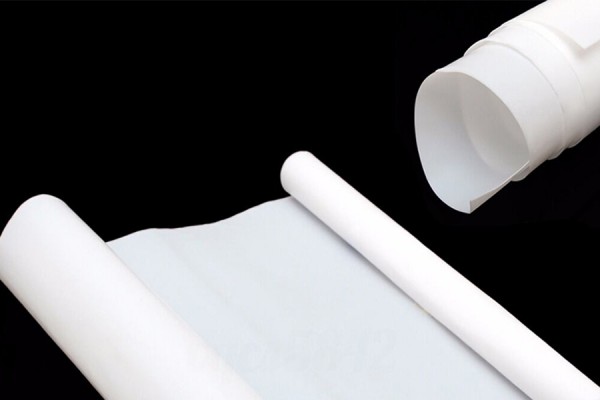
PTFE film stands out for its distinctive traits, including high-temperature tolerance, durability, and a slick, low-friction surface. These qualities make it suitable for demanding tasks and lend reliability across sectors such as automotive, aerospace, and manufacturing. Its heat tolerance enables use in engine components and thermal insulation, while its toughness helps it resist aggressive chemicals and harsh conditions. The smooth, low-friction surface cuts wear on moving parts, boosting operational efficiency and reducing upkeep costs. As industries keep innovating, the adaptability of PTFE film positions it as a key element for raising product quality and performance in multiple applications. Ongoing exploration of its capabilities may spur new breakthroughs that weave this material deeper into critical systems across various sectors. By leveraging these traits, manufacturers can push efficiency and reliability in their processes while meeting the rising demands of modern industry.
The benefits of Teflon Film in Industry
PTFE film proves highly advantageous across many sectors thanks to its exceptional properties. Its capacity to endure elevated temperatures makes it suitable for heat-resistant applications, such as in high-speed transmission line PTFE wrapping tape and PTFE wrapping film. Additionally, the durable nature of the material allows it to perform reliably in harsh conditions, delivering lasting performance where ordinary materials may fail. The low-friction surface of PTFE film minimizes wear on equipment, boosting efficiency in manufacturing and ensuring smooth operation of complex systems. In automotive applications, products like PTFE Thread Seal Tape and PTFE cable wrapping tape leverage these benefits to improve reliability and longevity. With innovations such as DAC high-speed cable wrapping film and AEC high-speed cable wrapping film, PTFE continues to show promise by meeting the evolving needs of industries—from aerospace to advanced manufacturing. It is this distinctive blend of durability, heat tolerance, and low-friction characteristics that make PTFE film a key component for modern industrial use.
High-Temperature Teflon Film Applications
PTFE film is renowned for its high-temperature tolerance, making it essential in sectors that demand materials capable of withstanding extreme conditions. In the automotive field, the material is frequently used in gaskets, seals, and insulation components that must retain integrity as temperatures fluctuate and harsh chemicals are present. Its ability to operate effectively up to 260°C (500°F) assures reliable performance under the hood and in engine parts. In aerospace engineering, PTFE film is applied to protective coverings for thermal insulation materials, safeguarding the functionality of critical components during flight. Additionally, its thermal stability enables broad use in manufacturing processes that involve heat treatment or high-temperature assembly. The ongoing development of PTFE film applications demonstrates its adaptability and importance in industries that rely on high-performance materials under demanding conditions.
Teflon film durability in Harsh Conditions
PTFE film exhibits remarkable durability, making it suitable for harsh environments that demand resilience from materials. Its chemical inertness shields it from corrosive substances commonly encountered across sectors, ensuring longevity and reliability. Additionally, PTFE film can endure extreme temperature variations without degradation, making it appropriate for applications ranging from industrial processes to chemical handling. This robustness is particularly meaningful in industries like oil and gas, where equipment faces high pressures and aggressive chemicals.
"In harsh conditions, reliable materials make all the difference."
Moreover, its strong resistance to wear and tear further increases its appeal for long-term use in machinery components and protective coatings. It maintains integrity even under repetitive stress, preventing failures that could cause costly downtimes. Thus, its durability not only meets operational standards but also contributes positively to overall production efficiency across multiple industries.
Low-Friction Surface of Teflon Film
The low-friction surface is one of PTFE film’s most remarkable characteristics, making it highly sought after in various applications. This property reduces friction between surfaces, leading to less wear on components. In industries such as automotive and aerospace, this feature is essential for boosting efficiency and extending the lifespan of parts like bearings and bushings. The smoothness of the film also facilitates easier movement in machinery, resulting in lower energy use during operation. Additionally, the low-friction surface minimizes adhesion between materials, which can be critical in processes like molding and packaging. By providing a reliable barrier against sticking, PTFE film enhances product quality and reduces downtime caused by maintenance or part replacement. Its effectiveness in creating a low-friction environment underscores its value across many sectors where performance and durability matter.
new Uses of Teflon Film in Automotive
PTFE film has emerged as an important material in the automotive sector, thanks to its distinctive properties. The film’s high-temperature tolerance enables it to endure the extreme conditions commonly found in vehicles, especially in engine components. For instance, PTFE film is used in gaskets and seals to prevent leaks while maintaining performance integrity. Its durability also plays a vital role in insulation for wiring and electronic components, where it protects against thermal stress and environmental factors.
Moreover, the low-friction surface of PTFE film contributes substantially to reducing wear between moving parts, improving overall efficiency and longevity. This aspect is especially beneficial in systems such as transmission units and brake mechanisms. PTFE-coated parts can show improved sliding performance, lowering energy consumption during operation. Additionally, manufacturers are exploring new uses in interior components like dashboard covers and upholstery treatments for enhanced aesthetics and easier cleaning.
As the automotive sector continues to evolve with demands for more efficient materials, PTFE film stands out for its combination of heat resistance, durability, and low friction properties. These factors position it as a trusted choice for new automotive applications.
Teflon in Aerospace Engineering
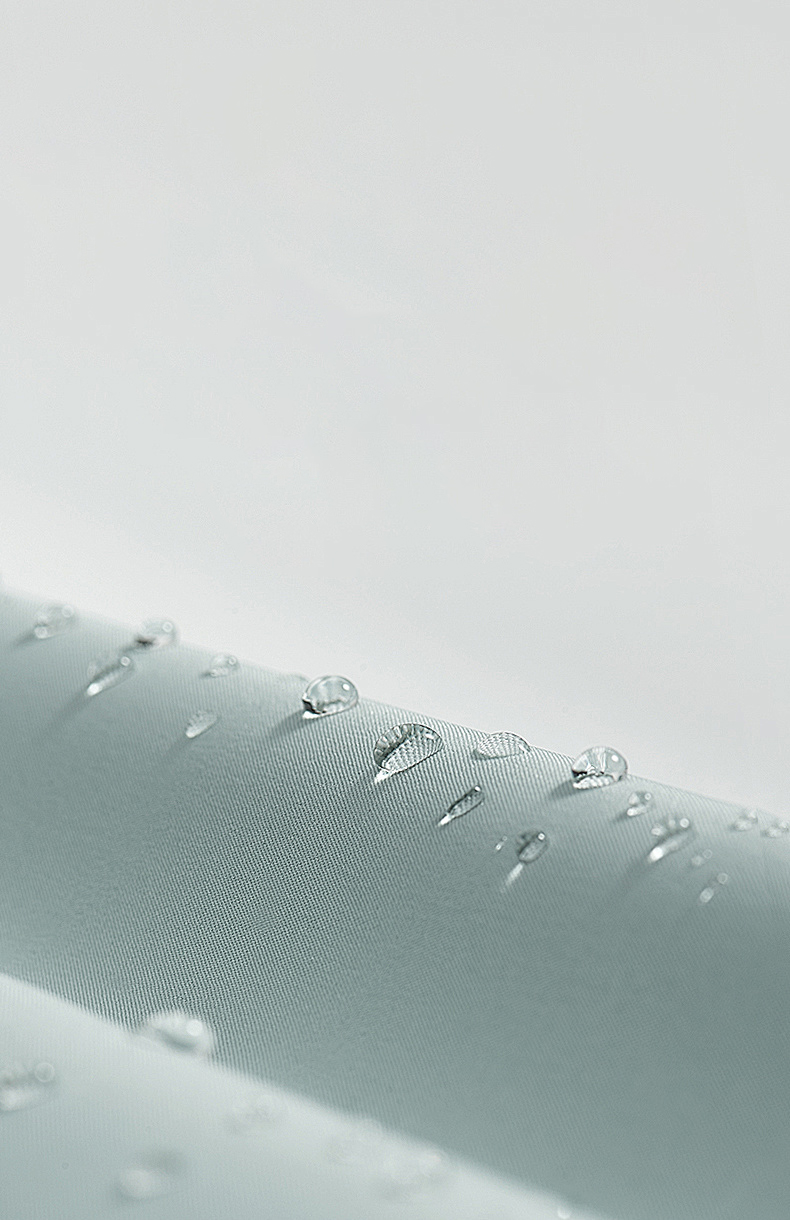
PTFE film plays a central role in aerospace engineering due to its exceptional resistance to high temperatures and harsh environments. In aircraft manufacturing, it is commonly used for insulating wires and cables, protecting them from potential damage. Its low-friction surface also contributes to the efficiency of moving parts, boosting overall performance and durability. Additionally, its chemical resistance helps prevent corrosion in various components exposed to fuel and other hazardous substances. Aerospace applications also include seals and gaskets where its resilient properties help maintain integrity under pressure changes at high altitudes. The lightweight nature of this material further supports aircraft design efforts aimed at reducing weight for improved fuel efficiency. As advancements in aerospace technology continue, the demand for original materials like PTFE film will likely grow, driving further integration into critical systems within the industry.
Teflon film’s Role in Manufacturing Processes
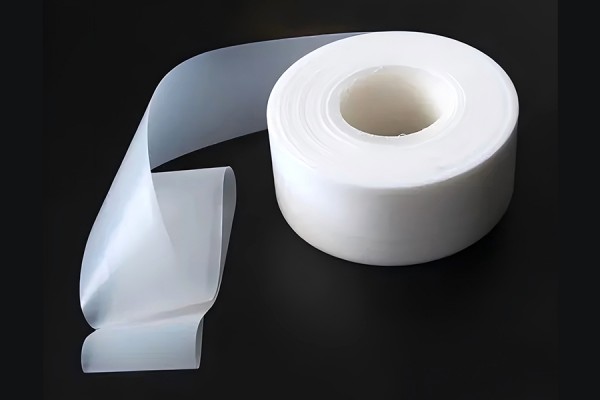
PTFE film plays an important role in the manufacturing sector thanks to its exceptional properties. Its ability to withstand high temperatures makes it ideal for heat-intensive processes, such as molding and extrusion. The film’s durability ensures it can handle demanding conditions, resisting wear and tear that typically occurs during production. The low-friction surface is particularly useful, as it reduces friction between moving parts, enhancing efficiency and prolonging the lifespan of machinery. This property is critical in industries like food processing, where easy release of products from molds is essential. Additionally, PTFE film’s chemical resistance protects manufacturing equipment from corrosive substances, further extending operational life and maintaining product integrity. Overall, these attributes significantly contribute to improving productivity and safety in various manufacturing environments.
Conclusion
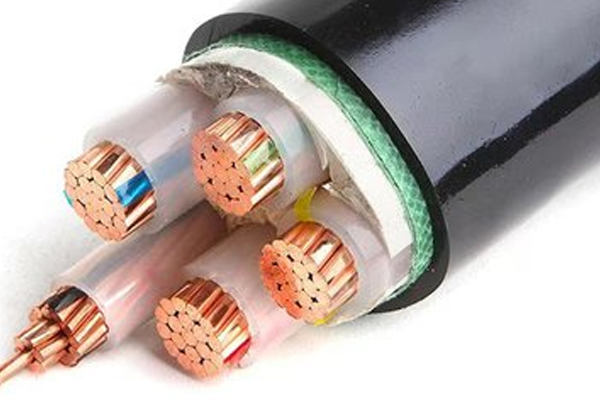
PTFE film stands out in industrial settings due to its distinctive blend of properties, including high-temperature resistance, durability, and a low-friction surface. These traits make it valuable to sectors such as automotive, aerospace, and manufacturing. The film’s ability to endure extreme conditions while resisting wear contributes significantly to operational efficiency and system longevity. As industries evolve and seek reliable materials that boost performance, this material is likely to expand further into new applications. Its established role in automotive components like gaskets and insulation shows its diverse utility, while its contributions in aerospace engineering demonstrate its critical function in high-stakes environments. Ongoing advancements may lead to even broader uses of PTFE film, solidifying its reputation as an important material for modern industrial challenges. The continual exploration of PTFE’s capabilities may inspire new breakthroughs that further integrate this versatile film into everyday applications across a spectrum of industries.
FAQs
What is PTFE film?
PTFE film is a versatile material made from polytetrafluoroethylene (PTFE), known for its high-temperature resistance, durability, and low-friction surface.
What are the primary benefits of using PTFE film in industry?
The primary benefits include its ability to withstand extreme temperatures, resist chemical corrosion, and reduce friction, making it ideal for various industrial applications.
In which industries is PTFE film commonly used?
PTFE film is commonly used in industries such as automotive, aerospace, manufacturing, and food processing due to its unique properties.
How does PTFE film contribute to energy efficiency?
PTFE film’s low-friction surface reduces the energy required for moving parts in machinery, leading to improved efficiency and lower operational costs.
Can PTFE film be used in applications involving harsh chemicals?
Yes, PTFE film’s chemical resistance allows it to withstand exposure to harsh substances without degrading, making it suitable for various chemical handling processes.
What temperature range can PTFE film typically endure?
PTFE film can typically endure temperatures ranging from -240°C to 260°C (-400°F to 500°F), making it suitable for high-temperature applications.
Is PTFE film environmentally friendly?
While PTFE itself is stable and inert, the manufacturing process of PTFE can raise environmental concerns. Responsible disposal practices are recommended.
How does PTFE film improve product quality in manufacturing?
PTFE film enhances product quality by providing a non-stick surface that facilitates easy release from molds and reduces downtime due to maintenance needs.


