

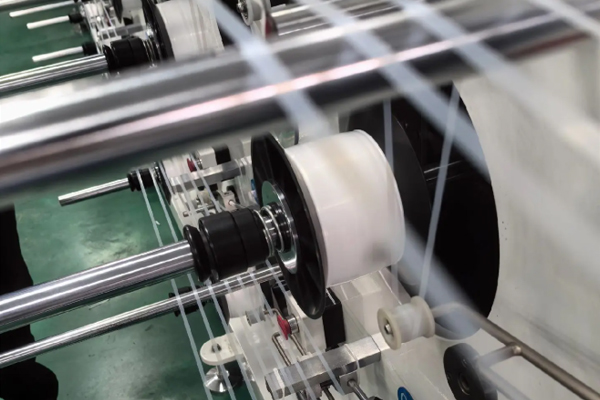
important Takeaways
PTFE high-speed cable film emerges as a game-changer in modern communication systems, driven by its exceptional properties and versatility. Its low dielectric constant not only enhances data transmission speeds but also minimizes signal loss, a critical requirement for next-generation technologies. The electrical insulation offered by PTFE plays a significant role in ensuring reliability, preventing issues like short circuits that can disrupt operations in high-performance environments. Moreover, its ability to withstand extreme temperatures from -200°C to +260°C makes it suitable for various applications across industries. As demand for efficient data transfer grows, particularly with the advent of 6G technology and AI applications, PTFE cable film stands out as an optimal choice for manufacturers. Companies leveraging PTFE can increase their competitiveness by providing cost-effective solutions that promise durability and enhanced performance. The advancements in this material underline its importance not only in existing infrastructures but also in paving the way for future innovations in communication technology.
Advantages of PTFE Cable Film
PTFE cable film is essential for advancing communication technology, thanks to its unique characteristics. Its low dielectric constant significantly reduces signal delay and capacitive coupling, which is important for maintaining high-performance data transmission. The excellent electrical insulation properties of PTFE wrapping film prevent short circuits and leakage, enhancing system reliability. furthermore, PTFE cable wrapping tape is known for its broad temperature range, lasting extreme conditions from -200°C to +260°C without compromising performance. Its chemical inertness grants resistance to corrosion, making it highly durable in various environments. These features establish PTFE films as invaluable materials in the high-speed transmission line sector. Moreover, with the growing demand for high-speed connectivity, tools like DAC high-speed cable wrapping film and AEC high-speed cable wrapping film enable manufacturers to meet rigorous industry standards while optimizing their designs. Overall, the benefits of using PTFE in developing high-frequency cables are clear: improved signal integrity, enhanced durability, and compliance with advanced communication requirements.
Properties driving communication innovation
the unique properties of PTFE high-speed cable film are fundamental in advancing communication technologies. One of its main characteristics is the low dielectric constant, which minimizes signal delay and reduces capacitive coupling. This ensures faster and more reliable data transmission, essential for high-speed applications. furthermore, PTFE offers exceptional electrical insulation properties, safeguarding against short circuits and signal leakage. This material operates effectively across a broad temperature range, from -200°C to +260°C, making it suitable for various environmental conditions. Its chemical inertness also provides resilience against corrosion, further enhancing durability. Another notable aspect is its low sensitivity to humidity; the porous structure maintains stable electrical performance regardless of moisture levels. Together, these properties make PTFE high-speed cable film a superior choice for cutting-edge applications in fields like microwave communications and AI server technologies, driving the demand for original data transmission solutions.
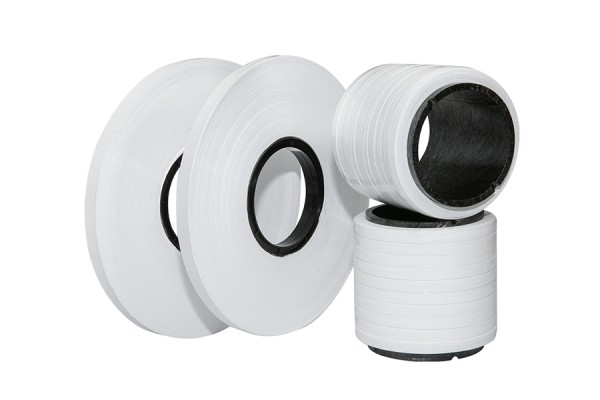
Applications in High-Speed Data Transfer
PTFE high-speed cable film plays a vital role in various applications related to high-speed data transfer. Its low dielectric constant significantly reduces signal delay, making it essential for high-frequency communications. This property is particularly useful in sectors like telecommunications, where data integrity and speed are non-negotiable. furthermore, the excellent electrical insulation provided by PTFE film prevents short circuits and signal leakage, enhancing overall system reliability.
In modern wireless communication systems, such as 5G and upcoming 6G networks, PTFE cable film proves indispensable. It supports the creation of reliable RF coaxial cables and high-speed data communication cables that can operate efficiently over long distances without degradation. Moreover, its suitability for advanced technologies such as AI servers ensures that these systems can handle ultra-high-speed signal transmission required for real time data processing.
"Choosing PTFE film in cable manufacturing is a strategic advantage that addresses the demands of evolving communication technologies."
As demand grows for faster and more reliable communication methods, the applications of PTFE high-speed cable film are expanding rapidly. Its characteristics make it an ideal choice not just for current technologies but also for future innovations in communication infrastructures.
Enhancing AI Server Performance with PTFE
PTFE high-speed cable film significantly boosts the performance of AI servers by reducing signal loss and enhancing data integrity. Its low dielectric constant minimizes capacitive coupling, which is vital for maintaining the high-frequency signals essential in AI computations. As data loads continue to grow, the need for efficient transmission is paramount; PTFE cable film helps meet these demands by ensuring rapid and reliable signal delivery. furthermore, its exceptional electrical insulation properties mitigate risks of short circuits and signal degradation, allowing servers to operate at peak efficiency. The thermal stability of PTFE, spanning -200°C to +260°C, further ensures that AI systems remain reliable across varied operating conditions. This adaptability is important for high-performance tasks that require consistent power and cooling management. As businesses increasingly adopt AI solutions, integrating PTFE cable film into server architectures not only enhances performance but also supports the scalability of next-generation communication infrastructures.
PTFE Film’s Role in 6G Development
PTFE high-speed cable film is poised to play a significant role in the implementation of 6G networks. As data requirements escalate, the need for materials that can accommodate ultra-fast communication is important. PTFE’s low dielectric constant and excellent electrical insulation boost signal integrity and minimize signal loss, which are vital for the high frequencies associated with 6G technology. This capability not only boosts data transmission speeds but also supports reliable connectivity across various devices and applications. Furthermore, the chemical stability and thermal resilience of PTFE make it an ideal candidate for environments demanding robust performance under extreme conditions. With modifications to improve its properties, this film can effectively meet the challenges posed by emerging technologies, facilitating advancements in AI, IoT, and immersive communication experiences. As research continues to refine its applications, PTFE film stands at the forefront of materials innovation necessary for realizing the potential of 6G communications.
Cost-Effective Solutions for Advanced Communication
PTFE high-speed cable film offers significant cost advantages in advanced communication systems, streamlining both production and operational expenses. Its unique properties, such as low dielectric constant and excellent electrical insulation, not only optimize performance but also reduce the likelihood of signal degradation and associated costs. The lightweight nature of PTFE film contributes to lower shipping and installation expenses, which is increasingly important as demand for high-speed data transmission grows. Manufacturers can achieve competitive pricing by leveraging the material’s durability and reliability, ultimately minimizing the need for frequent replacements or maintenance. furthermore, as domestic production of PTFE film rises to meet increasing demand from sectors like AI servers and 6G development, companies are poised to benefit from reduced dependency on imports. This shift aligns well with the overall trend toward localization in supply chains, encouraging a more cost-effective approach to high-performance cable solutions in next-generation communication systems.
Comparative analysis of PTFE and Competitors
When comparing PTFE high-speed cable film with its competitors, several important factors come into play. PTFE offers a low dielectric constant, which aids in minimizing signal loss and delaying transmission, an advantage that many competitors struggle to match. In contrast, alternative materials often exhibit higher capacitance, leading to increased signal degradation over long distances. also, PTFE’s exceptional thermal stability ranges from -200°C to +260°C, further distinguishing it in environments with extreme conditions that may adversely affect other materials.
In terms of electrical insulation properties, PTFE demonstrates superior performance in preventing short circuits and leakage compared to competing films. This makes it a favored choice for advanced applications where reliability is paramount. Furthermore, modified PTFE variations have shown enhanced performance metrics aligned with the growing demands of high-frequency data applications, something many alternatives have yet to achieve effectively.
Cost considerations also play a critical role in this analysis. While some competitors produce cheaper options, the longevity and efficiency of PTFE often result in lower total lifecycle costs, proving its value in the long run. In summary, while alternatives exist in the market, PTFE high-speed cable film stands out for its superior electrical properties and performance advantages essential for next-generation communication systems.
Future trends in Cable Materials Technology
The situation of cable materials technology is evolving rapidly, driven by the increasing demand for high-speed data transmission and advanced communication systems. One notable trend is the ongoing development of hybrid materials that combine the strengths of polytetrafluoroethylene (PTFE) with other compounds to improve performance characteristics such as thermal stability and electrical efficiency. furthermore, the push for sustainability is prompting manufacturers to explore eco-friendly materials that do not compromise on performance. Advances in nanotechnology are also influencing the production of high-speed cable films, enabling finer control over material properties at a microscopic level. Furthermore, as 6G technology looms on the horizon, there will be a greater emphasis on developing cables that can handle ultra-high frequencies while maintaining low signal loss and reliable performance. This adaptability will be vital for fields such as AI and data centers, where equipment must support increasingly sophisticated applications. Overall, future innovations will likely focus on balancing high performance with cost-efficiency and environmental considerations.
Conclusion
PTFE high-speed cable film represents a significant element in the communications sector, addressing the ongoing demands for high-speed data transfer and reliability. Its unique properties, including excellent electrical insulation and broad thermal stability, ensure that it meets the rigorous performance standards of modern technologies. As communication systems evolve toward 6G and beyond, PTFE’s role will expand, facilitating increasingly complex applications in domains like AI and IoT. The effectiveness of PTFE cable films in reducing signal loss and enhancing data integrity highlights their value in not only current infrastructures but also future innovations. With a growing focus on sustainability and cost-effectiveness, PTFE solutions are well-positioned to dominate the next generation of cable materials. The continuous improvement in this material will likely lead to significant advancements in communication technology, reinforcing its importance for businesses aiming to stay competitive in an ever-evolving digital scene.
FAQs
What is PTFE high-speed cable film?
PTFE high-speed cable film is a specialized insulating material used in cable manufacturing to boost signal transmission and reduce losses in high-speed communication systems.
What advantages does PTFE film offer for communication systems?
PTFE film provides low dielectric constants, excellent electrical insulation, broad temperature stability, and resistance to chemical corrosion, making it an ideal choice for high-speed data transfer.
How does PTFE film improve the performance of AI servers?
PTFE high-speed cable film minimizes signal loss and ensures reliable data integrity, important for AI servers that require rapid processing capabilities and consistent performance.
What role does PTFE play in the development of 6G technology?
PTFE’s properties support ultra-high frequency communications essential for 6G technology, improving data transmission speeds and ensuring robust connectivity across devices.
Are there cost benefits to using PTFE cable film?
Yes, using PTFE can reduce production costs by minimizing signal degradation and maintenance needs, leading to lower overall lifecycle costs compared to other materials.
How does PTFE compare with other cable films on the market?
PTFE outperforms many competitors due to its superior electrical insulation properties and thermal stability at extreme temperatures, making it a more reliable choice for advanced communications.
What future trends are emerging in cable materials technology related to PTFE?
The industry is moving towards hybrid materials that boost performance characteristics and eco-friendly solutions without compromising efficiency. Advances in nanotechnology are also shaping new developments.


