main Takeaways
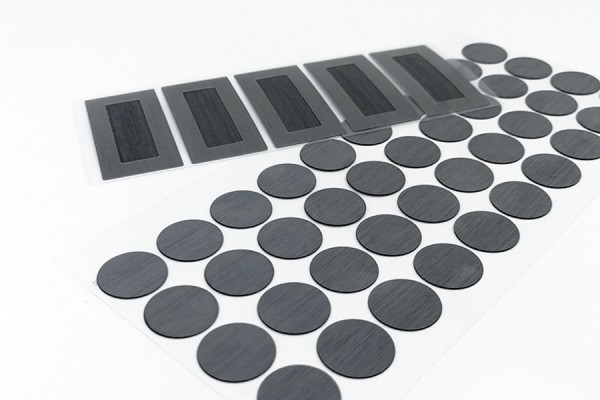
Polytetrafluoroethylene (PTFE) wrapping film stands out for its versatility and effectiveness across a range of industries. Its exceptional properties, such as chemical resistance, durability, and thermal stability, contribute to its widespread application in sectors like aerospace and electronics. The ability to withstand harsh conditions minimizes maintenance needs, reducing downtime and operational costs. Furthermore, PTFE’s non-stick surface enhances performance in mechanical systems while ensuring longevity for components under stress. Innovations in PTFE technology continue to push boundaries, with multifunctional films emerging that serve new purposes beyond traditional insulation. As industries evolve, PTFE films remain essential for meeting contemporary demands for efficiency and reliability.
Applications of PTFE Films
PTFE films are widely used across various industries due to their remarkable properties. In aerospace, PTFE wrapping film is essential for insulation and protection against extreme temperatures and chemical exposure. The chemical resistance of PTFE makes it a preferred choice in food processing and packaging, where it ensures safe interaction with different substances. In the electronics sector, high-speed transmission line PTFE wrapping tape is employed to boost signal integrity while providing insulation for cables. Other variations like PTFE cable wrapping tape and PTFE Thread Seal Tape are critical in sealing applications, preventing leakage in high-pressure environments. Industries benefit from DAC, AEC, AOC, and ACC high-speed cable wrapping films that cater specifically to high-frequency applications, ensuring efficient performance in communication systems. Furthermore, the durability and reliability of PTFE materials make them suitable for high-stress applications in manufacturing processes where performance assurance is vital.
Benefits of PTFE Wrapping
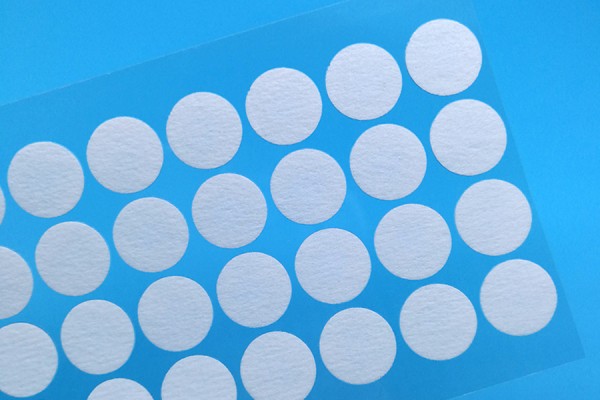
Polytetrafluoroethylene (PTFE) wrapping film offers several advantages that make it ideal for various industrial applications. Its exceptional chemical resistance prevents degradation when exposed to harsh substances, providing reliable durability in demanding environments. This makes PTFE a preferred choice for industries like aerospace and electronics, where exposure to corrosive agents is common. The non-stick surface of PTFE further reduces friction, enabling smoother operations in mechanical systems and enhancing efficiency by minimizing wear on components. furthermore, PTFE wrapping films withstand high temperatures without losing integrity, making them suitable for thermal insulation purposes. Their lightweight nature doesn’t compromise strength, allowing designers to create more effective and efficient products. Furthermore, the flexibility of PTFE wrapping aids in easy application across uneven surfaces, ensuring full coverage and protection. These properties collectively contribute to improved performance in diverse fields while also potentially lowering maintenance costs due to extended durability and reliability under various conditions.
PTFE in Aerospace Uses
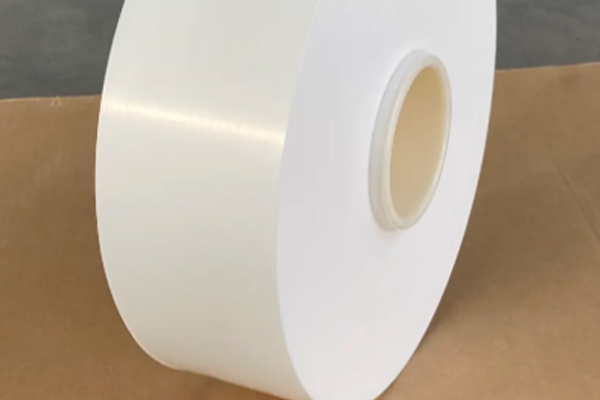
Polytetrafluoroethylene (PTFE) finds extensive use in the aerospace industry due to its remarkable properties. Its exceptional thermal stability and low friction characteristics make it ideal for components that must withstand extreme conditions. PTFE is commonly used in seals, gaskets, and bearings, ensuring reliable performance in various aircraft systems.
“The ability of PTFE to resist aggressive chemicals is critical for components exposed to fuel and hydraulic fluids.”
In addition, the non-stick surface of PTFE reduces friction wear, prolonging the lifespan of critical moving parts. Aerospace manufacturers also appreciate its lightweight nature, which contributes to overall fuel efficiency.
With an emphasis on safety, PTFE plays a vital role in insulating electrical systems within aircraft, protecting sensitive electronics from environmental factors. As the aerospace sector continues to innovate, the adaptability of PTFE will undoubtedly support future advancements in material technology.
Industrial strength of PTFE
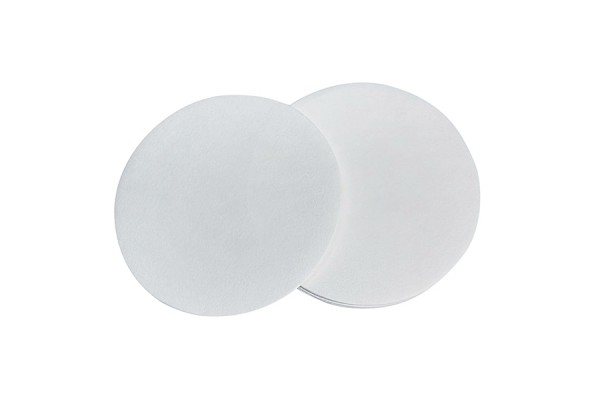
Polytetrafluoroethylene (PTFE) films demonstrate remarkable industrial strength that meets the demanding requirements of various sectors. Their resistance to abrasion and wear makes them ideal for applications in high-friction environments. In manufacturing, PTFE films are often used as protective liners in machinery to prevent damage and extend equipment longevity. Their unique molecular structure contributes to their strength, ensuring they maintain performance under extreme conditions, including severe temperatures and aggressive chemicals.
furthermore, the non-stick properties of PTFE prevent material buildup, simplifying maintenance processes and reducing downtime in production lines. This efficiency is particularly beneficial in food processing industries, where contamination risks are critical. Moreover, the tensile strength of PTFE films allows them to withstand significant mechanical stress, making them suitable for use in composite materials where additional strength is necessary. As industries seek materials that offer both durability and chemical resilience, PTFE continues to play a vital role across various applications, from automotive parts to aerospace components.
Chemical resistance in PTFE
Polytetrafluoroethylene (PTFE) exhibits exceptional chemical resistance, making it a preferred choice for various industries. This resistance means PTFE can withstand exposure to a wide range of chemicals, including acids, bases, and organic solvents, without degrading or losing its integrity. In aerospace applications, where equipment may be exposed to harsh fuels and chemicals, PTFE wrapping film protects sensitive components effectively.
Moreover, its stability against corrosive agents extends its applicability in the chemical processing industry. Equipment linings and seals made from PTFE resist damage even in aggressive environments, reducing maintenance costs and extending service life. In electronics, PTFE’s chemical stability is important for insulation films used in sensitive electronic circuits where exposure to chemicals can cause failures or short circuits. This durability ensures reliability and safety in electronic devices.
Ultimately, the chemical resistance of PTFE wrapping film is critical for enhancing the performance and longevity of products across various fields.
PTFE Solutions in Electronics
Polytetrafluoroethylene (PTFE) plays a significant role in the electronics industry. Its properties make it ideal for insulation applications in high-performance cables and connectors. The low friction and non-stick characteristics of PTFE wrapping film prevent premature wear, especially in 5G and 6G communication technologies where signal integrity is vital. furthermore, PTFE’s chemical resistance safeguards sensitive electronic components from corrosive substances, ensuring longevity and reliability.
In semiconductor manufacturing, PTFE films serve as protective barriers during deposition processes. Their thermal stability withstands extreme temperatures without degradation, a critical requirement for modern electronic devices. Furthermore, these films maintain excellent dielectric properties, enhancing electrical performance while minimizing energy loss. Overall, the integration of PTFE solutions within electronics supports advancements that meet the growing demands for efficiency and durability across various applications.
Durability of PTFE Materials
Polytetrafluoroethylene (PTFE) is known for its exceptional durability, which makes it suitable for diverse applications across various industries. Its molecular structure contributes to high resistance against wear and tear, allowing PTFE materials to maintain functionality over extended periods. This robustness is particularly beneficial in environments subjected to harsh chemicals, high temperatures, and mechanical stress.
In aerospace applications, PTFE’s durability ensures reliable performance in extreme conditions, such as fluctuating temperatures and corrosive substances. In industrial settings, PTFE wrapping films are applied to protect equipment and components, extending their life cycle significantly. With a wide operating temperature range and excellent thermal stability, PTFE remains effective where other materials might fail.
The table below summarizes main attributes that improve the durability of PTFE materials:
These properties collectively affirm the reliability of PTFE materials in critical applications where durability is essential.
Innovations with PTFE Films
Recent advancements in Polytetrafluoroethylene (PTFE) films have expanded their role in diverse fields, especially in industries that prioritize durability and performance. In aerospace, PTFE films are being utilized to improve fuel efficiency and reduce weight in aircraft components. Their low friction properties reduce energy consumption, contributing to more sustainable practices. In the electronics sector, innovations include multifunctional PTFE films that serve not only as insulation but also as moisture barriers, enhancing the longevity of sensitive components like semiconductors. Furthermore, developments in ePTFE technology have led to the creation of breathable fabrics used in outdoor gear and medical applications, such as wound dressings that promote healing while preventing infection. These ongoing innovations illustrate how PTFE films are adapting to meet the evolving needs of modern industry.
Conclusion
the applications and advantages of Polytetrafluoroethylene (PTFE) wrapping film reveal its essential role in today’s industrial situation. With unmatched durability and chemical resistance, PTFE films ensure optimal performance in sectors such as aerospace, electronics, and manufacturing. Their ability to withstand extreme temperatures and harsh environments makes them an ideal choice for sensitive applications where reliability is non-negotiable. Furthermore, the flexibility of PTFE allows easy application on various surfaces, enhancing protection against contaminants and wear. As industries continue to seek new materials that meet rigorous standards, PTFE’s versatility positions it as a important component in advancing technological solutions. The ongoing developments in PTFE technology hint at a promising future where these films will play an even more significant role in addressing the challenges faced across multiple fields.
FAQs
What is Polytetrafluoroethylene (PTFE)?
PTFE is a high-performance polymer known for its exceptional chemical resistance and thermal stability.
What are the primary applications of PTFE wrapping film?
PTFE wrapping film is used in aerospace for insulation, in food processing for safe packaging, and in electronics for insulating cables and connectors.
How does PTFE contribute to chemical resistance?
PTFE can withstand exposure to a broad range of corrosive substances without degrading, making it ideal for harsh industrial environments.
Is PTFE environmentally friendly?
While PTFE itself is not biodegradable, its durability can lead to reduced waste by extending the lifespan of products in which it is used.
Can PTFE films be used in high-temperature applications?
Yes, PTFE films maintain their integrity and performance at extreme temperatures, making them suitable for various thermal insulation needs.
How does using PTFE affect maintenance costs?
The durability and non-stick properties of PTFE minimize wear and tear on equipment, potentially leading to lower maintenance expenses over time.
What innovations are being explored with PTFE films?
Recent advancements include multifunctional films that act as moisture barriers in electronics and breathable fabrics for medical applications.
Why is the flexibility of PTFE important?
Flexibility allows easy application on uneven surfaces, ensuring effective coverage and protection against contaminants.
Can PTFE be recycled?
Recycling options for PTFE are limited due to its chemical properties; however, some manufacturers are exploring ways to reclaim it.