main Takeaways
PTFE film is a multifaceted material that significantly contributes to efficiency and durability in high-performance industries. Its unique properties, like chemical resistance and thermal stability, enable it to withstand harsh environments, making it ideal for critical applications in aerospace and electronics. The film’s low friction characteristics not only reduce wear on machinery but also foster improved energy efficiency during operation. also, PTFE’s lightweight nature allows for easy integration into existing systems, supporting industries aiming for scalability without compromising performance. Its versatility means it can be tailored to meet specific needs across diverse applications, from manufacturing seals to insulating electronic components. As sectors continue to seek materials that assure long-lasting reliability under demanding conditions, PTFE film remains an essential component in promoting innovation and maintaining high operational standards.
Applications of PTFE Film in Aerospace
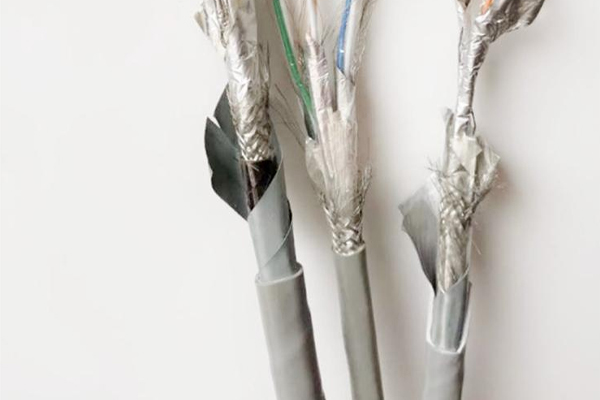
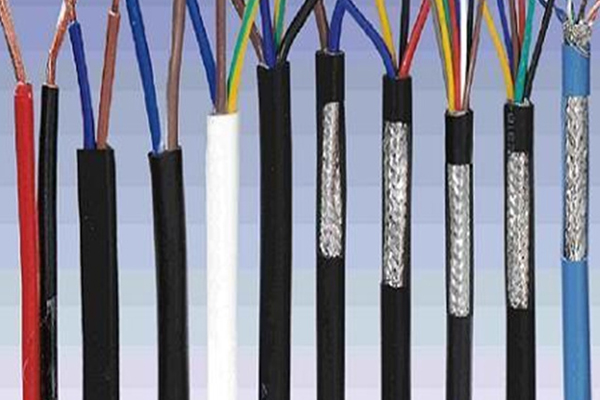
PTFE film plays a vital role in the aerospace sector, primarily due to its exceptional thermal stability and chemical resistance. This film is utilized in various applications such as insulation and sheathing for wiring, particularly in high-speed transmission line PTFE wrapping tape. The lightweight and durable nature of PTFE make it an ideal material for wrapping cable assemblies, providing protection against environmental factors while ensuring optimal performance. furthermore, PTFE wrapping film is commonly applied in the manufacturing of components like seals and gaskets, contributing to the reliability of systems in extreme conditions. The use of high-performance products such as DAC high-speed cable wrapping film and AEC high-speed cable wrapping film demonstrates the ongoing innovation within the aerospace industry. These films not only meet rigorous safety standards but also improve efficiency by minimizing energy loss during operation. In a sector where precision is important, PTFE’s ability to endure high temperatures and resist chemical degradation ensures its continued relevance in aerospace applications.
PTFE Film in Electronics Innovation
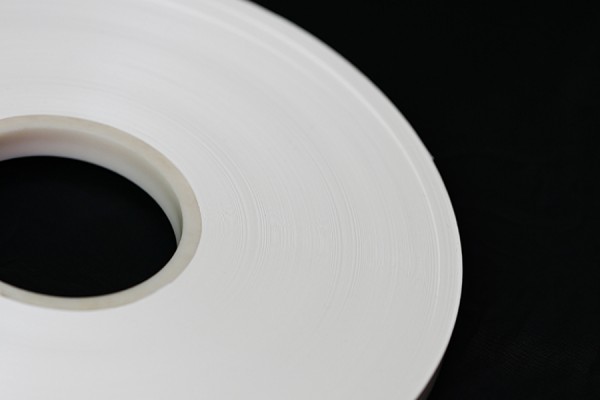
PTFE film plays a critical role in the advancement of electronics, particularly in high-frequency applications. Its low dielectric constant and loss tangent make it ideal for use in circuit boards, allowing for efficient signal transmission and minimal energy loss. This is vital for modern electronics, especially as devices require faster processing speeds and increased capabilities. Modified PTFE formulations improve thermal stability and mechanical strength, ensuring reliability under extreme operational conditions. Moreover, PTFE film’s excellent chemical resistance protects sensitive electronic components from harsh environments, further extending their lifespan. As industries strive towards miniaturization and improved performance, the adoption of PTFE film facilitates new designs while meeting stringent industry standards.
"Using PTFE film not only boosts performance but also improves the durability of electronic devices."
Advantages of PTFE Film in Manufacturing
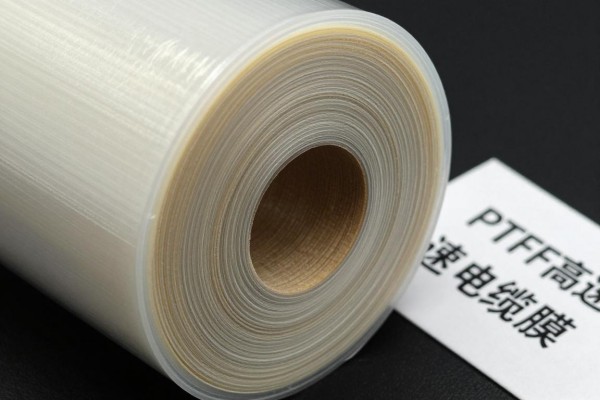
PTFE film offers significant benefits in the manufacturing sector due to its remarkable properties. Its exceptional chemical resistance ensures that it can withstand harsh environments, making it ideal for use in various processes. This durability translates to a longer lifespan for equipment, ultimately reducing maintenance costs and downtime. PTFE film’s low friction characteristics boost machinery efficiency by minimizing wear and tear on components. also, its non-stick properties simplify cleaning processes, contributing to increased productivity in manufacturing settings. The lightweight nature of PTFE film allows for easy handling and application, which is especially beneficial in automated production lines. Furthermore, its versatility enables customization for specific applications, ranging from coatings on machinery to insulation around electrical components, leading to improved safety and performance across manufacturing operations. This adaptability makes PTFE film a helpful asset for manufacturers aiming to boost efficiency and reliability while maintaining high standards of quality.
PTFE Film: Efficiency and Reliability
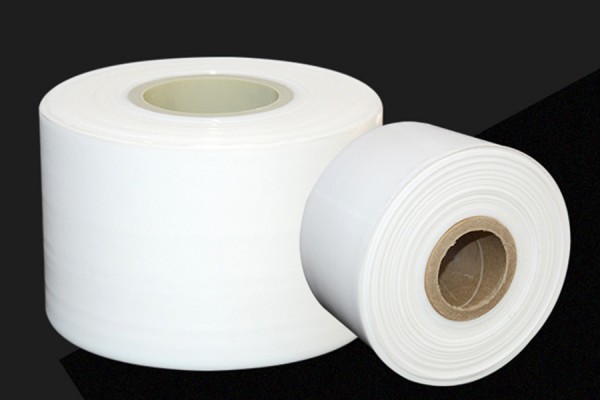
PTFE film stands out for its efficiency and reliability across various high-performance applications. Its low friction properties significantly reduce wear in moving parts, enabling smoother operation in machinery and equipment. In sectors like aerospace, this characteristic contributes to fuel efficiency and longevity of components. Furthermore, PTFE film’s excellent chemical resistance ensures that equipment maintains its integrity even in harsh environments, minimizing downtime caused by maintenance or failure. This reliability is important for industries requiring continuous performance, such as electronics manufacturing, where precision is important. In addition to enhancing operational efficiency, PTFE film is designed to withstand extreme temperatures and conditions, making it a dependable choice for critical applications. Its durability not only improves component lifespan but also provides manufacturers with a cost-effective solution by reducing the need for frequent replacements. Overall, the efficiency and reliability of PTFE film optimize productivity while meeting the rigorous demands of high-performance sectors.
main Benefits of PTFE in High-Performance Sectors
PTFE offers several benefits that make it essential in high-performance sectors. Its exceptional chemical resistance ensures that it can withstand harsh environments without degrading, which is important for industries such as aerospace and electronics. The material’s high-temperature tolerance further solidifies its role as a reliable choice for applications requiring thermal stability. furthermore, PTFE’s low friction properties contribute to improved efficiency by reducing wear and energy consumption in mechanical systems. This is particularly important in manufacturing environments where downtime can be costly. Moreover, the lightweight nature of PTFE ensures minimal impact on system weight, making it ideal for aerospace applications where every gram counts. The versatility of PTFE allows for modifications that improve its properties, enabling tailored solutions to meet specific industry needs. Overall, the combination of durability, efficiency, and adaptability positions PTFE as a vital material across diverse high-performance sectors.

Exploring PTFE Film Uses in the Chemical Industry
PTFE film plays a significant role in the chemical industry, primarily due to its impressive chemical resistance and thermal stability. This versatile material is commonly used as a lining in tanks and pipes, effectively preventing corrosion from aggressive chemicals. Its non-stick properties facilitate the handling of substances that would otherwise adhere to surfaces, simplifying maintenance and reducing downtime. Moreover, PTFE film is important in manufacturing seals and gaskets, ensuring leak-proof operations under extreme conditions. The ability to withstand a wide temperature range further enhances its suitability for high-pressure applications in various chemical processes. As industries move towards more demanding standards of safety and efficiency, PTFE film has emerged as a reliable solution that meets these requirements while promoting process integrity across operations.
High-Performance Effects of PTFE Film
PTFE film exhibits remarkable effects in high-performance applications, primarily driven by its unique properties. Its low friction coefficient reduces wear and tear in moving parts, enhancing the efficiency of machinery and equipment. In aerospace applications, PTFE film contributes to weight reduction while maintaining structural integrity, a vital factor for fuel efficiency. In electronics, it supports improved signal clarity due to its excellent dielectric properties, which is important for high-frequency operations. The film’s resistance to extreme temperatures and corrosive environments safeguards the longevity of components across various sectors. This durability significantly minimizes maintenance needs and operational downtime, translating to cost savings for manufacturers. The combination of these characteristics makes PTFE film an essential material in driving innovation and reliability in advanced industries. As sectors increasingly demand materials that can withstand challenging conditions without compromising performance, the role of PTFE film continues to grow in importance.
Durability of PTFE Film in Extreme Conditions
PTFE film exhibits remarkable durability that enables it to withstand extreme environmental conditions. Its inherent properties make it resistant to high temperatures, chemicals, and wear. For instance, PTFE can endure temperature variations from as low as -200°C to as high as 260°C without losing its structural integrity. This temperature resilience allows PTFE film to be effectively used in industries that experience intense thermal stress, such as aerospace and chemical manufacturing. furthermore, PTFE’s excellent chemical resistance ensures that it remains stable in corrosive environments where other materials might degrade. The material’s low coefficient of friction also contributes to its longevity by reducing mechanical wear during operation. Such durability makes PTFE film a top choice for applications requiring reliable long term performance under challenging conditions, ensuring that critical components maintain functionality over extended periods.
Conclusion
PTFE film’s extensive range of applications in high-performance industries underscores its critical importance. Its unique properties, such as exceptional durability, chemical resistance, and low friction characteristics, contribute significantly to efficiency across sectors like aerospace, electronics, and chemical manufacturing. The film enhances operational efficiency by reducing maintenance needs while ensuring reliable performance in extreme conditions. As industries increasingly prioritize materials that offer longevity and adaptability, PTFE film emerges as a preferred solution. Its ability to support advanced technologies and processes while maintaining safety and performance standards positions PTFE film as an integral material for future innovations. The ongoing demand for reliable components highlights PTFE’s role in driving progress across diverse applications, reaffirming its status as a vital asset in high-performance environments.
FAQs
What is PTFE film?
PTFE film is a high-performance material known for its chemical resistance, thermal stability, and low friction properties used in various industries.
What are the main applications of PTFE film?
PTFE film is widely used in aerospace for insulation, in electronics for circuit boards, and in chemical manufacturing for tank linings.
How does PTFE film improve efficiency?
Its low friction characteristics reduce wear on machinery parts, promoting smoother operation and less energy consumption.
Is PTFE film durable under extreme conditions?
Yes, PTFE film can withstand extreme temperatures ranging from -200°C to 260°C and resist chemical corrosion, making it suitable for harsh environments.
Can PTFE film be customized for specific applications?
Absolutely, PTFE can be modified to boost its properties, allowing it to meet the unique needs of different industrial applications.