main Takeaways
Understanding the applications and characteristics of PTFE film illustrates its significant impact in industrial settings. Its chemical resistance is main, especially in sectors handling corrosive materials, effectively preventing equipment degradation. The film’s thermal stability ensures that it performs reliably in a wide range of temperatures, making it suitable for demanding environments. Applications like electrical insulation and gasketing demonstrate its versatility; industries depend on PTFE to secure electrical components and create effective seals for preventing leaks. Furthermore, the material’s low friction properties reduce wear on machinery, translating to lower maintenance costs and longer operational lifespans. Continuous innovations in PTFE formulations are expanding its capabilities, adapting to evolving industry needs and enhancing performance standards across various sectors.
Applications of PTFE Film
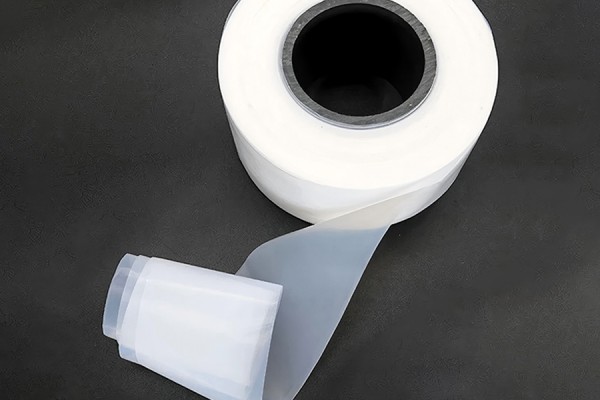
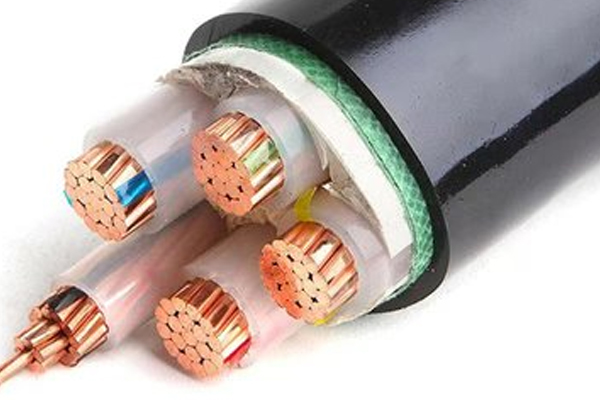
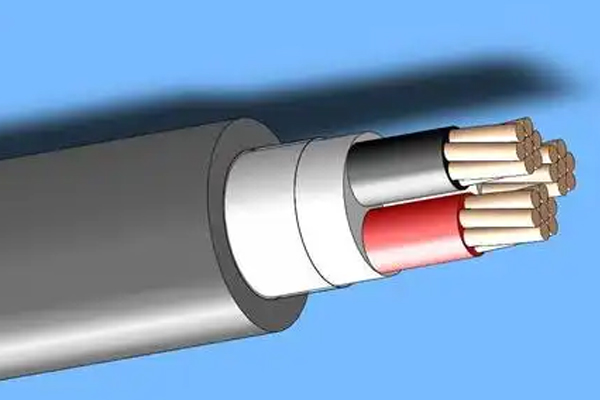
PTFE film is a versatile material used across various industrial applications. Its chemical resistance makes it suitable for environments where corrosive substances are present. Electrical insulation is a main application; many industries utilize PTFE wrapping film to safeguard sensitive electrical components. Similarly, PTFE Thread Seal Tape is essential in creating reliable seals in plumbing and piping systems, preventing leaks under high-pressure conditions. In the realm of telecommunications, High speed transmission line PTFE wrapping tape is employed for its ability to maintain insulation integrity, facilitating efficient data transmission.
Furthermore, industries rely on PTFE cable wrapping tape and PTFE cable roll coating to protect cables from harsh environmental conditions, prolonging their service life. The DAC high-speed cable wrapping film and AEC high-speed cable wrapping film are specifically designed for high-frequency applications, ensuring performance stability in demanding settings. The versatility of PTFE extends to gasketing solutions as well, where its non-stick characteristics prevent adhesion buildup on surfaces.
"When selecting materials for industrial applications, consider the unique properties of PTFE films for optimal performance."
Characteristics of PTFE Film
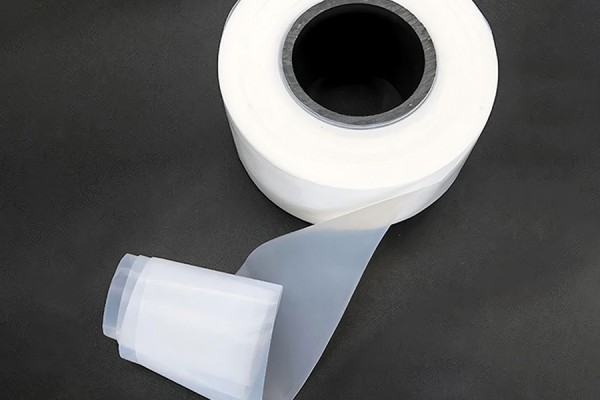
PTFE film is known for its outstanding chemical resistance, making it suitable for harsh environments. It does not react with synthetic and natural substances, which enhances its utility across many applications. The film maintains flexibility and durability, allowing it to be used effectively in various industrial processes. Its low friction surface significantly reduces wear and tear during operation, contributing to longer equipment life. The thermal stability of PTFE ensures reliable performance across a broad temperature range, from -200℃ to +260℃, withstanding brief exposure to higher temperatures. Moreover, its excellent dielectric properties make PTFE film a preferred choice for insulating materials in electrical applications. The film also features remarkable tensile strength and elongation characteristics, with a tensile strength exceeding 1500 psi and an elongation at break of over 200%, providing resilience under stress. These traits establish PTFE film as a versatile material in critical industrial settings where safety and reliability are paramount.
Benefits of PTFE in Industry
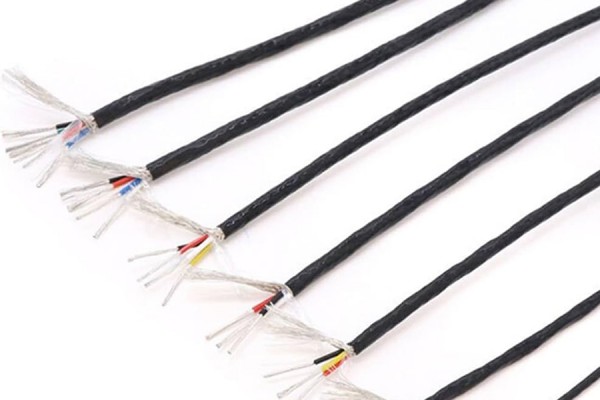
PTFE offers several important advantages in industrial applications. Its chemical resistance allows it to perform well in environments involving corrosive substances, which reduces the risk of equipment failure. This attribute is significant for industries such as chemical manufacturing and pharmaceuticals where material integrity is paramount. The low friction property of PTFE contributes to reduced wear and tear on machinery, leading to longer equipment lifespans and reduced maintenance costs. Furthermore, PTFE’s thermal stability protects against deformation or degradation under extreme temperatures. This makes it ideal for applications ranging from aerospace to automotive where reliability under heat exposure is critical. Another important aspect is its electrical insulation capabilities; PTFE film can effectively prevent electrical shorts, making it essential for electrical components and wiring. With these benefits, PTFE proves to be a versatile material that meets the diverse needs of various industrial sectors while enhancing efficiency and safety.

PTFE Film for Electrical Insulation
PTFE film excels in electrical insulation applications, thanks to its high dielectric strength and resistance to extreme temperatures. It maintains performance in environments ranging from -200℃ to +260℃ and can tolerate short bursts of heat beyond 300℃ without degrading. This thermal stability is important for preventing electrical failures in critical systems. The material’s low dielectric constant contributes to minimal signal loss, making it suitable for high-frequency data and communication applications. Furthermore, its chemical inertness ensures protection against moisture, dust, and harmful substances that can compromise electrical integrity. Industries such as aerospace and automotive rely on PTFE film for insulating wires and cables, ensuring durability and safety under demanding conditions. Its versatility allows for customization according to specific application needs, facilitating tailored solutions across various sectors.
Versatile gasketing solutions
PTFE film is an effective solution for gasketing in various industrial applications. Its unique characteristics, such as chemical resistance and thermal stability, make it an ideal choice for sealing environments that involve aggressive chemicals and extreme temperatures. The flexibility of PTFE film allows it to conform to irregular surfaces, ensuring a tight seal that minimizes leaks and enhances longevity. Users benefit from its low friction properties, which reduce wear on machinery over time. PTFE gasketing is particularly useful in industries that demand precise sealing, such as chemical processing and pharmaceuticals. Its inherent flame resistance adds an additional layer of safety, making it suitable for applications where fire hazards are a concern. As industries continue to evolve, the reliability of PTFE as a gasketing material remains important in ensuring operational efficiency and equipment protection.
Thermal stability of PTFE
PTFE exhibits remarkable thermal stability, allowing it to perform effectively over a wide temperature range from -200℃ to +260℃. This capability makes it suitable for various industrial applications where exposure to extreme temperatures is common. In critical environments like aerospace and automotive sectors, PTFE maintains its structural integrity even when subjected to brief spikes above 300℃. Its resistance to thermal degradation helps prevent the release of harmful byproducts, ensuring safer operation in sensitive applications. Furthermore, this stability reduces the risk of material failure, which can lead to costly downtimes and repairs. As industries increasingly prioritize reliable materials for high-temperature operations, PTFE’s thermal properties make it a preferred choice for insulation and protective solutions in demanding settings.
PTFE Film in Protective Solutions
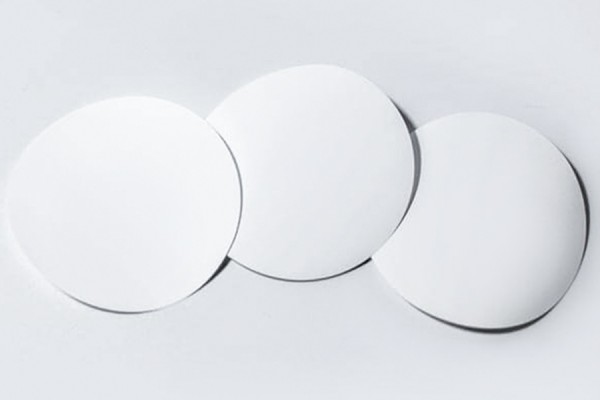
PTFE film serves a fundamental role in protective applications across various industries. Its non-stick properties prevent adhesion of contaminants, making it ideal for surfaces that require cleanliness and protection from chemical exposure. In the electronics sector, PTFE film safeguards sensitive components from environmental damage, ensuring reliability and longevity.
Furthermore, its low friction coefficient contributes to reducing wear and tear in moving parts, extending the lifespan of machinery. PTFE film is frequently employed as a liner in containers, protecting them from corrosive substances while maintaining the integrity of stored materials.
In construction and manufacturing processes, it is used to cover tools and equipment, providing a barrier against moisture and chemicals that could compromise function. The adaptability of PTFE film enables it to be customized for various thicknesses and widths, accommodating specific protective needs in differing environments.
Innovations in PTFE Usage
Recent advancements in PTFE technology have led to enhanced formulations that improve its functionality across various sectors. Manufacturers are developing modified PTFE that incorporates additives to boost properties like UV resistance and even more remarkable thermal stability. This innovation is especially beneficial in industries demanding exceptional performance under extreme conditions, such as aerospace and automotive applications. Moreover, the integration of nanotechnology in PTFE is enabling the creation of high-performance coatings that improve its non-stick and anti-corrosive attributes. These innovations are paving the way for new applications, such as advanced filtration systems and specialized sealing solutions, ultimately expanding the potential uses of PTFE film in high-stakes environments. The focus on research and development reflects a commitment to meeting evolving industry demands while ensuring superior product reliability.
Conclusion
PTFE film is an integral material in various industrial applications due to its unique properties that optimize performance and reliability. Its chemical resistance safeguards machinery and components in hostile environments, minimizing maintenance issues and prolonging service life. The material’s ability to withstand extreme temperatures ensures stable operations across diverse sectors, from aerospace to pharmaceuticals, where equipment failure could lead to significant losses. PTFE’s versatility extends to multiple applications, including electrical insulation and gasketing solutions, making it a preferred choice for many industries. Ongoing innovations continue to improve its capabilities, suggesting that PTFE film will maintain its important role in advancing industrial efficiency and safety.
FAQs
What are the primary applications of PTFE film?
PTFE film is primarily used in electrical insulation, gasketing solutions, and protective surface solutions across various industries.
How does PTFE film resist chemicals?
PTFE film features a unique molecular structure that allows it to remain inert in the presence of corrosive substances, ensuring its durability in harsh environments.
What temperature range can PTFE film withstand?
PTFE film can perform effectively in temperatures ranging from -200℃ to +260℃ and can endure short exposures to temperatures above 300℃ without degrading.
Is PTFE suitable for high-frequency electrical applications?
Yes, PTFE’s low dielectric constant minimizes signal loss, making it ideal for high-frequency data and communication systems.
What benefits does PTFE provide compared to other materials?
PTFE offers superior chemical resistance, low friction properties that reduce wear and tear on equipment, and excellent thermal stability for consistent performance.
Can PTFE film be customized for specific industrial needs?
PTFE film can be tailored in terms of thickness and width to meet the specific requirements of various applications within different industries.
How does PTFE’s non-stick property benefit industrial processes?
The non-stick characteristic prevents adhesion of contaminants on surfaces, simplifying cleaning and maintenance while enhancing the longevity of equipment.
What innovations are being explored for PTFE materials?
Recent advancements include modified formulations enhancing UV resistance and incorporating nanotechnology for improved non-stick properties and performance enhancements.