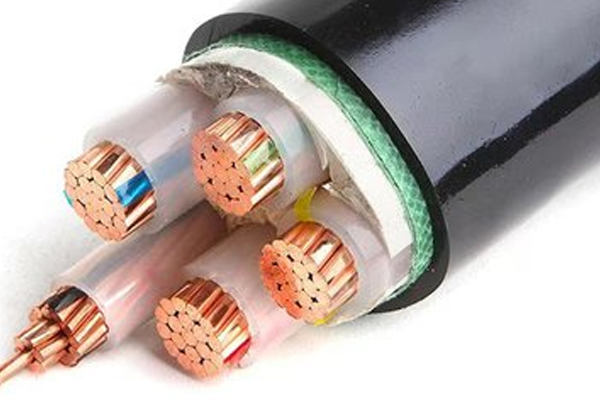
main Takeaways
PTFE high-speed cable film plays a vital role in modern data transmission, offering significant advantages that boost performance and reliability. Its low dielectric constant effectively reduces signal loss, ensuring that data integrity is maintained during transmission. The film’s robust electrical insulation properties prevent signal interference and short circuits, which is essential in high-frequency environments. Furthermore, PTFE’s resistance to extreme temperatures and moisture enhances its versatility, making it suitable for diverse applications from telecommunications to aerospace. Industries increasingly rely on these unique attributes as they seek to improve communication technologies and meet growing demands for speed and efficiency. The adaptability of PTFE cable film continues to support innovation across sectors, solidifying its status as a main component in next-generation data communication systems.
Transforming data transmission
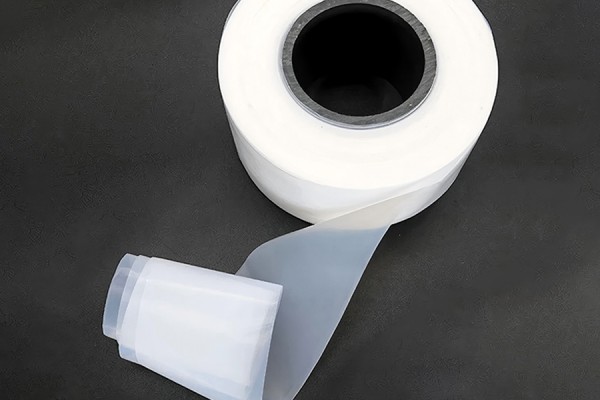
the evolution of data transmission technology hinges on materials like PTFE high-speed cable film. This new film has redefined signal integrity and speed in high-frequency environments. With features like low dielectric loss, PTFE wrapping film minimizes interference, allowing for seamless data flow essential for modern applications. The incorporation of high speed transmission line PTFE wrapping tape supports advancements in sectors ranging from telecommunications to aerospace.
"Using advanced materials like PTFE is important to meeting the increasing demands for speed and reliability in data transmission."
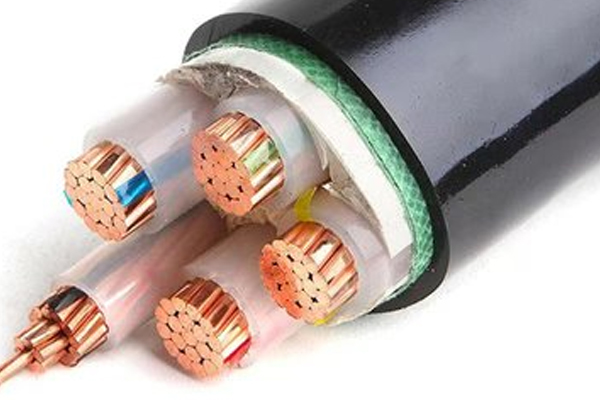
In addition, PTFE thread seal tape provides exceptional insulation and resistance to environmental factors, enhancing the performance of RF coaxial cables. Applications such as high-speed connection points leverage the advantages of PTFE cable wrapping tape to ensure that signals remain clear over long distances. By utilizing materials such as DAC high-speed cable wrapping film and AEC high-speed cable wrapping film, industries can achieve optimal performance in data-intensive operations while also benefiting from cost efficiencies associated with domestic alternatives.
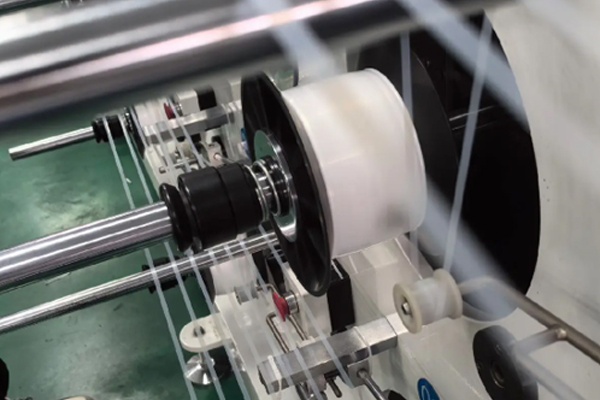
Unleashing PTFE Innovation
PTFE high-speed cable film introduces a significant shift in data transmission efficiency and reliability. Its unique structure provides low dielectric loss, which enhances the performance of high-frequency signals. This innovation not only facilitates faster data transfer rates but also improves the signal integrity over longer distances. PTFE’s inherent chemical resistance ensures that cables maintain performance in diverse environmental conditions, reducing the risk of signal degradation due to external factors. The tape’s lightweight nature contributes to ease of installation while supporting mobility and flexibility in applications ranging from telecommunications to aerospace. furthermore, with the growing demand for sophisticated communication technologies, PTFE cable film stands out as an essential material for meeting stringent industry standards, reaffirming its role in advancing modern electronic designs.
Benefits of PTFE Cable Film
PTFE high-speed cable film offers several advantages that significantly improve data transmission efficiency. Its low dielectric constant minimizes signal delay, ensuring messages travel quickly and accurately. The excellent electrical insulation properties of PTFE reduce the risk of signal leakage and short circuits, which enhances reliability in high-frequency communications. Its broad temperature range, from -200°C to +260°C, allows it to function well in extreme conditions, making it versatile for various applications. also, the film’s chemical inertness ensures that exposure to harsh environments does not compromise its integrity or performance. The inherent moisture resistance also contributes to consistent signal quality, which is important in damp surroundings where electrical performance might typically suffer. As demand for faster and more reliable data transmission grows, the unique characteristics of PTFE cable film position it as a important material in modern communication technologies.
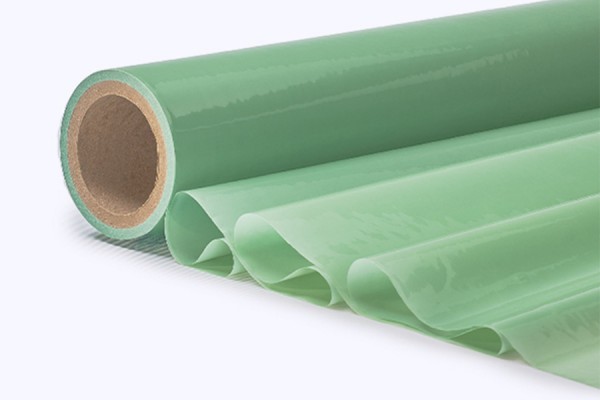
Advancing communication technologies
the rise of high-speed data transmission calls for original materials that meet the demanding needs of modern communication technologies. PTFE high-speed cable film plays an essential role in this transformation. Its low dielectric constant significantly reduces signal loss, allowing for faster data transfer rates, which is important in environments where real time communication is needed. As industries adopt more sophisticated electronics, the demand for reliable insulation materials becomes paramount. PTFE’s excellent electrical insulation properties protect against signal interference, ensuring clarity in communications. With applications ranging from telecommunications to aerospace, PTFE cable film meets various industry standards while providing flexibility under extreme conditions. This adaptability makes it an attractive choice as the world moves closer to the adoption of advanced technologies such as AI and 5G networks. The evolving situation of communication relies heavily on materials like PTFE that promise not only efficiency but also longevity in performance across diverse applications.
Applications in High-Frequency Settings
PTFE high-speed cable films are essential in various high-frequency settings, primarily due to their superior electrical insulation and low dielectric constant. In microwave communication, these films provide optimal insulation for RF coaxial cables, enhancing signal integrity by reducing losses during transmission. Their stable performance under temperature fluctuations makes them suitable for extreme conditions often encountered in data centers and telecommunications infrastructure.
furthermore, PTFE films play a critical role in automotive and aerospace applications, where reliable data transmission is vital for advanced driver-assistance systems and avionics. The lightweight nature of PTFE allows for more efficient cable designs without compromising flexibility or durability. As technology evolves, these materials are increasingly utilized in high-frequency circuits within AI servers and semiconductors, addressing the rising demand for faster data processing capabilities while supporting innovations in various sectors.
Enhancing signal quality
PTFE high-speed cable film significantly improves signal quality in data transmission. Its low dielectric constant minimizes signal attenuation, making it highly effective for high-frequency applications. This ensures that data remains intact over longer distances without degradation. also, the film’s excellent electrical insulation properties prevent short circuits and signal leakage, which is important in maintaining the integrity of communication lines.
The hydrophobic nature of PTFE also contributes to stable performance under varying humidity conditions. When signals travel through environments with moisture, traditional materials often suffer from increased losses; however, PTFE cable films resist these impacts, ensuring consistent signal clarity. In sectors such as telecommunications and aerospace, where reliability is paramount, using PTFE cable film guarantees that signals maintain their quality and strength.
Moreover, advancements in modified PTFE materials have bolstered their creep resistance and temperature stability. This is especially important in high-frequency circuits where heat generation can alter performance metrics. Collectively, these attributes position PTFE high-speed cable films as a preferred choice for enhancing the overall quality of data transmission systems across diverse applications.
main Features of PTFE Film
PTFE film is characterized by its low dielectric constant, offering minimal signal loss during transmission. This property is main for high-speed data applications where efficiency is paramount. The material maintains robust electrical insulation properties, safeguarding against short circuits and ensuring signal integrity. With a stable performance range from -200°C to +260°C, PTFE film adapts well to varied environmental conditions, providing reliability across a spectrum of applications.
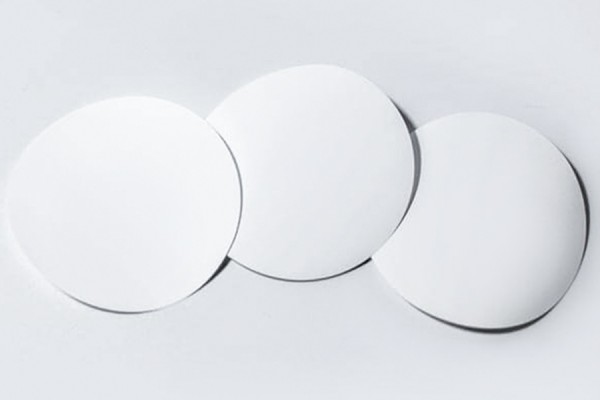
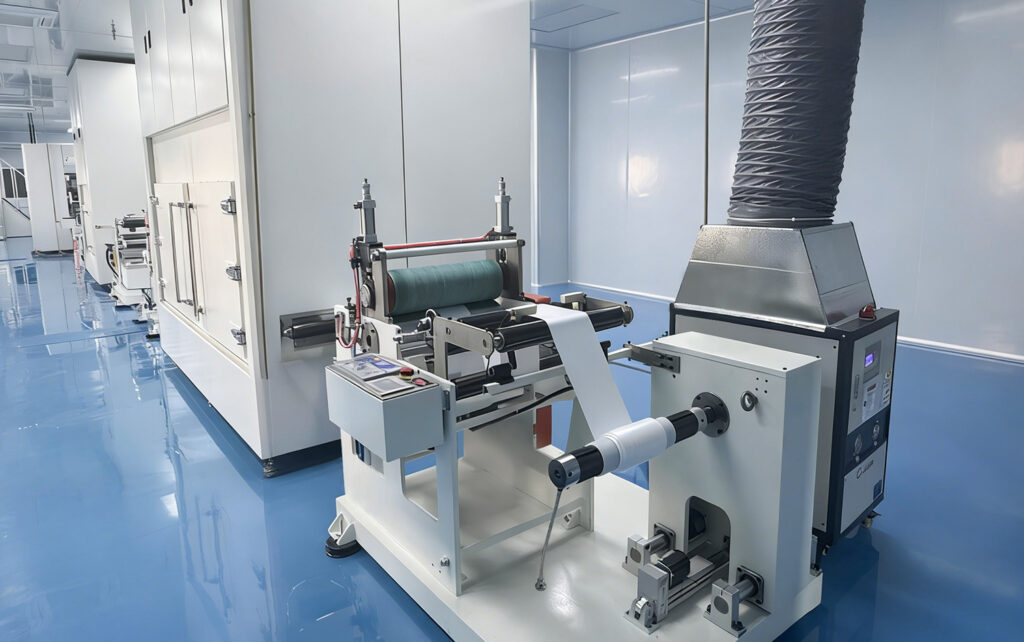
The film’s exceptional chemical resistance protects against corrosive elements, extending the lifespan of cables utilizing this material. Its hydrophobic nature helps maintain consistent electrical performance even in humid locations, which is critical for high-frequency transmissions. Furthermore, PTFE film undergoes meticulous processing to ensure a refined microporous structure that contributes to its overall effectiveness in reducing capacitance in cables. These features position PTFE film as a leading choice for modern high-speed communication technologies, presenting manufacturers with opportunities to improve their product performance and durability in competitive markets.
Support for Rapid Data Transfer
PTFE high-speed cable film significantly improves data transfer efficiency. Its low dielectric constant plays a vital role in minimizing signal loss, which is essential for maintaining the integrity of high-frequency signals. This attribute ensures fast and reliable communication, critical in sectors requiring quick data exchange, such as telecommunications and data centers. The tape’s excellent electrical insulation characteristics prevent short circuits, further supporting consistent performance during intense operational demands. also, the broad temperature tolerance of PTFE ensures that these cables can function optimally in various environments without performance degradation. The hydrophobic nature of the material also protects against moisture-related issues, contributing to uninterrupted data flow. As demand for high-speed connections grows, particularly in AI and server applications, PTFE cable film emerges as an indispensable resource for industries striving to meet evolving communication needs. Its ability to adapt to rigorous requirements positions it as a cornerstone in supporting rapid data transfer technologies.
Conclusion
PTFE high-speed cable film is foundational to the ongoing improvement of data transmission. Its exceptional properties, including low dielectric loss and excellent insulation, play a main role in optimizing signal performance across various high-frequency applications. As organizations increasingly rely on faster and more reliable communication systems, the demand for materials that uphold effectiveness and durability becomes even more pronounced. PTFE cable film not only meets these challenges but also adapts to extreme environmental conditions, ensuring signal clarity remains intact. Its integration within telecommunications, aerospace, and other sectors illustrates its versatility and importance in advancing technology. The continued development of PTFE materials promises even greater enhancements, solidifying their role in shaping future communication infrastructures.
FAQs
What is PTFE high-speed cable film?
PTFE high-speed cable film is a specialized material designed to boost data transmission by minimizing signal loss, ensuring reliable performance in high-frequency applications.
What are the benefits of using PTFE cable film?
The benefits include low dielectric loss, excellent electrical insulation, chemical resistance, broad temperature range capabilities, and moisture resistance, which collectively improve signal integrity.
In what industries is PTFE high-speed cable film used?
It is used in telecommunications, aerospace, automotive applications, and various sectors requiring rapid and reliable data transmission.
How does PTFE film improve signal quality?
PTFE film enhances signal quality by minimizing attenuation and preventing interference through its excellent insulation properties, ensuring clear communication over long distances.
Can PTFE cable film withstand extreme conditions?
Yes, PTFE cable film can operate effectively in temperatures ranging from -200°C to +260°C and maintains stability even under variable humidity conditions.