Key takeaways
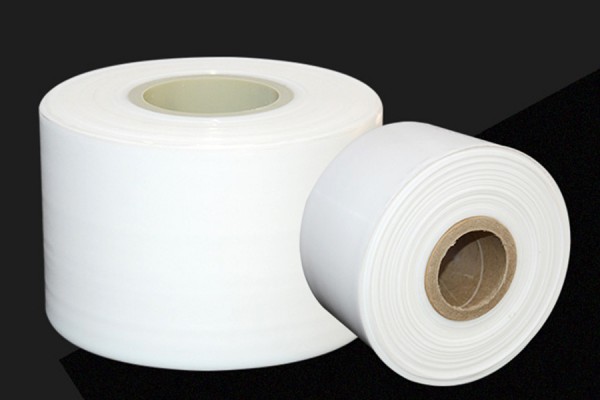
PTFE membranes serve as a cornerstone in advanced filtration and insulation applications across various industries. Their high filtration efficiency ensures optimal performance, effectively capturing particles as small as 0.3 micrometers while facilitating the passage of gases. This characteristic is particularly vital in industries such as pharmaceuticals and electronics, where cleanliness is essential. Furthermore, the chemical resistance of PTFE makes it an ideal choice for environments with aggressive substances, promoting long-lasting performance and reducing maintenance downtime. The thermal stability of PTFE membranes allows them to function effectively under extreme temperature conditions, ensuring their reliability in critical processes. Additionally, their versatility enables customization to fit specific industrial needs, from thickness adjustments to pore size variations. This adaptability not only enhances operational efficiency but also supports innovation within the filtration and insulation technology landscape. Overall, the unique properties of PTFE membranes position them as vital components in modern industrial applications, addressing specific challenges while safeguarding product integrity.
Applications of PTFE Membranes in Filtration
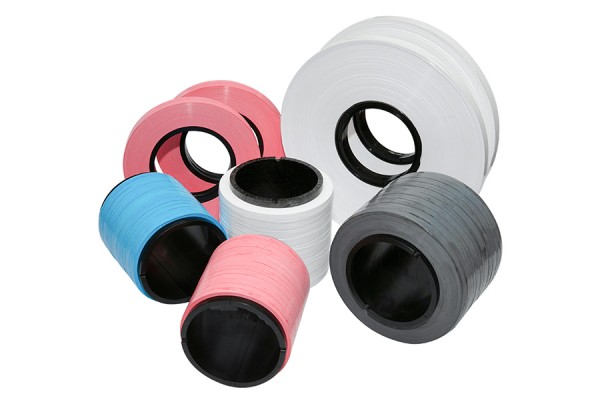
PTFE membranes have become essential in various filtration applications due to their exceptional properties. They exhibit high filtration efficiency, effectively removing particles as small as 0.3 micrometers, making them ideal for industries requiring stringent cleanliness standards. The microporous structure of PTFE allows for efficient gas exchange while blocking liquid contaminants and dust, ensuring reliable performance in critical environments. In advanced filtration systems, these membranes are often utilized in combination with other products like PTFE wrapping film and PTFE cable wrapping tape. Their chemical resistance further enhances their suitability for challenging industrial applications where exposure to aggressive substances is common. Furthermore, the integration of innovative solutions such as DAC high-speed cable wrapping film and AEC high-speed cable wrapping film ensures that insulation remains effective while maintaining the integrity of filtration processes. Overall, the versatility and performance of PTFE membranes position them as a fundamental component in modern filtration technologies across various sectors.
Exceptional properties of PTFE Membranes
PTFE membranes exhibit several remarkable properties that enhance their suitability for both filtration and insulation applications. Their unique microporous structure allows for efficient gas exchange while effectively preventing the passage of liquids, which is critical in various industrial settings. The chemical resistance of PTFE is noteworthy, as it withstands aggressive substances without degrading, making it ideal for harsh environments. Additionally, these membranes possess remarkable thermal stability, enabling them to maintain their integrity across a wide temperature range. The ability to customize thickness and pore size further enhances their versatility, allowing them to meet specific needs in diverse applications. With filtration efficiencies exceeding 99.99% for particles as small as 0.3 micrometers, PTFE membranes are essential in ensuring high-performance standards in semiconductor manufacturing and other advanced industries. Their hydrophobic properties are also significant; they repel water while remaining accessible for air and other gases, providing a balanced solution for numerous operational demands.
High filtration efficiency of PTFE
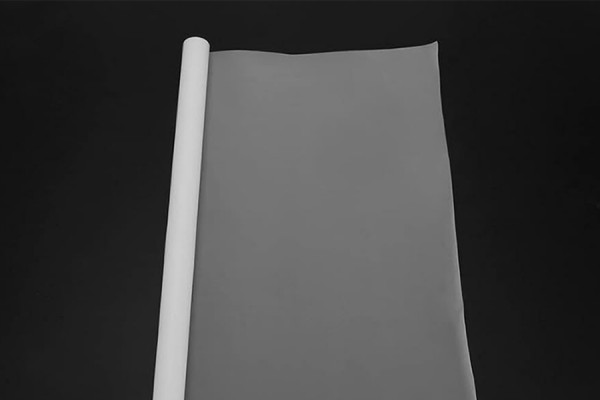
PTFE membranes demonstrate remarkable filtration efficiency, making them suitable for a variety of industrial applications. With the ability to achieve filtration rates of over 99.99% for particles as small as 0.3 micrometers, these membranes effectively capture contaminants while allowing gases and vapors to pass through unhindered. This high performance can be attributed to the unique microporous structure of PTFE, which creates numerous small pores that facilitate selective permeability. The result is an efficient barrier against liquids and particulates, ensuring clean and reliable processes in sectors such as pharmaceuticals, electronics, and biotechnology.
Furthermore, PTFE membranes maintain their efficacy across a wide range of temperatures and chemical environments. Their stable properties in both harsh and gentle conditions render them invaluable in generating high-purity outputs. Many industries rely on these membranes not just for their filtration capabilities but also for their durability over time, which reduces the need for frequent replacements and maintenance. By integrating PTFE membranes into filtration systems, companies can enhance operational reliability while minimizing downtime caused by filter changes.
Chemical resistance in PTFE Membranes
PTFE membranes demonstrate outstanding chemical resistance, which makes them suitable for a wide range of challenging environments. They are highly resistant to acids, bases, and solvents, ensuring their durability and functionality in various applications. This resilience stems from the unique molecular structure of PTFE, which allows it to withstand corrosive substances without degrading or losing efficacy. Furthermore, this property enables PTFE membranes to maintain their performance over extended periods, even when exposed to harsh chemicals and high temperatures. Industries such as pharmaceuticals, food processing, and electronics benefit from this characteristic as it guarantees reliable filtration and insulation solutions. The ability to resist chemical attacks not only prolongs the lifespan of the membranes but also safeguards the integrity of the processes they are involved in.
PTFE Membranes for Industrial Use
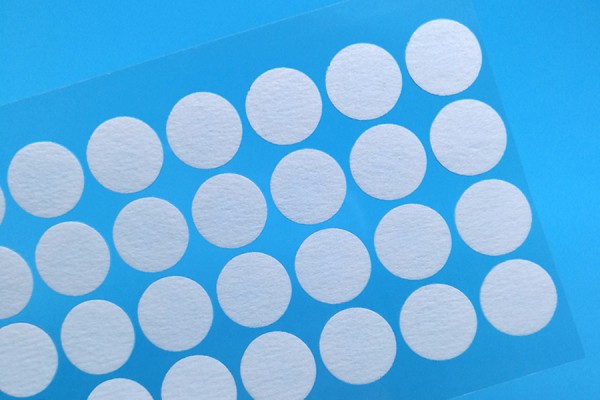
PTFE membranes are widely utilized in various industrial applications due to their distinct advantages. Their high filtration efficiency and ability to withstand harsh chemical environments make them particularly suitable for processes in sectors such as pharmaceuticals, food and beverage, and electronics manufacturing. The membranes effectively filter out contaminants while enduring exposure to aggressive solvents and chemicals, ensuring the purity of products. Additionally, these membranes exhibit excellent thermal stability, permitting their use in extreme temperature conditions without compromising integrity or performance. Industries benefit from the versatility of PTFE membranes, which can be produced in different forms like sheets or rolls to align with specific process requirements. This adaptability supports a range of functions from water purification systems to air filtration units, contributing to operational efficiency and reliability in production lines.
Innovative insulation solutions with PTFE
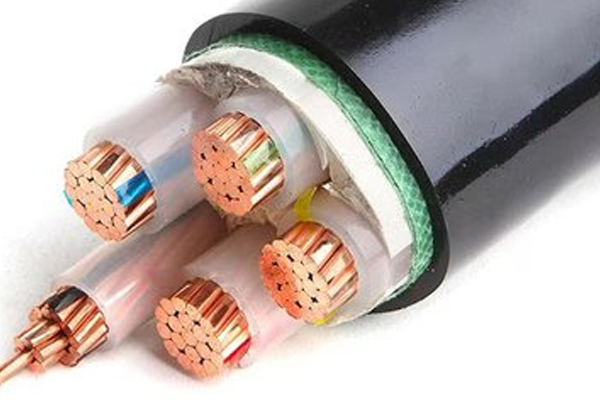
PTFE membranes offer innovative insulation solutions due to their unique physical and chemical properties. Their exceptional temperature resistance enables them to maintain integrity in extreme conditions, making them suitable for applications where other materials may fail. The low thermal conductivity of PTFE helps reduce energy loss in equipment and insulating layers, enhancing overall system efficiency. Additionally, the hydrophobic nature of PTFE membranes prevents moisture ingress, thereby protecting sensitive components from potential damage caused by humidity or condensation. This makes PTFE particularly useful in environments prone to high moisture levels or exposure to aggressive chemicals. Moreover, the flexibility of PTFE allows for versatile installation methods, such as adhesive backing or thermal bonding. These characteristics collectively position PTFE membranes as a key player in insulation solutions for industries like semiconductors and energy production, where reliable and effective thermal management is crucial.
Benefits of Using PTFE in Filtration
PTFE membranes offer several advantages in filtration applications. Their high filtration efficiency ensures that even the smallest particles, down to 0.3 micrometers, are effectively captured, making them suitable for critical processes requiring precision. The chemical resistance of PTFE allows it to function reliably in harsh environments, where exposure to corrosive substances might degrade other materials. This property not only enhances the longevity of the membranes but also reduces the frequency of replacement, leading to cost savings over time. Additionally, the microporous structure of PTFE facilitates excellent gas exchange while preventing liquid water ingress, making it ideal for applications requiring both air permeability and liquid barrier properties. Such flexibility makes PTFE membranes suitable for diverse industries, including pharmaceuticals and food processing, where contamination control is paramount. The ability to customize thickness and pore size further tailors these membranes to specific filtration requirements, underscoring their adaptability in various industrial settings.
Versatile applications of PTFE Membranes
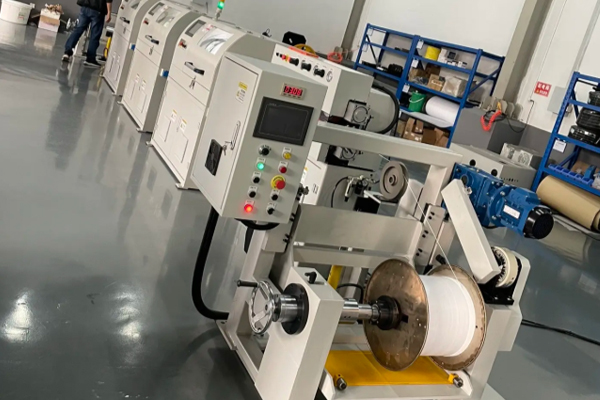
PTFE membranes are widely utilized in diverse sectors due to their unique properties. In the filtration industry, these membranes are essential for separating particles from liquids and gases, ensuring high quality output in processes like water treatment and air filtration. Their ability to maintain high filtration efficiency while operating under extreme conditions makes them suitable for critical applications, such as pharmaceutical and food processing industries, where cleanliness and safety are paramount.
Moreover, PTFE membranes serve as insulation materials in various electrical and electronic applications. Their excellent dielectric properties protect sensitive components from environmental exposure while providing thermal stability. This capability is particularly beneficial in industries like semiconductor manufacturing, where reliable insulation is crucial for maintaining performance under harsh conditions.
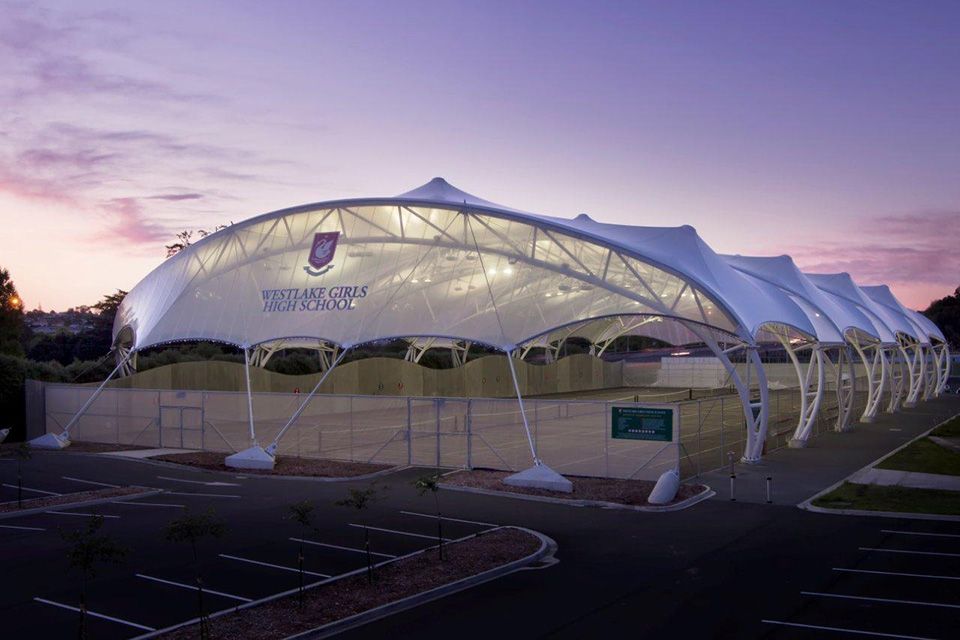
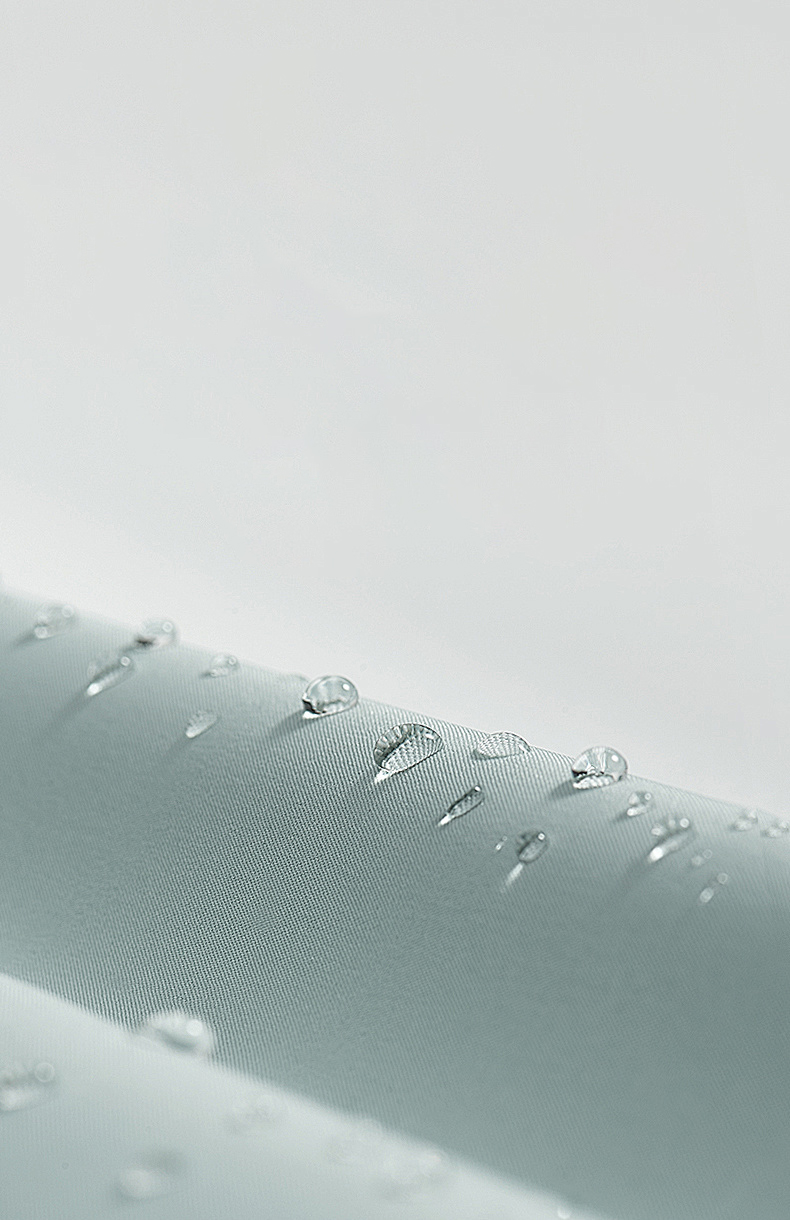
In addition to industrial applications, PTFE membranes are finding new uses in consumer products. For instance, they are employed in outdoor gear due to their waterproof yet breathable characteristics, enhancing the longevity and functionality of items such as jackets and tents. This adaptability illustrates the broad appeal of PTFE membranes across different fields, making them a key component in advancing both filtration and insulation solutions.
Conclusion
PTFE membranes play a vital role in advanced filtration and insulation solutions across various industries. Their unique properties, including high filtration efficiency and significant chemical resistance, make them indispensable in environments where precision and reliability are essential. As industries continue to evolve, the versatility of PTFE membranes will enable their integration into new applications and technologies, supporting enhanced performance standards. The ongoing development of innovative products that utilize PTFE will likely pave the way for advancements in both filtration processes and insulation methods, ultimately improving operational efficiencies. By leveraging these membranes’ exceptional characteristics, organizations can address specific challenges within their respective fields while safeguarding product integrity. The continued research and application of PTFE membranes signify their crucial importance in the future of industrial practices.
FAQs
What are PTFE membranes used for?
PTFE membranes are primarily used in advanced filtration and insulation applications across various industries, including pharmaceuticals, food processing, electronics, and semiconductor manufacturing.
How does the chemical resistance of PTFE membranes benefit industrial applications?
The chemical resistance of PTFE membranes allows them to function effectively in environments exposed to aggressive chemicals, ensuring long-lasting performance and reducing the need for frequent replacements.
What makes PTFE membranes efficient for filtration?
PTFE membranes achieve high filtration efficiency, capturing over 99.99% of particles as small as 0.3 micrometers while allowing gases and vapors to pass through seamlessly.
Can PTFE membranes withstand extreme temperatures?
Yes, PTFE membranes have excellent thermal stability and can maintain their integrity in extreme temperature conditions, making them suitable for various industrial processes.
Are PTFE membranes customizable for specific applications?
PTFE membranes can be customized in terms of thickness and pore size to meet specific filtration or insulation requirements across diverse industrial uses.