Key takeaways
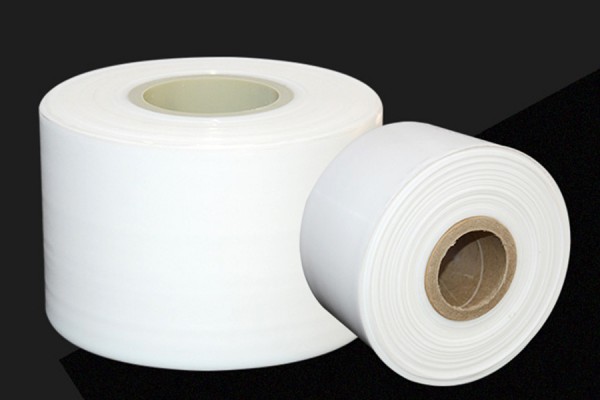
ePTFE membranes are integral to a variety of applications in filtration and protection, attributed to their distinctive properties. Their microporous structure enables high filtration efficiency while preventing moisture and particle ingress, making them essential in industries such as pharmaceuticals and food processing. The membranes’ chemical resistance is a significant advantage, allowing them to operate effectively in challenging environments, which is crucial for maintaining equipment integrity. Furthermore, their ability to withstand extreme temperatures adds another layer of functionality, as they perform reliably under diverse conditions. Industries benefit from the versatility of ePTFE membranes, which promote operational efficiency and ensure the protection of sensitive equipment against contaminants. This combination of attributes underscores the relevance of ePTFE technology in modern applications, reinforcing its role as a vital material across various sectors.
Applications of ePTFE Membranes in Filtration
ePTFE membranes are widely used in filtration applications due to their unique properties. Their microporous structure allows for efficient separation of particles while preventing the passage of liquids. This characteristic makes ePTFE membranes suitable for use in various industries, including pharmaceuticals, food and beverage processing, and environmental monitoring. In the pharmaceutical sector, these membranes ensure sterile filtration of solutions, while in food processing, they help maintain product purity by filtering out contaminants.
Furthermore, ePTFE membranes are ideal for applications requiring high levels of chemical resistance. Their chemical inertness allows them to be used in harsh environments without degrading or affecting the materials being processed. For instance, in industrial filtration systems, ePTFE membranes can effectively filter acids and solvents without loss of performance.
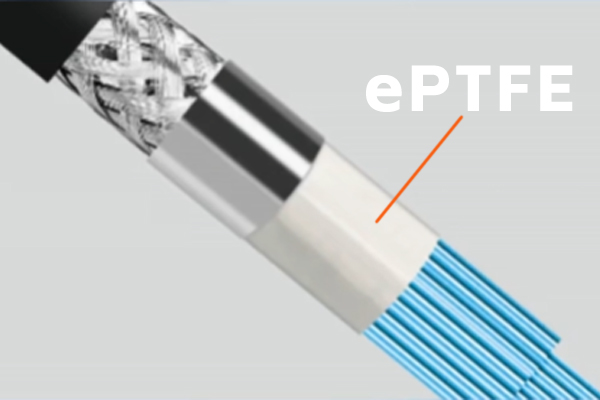
Additionally, the integration of ePTFE technology improves filtration efficiency in systems utilizing PTFE wrapping film and tape products such as PTFE Thread Seal Tape or PTFE cable wrapping tape. These products play a crucial role in providing durability and reliability under challenging conditions. Overall, the versatility of ePTFE membranes extends their functionalities significantly across multiple applications in filtration technologies.
Benefits of ePTFE in Protective Solutions
ePTFE membranes offer significant advantages in protective applications due to their unique material properties. Their hydrophobic nature effectively repels water while allowing gases to pass, making them ideal for equipment that requires ventilation without exposure to moisture. This property is critical in environments where moisture can lead to corrosion or damage. Additionally, ePTFE’s chemical inertness ensures compatibility with various aggressive substances, providing reliable protection for sensitive components. The high-temperature resistance of ePTFE allows it to maintain functionality under extreme conditions, protecting equipment from thermal degradation. Furthermore, the lightweight and flexible nature of these membranes facilitates easier integration into different systems and structures, enhancing overall design efficiency. The combination of these beneficial traits results in reliable performance across numerous industries, including electronics and pharmaceuticals, where safeguarding sensitive equipment against contaminants is essential for operational integrity.
Unique properties of ePTFE Membranes
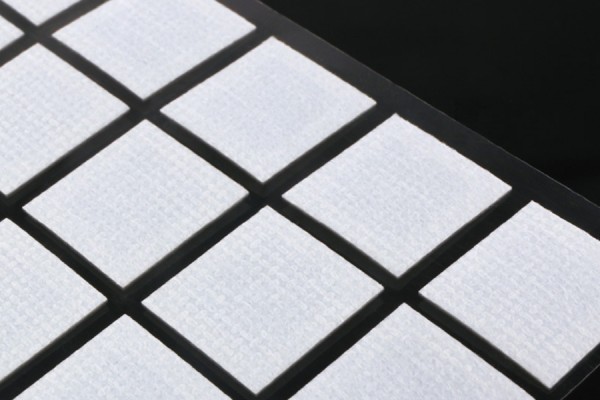
ePTFE membranes possess several distinguishing characteristics that make them highly effective for filtration and protection. Their microporous structure enables efficient gas exchange while preventing the passage of liquid water and particulate matter. This unique design allows ePTFE membranes to perform well in diverse environmental conditions, effectively blocking contaminants without compromising airflow. Furthermore, ePTFE is chemically inert, which means it can withstand exposure to various chemicals, acids, and solvents without degradation. This property is crucial for applications in industries where harsh substances are prevalent. Additionally, ePTFE membranes exhibit exceptional thermal stability, operating effectively over a wide temperature range from -200°C to +260°C. This thermal resilience is complemented by their low thermal shrinkage rates, ensuring minimal dimensional changes when exposed to heat. The combination of these unique properties grants ePTFE membranes versatility across various applications, making them ideal for safeguarding sensitive equipment and ensuring efficient filtration processes in numerous sectors.
ePTFE Membranes in Industrial Use
ePTFE membranes find extensive application in various industrial sectors due to their unique properties. In the pharmaceutical industry, they serve as critical components in filtration systems, ensuring the purity and safety of products by effectively removing contaminants. These membranes have also gained popularity in environmental monitoring, where they facilitate the filtration of air and liquids, helping to maintain compliance with environmental regulations.
Additionally, ePTFE membranes are utilized in the food and beverage industry for their non-toxic nature and resistance to microbial growth, making them ideal for ensuring safe and clean production processes. In the electronics sector, these membranes provide insulation and protection against moisture ingress, essential for maintaining the integrity of sensitive electronic components. Their versatility extends to automotive applications as well, where they are used in fuel filtration systems to improve performance and reliability.
Overall, the adoption of ePTFE membranes across industries underscores their capacity to meet diverse filtration and protection needs while enhancing operational efficiency and product safety.
Enhancing filtration with ePTFE Technology
ePTFE technology significantly improves filtration processes across various applications. Its unique microporous structure allows for efficient gas exchange while effectively blocking liquid water and particulate matter. This functionality is crucial in settings requiring high filtration efficiency, such as in laboratory environments and industrial processes. With a filtration efficiency of 99.99% at 0.3 µm particles, ePTFE membranes prove essential for industries that demand stringent contaminant control. Additionally, the material’s broad operating temperature range from -200°C to +260°C ensures reliable performance under extreme conditions. The flexibility of ePTFE also facilitates easy customization of membrane dimensions and configurations, enabling optimized solutions tailored to specific systems or equipment requirements. By employing ePTFE membranes, industries can achieve enhanced durability and maintain the integrity of sensitive equipment, leading to improved operational efficiency and reduced downtime due to contamination issues. The combined benefits of effective filtration and robust material properties firmly position ePTFE technology as a valuable asset in modern filtration solutions.
ePTFE Membranes for Equipment Safety
ePTFE membranes play a critical role in ensuring the safety of sensitive equipment across various industries. Their unique microporous structure allows for effective gas exchange while blocking moisture and contaminants that could compromise equipment functionality. This characteristic makes them ideal for applications in environments where exposure to liquids or dust is a concern. Moreover, the chemical inertness of ePTFE provides resistance to acids and harsh chemicals, further protecting critical components from degradation.
Additionally, ePTFE membranes can withstand extreme temperatures, ranging from -200°C to +260°C. This temperature resilience makes them suitable for use in demanding applications like semiconductor packaging and battery module insulation. The membranes can also maintain their performance under varying environmental conditions, ensuring long term reliability.
By incorporating ePTFE membranes into equipment design, manufacturers can create protective barriers that enhance operational safety while reducing maintenance needs. Overall, these membranes are indispensable in promoting the longevity and performance of vital machinery and equipment.

Versatility of ePTFE in Various Industries
ePTFE membranes find wide-ranging applications across numerous industries due to their unique properties. In medical settings, they serve as effective barriers, ensuring contamination-free environments while allowing necessary gas exchange. The pharmaceutical industry benefits from ePTFE’s ability to provide sterile filtration for critical processes. In the environmental sector, their chemical resistance makes them suitable for air and water filtration systems that tackle pollutants and hazardous materials.
Even in the automotive industry, ePTFE membranes contribute to durability and protection within various components, safeguarding sensitive systems from moisture and dust. Their role in electronics cannot be overlooked; they protect critical circuits and components in devices by preventing dust ingress while permitting cooling gases to flow unhindered. The versatility of ePTFE is evident as it seamlessly adapts to requirements in diverse applications, confirming its status as a valuable material across multiple sectors.
Understanding ePTFE Membrane Performance
ePTFE membranes exhibit remarkable performance characteristics that make them suitable for a variety of applications. Their microporous structure allows for efficient gas exchange while effectively blocking the passage of liquids and particulate matter. This unique ability ensures high filtration efficiency, with many ePTFE membranes reaching efficiencies of 99.99% at particle sizes of 0.3 micrometers. The versatility of these membranes is further enhanced by their ability to maintain performance across a wide temperature range, from -200°C to +260°C, making them ideal for extreme conditions often encountered in industrial settings.
Moreover, ePTFE membranes demonstrate excellent chemical resistance, which is crucial for applications involving harsh environments or corrosive substances. This durability contributes to their longevity and reliability in protective solutions, especially when safeguarding sensitive equipment from contamination. As industries increasingly seek materials that provide both resilience and efficiency, ePTFE membranes represent a key solution in various sectors, ranging from semiconductor manufacturing to environmental protection. Their unique properties contribute significantly to their performance and adaptability in real-world applications.
Conclusion
ePTFE membranes provide unparalleled advantages across a range of applications in filtration and protection. Their microporous structure and chemical resistance make them essential in industries such as pharmaceuticals, food processing, and environmental monitoring. By effectively filtering contaminants while allowing necessary gases to pass through, ePTFE membranes enhance operational efficiency and ensure equipment safety. The ability of these membranes to perform reliably over an extensive temperature range further solidifies their role as a critical material in demanding environments. As industries continue to evolveand face new challenges, the versatility and unique properties of ePTFE membranes will remain pivotal in developing innovative solutions that address specific filtration and protection needs, ensuring sustainable practices across sectors.
FAQs
What are ePTFE membranes?
ePTFE membranes are highly versatile filtration materials made from expanded polytetrafluoroethylene, characterized by their microporous structure.
How do ePTFE membranes enhance filtration efficiency?
Their unique design allows ePTFE membranes to achieve high filtration efficiency by blocking particles and liquids while permitting gas exchange.
In which industries are ePTFE membranes commonly used?
ePTFE membranes are widely used in industries such as pharmaceuticals, food and beverage processing, electronics, and environmental monitoring.
What benefits do ePTFE membranes provide for equipment safety?
ePTFE membranes offer protection against moisture and contaminants, ensuring the reliability of sensitive equipment in demanding environments.
Can ePTFE membranes withstand extreme temperatures?
Yes, ePTFE membranes maintain functionality across a wide temperature range, from -200°C to +260°C, making them suitable for various applications.