
main Takeaways
Teflon film emerges as a critical material with extensive applications across numerous industries. Its properties, including low friction and high chemical resistance, significantly boost operational efficiency and product lifespan. By minimizing wear and tear in machinery, Teflon film contributes to smoother operations while reducing maintenance expenditures. Various sectors, such as automotive and aerospace, leverage its durability to ensure reliable performance in challenging environments. Moreover, Teflon film’s ability to withstand extreme temperatures makes it suitable for demanding applications where performance consistency is important. This versatility not only aids in safeguarding sensitive components but also boosts overall productivity by allowing for faster processing times in manufacturing. As industries increasingly recognize the advantages of integrating Teflon film into their processes, its role in supporting technological advancements and improving manufacturing standards will continue to expand.
Applications of Teflon Film in Manufacturing
Teflon film plays a significant role in various manufacturing processes, primarily due to its unique properties. Its low friction surface significantly reduces wear and tear in machinery, leading to improved operational efficiency. This is especially true in applications utilizing high-speed transmission line PTFE wrapping tape, which ensures that components maintain integrity even under rigorous conditions. also, PTFE wrapping film is highly effective for applications requiring resistance to chemicals and high temperatures. In the realm of cable management, products like PTFE cable wrapping tape and PTFE cable roll coating are essential for safeguarding wires against abrasion and environmental factors. Industries often leverage DAC high-speed cable wrapping film or AEC high-speed cable wrapping film for electrical insulation, ensuring reliable performance over time. The durability of Teflon film translates into lower maintenance costs and longer lifespans for machinery, making it a main asset across manufacturing sectors. Overall, Teflon film enhances product reliability while streamlining production processes.
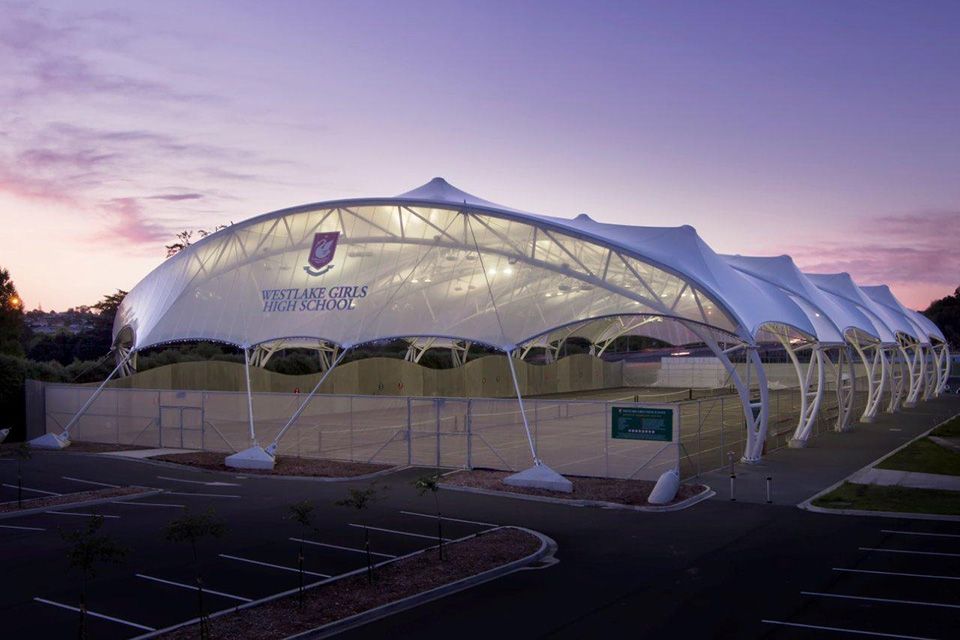
Teflon film’s Role in Reducing Friction
Teflon film, known for its unique properties, plays a vital role in reducing friction across various applications. Its low coefficient of friction enables smoother movement between components, minimizing wear and tear on machinery. In automotive settings, for instance, Teflon film is often applied at wheel attachment points to create a slick surface between the wheel’s inner hub and the underlying materials. This characteristic effectively decreases resistance, enhancing overall vehicle performance. furthermore, Teflon film is utilized in packaging and processing industries. It acts as a lining material that prevents sticking during production processes, which translates to more efficient operations and reduced downtime. The versatility of Teflon film extends to electrical applications, where its insulating properties further mitigate friction-related issues. By integrating Teflon film into designs, manufacturers can achieve significant improvements in durability and reliability across numerous sectors.
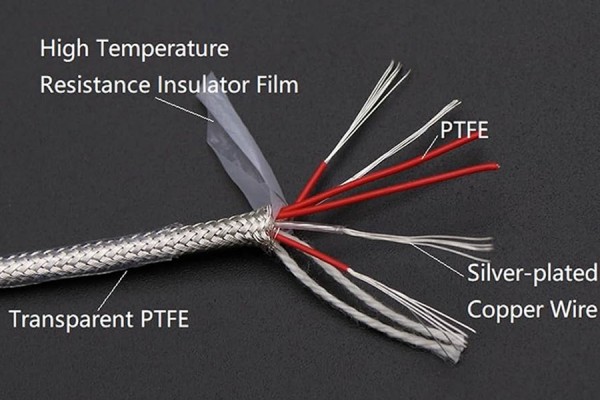
Enhancing performance with Teflon Film
Teflon film plays a main role in improving the performance of various equipment and machinery across different industries. Its low friction properties minimize wear and tear, ensuring smooth operation when in contact with other surfaces. In automotive applications, Teflon film reduces friction at wheel attachment points, which aids in enhancing the vehicle’s overall efficiency. Furthermore, its resistance to chemicals and extreme temperatures enhances product reliability, making it suitable for use in harsh environments. In the manufacturing arena, Teflon film contributes to higher productivity by allowing for faster speeds and smoother processes during fabrication. This unique film also reduces energy consumption by lowering the energy required for movement and operation. By ensuring that machinery functions efficiently, Teflon film not only improves performance but also extends the lifespan of components, leading to less downtime and reduced maintenance costs over time.
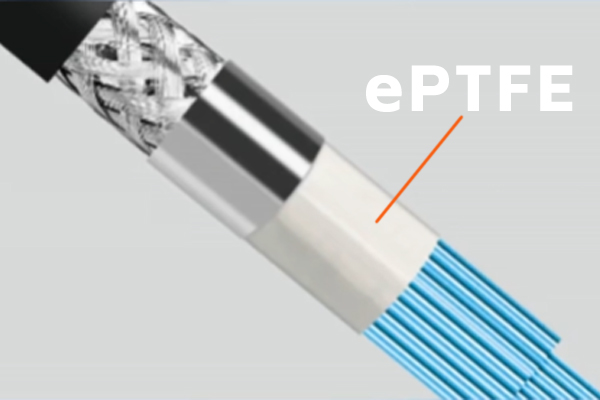
Durability benefits of Teflon Film
Teflon film is highly regarded for its remarkable durability across various applications. It exhibits outstanding chemical resistance, making it suitable for environments where exposure to harsh substances is inevitable. This resistance helps maintain the film’s integrity, ensuring that it does not degrade over time. furthermore, Teflon film is known for its high-temperature endurance, capable of withstanding extreme heat without losing its structural properties. This characteristic is especially helpful in sectors such as manufacturing and technology, where consistent performance under stress is important. The durability of Teflon film translates into prolonged service life for components, reducing the need for frequent replacements and maintenance. As a result, industries benefit from increased operational efficiency and reduced downtime associated with repairs or part failures. The lasting quality of Teflon film not only fosters reliability but also enhances overall productivity in various settings.
Teflon film in Technology Sectors
Teflon film plays a significant role in various technology sectors, owing to its unique properties. In electronics, Teflon is utilized for insulation in wires and cables due to its excellent dielectric strength and low friction characteristics. These features ensure efficient performance while preventing wear and tear that could lead to malfunctions. In the field of aerospace, Teflon film reduces friction between moving parts, enhancing the overall efficiency of aircraft mechanisms. furthermore, its resistance to extreme temperatures makes it ideal for applications in engines and other critical components. Moreover, the chemical resistance of Teflon allows it to be used in laboratory settings, where it protects equipment from corrosive substances. This versatility highlights Teflon film as a vital material across multiple high-tech applications, contributing to improvements in equipment longevity and performance across the board.
Impact of Teflon Film in Industrial Settings
Teflon film plays a significant role in enhancing various industrial applications. Its unique non-stick properties effectively reduce friction between surfaces, which is essential in manufacturing processes. For example, in assembly lines, Teflon film is often used to coat machinery parts, minimizing wear and improving longevity. This results in less downtime for maintenance, ultimately boosting productivity levels. Moreover, its resistance to high temperatures and chemicals makes it useful in food processing and pharmaceuticals, where cleanliness and durability are vital. also, industries such as aerospace benefit from Teflon film’s lightweight nature without compromising strength, contributing to overall operational efficiency. The adoption of Teflon film across multiple sectors illustrates its versatility and importance in modern manufacturing landscapes.
Teflon film: A important Asset in Production
Teflon film plays an important role in various production processes due to its unique properties. Its low friction coefficient greatly reduces wear and tear on machinery, which leads to lower maintenance costs and increased operational efficiency. The film’s resistance to chemicals and extreme temperatures makes it suitable for use in demanding environments, ensuring reliability and longevity of equipment. Industries such as automotive, aerospace, and electronics benefit from Teflon film’s ability to provide a smooth surface that minimizes friction between moving parts. Furthermore, this material aids in preventing contamination, which is critical in sectors where purity is paramount, such as pharmaceuticals. By incorporating Teflon film into their production lines, manufacturers can boost overall productivity while maintaining high quality standards.
Versatile uses of Teflon Film
Teflon film finds extensive applications across various industries due to its unique properties. In manufacturing, it is a critical component in processes that require low friction and high heat resistance. This film is particularly effective in providing surface protection and improving the efficiency of machinery by acting as a barrier against wear and corrosion. In the automotive sector, Teflon film helps reduce friction at connection points, thereby enhancing overall vehicle performance.
Beyond manufacturing, Teflon film is indispensable in the aerospace industry where it contributes to lightweight, durable coatings on components that endure extreme conditions. The electronics sector also benefits from Teflon film’s insulation properties, making it ideal for use in wiring and circuit board applications. Medical devices utilize Teflon film for its non-stick surface, which facilitates easy cleaning and maintenance.
also, Teflon film is applied in the food industry for packaging, providing a moisture barrier that preserves freshness while preventing contamination. Its versatility ensures that whether it’s protecting sensitive aerospace parts or improving manufacturing efficiencies, Teflon film remains a important asset across diverse sectors.
Conclusion
teflon film stands out as an essential material across a broad spectrum of industries, offering significant benefits that boost operational efficiency and product performance. Its low friction properties not only reduce wear on machinery but also extend the lifespan of components, leading to lowered maintenance costs. In manufacturing, industries capitalize on its chemical resistance and durability, ensuring reliable operations even in demanding environments. Furthermore, in technology sectors like aerospace and electronics, Teflon film’s protective qualities help maintain performance under extreme conditions, thus promoting reliability and safety. As industries continue to seek original solutions for enhancing productivity and efficiency, Teflon film will remain a important asset that supports technological advancements and improved manufacturing processes. Its versatility in applications highlights its critical role in shaping modern industrial practices, ultimately benefiting various sectors striving for excellence.
FAQs
What is Teflon film?
Teflon film is a high-performance material known for its low friction, chemical resistance, and durability, commonly used in various industrial applications.
How does Teflon film reduce friction?
Teflon film creates a smooth surface that minimizes resistance between moving parts, significantly reducing wear and tear on machinery.
What industries benefit from Teflon film?
Teflon film is widely used in manufacturing, automotive, aerospace, electronics, food processing, and pharmaceuticals due to its versatile properties.
Is Teflon film resistant to high temperatures?
Yes, Teflon film can withstand extreme temperatures without losing its structural properties, making it suitable for demanding environments.
How does Teflon film improve equipment performance?
By reducing friction and wear on components, Teflon film enhances the efficiency and longevity of machinery, leading to lower maintenance costs.