main Takeaways
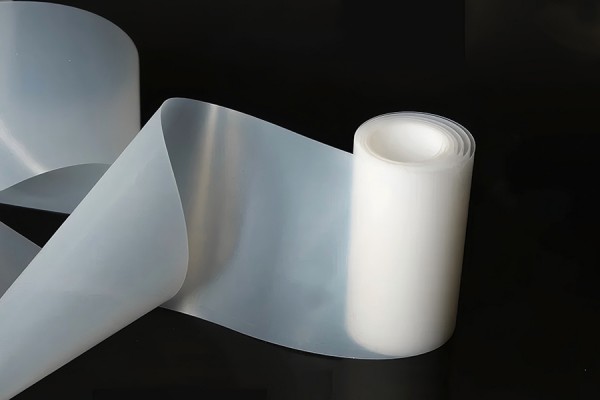
PTFE film acts as a critical element in enhancing industrial processes due to its unique qualities. Its impressive chemical resistance enables it to endure tough environments without deterioration, making it indispensable for various applications. The non-stick surface significantly reduces friction, which leads to lower wear and tear on machinery, thereby extending the lifespan of equipment and minimizing maintenance needs. Furthermore, the thermal stability of PTFE film allows it to function effectively in extreme temperature conditions, catering to industries that operate under severe circumstances. Businesses utilizing PTFE film experience improved operational efficiency and fewer disruptions, contributing to higher productivity levels. Customizability in thickness and width allows companies to adapt PTFE solutions to their specific requirements, ensuring optimal performance tailored to industry demands. Overall, integrating PTFE film into operations not only facilitates reliable performance but also aligns with the strategic goals of maximizing efficiency and maintaining high quality standards across diverse industrial settings.
The role of PTFE Film in Industry
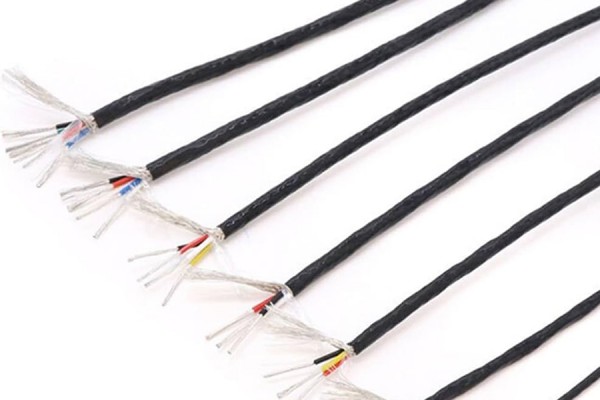
PTFE film plays a vital role in various industrial applications due to its unique properties. Its chemical resistance and low friction characteristics make it an ideal choice for high-speed transmission line PTFE wrapping tape and PTFE wrapping film, ensuring reliability in environments exposed to extreme conditions. Industries such as aerospace, electronics, and food processing leverage PTFE Thread Seal Tape for optimal sealing capabilities, while PTFE cable wrapping tape is essential for protecting sensitive cables from potential damage. Furthermore, the durability of PTFE cable roll coating enhances the performance of cables in harsh settings. Manufacturers are increasingly adopting DAC high-speed cable wrapping film, AEC high-speed cable wrapping film, and AOC high-speed cable wrapping film to meet the demands of advanced communication technologies. ACC high-speed cable wrapping film is also gaining attention for its effectiveness in high-frequency applications. Overall, PTFE films continue to influence industrial processes by promoting efficiency and dependability across various sectors.
PTFE Film: A Game Changer
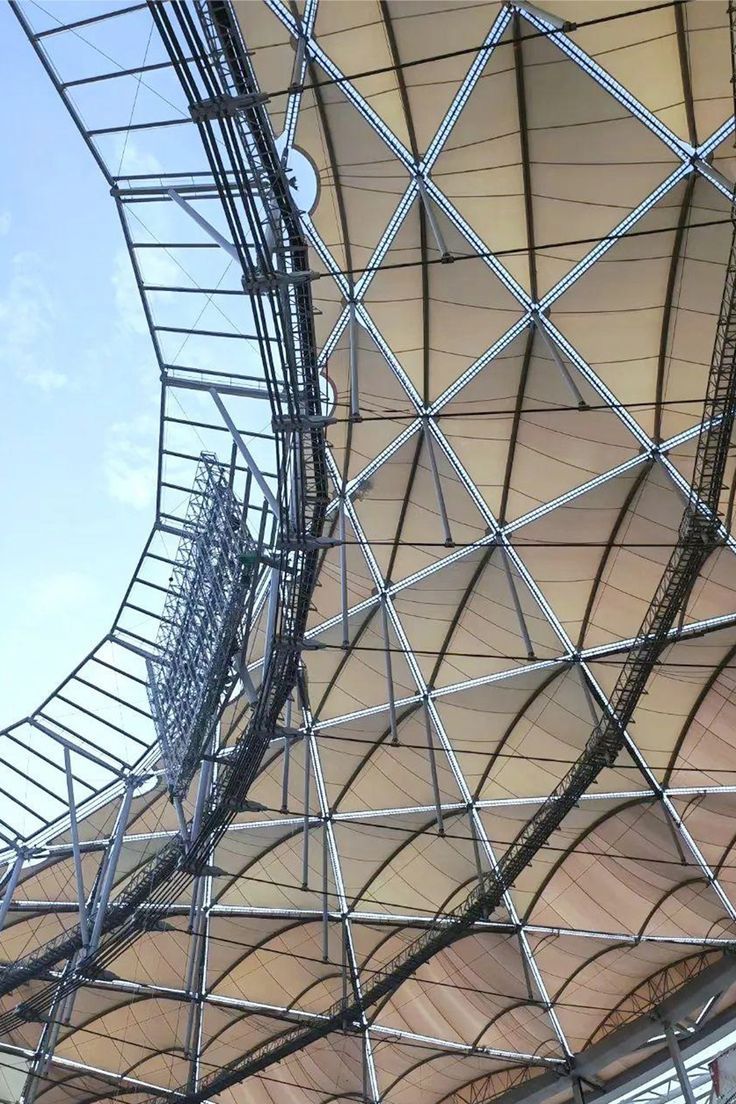
PTFE film stands out as a important contributor to industrial advancements due to its remarkable properties. Its chemical resistance enables it to withstand harsh environments, making it invaluable in sectors such as aerospace and chemicals. The film’s non-stick surface reduces friction, which leads to less wear and tear in machinery. Furthermore, PTFE film operates efficiently across a wide temperature range from -200℃ to +260℃, with short bursts exceeding 300℃. This thermal stability ensures consistent performance even under extreme conditions. Industries can rely on PTFE film for electrical insulation and gasketing solutions that maintain their integrity over time. The ability to provide reliable insulation against high-frequency signals benefits sectors like telecommunications, where PTFE supports emerging technologies like 5G communication. With continuous innovation in material enhancements, manufacturers are developing newer applications that further stress the versatility of PTFE film in improving operational reliability across diverse industrial environments.
Enhancing performance with PTFE
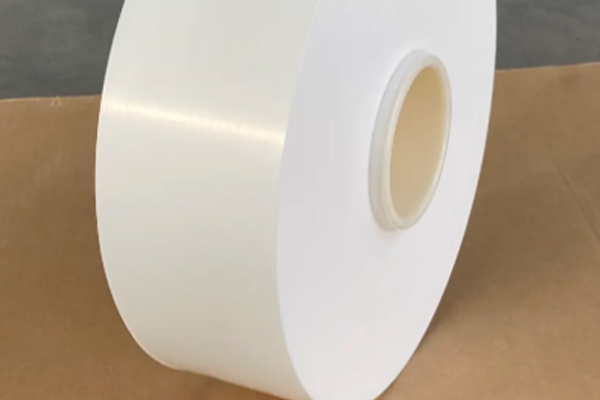
PTFE film plays a main role in improving industrial performance due to its exceptional properties. Its low friction and non-stick characteristics lead to increased efficiency in machinery and tools, reducing wear and tear. This reduction directly translates to less downtime and maintenance, allowing for a smoother operation in high-demand environments. The film’s chemical resistance enables it to withstand harsh substances, making it ideal for use in processes involving aggressive chemicals or extreme temperatures. furthermore, PTFE film maintains its integrity under a wide range of conditions, ensuring reliable performance over time. Industries such as aerospace and food processing have seen marked improvements in product quality and process reliability through the use of PTFE film. Its unique properties make it suitable for applications that require stringent surface cleanliness and protection against contamination.
"Investing in PTFE film can lead to long-term benefits by enhancing overall operational efficiency."
Industrial applications of PTFE Film
PTFE film plays a significant role across various industrial sectors due to its unique properties. In the aerospace industry, it acts as an efficient electrical insulation material, protecting sensitive components from high temperatures and corrosive substances. The automotive sector utilizes PTFE film for gaskets, contributing to improved longevity and performance in engines operating under extreme conditions. also, the food processing industry benefits from its non-stick surface, ensuring easy clean-up and reduced contamination risks during food production. The chemical sector takes advantage of PTFE’s chemical resistance, utilizing it in linings and seals for storage tanks and piping systems. Furthermore, in electronics, PTFE film is critical for components requiring high dielectric strength and reliability in signal transmission, particularly relevant for advancements in 5G technology. Overall, the diverse applications of PTFE film point out its indispensable role in enhancing operational efficiency and reliability across industries.
PTFE Film Benefits Unpacked
PTFE film offers essential advantages that significantly impact industrial operations. One main benefit is its exceptional chemical resistance, enabling it to withstand harsh environments without degrading. This property ensures the longevity and reliability of components in critical applications, reducing the need for frequent replacements and maintenance. furthermore, its low friction surface minimizes wear and tear in moving parts, promoting smooth operations and extending machinery lifespan. The dielectric properties of PTFE film also make it ideal for electrical insulation, safeguarding sensitive electronic components from interference and damage. Industries such as aerospace, automotive, and food processing greatly benefit from these properties, as they rely on materials that can perform effectively under extreme conditions. Furthermore, customizability in thickness and width allows businesses to tailor PTFE film to meet specific needs, ensuring optimal performance across diverse applications. By utilizing PTFE film, companies can achieve greater efficiency while maintaining high standards of safety and reliability in their operations.
Maximizing efficiency with PTFE
PTFE film significantly boosts industrial efficiency through its unique properties. Its low friction characteristics reduce wear and tear on machinery, allowing for smoother operations. The non-stick surface prevents buildup, minimizing the need for frequent maintenance and cleaning. This results in less downtime, contributing to higher productivity levels. PTFE’s exceptional thermal stability enables it to perform under extreme temperatures, maintaining consistency in demanding applications, such as aerospace and automotive industries.
Moreover, PTFE film’s chemical resistance ensures durability in environments where exposure to harsh substances is common. This reliability means longer-lasting materials with fewer replacements needed, ultimately saving costs in production processes. Industries utilizing PTFE film also benefit from improved safety measures; the material’s high dielectric strength aids in preventing electrical failures. By integrating PTFE film into their operations, companies not only improve their machinery performance but also foster an environment conducive to operational excellence, reacting effectively to industry demands and challenges.
Dependable solutions with PTFE Film
PTFE film offers reliable solutions across various industrial sectors, particularly due to its unique properties. Its excellent chemical resistance ensures longevity, making it suitable for environments where exposure to harsh substances is common. The low friction characteristics contribute to smoother operations, reducing wear and tear on machinery. This can lead to less downtime and increased productivity. furthermore, PTFE film’s thermal stability allows it to function effectively in both high and low-temperature settings, where alternatives may fail. Industries such as aerospace and automotive benefit significantly from these qualities, as they often operate under extreme conditions. The adaptability of PTFE film also means it can be tailored for specific applications, providing customized solutions that meet the unique demands of different industries. With ongoing advancements in production techniques, the reliability of PTFE film continues to improve, further solidifying its role as a dependable material in industrial applications.
PTFE Film: Properties and Uses
PTFE film displays a unique combination of properties that make it ideal for various industrial applications. Known for its exceptional chemical resistance, PTFE film can withstand exposure to a wide range of corrosive substances without degrading. This attribute is particularly advantageous in environments where harsh chemicals are used, such as in the pharmaceutical and chemical processing industries. also, its low friction surface contributes to reduced wear and tear in mechanical parts, which helps prolong equipment life. The film’s electrical insulating properties also play a important role in electronics manufacturing, providing protection against electrical currents and reducing interference. Flexible PTFE films are utilized in gasketing applications where sealing is essential to prevent leaks. The thermal stability of PTFE film allows it to perform effectively across a wide temperature range, from -200℃ to +260℃, making it suitable for extreme conditions found in aerospace and automotive applications. This versatility ensures that industries can rely on PTFE film for various challenging settings, promoting efficiency and reliability across the board.
Conclusion
PTFE film proves to be a critical material in enhancing industrial efficiency and reliability. Its exceptional resistance to chemicals and extreme temperatures allows it to perform consistently across various demanding environments. Industries rely on PTFE film for its ability to reduce friction and wear, resulting in less maintenance, lower downtime, and prolonged equipment lifespan. Furthermore, its versatility allows for numerous applications, from electrical insulation to gaskets, ensuring a reliable performance in key manufacturing processes. As different sectors continue to evolve and face new challenges, the role of PTFE film remains integral in adapting solutions that meet the growing demands for efficiency and reliability. With ongoing advancements in technology and material sciences, PTFE film is set to sustain its position as an essential component across a wide range of industries.
FAQs
What is PTFE film used for in industry?
PTFE film is widely used for electrical insulation, gaskets, and protective coatings in various sectors like aerospace, automotive, and food processing due to its chemical resistance and low friction properties.
How does PTFE film improve industrial efficiency?
PTFE film enhances industrial efficiency by reducing friction and wear in machinery, leading to less maintenance, decreased downtime, and improved productivity.
What are the temperature limits of PTFE film?
PTFE film can function effectively within a temperature range of -200℃ to +260℃, with occasional exposure to temperatures exceeding 300℃.
Is PTFE film customizable for specific applications?
Yes, PTFE film can be customized in thickness and width to meet specific application requirements, ensuring optimal performance across various industries.
How does PTFE film contribute to safety in industrial applications?
PTFE film provides high dielectric strength, which helps prevent electrical failures and protects sensitive components from interference in applications like electronics manufacturing.