key Takeaways
ePTFE membranes are notable for their outstanding properties, which makes them essential across many industries.
Because they control moisture effectively while keeping liquids out, they improve performance in a wide range of uses.
Their minimum pore size—about 0.1 microns—lets them filter contaminants efficiently while still allowing high gas and vapor permeability.
That mix of traits means ePTFE membranes hold up reliably in tough conditions, from extreme temperatures to aggressive chemicals.
Their chemical resistance also extends service life, cutting maintenance costs and the need for frequent replacements.
Sectors like medical, electronics, and construction keep gaining from advances in ePTFE technology.
As demand for materials that satisfy both performance and sustainability rises, ePTFE membranes play a key role in tackling the limits of traditional options.
Ongoing development should bring more improvements and wider adoption across applications, improving efficiency and safety in many areas.
ePTFE Membranes Explained
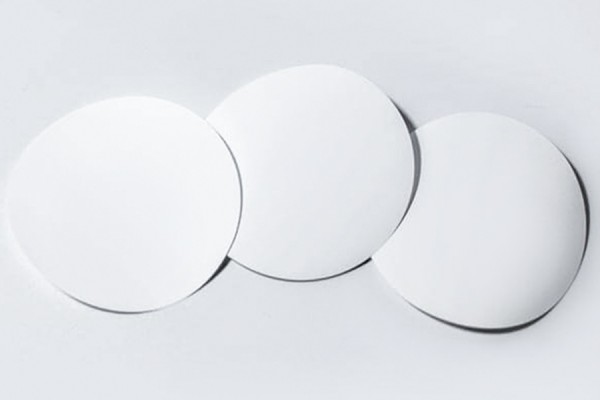
ePTFE membranes are distinctive for their porous structure, high permeability, and strong chemical stability.
Those qualities make them especially useful in demanding environments across many industries.
They let water vapor pass while blocking liquid water, a key trait for uses that need breathability without sacrificing moisture protection.
The small pore size of about 0.1 microns lets them filter contaminants effectively while keeping a high flow rate, which is essential for many applications.
From medical devices to industrial parts, ePTFE membranes deliver dependable performance even in harsh conditions.
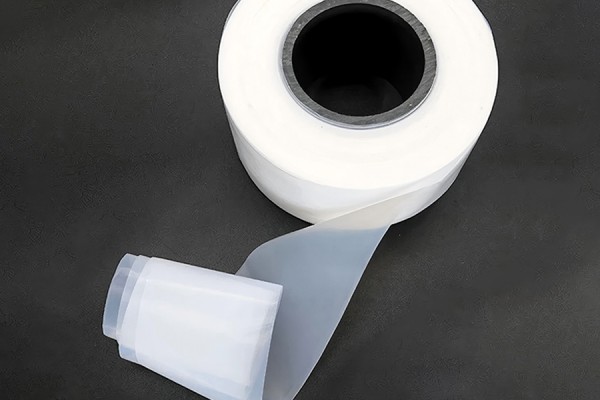
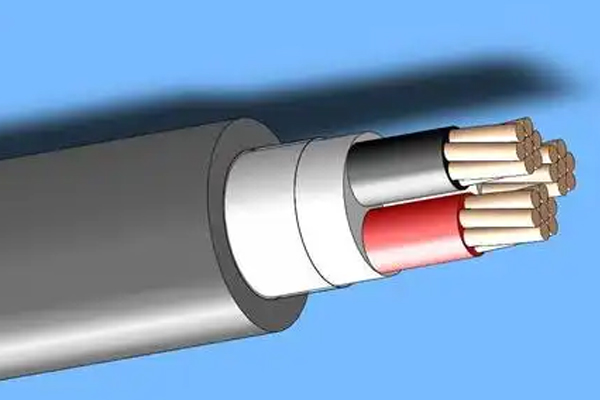
In the electrical field, products such as High speed transmission line PTFE wrapping tape and PTFE wrapping film use these membranes to provide high-quality insulation and protection.
That improves efficiency, especially in high-speed and high-frequency contexts, where materials like DAC high-speed cable wrapping film and AOC high-speed cable wrapping film offer the reliability required for good signal transmission.
Properties of ePTFE Membranes
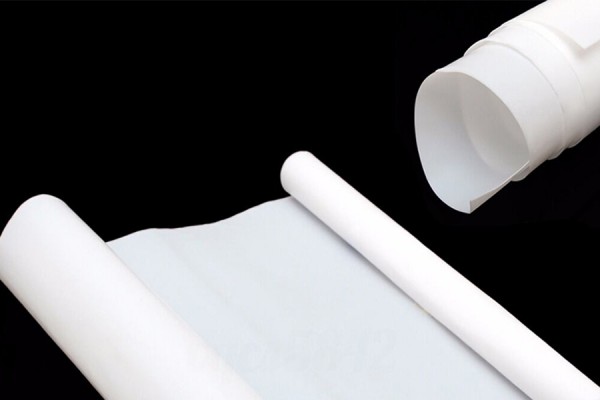
ePTFE membranes have several notable characteristics that suit them to demanding applications.
They are highly porous, with a minimum pore size around 0.1 microns, giving excellent permeability while still blocking liquid water.
ePTFE’s outstanding chemical resistance helps it keep its integrity when exposed to harsh substances, so it’s a reliable option across industries.
A low dielectric constant gives it excellent electrical insulation properties, which matters for electronic uses.
Also, ePTFE membranes show notable thermal stability, able to tolerate high temperatures without degrading or losing function.
That resilience pairs with low smoke emissions, which improves safety in fire situations.
Together, these properties let ePTFE membranes perform well where traditional materials could fail, delivering reliability and performance in critical roles like filtration and electrical insulation.
ePTFE in Harsh Conditions
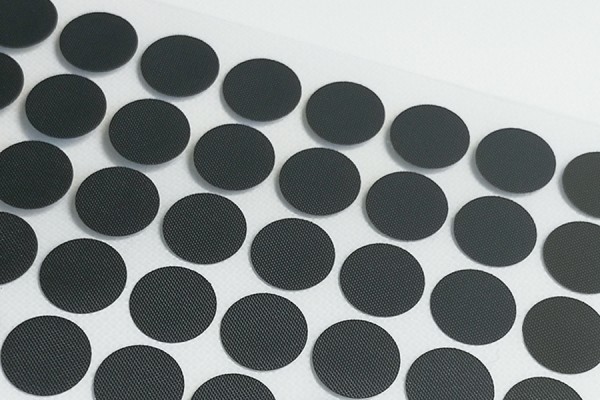
ePTFE membranes perform well in tough environments, showing strong durability and resilience.
Their porous structure enables efficient gas and vapor transport while standing up to extreme temperatures and aggressive chemicals.
That mix of properties makes them suitable for uses from filtration systems to protective clothing.
They retain structural integrity even under high pressure, which supports their reliability in areas such as aerospace and automotive.
Also, ePTFE’s moisture resistance keeps it performing well in humid conditions where other materials might fail.
With industry pressures changing, demand for ePTFE membranes is likely to rise because of their adaptability and how they address limits of traditional materials.

Applications of ePTFE Membranes
Various industries use ePTFE membranes because of their distinctive properties.
In medicine, they act as key parts in wound dressings and filtration devices, blocking bacteria while letting moisture vapor escape.
Their chemical stability suits them to pharmaceutical uses where purity and sterility matter.
In construction, ePTFE membranes are used in roofing and facades, helping buildings repel water while allowing air to circulate, which can improve energy efficiency.
Also, they play a key role in filtering gases and liquids in environmental control and industrial processes, helping meet regulatory standards.
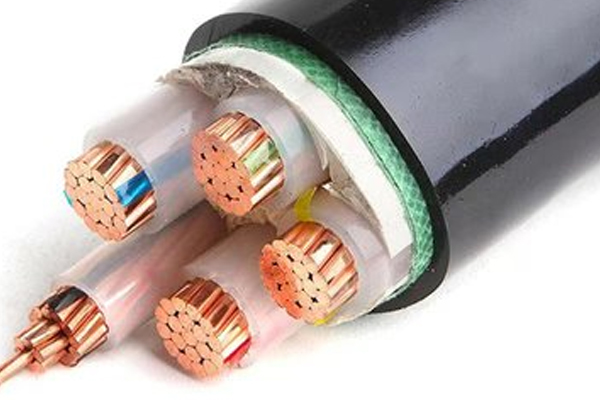
Their use in electronic devices has also risen, especially in RF cables, where they reduce signal loss and improve transmission.
The versatility of ePTFE membranes meets many functional needs and contributes significantly to technological progress and sustainability efforts.
Chemical stability of ePTFE
ePTFE membranes show notable chemical stability, which makes them suitable for a broad range of applications.
They resist degradation from many aggressive chemicals—acids, bases, and solvents—important in industrial settings where such exposure is common.
ePTFE’s structure adds to its durability: fluorine atoms bond strongly with carbon, helping repel substances that might cause damage.
That trait helps ePTFE keep its functional properties for a long time, even under continuous stress.
Also, the membranes’ ability to maintain integrity supports steady performance in filtration and separation across different industries.
As a result, ePTFE membranes are reliable over time and play a key role in ensuring the effectiveness and safety of many applications where chemical exposure matters.
ePTFE in Industrial Use
ePTFE membranes have wide applications across industrial sectors because of their distinctive properties.
In electronics, these membranes act as crucial insulation materials, protecting sensitive components from moisture and contaminants.
A low dielectric constant and strong thermal stability make them well suited for high-temperature environments.
Also, in automotive, ePTFE is used for fuel and air filters, improving engine efficiency by ensuring optimal airflow while blocking harmful particles.
Chemical plants also use ePTFE’s strong resistance to aggressive substances, making it suitable for gaskets and seals in corrosive settings.
Also, its lightweight nature helps reduce overall equipment weight without sacrificing performance.
ePTFE membranes are also common in medical applications, providing reliable filtration for devices like ventilators and surgical tools.
Broadly, the versatility of ePTFE membranes means they play a key role across many industrial uses, consistently improving performance and reliability.
Advantages of ePTFE Technology
ePTFE technology provides several key benefits that distinguish it from other membrane materials.
Its high permeability permits efficient gas and vapor transfer while still blocking liquid infiltration.
That attribute makes ePTFE membranes especially useful where both breathability and waterproofing are needed.
The lightweight nature of ePTFE also adds to its versatility, making it suitable for industries such as medical, electronics, and construction.
Also, the chemical stability of ePTFE improves its durability in extreme environments where corrosive exposure could compromise other materials.
That leads to longer service life and fewer replacements, which can cut costs over time.
Also, ePTFE membranes handle a wide temperature range, keeping their function under varying thermal conditions.
That adaptability matters for industries like aerospace and automotive, where environmental conditions can change dramatically.
In sum, the unique advantages of ePTFE technology help drive innovation and reliability across diverse applications.
Enhancing material performance
The performance of ePTFE membranes can be noticeably improved through several novel strategies.
Using advanced coating techniques can further boost their barrier properties while preserving high permeability, enabling effective moisture control in demanding uses.
Adding flexibility-enhancing additives can also help them adapt better to temperature swings, which matters in harsh environments.
Durability testing across different conditions ensures they meet industry-specific requirements, particularly in extreme temperatures or corrosive atmospheres.
Research shows that tweaking the membrane structure at the molecular level can produce membranes with greater resistance to chemicals and degradation, ultimately lengthening lifespan and reliability.
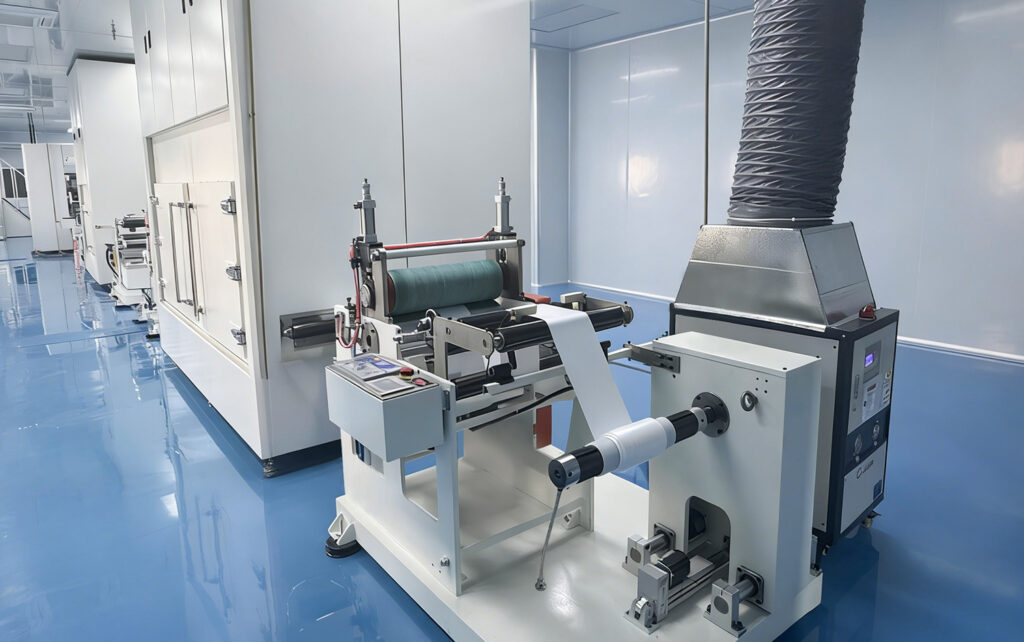
Ongoing innovation in ePTFE production improves material performance and widens the range of applications across industries like construction and electronics.
Continued exploration of these improvements is key to reaching optimal functionality and effectiveness in real-world situations.
Conclusion
ePTFE membranes have become key components across many applications because of their remarkable properties.
Their capacity to endure tough environments while keeping essential functions shows their value across industries.
In medicine, for example, their role in infection control and filtration contributes to patient safety and treatment effectiveness.
At the same time, their use in construction and electronics demonstrates their adaptability to modern technological demands.
Ongoing developments in ePTFE technology are likely to boost performance and expand its range of applications.
As industries change, integrating ePTFE membranes could offer solutions that meet performance needs and sustainability goals.
The resilience and versatility of ePTFE make it a foundational material for future innovations in many sectors.
FAQs
What are ePTFE membranes?
ePTFE membranes are distinctive materials with a porous structure that permits high permeability while blocking liquid water, making them suitable for many industrial applications.
What industries commonly use ePTFE membranes?
Sectors like medical, electronics, automotive, and construction use ePTFE membranes because of their chemical stability and strong performance in harsh environments.
How do ePTFE membranes perform in extreme conditions?
ePTFE membranes are built to handle extreme temperatures, high pressure, and aggressive chemicals, keeping their structure and performance even in demanding situations.
What benefits do ePTFE membranes offer compared to traditional materials?
ePTFE membranes deliver superior permeability, chemical resistance, and durability, which leads to longer lifespans and lower maintenance costs across various applications.
Can ePTFE membranes be used in medical devices?
Yes; ePTFE membranes are widely used in medical devices because they filter contaminants while letting moisture vapor escape, supporting safety and effectiveness.