important Takeaways
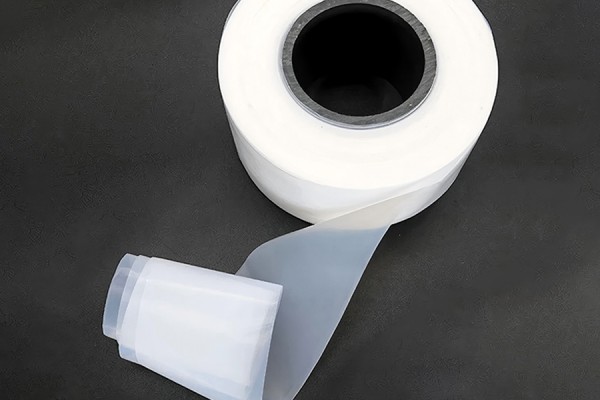
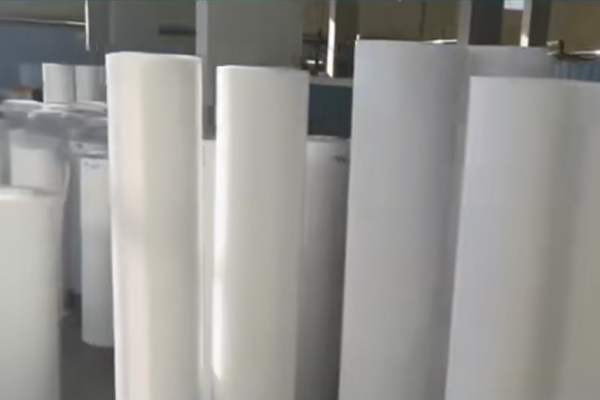
PTFE high-speed cable film provides essential benefits that cater to modern cable applications. Its ability to boost signal integrity ensures that data transmission remains clear and reliable, even in challenging conditions. The film’s excellent insulation properties are vital for reducing interference, allowing for efficient performance across various environments. Furthermore, the flexibility of PTFE enables easy installation in tight spaces, while also accommodating any mechanical stress it might encounter. By minimizing signal loss, PTFE film not only improves overall transmission quality but also extends the longevity of the cables it encases. Understanding these advantages will aid in selecting the most appropriate cable film for specific applications, making it a useful asset in industries requiring high-performance cables.
PTFE Cable Film Benefits
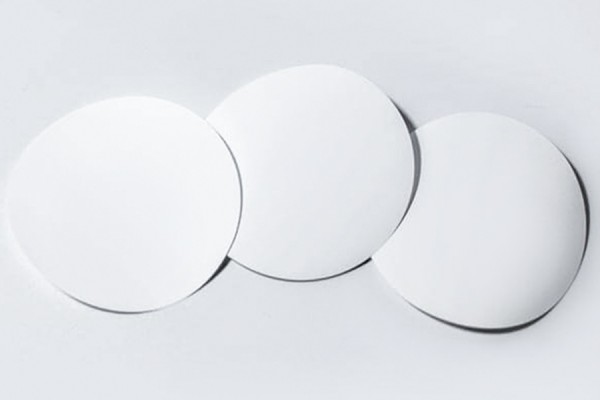
PTFE cable film offers significant advantages in performance and reliability. One main feature is its ability to facilitate high speed transmission line PTFE wrapping tape, which ensures efficient signal flow with minimal interference. The low-loss properties of PTFE cable rolling coating contribute to effective insulation, allowing cables to maintain integrity regardless of environmental conditions. Moreover, the flexibility and durability of the material make it suitable for a variety of applications ranging from industrial to medical settings. The use of PTFE wrapping film prevents damaging noise and distortion in high-frequency transmissions. furthermore, when considering products like ACC high-speed cable wrapping film or DAC high-speed cable wrapping film, users can expect improved longevity and performance under demanding circumstances. This original material not only supports signal integrity but also reduces maintenance needs, showcasing its effectiveness in contemporary applications.
Enhancing signal integrity
PTFE high-speed cable film plays a important role in improving signal integrity by minimizing interference and maintaining consistent performance. The inherent low-loss properties of PTFE contribute significantly to preserving signal quality, which is key in high-frequency applications. With its excellent dielectric strength, PTFE film reduces the risk of signal degradation over long distances. also, the performance stability at varying temperatures ensures that signals remain clear and undistorted even in challenging environments. The film’s flexibility facilitates a range of installation options, allowing for complex routing without compromising signal fidelity. This resilience makes PTFE high-speed cable film indispensable for industries demanding reliable communication standards, such as telecommunications and data transmission systems. Its ability to maintain optimal insulation further underlines its importance in applications where minimizing attenuation is essential for maintaining data accuracy and clarity.
Optimal cable insulation
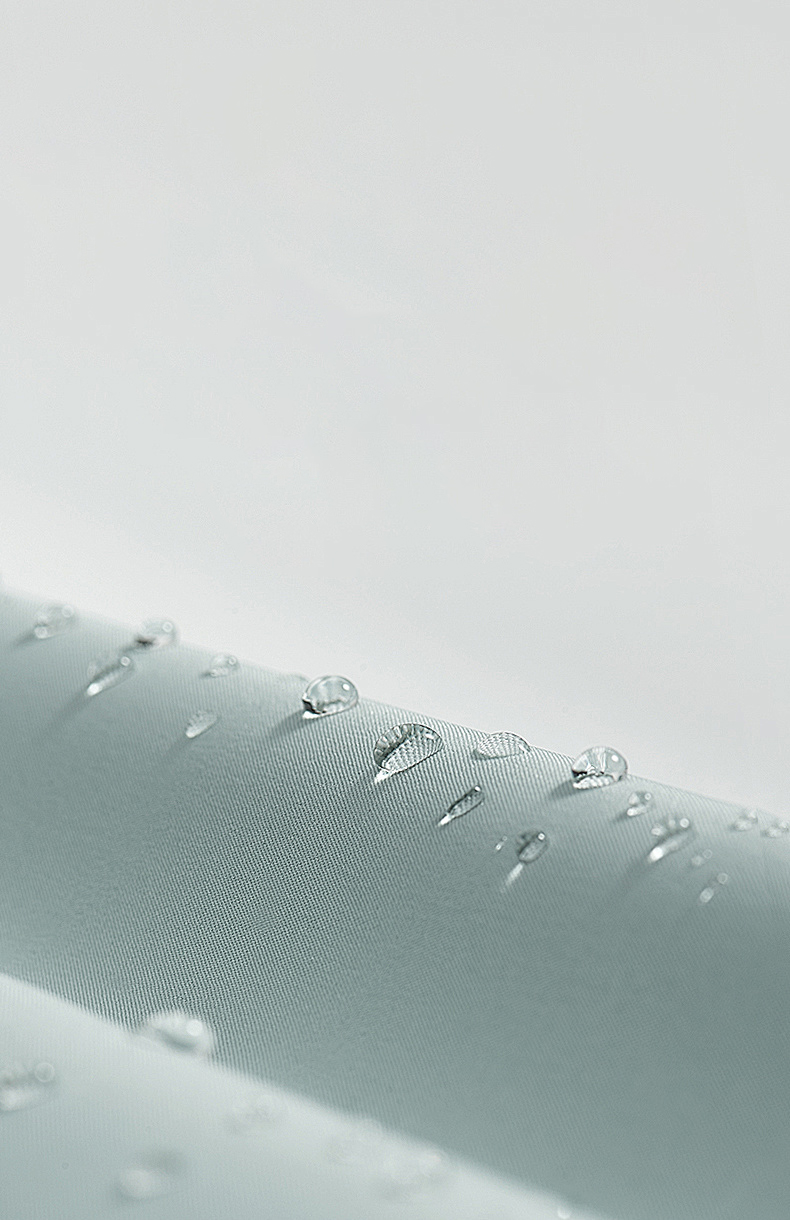
PTFE high-speed cable film offers exceptional insulation properties, important for maintaining signal integrity. The low dielectric constant of PTFE minimizes the risk of signal interference, making it a for high-frequency applications. This material’s inherent resistance to moisture and chemicals ensures that cables remain effective even in challenging environments. Moreover, the film provides thermal stability, which is essential for maintaining performance across a range of temperatures. By leveraging PTFE’s insulating capabilities, cables can effectively withstand voltage fluctuations without compromising their functionality.
"Choosing the right insulation material is key to achieving optimal cable performance."
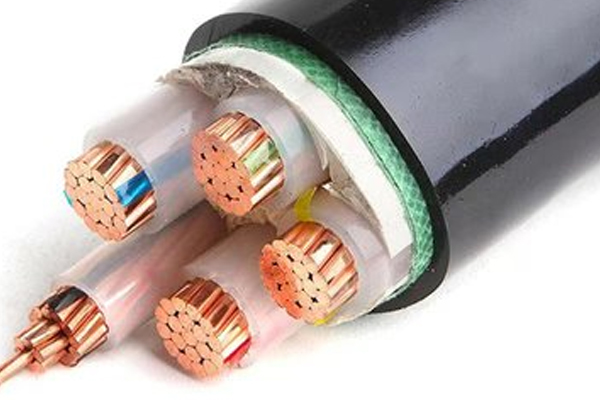
In applications where reliability is critical, such as in telecommunications and medical devices, using PTFE film can significantly boost overall system efficiency. Its robustness not only helps in reducing signal loss but also extends the lifespan of cables, promoting consistent performance over time. This durability ensures that even under stress, the integrity of signal transmission remains intact, making PTFE an ideal candidate for various demanding settings.
Flexibility in Tough Settings
PTFE high-speed cable film exhibits remarkable flexibility, making it ideal for use in demanding environments where traditional materials may falter. This flexibility facilitates ease of handling and installation, reducing the risk of damage during assembly or operation. The film can accommodate tight bends and curves without compromising its structural integrity, which is essential for applications that involve complex routing or confined spaces. Furthermore, its low-loss properties ensure that the cable performs efficiently under stress, maintaining high signal integrity while minimizing signal degradation. This adaptability is particularly beneficial in aerospace, automotive, and industrial applications, where durability combined with performance is non-negotiable. The continuing nature of PTFE cable film allows it to thrive in extreme temperatures and corrosive conditions, making it a reliable choice for engineers seeking long-lasting solutions.
Reducing signal loss
PTFE high-speed cable film plays a main role in minimizing signal loss. The material’s low dielectric constant helps reduce attenuation, allowing for clearer data transmission over longer distances. This is particularly important in environments where high-frequency signals are transmitted, as any interference can compromise performance. The smooth surface of PTFE films also limits the potential for signal degradation, promoting a reliable pathway for electrical signals. furthermore, these films maintain their properties across various temperatures and conditions, making them suitable for diverse applications, from telecommunications to aerospace. By effectively managing signal integrity and minimizing loss, PTFE cable films contribute to the overall efficiency of high-speed communication systems.
Application scenarios for PTFE Film
PTFE high-speed cable film is particularly beneficial across a range of demanding applications. In telecommunications, it enhances signal transmission, which is vital for maintaining clear communication channels. Its properties make it suitable for aerospace applications, where reliability under extreme conditions is essential. In the automotive sector, PTFE film contributes to effective insulation in electrical systems, leading to improved safety and performance. Industries utilizing medical devices also find value in this film due to its biocompatibility and chemical resistance, ensuring safe operation in sensitive environments. furthermore, the film’s low-loss attributes are important in high-frequency applications found in broadcasting and radar systems, where any signal degradation can lead to significant operational issues. From manufacturing to end-use contexts, the unique characteristics of PTFE film enable it to meet specialized needs while ensuring optimal performance and durability.
Performance in Demanding Environments
PTFE high-speed cable film excels in challenging settings, including industrial, medical, and telecommunications applications. Its superior insulation properties provide reliable performance in environments where temperature fluctuations and exposure to chemicals are common. The film maintains structural integrity and electrical performance even under stress, ensuring long-lasting functionality. also, its flexibility allows for easy installation in tight spaces without compromising signal quality. In high-frequency situations, the low-loss characteristics of PTFE film are important for minimizing interference, making it highly suitable for sensitive equipment. Whether deployed in rugged outdoor conditions or sterile medical environments, PTFE cable film stands out for its robustness and reliability.
Choosing the Right Cable Film
Selecting the appropriate cable film is essential for achieving optimal performance in various applications. Start by considering the specific requirements of your project, including environmental factors and operational conditions. PTFE high-speed cable films are particularly advantageous due to their excellent insulation properties and flexibility. Assess factors like tensile strength and dielectric strength to ensure suitability for your needs. It’s key to evaluate the intended use, whether in telecommunications, medical equipment, or industrial applications, as each scenario may demand different characteristics from the cable film. also, compatibility with existing systems can greatly influence choice. Prioritize films that meet industry standards while offering low-loss signal transmission and durability in demanding environments. By making informed decisions rooted in these considerations, you can improve overall system performance and reliability.
Conclusion
in summary, PTFE high-speed cable film plays a main role in enhancing performance across various applications, especially in challenging environments. Its ability to provide exceptional insulation and maintain signal integrity is essential for reliable data transmission. Flexible yet durable, this material adapts to diverse settings, making it suitable for industries where performance is critical. By reducing signal loss and offering consistent performance, PTFE films establish themselves as a preferred choice for many professionals. Selecting the right cable film not only impacts operational efficiency but also contributes to the longevity of devices and systems. Ultimately, investing in quality PTFE high-speed cable film ensures optimal functionality and resilience in demanding scenarios.
FAQs
What is PTFE high-speed cable film?
PTFE high-speed cable film is a specialized material used for insulation in high-performance cables, providing excellent signal integrity and low-loss properties.
How does PTFE film improve signal integrity?
PTFE film minimizes dielectric losses and maintains stable capacitance, ensuring efficient signal transmission in various applications.
What are the important benefits of using PTFE for cable insulation?
PTFE offers superior flexibility, resistance to extreme temperatures, and durability against harsh environmental conditions, making it ideal for demanding settings.
In what applications is PTFE high-speed cable film commonly used?
It’s commonly utilized in telecommunications, aerospace, automotive, and industrial machinery where reliable performance is critical.
How does PTFE compare to other insulation materials?
PTFE outperforms many alternatives due to its low-loss characteristics and high-temperature resistance, making it suitable for advanced technological applications.
Is PTFE film suitable for outdoor use?
Yes, PTFE film can withstand varying weather conditions and is resistant to UV rays, making it reliable for outdoor applications.
Can PTFE film help reduce signal loss in cables?
Absolutely. Its low dielectric constant contributes significantly to reducing signal loss during transmission.
What should I consider when choosing a cable film?
Factors like the operating environment, required flexibility, temperature range, and specific application needs should guide your choice of cable film.