
important Takeaways
PTFE tape wrap stands out as a dependable choice for a range of applications thanks to its distinctive properties. This material is engineered to withstand extreme temperatures from -150 to 260 degrees Celsius, making it suitable for settings like aerospace and automotive sectors. PTFE’s low dielectric constant helps preserve signal clarity, which is crucial for RF communications and medical devices. Moreover, its strong chemical resistance shields cables from corrosive elements that can cause degradation. Using PTFE tape wrap can significantly boost the durability and performance of cables while lowering maintenance needs across various industries. Considering the rising demands on technology and safety concerns, PTFE tape wrap will continue to play a key role in maintaining optimal performance in tough conditions.
PTFE Tape Wrap Overview
PTFE tape wrap offers remarkable properties, suitable for a broad spectrum of uses in tough environments. Made from expanded PTFE, this wrap film delivers strong insulation, key for preserving the durability of high-speed transmission lines. Its distinctive composition yields a low dielectric constant and low loss, which is crucial for maintaining signal integrity, especially at high frequencies and elevated temperatures.
Advantages such as thermal stability from -150 to 260 degrees Celsius broaden its versatility, covering applications from RF coaxial cables to medical devices. The flame-resistant and chemically resistant traits of PTFE tape wrap make it a solid option for electronic lines operating under demanding conditions. Additionally, it applies to automotive and aerospace cables where reliability is a key requirement. As technology evolves, the role of PTFE thread seal tape continues to rise, underscoring its place in electrical insulation and performance across various sectors.
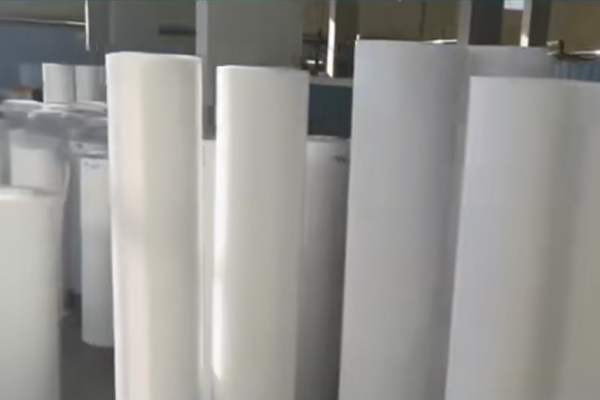
Benefits of PTFE Wrapping
PTFE wrapping offers meaningful benefits for a range of uses, especially in challenging settings. Its excellent insulation ensures long-lasting durability, preserving performance even in extreme temperatures. This material tolerates heat from -150 to 260 degrees Celsius, making it suitable for hot environments. additionally, PTFE shows strong resistance to corrosion, shielding cables from harsh environmental factors. As technology evolves, the need for reliable signal transmission remains critical. PTFE’s low dielectric constant improves the integrity of high-frequency signals, reducing loss and distortion. Its versatility supports applications across fields like RF communications, medical devices, and aerospace. By reducing risks from environmental exposure and keeping signal performance steady, PTFE wrap proves to be a practical solution in today’s rapidly changing tech landscape.
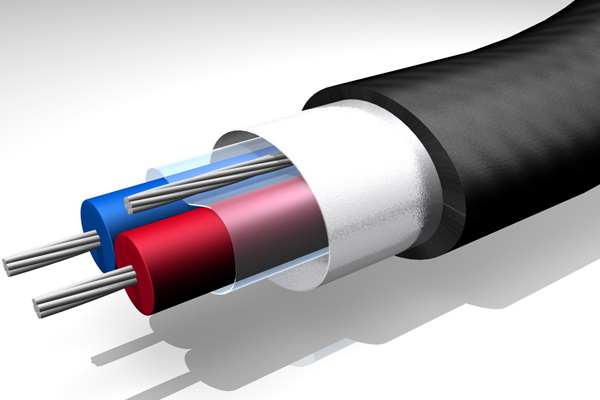
Durability in High Temps
PTFE tape wrap shines in high-temperature settings thanks to its strong thermal stability. It can endure -150 to 260 degrees Celsius, keeping its physical integrity and ensuring dependable insulation and performance over time. In many strenuous environments, such as aerospace and automotive fields, where severe heat can undermine standard materials, PTFE emerges as a reliable option. Its distinctive properties prevent degradation, allowing cables to operate efficiently even under tough conditions.
"This durability is essential for industries that require constant performance under fluctuating temperatures."
Moreover, the flame resistance of PTFE adds an extra shield of safety. If overheating or a short circuit occurs, PTFE helps reduce fire risks by resisting ignition and self-extinguishing. This trait is especially important for medical cables and RF applications where a failure could cause serious malfunctions.
As technology advances and demands on cable performance rise, choosing materials that endure higher temperatures is key to keeping systems reliable and efficient.
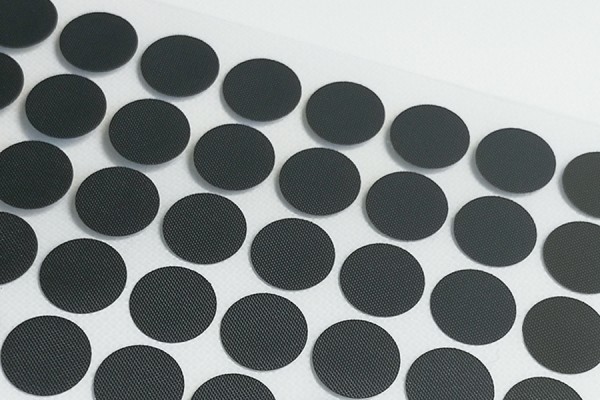
Corrosion resistance explained
PTFE tape wrap provides strong corrosion resistance, making it a sensible option for different uses. Its chemical inertness ensures longevity in harsh environments where exposure to aggressive substances is common. This chemical resistance prevents deterioration, which can compromise insulation integrity and overall cable performance. Additionally, the durability of PTFE tape under corrosive conditions reduces maintenance needs and costs over time. When safeguarding cables in sectors like aerospace or medical technology, PTFE shows its value by protecting against potential damage that could affect safety and functionality. This durability matters especially for cables exposed to moisture or corrosive elements, as it preserves their performance and reliability in demanding situations. The low absorption rate of PTFE also contributes to its effectiveness in preventing corrosion-related issues, ensuring high-quality signal transmission even under challenging environmental factors.
Ensuring signal integrity
PTFE tape wrap plays a key role in preserving signal integrity in high-frequency apps. Its low dielectric constant minimizes signal loss, making it especially effective for 5G and advanced communication systems. As data speeds rise, keeping a steady connection matters. The insulating properties of PTFE help shield cables from external interference, which can degrade performance and blur signal clarity. Moreover, PTFE’s chemical resistance ensures that moisture or pollutants won’t compromise the cables. This is important for RF coaxial cables and medical devices where precision matters. Keeping signals clean and uninterrupted directly supports the performance of connected equipment, underscoring the importance of PTFE wrap in today’s tech-driven landscape. All in all, its ability to prevent disruptions makes it a vital part of modern cable solutions, delivering reliability and performance in tough environments.
Applications in Medical Cables
PTFE tape wrap is crucial in the medical field, where reliability and safety matter most. Medical cables frequently operate in settings exposed to sterilization processes, chemicals, and varying temperatures. The durability of PTFE insulation protects these cables from damage while meeting strict medical standards. Its strong chemical resistance prevents breakdown from cleaning agents and disinfectants, making it ideal for devices that require repeated sterilization.
Moreover, PTFE’s low dielectric loss contributes to stable signal transmission, which matters in medical imaging equipment and patient monitoring systems. High-frequency data lines benefit especially from this property, ensuring precise readings and communications. The use of PTFE tape wrap also reduces the risk of electrical interference, a critical factor in environments where electromagnetic fields can disrupt performance. As the healthcare sector continues to evolve with more advanced technologies, the use of PTFE tape wrap will remain essential for supporting new medical cable solutions.
Resolving RF Cable Issues
RF cables often face challenges like signal loss, interference, and degradation due to environmental conditions. PTFE tape wrap tackles these concerns effectively. The wrap’s low dielectric loss is crucial for preserving signal integrity, especially in high-frequency applications. With its strong thermal stability, PTFE maintains performance even in extreme temperatures, preventing failures that can occur with traditional materials. Furthermore, the chemical resistance of PTFE shields cables from corrosive substances that may be prevalent in certain environments. This protection improves the durability and reliability of RF cables in diverse uses, making them suitable for telecommunications and broadcasting. By employing PTFE tape wrap, engineers can boost the longevity and functionality of RF cabling systems while reducing maintenance costs tied to signal interruptions.
Aerospace cable solutions
Across aerospace applications, demands on cable performance are especially high due to harsh environmental conditions. PTFE tape wrap plays a key role in delivering reliable communications and power connections. These cables must endure temperature swings, humidity, and exposure to chemicals that could affect performance. The PTFE material provides strong resistance to these factors, ensuring longevity and reliability in aircraft systems. Moreover, the low dielectric loss of PTFE minimizes signal degradation, which is essential for preserving data integrity in critical aerospace technologies like navigation systems and flight-control circuits. Using PTFE wrap also helps reduce weight without compromising effectiveness, aligning with the aviation sector’s focus on lighter structures. This approach improves both performance and safety for aerospace components, assisting engineers in developing more advanced and trustworthy systems.
Conclusion
PTFE tape wrap is a vital component across multiple industries due to its outstanding properties. The blend of durability, high-temperature tolerance, and strong corrosion resistance makes it valuable in demanding settings. In healthcare, where safety and reliability matter, PTFE wrap supports essential applications by protecting cables from sterilization agents and keeping signal integrity steady. Likewise, in aerospace, its performance boosts communication and power connections under extreme conditions. Additionally, the key function of RF cables benefits greatly from PTFE’s low dielectric loss, preserving effective signal transmission in telecommunications. The ability to endure harsh environments without sacrificing performance fuels the growing adoption of PTFE tape wrap across several sectors. As technology advances and needs change, the use of PTFE tape remains indispensable for elevating protection and performance in sophisticated applications.
FAQs
What is PTFE tape wrap used for?
PTFE tape wrap is mainly employed to bolster insulation and shielding for cables in high-temperature and corrosive environments, including RF communications, medical technologies, and aerospace.
How does PTFE help preserve signal integrity?
PTFE features a low dielectric constant that minimizes signal loss, making it suitable for high-frequency applications and ensuring clear communication.
What temperature range can PTFE tape wrap withstand?
PTFE tape wrap can withstand temperatures from -150 to 260 degrees Celsius, delivering reliable performance in extreme conditions.
Is PTFE resistant to chemicals?
Yes, PTFE is highly resistant to chemicals and corrosion, making it an excellent choice for environments with harsh substances.
Can PTFE be used in medical applications?
Indeed. PTFE’s durability and chemical resistance make it ideal for medical cables that require frequent sterilization and steady signal transmission.
What are the benefits of using PTFE tape wrap in RF applications?
Using PTFE tape wrap in RF applications minimizes signal interference and loss while ensuring durability under varying environmental conditions, which enhances overall RF system performance.
How does PTFE compare with traditional materials?
PTFE surpasses many conventional materials thanks to its superior thermal stability, corrosion resistance, and ability to preserve signal integrity under tough conditions.