important Takeaways
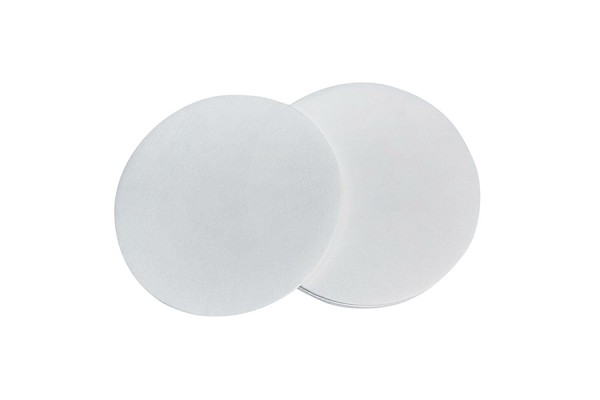
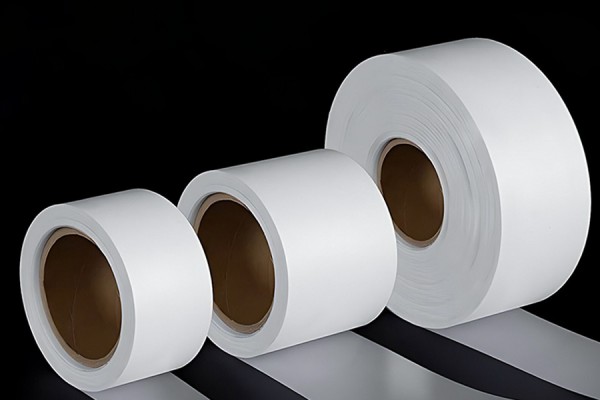
PTFE high-speed cable film is reshaping insulation practices across various industries thanks to its impressive properties. Its thermal resistance enables devices to function regardless of extreme temperature fluctuations, ensuring longevity and reliability. The lightweight design not only simplifies installation but also contributes to the overall efficiency of electronic systems, particularly where space and weight are critical. also, the film’s shielding capability protects against electromagnetic interference, which is essential for maintaining signal quality in high-frequency applications. With robust durability under pressure and resistance to environmental factors, PTFE cable film meets the rigorous demands of modern technology. As innovations continue to emerge, its role in enhancing electronic performance remains key, solidifying PTFE’s status as a preferred insulation choice for high-performance applications.
PTFE High-Speed Cable Film Advantages
PTFE high-speed cable film is renowned for its exceptional properties, making it an essential material in advanced electronics and high-frequency applications. One significant benefit is its unmatched thermal resistance, allowing the film to perform effectively in extreme temperatures from -200℃ to +260℃, with short bursts exceeding 300℃. This capability ensures reliability and longevity, especially in demanding environments. Furthermore, the lightweight design of the PTFE wrapping film facilitates ease of installation and reduces the overall weight of electronic systems, an important consideration in aerospace and automotive industries.
In addition to its thermal properties, PTFE’s excellent shielding performance against electromagnetic interference makes it a preferred choice for high-speed transmission line PTFE wrapping tape and RF applications. This shielding capability enhances signal integrity while minimizing attenuation. The durability of PTFE cable wrapping tape under pressure also contributes to its appeal; it withstands wear without compromising its insulating characteristics.
"The combination of flexibility, low dielectric constant, and strong insulation strength position PTFE thread seal tape at the forefront of modern insulation solutions."
Incorporating advanced materials like DAC high-speed cable wrapping film or AEC high-speed cable wrapping film optimizes performance further. As such, these technologies are revolutionizing insulation standards across various sectors by ensuring efficient cooling and protection for long-lived electronic components.
Unmatched thermal resistance features
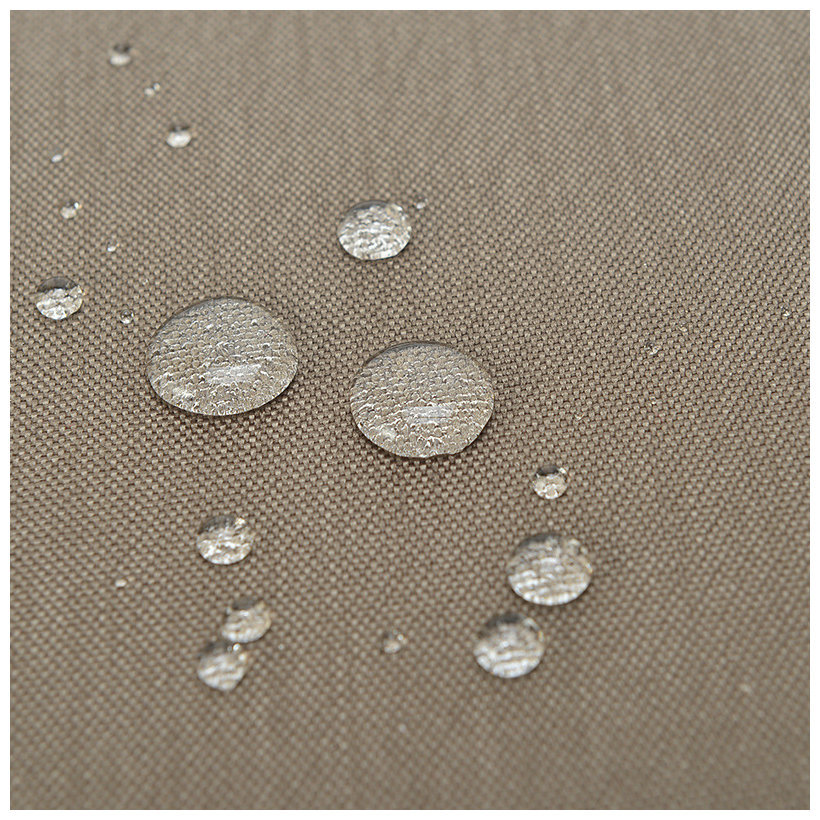
PTFE high-speed cable film is engineered to withstand extreme temperatures, showcasing remarkable thermal resistance. This material operates effectively in environments ranging from -200℃ to +260℃, with brief tolerances exceeding 300℃. Its ability to maintain performance under these conditions is important for applications in harsh industries, such as aerospace and automotive sectors. The film’s chemical inertness adds another layer of safety, ensuring that it does not degrade or react under intense heat, thus preserving the integrity of electrical components. also, the low thermal expansion characteristic contributes to maintaining stable dimensions and reliable functionality, preventing issues like signal distortion or insulation failure. Such properties make PTFE cable film an essential choice for high-frequency applications where consistent performance and durability are vital. This capability not only satisfies current industry requirements but also opens new avenues for innovation in advanced electronics.
Lightweight design revolutionizing insulation
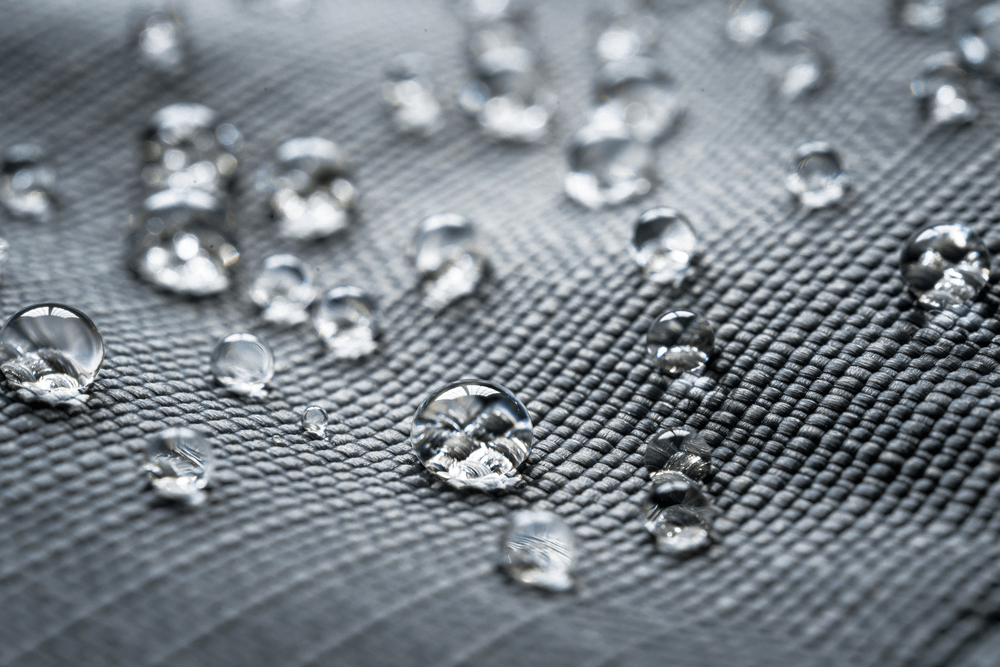
the lightweight design of PTFE high-speed cable film plays a significant role in modern insulation solutions. As electronic devices become more compact and performance-driven, reducing weight without sacrificing strength is key. The thinness of this film does not compromise its durability; instead, it enhances operational efficiency by minimizing overall device weight. Its composition allows for easier installation and flexibility in diverse applications, effectively addressing challenges in tight spaces. The low dielectric constant of PTFE further contributes to its superiority by preventing signal loss, which is critical in high-frequency applications such as 5G technology. This original design enables the film to manage thermal expansion efficiently while maintaining insulation integrity, providing a reliable solution for advanced electronic systems operating under varying conditions. With these attributes, PTFE high-speed cable film is swiftly becoming an essential component in the evolution of insulation standards across multiple industries.

Superior shielding in High Frequency Use
PTFE high-speed cable film offers exceptional shielding capabilities critical for high-frequency applications. The unique micro-porous structure of the film significantly reduces the dielectric constant, allowing for efficient signal transmission while minimizing interference. This characteristic makes the film particularly useful in environments where electromagnetic interference can disrupt performance. The lightweight nature of PTFE also enhances flexibility, making installation in complex wiring scenarios easier without sacrificing protection. As 5G technologies demand more from their components, PTFE cable film’s robust shielding performance becomes increasingly important in maintaining signal integrity across a variety of demanding applications. furthermore, its chemical inertness allows it to perform reliably in harsh conditions where conventional materials might fail, ensuring longevity and consistent performance in high-frequency settings. Overall, the superiority of PTFE high-speed cable film in shielding reinforces its essential role in modern electronics and communication systems.
Transforming electronics cooling standards
PTFE high-speed cable film significantly impacts electronics cooling standards by enhancing thermal management. Its superior thermal resistance allows devices to operate efficiently in extreme environments, preventing overheating. In high-frequency applications, maintaining optimal temperature is important for performance. The lightweight structure of PTFE film facilitates easy integration into compact designs without adding unnecessary weight, making it ideal for modern electronic devices. Moreover, the film’s low thermal expansion minimizes the risk of damage due to temperature fluctuations. As electronics become increasingly miniaturized and powerful, the need for efficient cooling solutions is more critical than ever. PTFE cable film not only supports effective heat dissipation but also ensures signal integrity, addressing the challenges posed by advanced technologies in demanding applications such as 5G and aerospace systems.
Durability of PTFE Cable Film Under Pressure
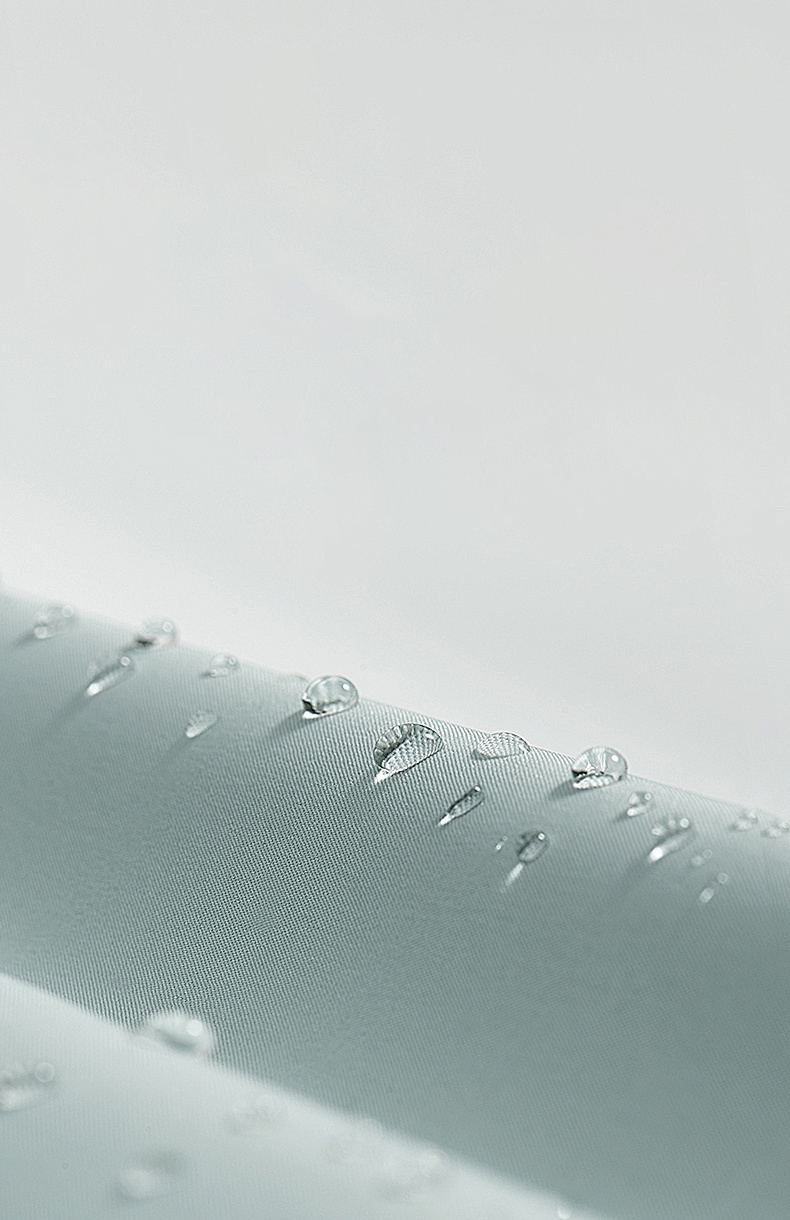
The durability of PTFE high-speed cable film is remarkable, particularly when subjected to pressure and other challenging conditions. Its high-strength composite structure contributes to its ability to withstand mechanical stress without compromising performance. This resilience is important in applications where wires may encounter significant forces, such as in automotive settings or aerospace industries. Under pressure, PTFE cable film maintains its integrity, which prevents premature failure and ensures reliable operation. The material’s unique properties also resist deformation, allowing it to perform reliably over extended periods. PTFE’s chemical inertness further enhances its durability under various environmental factors, including exposure to moisture and corrosive substances. This combination of mechanical strength and environmental resistance makes PTFE cable film an excellent choice for sustaining high-performance applications where durability is essential. The film’s consistent performance under pressure not only ensures safety but also optimizes functionality in demanding environments.
main Applications of PTFE Insulation
PTFE high-speed cable film is versatile, making it helpful in various high-performance applications. For high-temperature electronic wires, its exceptional thermal resistance ensures reliable operation in extreme environments. Aerospace sectors benefit greatly from PTFE insulation due to its ability to withstand harsh conditions and maintain signal integrity. In automotive designs, it’s ideal for wiring harnesses, especially in engine compartments where heat and chemical exposure are prevalent. Furthermore, RF cables and microwave communication cables leverage PTFE’s lightweight design and low dielectric constant to boost transmission efficiency, important for 5G base station operations. This technology also plays a main role in charging piles for electric vehicles, where dependable insulation is essential for safety and performance. The durability of PTFE film under pressure further expands its application scope, allowing it to meet the rigorous demands of modern electronic devices while ensuring reliability across various industries.
Advanced materials for Electronics
The development of advanced materials like PTFE high-speed cable film represents a significant shift in electronics design and functionality. These materials offer unique benefits that cater to the rising demands of modern technology. For instance, the low thermal expansion coefficient and lightweight attributes of PTFE allow for more efficient thermal dissipation, thereby enhancing device longevity and performance. Furthermore, its chemical inertness ensures reliability in diverse environments, supporting various applications from automotive to aerospace frameworks. The film’s excellent flexibility combined with low dielectric constant makes it essential for high-frequency applications, such as RF and microwave communication. This adaptability is key as electronics continue to evolve towards miniaturization while demanding higher energy efficiency. The original use of PTFE in insulation further demonstrates a commitment to enhancing electronic systems’ resilience and operational efficacy under challenging conditions. These attributes are not only instrumental in current technologies but also pave the way for future advancements in high-speed communications and complex electronic systems.
Conclusion
the emergence of PTFE high-speed cable film marks a significant shift in insulation technology, particularly for high-performance electronics. Its unique properties, including impressive thermal resistance, lightweight design, and superior shielding capabilities, contribute to enhanced functionality across various applications. By improving performance under extreme conditions, PTFE insulation supports advancements in sectors like aerospace and automotive. Moreover, its durability and chemical inertness ensure consistent reliability in challenging environments. As technology demands more from materials, PTFE high-speed cable film is poised to remain a main player in evolving insulation standards and setting new benchmarks for efficiency and performance in electronic systems. Its role will only become more critical as future innovations continue to push boundaries in speed and frequency applications.
FAQs
What is PTFE high-speed cable film?
PTFE high-speed cable film is a specialized insulation material designed for high-performance applications, known for its thermal resistance, lightweight properties, and superior shielding capabilities.
How does PTFE cable film perform in extreme temperatures?
PTFE cable film can operate effectively in temperatures ranging from -200℃ to +260℃, with short bursts exceeding 300℃, ensuring reliability under demanding conditions.
What are the main applications of PTFE high-speed cable film?
It is primarily used in aerospace, automotive wiring harnesses, RF and microwave communication cables, and electric vehicle charging piles due to its durability and thermal properties.
Why is lightweight design important for cable films?
A lightweight design facilitates easier installation and reduces overall device weight, making it essential for compact electronic systems that require efficient thermal management.
How does PTFE provide protection against electromagnetic interference?
The unique micro-porous structure of PTFE film significantly reduces its dielectric constant, enhancing signal integrity while minimizing interference in high-frequency applications.