Key takeaways
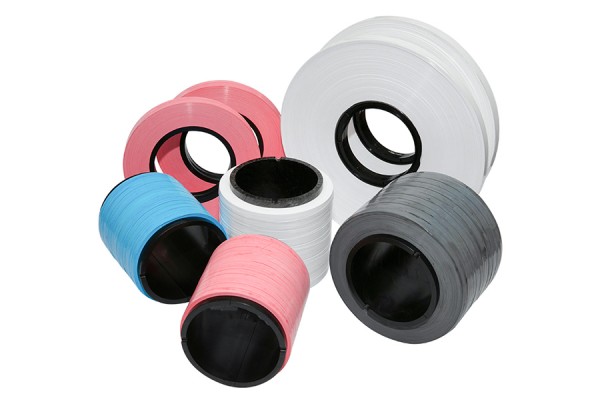
PTFE high-speed cable film is essential for enhancing data transmission in modern communication systems. Its low dielectric constant plays a significant role in reducing signal delays, promoting efficient data flow essential for high-frequency applications. The exceptional insulation properties prevent signal loss, ensuring reliable operation even under challenging conditions. PTFE films also maintain stability across varying temperature ranges, delivering consistent performance essential for devices operating in diverse environments. Additionally, their chemical resistance protects against degradation from harsh substances, further extending the lifespan of transmission lines. As the demand for faster and more reliable data connectivity continues to rise, the application of PTFE film in cable technologies will likely expand, enabling advancement across telecommunications and beyond. These advantages underscore the growing importance of PTFE films in meeting the rigorous requirements of next-generation systems.
PTFE Film for High-Speed Data Transmission
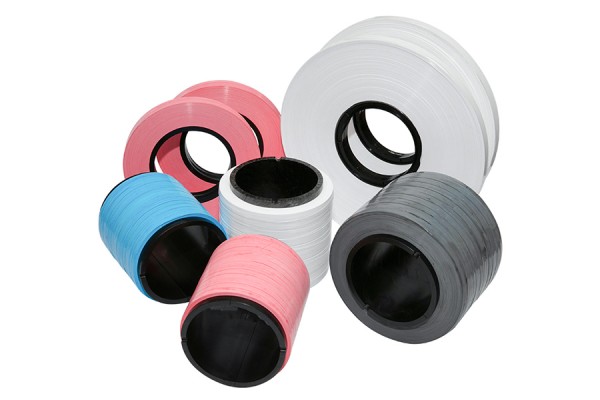
PTFE film plays a crucial role in enhancing data transmission in high-speed applications. Its low dielectric constant significantly reduces signal delays, ensuring efficient data flow. The exceptional insulation properties of PTFE wrapping film contribute to reliable performance, preventing signal leakage and short circuits. Moreover, PTFE cable wrapping tape maintains stability across a wide temperature range, allowing it to perform effectively in diverse environmental conditions. This durability is complemented by high resistance to chemical exposure, which extends the lifespan of transmission lines. The unique structure of DAC high-speed cable wrapping film and its other variants like AEC and AOC high-speed cable wrapping film further optimize performance for demanding applications. Engineers and designers increasingly rely on these films for their ability to meet the rigorous requirements of modern data communication systems. As technology evolves, the integration of PTFE thread seal tape in high-frequency applications reinforces its importance in delivering optimal performance for next-generation data cables.
Benefits of Low Dielectric Constant in Cable Films
The low dielectric constant of PTFE high-speed cable film plays a crucial role in enhancing data transmission. By approximating the dielectric constant of air, this property significantly reduces signal transmission delays, which is critical for high-frequency applications. A lower dielectric constant minimizes capacitive coupling, allowing signals to travel more efficiently and with greater clarity. This results in improved performance for a variety of electronic devices, especially those requiring rapid data exchange. Moreover, the effectiveness at high frequencies ensures that PTFE films serve as reliable insulators, maintaining signal integrity even under intense operational demands. Consequently, manufacturers of advanced cable technologies increasingly leverage the advantages offered by PTFE films to meet the evolving requirements for speed and reliability in communication systems. As data transmission speeds continue to rise, the benefits associated with low dielectric constants will remain paramount in cable film design and application.
Exceptional insulation properties of PTFE Films
PTFE films offer exceptional insulation properties that are crucial for high-speed data transmission. Their unique structure creates a barrier that effectively prevents signal losses due to short circuits or leakage. This ensures that the electrical signals remain intact as they travel along the cable, which is vital for preserving data integrity in high-frequency applications. The high dielectric strength of PTFE contributes to its outstanding insulating capabilities, making it capable of withstanding significant voltages without breakdown. Additionally, PTFE films maintain their insulating properties across a broad temperature spectrum, allowing consistent performance in extreme conditions. This versatility makes them suitable for various applications ranging from telecommunications to advanced data networks. As technology continues to demand higher efficiency and faster speeds, the role of PTFE films in providing reliable insulation becomes increasingly important in keeping pace with evolving industry standards.
Temperature stability in High-Frequency Applications
PTFE high-speed cable film provides exceptional temperature stability that is essential for performance in high-frequency applications. Its ability to function effectively in a wide temperature range, from extremely low to high temperatures, ensures that data transmission remains reliable in varying environmental conditions. As electronic devices often operate under fluctuating thermal environments, the stability of PTFE film minimizes signal degradation and performance loss. This property is vital in applications such as telecommunications and aerospace, where maintaining signal integrity is critical amidst temperature extremes. Additionally, the modified PTFE formulations enhance durability under heat stress, contributing to the longevity of cable systems. By utilizing advanced materials that resist thermal fluctuations, manufacturers can ensure consistent operation of high-speed data cables, thereby supporting the ever-increasing demand for faster and more reliable connectivity solutions. The stable performance of PTFE films under different thermal conditions ultimately translates to improved efficiency and reliability in high-frequency communication networks.
Chemical resistance of PTFE Cable Films
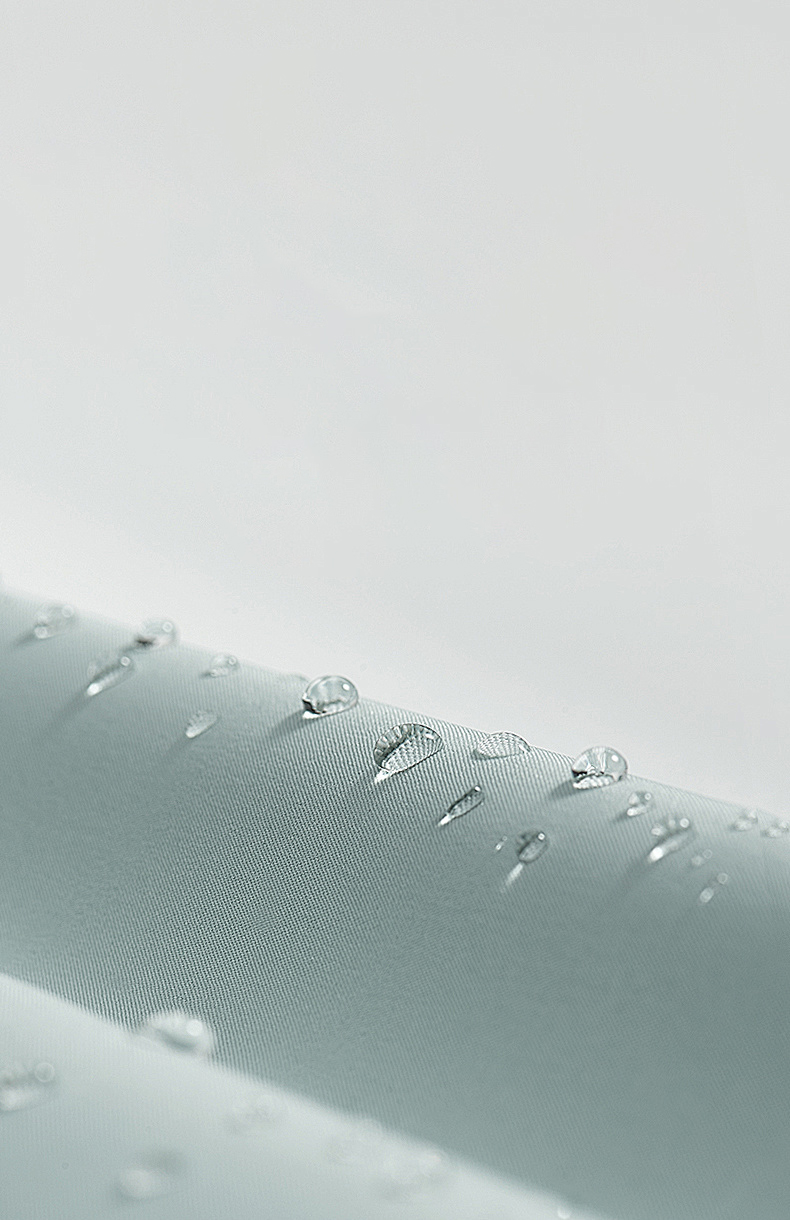
PTFE cable films exhibit exceptional chemical resistance, making them highly suitable for various demanding environments. This characteristic enables them to withstand exposure to a wide range of substances, including corrosive solvents, acids, and bases. The inert nature of PTFE ensures that it does not react with chemicals, preserving the integrity of the cable and maintaining its electrical performance over time. In situations where cables might encounter harsh industrial chemicals or environmental contaminants, PTFE films provide a reliable barrier that enhances durability. As electronic devices become more integrated into complex systems requiring robust materials, the importance of chemical resistance in cable films cannot be overstated. This property not only supports the longevity of high-speed data transmission systems but also helps improve overall safety by minimizing the risk of signal degradation due to chemical exposure. As technology advances, PTFE’s resistance to chemicals stands out as a key factor in its application across various high-frequency data solutions.
Optimizing performance with PTFE High-Speed Film
PTFE high-speed film plays a vital role in maximizing the efficiency of modern data cables. Its low dielectric constant substantially minimizes signal transmission delays, which is essential in environments where speed is paramount. The film’s exceptional electrical insulation properties ensure that signals remain intact, preventing short circuits and leakage, thereby enhancing overall reliability. Furthermore, PTFE’s ability to withstand a wide temperature range ensures consistent performance under varying environmental conditions. This stability is crucial for high-frequency applications that operate across different temperature extremes. The chemical resistance of PTFE high-speed films also contributes to their durability, allowing them to endure harsh surroundings without degrading. By utilizing these characteristics, manufacturers can create data cables that not only meet current demands but are also capable of supporting future advancements in data transmission technology. The integration of PTFE film into cable designs represents a significant leap toward achieving optimal performance and reliability in high-speed communication systems.
Applications of PTFE in Modern Data Cables
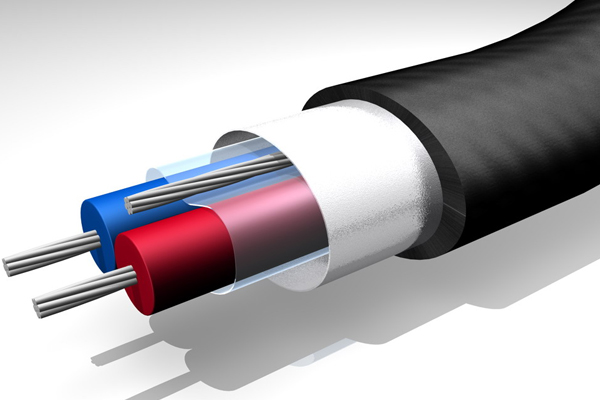
PTFE cable films are increasingly utilized in various modern high-speed data cable applications due to their advantageous properties. These films are essential in the construction of RF coaxial cables, providing excellent insulation and minimizing signal loss. The low dielectric constant of PTFE enables efficient performance in high-frequency environments, making it ideal for telecommunications and data center environments where speed and reliability are paramount. Additionally, PTFE’s resilience to extreme temperatures ensures consistent operation across diverse settings, such as in industrial applications or during outdoor installations. This versatility also extends to advanced cable technologies designed for use in AI servers and aerospace sectors, where high-performance interconnects are critical. The use of modified PTFE enhances the durability and longevity of these cables, further reinforcing their significance in ensuring stable data transmission under challenging conditions. As technology evolves, the incorporation of PTFE into data cable construction will likely expand, reflecting ongoing innovations to meet the demands of future connectivity solutions.
Future trends in High-Speed Cable Technology
The evolution of high-speed cable technology is driven by the increasing demand for faster data transmission and improved performance. Advances in materials, particularly PTFE high-speed cable film, are expected to play a significant role in this progress. The future will likely feature enhanced versions of existing films that reduce dielectric loss even further, contributing to lower signal attenuation and higher fidelity. Additionally, innovations aimed at increasing thermal stability will ensure that cables maintain performance across broader temperature ranges. The integration of smart technologies may also emerge, allowing cables to self-monitor and optimize their performance in real time. Moreover, as industries push for more sustainable solutions, environmentally friendly materials that maintain the desirable properties of PTFE are likely to gain traction. Finally, the expansion of high-frequency applications in sectors such as telecommunications and aerospace will drive continuous improvements in cable technology, ensuring they meet the complex needs of tomorrow’s data driven landscape.
Conclusion
in summary, PTFE high-speed cable film stands out in the realm of data transmission due to its beneficial properties. The combination of a low dielectric constant, exceptional insulation, and remarkable temperature and chemical resistance creates a robust solution for high-frequency applications. These characteristics enable PTFE films to effectively minimize signal loss and degradation, ensuring reliable performance even in demanding environments. As technology progresses and the need for rapid data exchange intensifies, reliance on PTFE film will likely grow within the industry. Future innovations may focus on enhancing these existing properties to further optimize performance across a range of applications. The ongoing integration of PTFE films into high-speed data cable designs reflects an important shift towards meeting the evolving demands of modern communication networks, emphasizing the critical role these materials will continue to play in shaping the future of data transmission technology.
FAQs
What is PTFE high-speed cable film?
PTFE high-speed cable film is a specialized material used in the construction of data cables, known for its low dielectric constant and excellent insulation properties.
How does the low dielectric constant of PTFE film improve data transmission?
The low dielectric constant reduces signal delays and minimizes capacitive coupling, allowing for more efficient and clearer signal transmission in high-frequency applications.
What are the thermal stability features of PTFE cable films?
PTFE films maintain consistent performance across a wide temperature range, which is essential for reliability in environments with extreme temperature fluctuations.
How does chemical resistance benefit PTFE cable films?
The chemical resistance of PTFE allows these cable films to withstand exposure to harsh substances without degrading, ensuring longevity and sustained performance in demanding environments.
What applications commonly use PTFE high-speed cable film?
PTFE high-speed cable films are commonly used in RF coaxial cables, telecommunications systems, data center technologies, and advanced interconnects for aerospace applications.