Key takeaways
teflon film emerges as a versatile and essential material in high-performance applications, thanks to its unique characteristics. Its exceptional insulation and chemical resistance set it apart in demanding environments, ensuring reliable performance in electronics and advanced manufacturing. The film’s low friction properties reduce wear on components, improving efficiency across various applications. Industries increasingly recognize the advantages of Teflon film, utilizing it for coatings that enhance durability and ease of maintenance. This material withstands extreme temperatures, making it suitable for both high-temperature and low-temperature settings without compromising its integrity. Teflon film’s ability to resist degradation in harsh conditions further solidifies its position as a critical component for innovation. As new technologies evolve, Teflon film will likely continue to play a significant role in enhancing operational effectiveness and product longevity across multiple sectors.
Innovative applications of Teflon Film
Teflon film has found extensive use across various high-performance applications, particularly due to its unique characteristics. Its electrical insulation properties make it ideal for high-speed transmission line PTFE wrapping tape and PTFE cable wrapping tape, ensuring reliable performance in critical environments. Additionally, Teflon film serves as an effective barrier in both PTFE cable roll coating and DAC high-speed cable wrapping film, protecting sensitive components from environmental factors.
The chemical resistance of Teflon film also enhances its applicability in demanding settings. Industries require robust solutions, and PTFE Thread Seal Tape addresses this need by providing durable seals that withstand harsh chemicals. Moreover, the AEC high-speed cable wrapping film and AOC high-speed cable wrapping film utilize Teflon’s properties to maintain signal integrity in fast-paced data communication systems.
The versatility of Teflon extends to coatings as well; it is used not only for cables but also as protective layers in advanced manufacturing processes. With its ability to perform under extreme conditions and resist degradation, Teflon film proves to be a valuable asset in innovations across electronics and production technologies.
Unique properties of Teflon Film
Teflon film exhibits a range of unique properties that make it an essential material in various industries. Its low friction coefficient allows for smooth movement in applications, reducing wear and tear on coupled components. Teflon’s chemical inertness means it maintains stability in harsh environments, resisting reaction with a wide array of substances, including acids and bases. Furthermore, it has a high melting point, contributing to its effectiveness across diverse temperature ranges. This film also demonstrates excellent electrical insulation properties, preventing current leakage in electronic components. Its hydrophobic nature minimizes water adhesion, which is particularly useful in applications where moisture control is important. The combination of these characteristics makes Teflon film suitable for high-performance tasks, enhancing the overall functionality and longevity of products that utilize this versatile material.
Teflon film in Electronics
Teflon film serves as an essential component in electronics due to its superior electrical insulation properties and chemical resilience. Its low dielectric loss and stable dielectric constant enable it to maintain performance even under varying temperatures and frequencies. As a result, Teflon film is commonly used in insulating materials for capacitors, high-frequency circuits, and various wiring applications. Its hydrophobic nature further protects electronic components from moisture, enhancing reliability. The material also withstands harsh chemical environments, allowing it to be used in sensitive electronic applications where exposure to corrosive substances may occur. Moreover, the unique properties of Teflon film facilitate its use in flexible circuit boards and connectors, contributing to lighter and more efficient electronic designs. This versatility makes Teflon film a valuable asset in the advancement of electronic technologies across various industries.
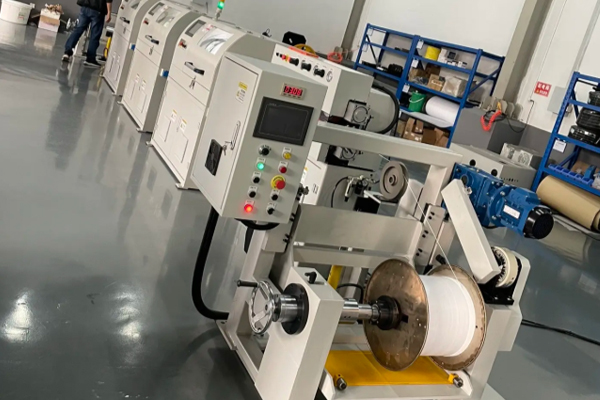
Chemical resistance of Teflon Film
Teflon film exhibits remarkable chemical resistance, making it a preferred material in various applications. This resistance allows Teflon film to withstand exposure to harsh chemicals, including acids, bases, and solvents without degrading. Its non-stick surface prevents chemical adhesion, ensuring that clean surfaces are maintained even under corrosive conditions. This quality is particularly advantageous in environments where materials may come into contact with reactive substances that would typically compromise other films or coatings. Furthermore, Teflon film maintains its properties over a wide temperature range, allowing it to be utilized effectively in both high-temperature and low-temperature scenarios. The unique composition of Teflon contributes to its stability and effectiveness across various industries, including pharmaceuticals and manufacturing. It provides essential protection in processes involving potentially damaging substances, ensuring safety and longevity in applications where chemical exposure is a concern. Overall, the chemical resistance of Teflon film enhances its functionality and reliability in critical applications.
Teflon film in Advanced Manufacturing
Teflon film plays a significant role in advanced manufacturing due to its outstanding properties that meet the rigorous demands of various processes. Its high-temperature tolerance and low shrinkage rate make it ideal for applications in environments exposed to considerable thermal fluctuations. In electronic component production, Teflon film offers essential insulation, ensuring that circuits maintain integrity even at elevated temperatures. This material’s chemical resistance is particularly beneficial in processes that require contact with aggressive chemicals, providing durability and prolonging equipment life. Teflon film’s unique attributes assist manufacturers in achieving precision and efficiency while minimizing wear and tear on machinery. Furthermore, the adaptability of Teflon film allows for its use in protective coverings and gaskets, safeguarding critical components during production. As industries look for efficient materials that enhance operational performance, the integration of Teflon film continues to gain traction in high-performance manufacturing settings.
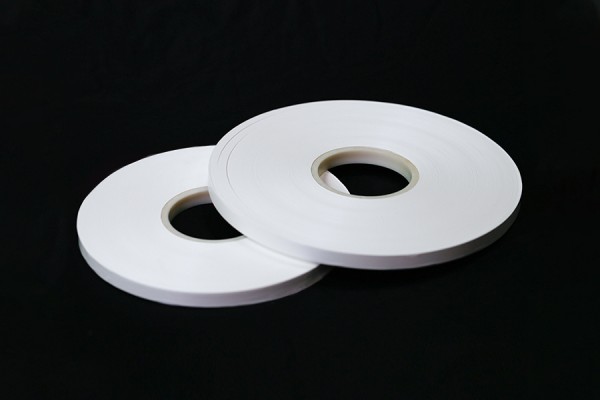
Insulation benefits of Teflon Film
Teflon film provides exceptional insulation properties that make it suitable for a variety of high-performance applications. Its low dielectric constant contributes to minimal signal loss, ensuring efficient energy transfer in electronic components. This property is especially important in RF coaxial cables and high-speed data communication systems, where precision and reliability are critical. Additionally, Teflon film maintains its insulating performance across a wide temperature range, from -200 to 260°C, enabling its use in extreme environments without compromise. The material’s hydrophobic nature also enhances its insulating capabilities by preventing moisture absorption, which can lead to electrical failures. In advanced manufacturing processes, Teflon film acts as an effective barrier against thermal conductivity, supporting the longevity and efficiency of equipment and components. Its unique combination of durability and insulation makes Teflon film an invaluable material for industries that demand high standards of performance and reliability.
Teflon film for Coatings
Teflon film is widely used in coatings due to its remarkable properties. Its non-stick surface significantly reduces friction, making it ideal for applications where ease of cleaning and maintenance is essential. The film’s outstanding chemical resistance protects substrates from corrosion and chemical damage, ensuring that coated materials maintain their integrity over time. Additionally, Teflon film exhibits exceptional thermal stability, allowing it to endure various temperature fluctuations without degrading. This quality makes it suitable for diverse environments, including high-temperature industrial settings and harsh chemical processes. Furthermore, Teflon coatings minimize wear and tear on equipment, contributing to extended service life and reliability. In the aerospace and automotive industries, these properties facilitate improved performance by enhancing parts’ durability and functionality. The versatility of Teflon film in coatings highlights its importance in modern manufacturing processes, where performance and longevity are critical factors in product design and durability.
High-Performance Uses of Teflon Film
Teflon film serves various high-performance applications across multiple industries due to its outstanding properties. In electronics, it is employed for insulation in high-frequency devices, protecting sensitive components from interference and ensuring signal integrity. The film’s effective dielectric characteristics make it an excellent choice for microwave communications and RF applications. In coatings, Teflon film provides a non-stick surface that is resistant to chemicals, reducing wear and tear on equipment. Its durability and low friction properties contribute to improved performance in manufacturing processes. Additionally, in advanced manufacturing, Teflon film is pivotal for its role in semiconductor packaging and energy systems, where maintaining insulation at high temperatures is essential. The combination of chemical resistance and thermal stability underscores its utility across diverse sectors, supporting innovations and efficiencies that are increasingly sought after in today’s competitive landscape.
Conclusion
the innovative use of Teflon film across various industries highlights its essential role in enhancing performance and reliability. Its unique properties, such as exceptional insulation, chemical resistance, and low friction, make it ideal for high-performance applications ranging from electronics to advanced manufacturing processes. As industries face increasing demands for efficiency and durability, Teflon film meets these challenges effectively. Its ability to withstand extreme temperatures and harsh chemicals ensures that it remains a top choice for manufacturers seeking to improve operational effectiveness. By utilizing Teflon film in coatings and other applications, businesses can enhance the longevity of their products while maintaining superior performance standards. The ongoing exploration and adoption of Teflon film across diverse sectors showcase its versatility and importance in today’s competitive environment. With continued advancements in technology, the potential for new applications of Teflon film seems promising, suggesting that this material will remain integral to the development of high-performance solutions in the future.
FAQs
What are the main properties of Teflon film?
Teflon film is known for its exceptional insulation, chemical resistance, low friction, and high thermal stability, making it suitable for a range of high-performance applications.
In which industries is Teflon film commonly used?
Teflon film is widely used in electronics, advanced manufacturing, aerospace, automotive, and coatings industries due to its versatile properties.
How does Teflon film enhance electronic components?
Teflon film improves electronic components by providing insulation that prevents current leakage and protects against moisture and corrosive substances.
Can Teflon film withstand extreme temperatures?
Yes, Teflon film maintains its properties across a wide temperature range, from -200 to 260°C, enabling its use in both high and low-temperature environments.
What benefits does Teflon film offer in coatings?
Teflon film provides non-stick surfaces that reduce friction, prevent corrosion, enhance durability, and simplify cleaning processes in coated materials.
Is Teflon film environmentally friendly?
Teflon film is chemically inert and does not degrade easily; however, its disposal needs to adhere to specific environmental guidelines to minimize impact.
How does Teflon’s chemical resistance impact manufacturing processes?
Teflon’s chemical resistance protects equipment from degradation when exposed to harsh chemicals, prolonging the lifespan of machinery and enhancing manufacturing efficiency.