important Takeaways
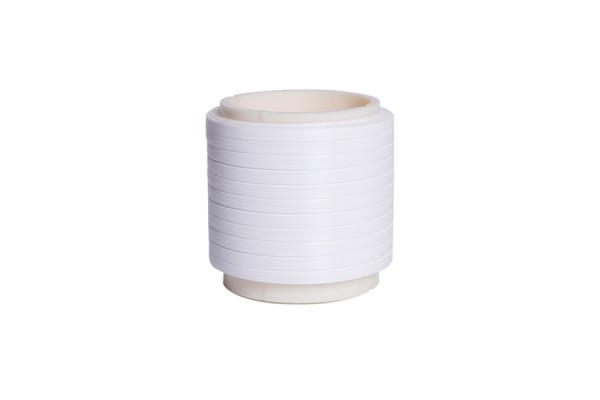
PTFE film plays an important role in improving industrial performance across multiple sectors. Its low friction properties and exceptional chemical resistance allow for reliable operation within demanding environments, improving the durability of equipment. In aerospace, the lightweight design of PTFE film contributes to fuel efficiency while ensuring reliable insulation for sensitive components. For electronics, its superior dielectric strength and moisture resistance protect primary circuits, reducing failure risks and extending product lifespans. The versatility of the film also extends to manufacturing applications, where its thermal stability makes it suitable for high-heat processes. Overall, selecting the right film tailored to specific applications can lead to improved operational efficiency and reduced maintenance costs, solidifying its status as a useful material in industrial practices.
Boosting industrial efficiency with PTFE Film
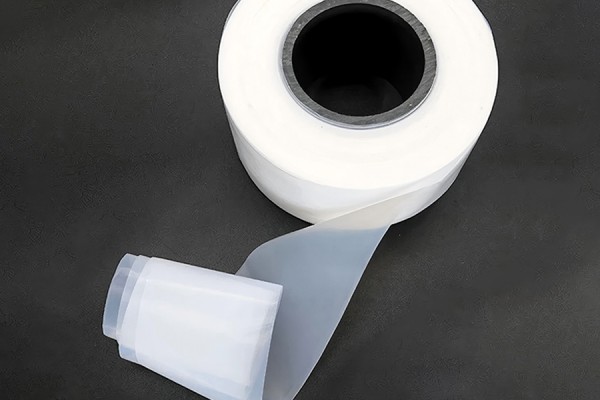
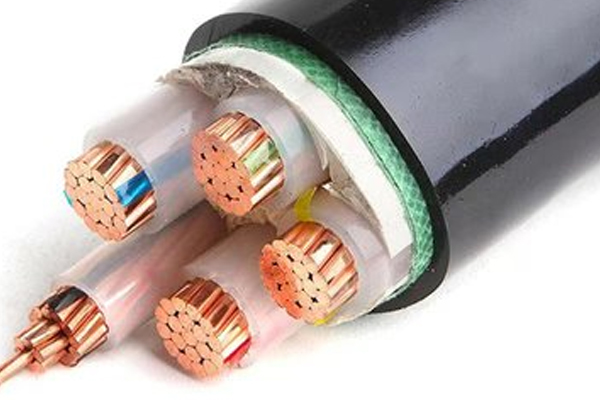
PTFE film is a practical solution that improves industrial efficiency across several sectors. Its unique properties, including superior chemical resistance and low friction, make it an essential material in high-performance applications. In aerospace, for instance, cable-wrapping films made from PTFE provide robust insulation for high-speed transmission lines, improving the reliability of critical systems. This capability extends to the electronics industry, where such wrapping films are used to shield sensitive components from external factors. Also, the versatility of thread-seal tape ensures secure connections in plumbing and gas applications, preventing leaks and improving safety. By incorporating materials such as DAC high-speed cable wrapping film and AEC high-speed cable wrapping film into their processes, manufacturers can maximize performance levels while maintaining operational integrity. The longevity and durability of these materials also contribute to reduced maintenance costs and downtime, ultimately supporting a more efficient production environment. As industries continually seek new solutions, the adoption of these products is becoming increasingly important in achieving both quality and efficiency objectives.

Benefits of Using PTFE Film in Aerospace
PTFE film offers essential advantages for the aerospace industry, primarily due to its exceptional chemical resistance and low friction properties. These features cut wear and tear on components, leading to prolonged lifespan and reduced maintenance costs. Furthermore, PTFE’s thermal stability allows it to perform reliably across a wide temperature range, from extreme cold to high heat environments typical in aerospace applications. This resilience makes it ideal for sealing critical components in aircraft engines and fuel systems, ensuring effective operation even in harsh conditions. Furthermore, its lightweight nature contributes to overall aircraft efficiency, a key factor in performance and fuel economy. With rigorous regulations surrounding aerospace materials, this material’s reliability improves compliance and safety measures within the sector. As innovation continues within aerospace technology, the adaptability of the material ensures it remains a favored solution for meeting evolving industry needs.
important Applications for PTFE Film Solutions
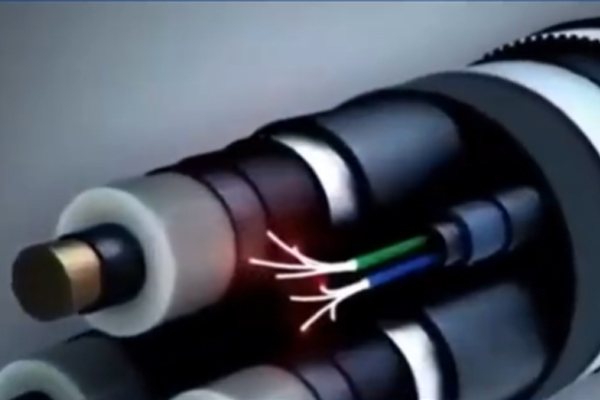
Solutions made from PTFE find use in various sectors because of their exceptional properties. In aerospace, PTFE film acts as a reliable insulator and protective barrier, ensuring critical components function efficiently under extreme conditions. Its lightweight and thermal stability make it essential for applications ranging from aircraft wiring to fuel lines. In the electronics sector, PTFE film is employed for insulation in high-frequency cables, contributing to effective signal transmission in demanding environments like telecommunications and data centers. Furthermore, in food processing, these films provide a non-stick surface that simplifies production processes while complying with health regulations. Their chemical resistance allows for safe use in environments that handle aggressive substances, making the material vital across manufacturing industries. These applications mention the versatility of these films and their role in improving reliability and performance across diverse operational scenes.
Maximizing performance with PTFE Film
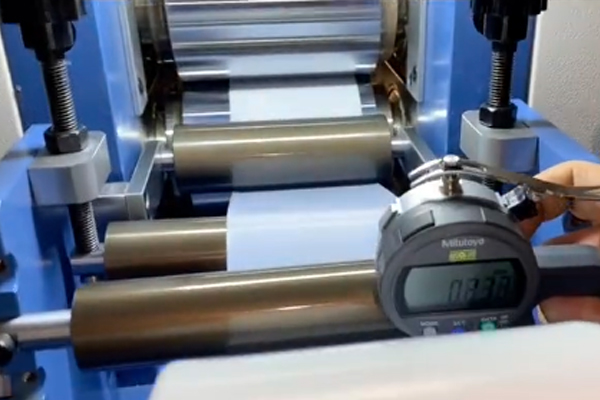
PTFE film significantly improves operational efficiency in various industrial applications due to its unique properties. The excellent chemical resistance of PTFE ensures that it can withstand harsh environments, which is important in sectors like aerospace and manufacturing. Furthermore, its low friction characteristics reduce wear and tear on components, leading to less maintenance and longer lifespan of machinery. In electronic applications, the thermal stability of PTFE film prevents deformation under stress, making it ideal for high-performance insulating materials.
"Utilizing PTFE film can result in reduced energy costs and enhanced product reliability."
As industries increasingly seek durable materials to optimize their processes, PTFE film stands out for its versatility and reliability. Whether improving insulation systems or contributing to the integrity of components in corrosive surroundings, PTFE film plays an important role in performance maximization across a range of sectors.
PTFE Film as a Solution for Electronics
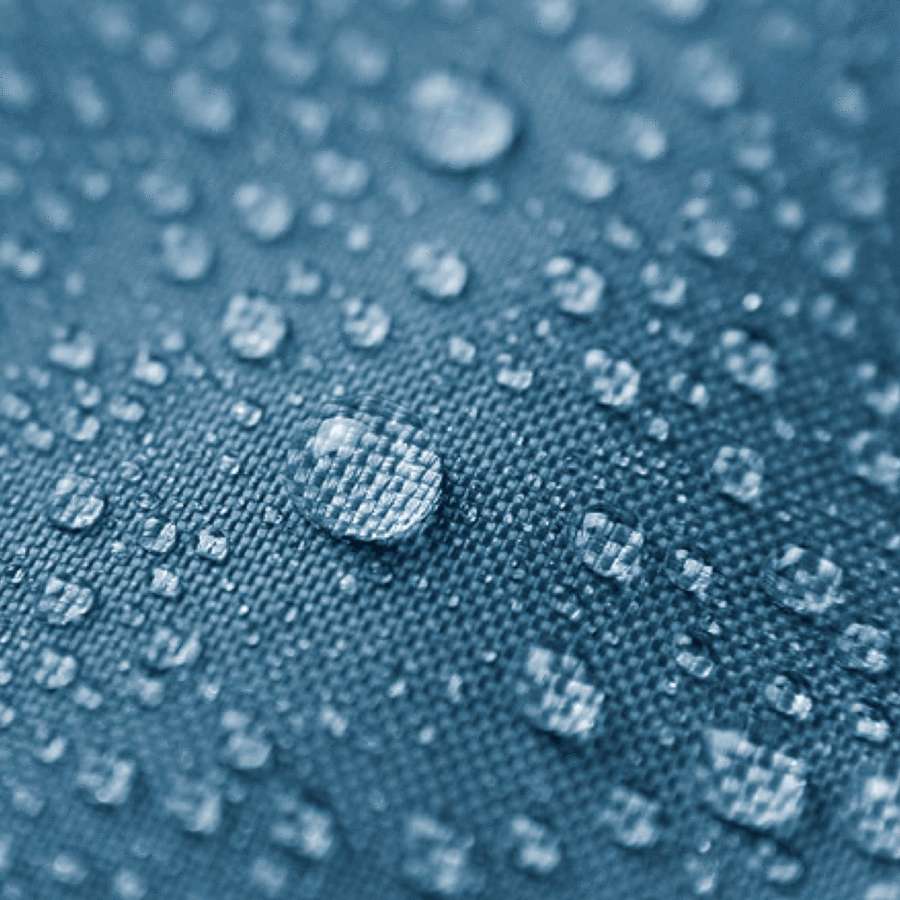
PTFE film provides remarkable advantages in the electronics sector due to its unique properties. Its excellent dielectric strength allows for minimal signal loss, which is crucial in high-frequency applications such as telecommunications and computer components. Furthermore, the material resists moisture and chemicals, making it ideal for environments where reliability and durability are essential. This material can effectively insulate sensitive electrical circuits, protecting them from environmental factors that could lead to failure or degraded performance. The material’s low-friction properties benefit applications involving moving parts or components that require smooth operation. With ongoing advancements in technology, manufacturers are increasingly adopting PTFE film in various electronic devices to improve efficiency and longevity. The versatility of this material also facilitates custom solutions tailored to specific electronic applications, reinforcing its role as a preferred choice in the industry.
The versatility of PTFE Film in Manufacturing
PTFE film demonstrates remarkable adaptability in manufacturing, finding use across numerous sectors due to its unique properties. Its chemical resistance allows it to perform effectively in diverse settings, from producing food packaging materials to applications in heavy industrial environments. Industries rely on that material for components that require insulation or a non-stick surface, such as conveyor belts and sealants. Its excellent thermal stability makes it suitable for high-temperature applications, ensuring durability and performance. Moreover, the lightweight nature of the film contributes to efficiency in operations, particularly in aerospace and automotive manufacturing, where reducing weight is essential. Manufacturers appreciate the ease of fabrication associated with the material; it can be cut, shaped, and joined without compromising its integrity. This versatility supports innovation as manufacturers strive to develop bespoke solutions tailored to specific operational needs while promoting sustainability through material efficiency.
Understanding the Properties of PTFE Film
The film made from PTFE shows several key characteristics that suit various industrial uses. Its chemical resistance stands out, allowing it to endure exposure to aggressive substances without degradation. This property is essential in sectors such as aerospace and chemical processing, where materials frequently encounter harsh environments. Also, the film boasts a low friction coefficient, which improves performance in moving parts and reduces wear on machinery. Thermal stability is another important feature, allowing the film to maintain its integrity at extreme temperatures ranging from -200℃ to +260℃, and even briefly withstand up to 300℃. These attributes not only contribute to the longevity of the film but also improve operational efficiency. The film’s non-stick surface reduces accumulation of debris, simplifying maintenance and cleaning processes. Understanding these properties is key to selecting the appropriate film that fits specific application requirements while maximizing performance and reliability in industrial settings.
Selecting the Right PTFE Film for Your Needs
Choosing the appropriate PTFE film requires understanding specific application requirements. Consider factors like temperature resistance, chemical exposure, and physical stress. For aerospace and automotive applications, films with higher tensile strength and thermal stability are ideal, ensuring reliable performance in extreme conditions. In contrast, electronics may demand films with superior electrical insulation properties tailored for delicate components. Assess available options such as film thickness and surface finishes to match your operational environment. Furthermore, evaluating vendors for quality assurance standards is essential to guarantee the film meets industry regulations. Consulting with materials experts can also provide insights into customizing PTFE formulations to improve specific performance characteristics critical for your project. By aligning the right film with your operational needs, you can significantly improve process efficiency and overall industrial performance.
Conclusion
PTFE film represents an important advancement in industrial applications, demonstrating remarkable efficiency and reliability. Its outstanding properties, including exceptional chemical resistance, low friction, and thermal stability, position it as an ideal choice for various sectors. As industries face increasing demands for performance improvements and cost reductions, it stands out as a solution that addresses these challenges effectively. By offering robust insulation in aerospace and versatile applications in electronics, PTFE film facilitates operational excellence across the board. The material’s lasting durability further contributes to reduced maintenance needs, making it a wise investment for manufacturers. As technological innovation continues to unfold, the utility of the material is likely to expand further, reinforcing its role in modern industrial practices and ensuring ongoing relevance in future applications.
FAQs
What is PTFE film?
PTFE film is a versatile material known for its superior chemical resistance, low friction, and thermal stability. It is widely used in various industrial applications, including aerospace and electronics.
How does PTFE film improve industrial performance?
PTFE film improves industrial performance by reducing wear on components and providing effective insulation. Its durability leads to lower maintenance costs and increased efficiency.
What are the important benefits of using PTFE film in aerospace?
In aerospace, PTFE film offers advantages like lightweight insulation, resistance to extreme temperatures, and chemical stability. These properties improve safety and reliability in critical aircraft systems.
Can PTFE film be used in electronics?
Yes, PTFE film is highly beneficial in electronics. It acts as an effective insulator for high-frequency cables and protects sensitive components from moisture and chemicals.
How do I select the right PTFE film for my needs?
Choosing the appropriate PTFE film involves assessing your specific application requirements, such as temperature resistance and chemical exposure. Consulting with material experts can help ensure you select the right product.